Oct . 28, 2025 15:50 Back To List
Scaffolding Coupler Types | EN74, Galvanized, Bulk Stock
A Field Guide to Scaffolding Coupler Types: What Pros Actually Use
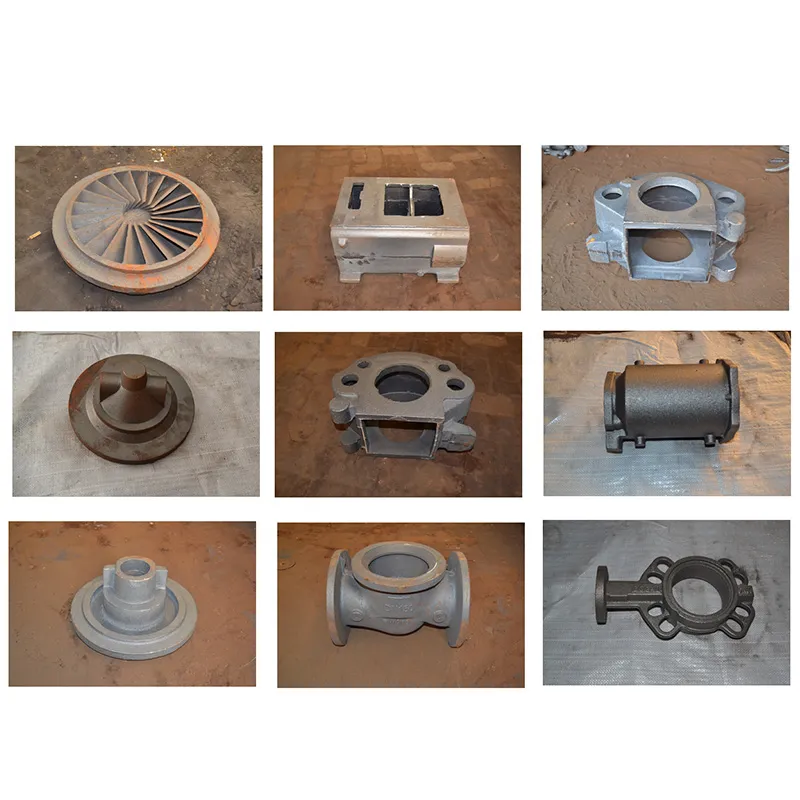
I’ve spent a good chunk of my career around yards and yards of tube and fittings, and—surprisingly—the humble coupler is where the project stands or falls. WRK’s OEM Casting Iron program out of the Development Area of Botou, Cangzhou, Hebei (a legit metalworking hub) has been gaining attention. To be honest, a lot of buyers just want reliable Scaffolding Coupler Types that pass EN tests, arrive on time, and don’t seize up after a wet winter.
What’s Trending Now
The market’s shifting to higher slip resistance and better coatings. We’re seeing more hot-dip galvanized couplers (HDG ≈55–85 μm) and tighter tolerance bores for 48.3 mm OD tubes. Demand for heavy-duty right-angle and swivel couplers in industrial outages is strong; sleeve and putlog variants remain steady for building facades. Many customers say OEM customization (logo embossing, torque-specific bolts, anti-loss nuts) is now table stakes.
Core Types and Where They Fit
- Right-angle (double) coupler: main load-bearing node; primary ledgers to standards.
- Swivel coupler: bracing at non-90°; shipyards love these.
- Sleeve (liner) coupler: end-to-end jointing of tubes; alignment critical.
- Putlog/single coupler: transoms and light-duty picks (check local code limits).
- Girder/beam clamp (a.k.a. gravlock): connecting to steel beams with positive seating.
- Board/toe board clips and ladder clamps: small hardware, but inspectors always check them.
Typical Product Specs (WRK OEM Casting Iron)
| Item | Spec (≈ / typical) | Notes |
|---|---|---|
| Tube compatibility | Ø48.3 mm (primary), Ø60.3 mm optional | Real-world use may vary by tube tolerance |
| Material | Ductile iron (EN-GJS-450-10) or malleable iron | Investment casting + machining; forged options via partners |
| Surface | Electro-galv. ≈8–12 μm / HDG ≈55–85 μm | Salt-spray test up to 500 h (ASTM B117) |
| Standards | EN 74-1 Class B; BS 1139; AS/NZS 1576 | Third-party test reports available |
| Torque (bolt) | ≈ 45–50 N·m | Check manufacturer guidance on site |
| Slip/Failure (lab) | Slip ≥9 kN; ultimate ≥15–20 kN | Depends on type; tested to EN 74-1 |
| Service life | ≈5–10 years | With proper inspection and storage |
How WRK Builds and Verifies
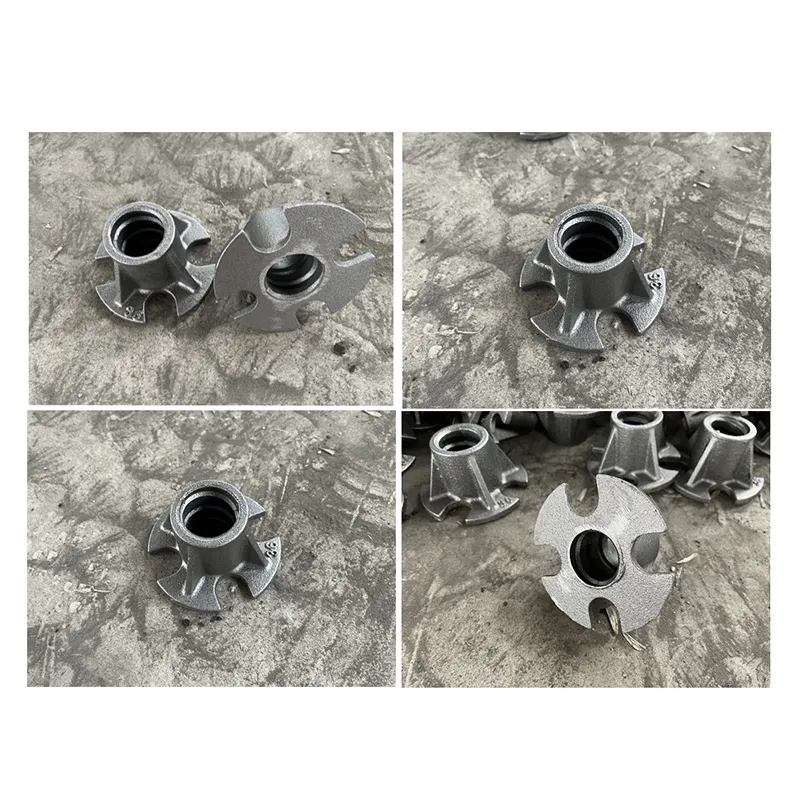
Materials arrive as certified heats; parts are investment cast, then CNC machined for bore and saddle flatness. Heat treatment balances strength with ductility (it matters in winter). Coatings run electro-galv. or HDG. Every batch is torque-checked, slip-tested against EN 74-1, and sampled for threads, hardness, and coating thickness. Certifications: ISO 9001:2015, CE (where applicable). Origin: Botou, Cangzhou—yes, the “casting town.”
Vendor Snapshot (What Buyers Compare)
| Vendor | Strengths | Potential Trade-offs |
|---|---|---|
| WRK (Botou, China) | One-stop casting/machining; EN/BS test reports; customization MOQ ≈ 500 | HDG lead time a bit longer (coating queue) |
| Global Brand A | Wide distribution; instant stock in EU/US | Higher price; less flexible on OEM markings |
| Local Trader B | Fast quotes; small MOQ | Inconsistent traceability; variable coatings |
Applications, Feedback, and Mini Case Studies
Use cases: building facades, petrochem turnarounds, power plants, shipbuilding, and event staging. One EU metro project specified EN 74-1 Class B right-angle couplers with HDG; WRK added embossed IDs for quick inspection—site supervisors said identification “finally got easy.” A shipyard needed 60.3 mm swivel couplers; WRK matched beam clamps and delivered within six weeks. Many customers say the HDG finish pays off after two rainy seasons.
Selection Tips (quick, practical)
- Choose right-angle for primary nodes; swivel for braces; sleeve for tube joints.
- Verify EN 74-1 compliance and ask for the latest test lot report.
- Apply bolt torque ≈45–50 N·m; recheck after load cycles.
- Inspect threads and saddles weekly; store dry to extend life.
- For coastal jobs, prefer HDG. For lighter, short-term use, electro-galv. is fine.
If you’re speccing Scaffolding Coupler Types for a regulated site, cross-check with OSHA 1926 Subpart L, EN 74-1, and your local scaffold scheme. Paperwork wins audits—every time.
- EN 74-1: Couplers, spigot pins and baseplates for use in falsework and scaffolds (CEN).
- BS 1139-2.2: Metal scaffolding – Couplers and fittings (BSI).
- AS/NZS 1576 Scaffolding series (Standards Australia/New Zealand).
- OSHA 29 CFR 1926 Subpart L – Scaffolds (U.S. Department of Labor).
Latest News
-
Adjustable U Jack: Essential Guide to Specifications, Applications & VendorsNewsDec.03,2025
-
Adjustable U Head Jack: Essential Guide to Benefits, Specs & Global UseNewsDec.03,2025
-
What Is an Adjustable U Head? Benefits, Uses & Supplier Comparison in ConstructionNewsDec.03,2025
-
Steel Joint Connector Nut: Essential Fastening Solutions for Modern InfrastructureNewsDec.02,2025
-
Nut Connector: Key Roles, Applications & Innovations in Modern IndustryNewsDec.02,2025
-
Nut Adaptor: A Key Component Bridging Industry Standards and Enhancing Assembly EfficiencyNewsDec.02,2025