Nov . 29, 2025 19:35 Back To List
Shuttering Tie Bars: Essential Steel Rods for Secure Concrete Formwork
Understanding Shuttering Tie Bars: The Unsung Heroes of Construction
In the complex world of concrete construction, shuttering tie bars quietly play a pivotal role. They might not grab headlines like towering cranes or fancy robotics, but these simple steel rods ensure formworks stay secure, resulting in sturdy concrete structures that stand the test of time. Globally, with infrastructure investment soaring, the demand for reliable shuttering tie bars continues to grow—highlighting their importance not just for builders, but for global urban development and humanitarian projects alike.
Shuttering Tie Bars: A Global Perspective
To put this in context, the United Nations reports millions of new urban residents added yearly, demanding rapid and resilient housing solutions. The World Bank estimates that infrastructure investment reached over $3 trillion annually—formwork being the backbone of much of that. This boom magnifies the challenges of ensuring formworks stay intact when pouring concrete. That’s precisely where shuttering tie bars become indispensable.
Without them, the formwork can fail under the extreme pressure of wet concrete, leading to structural defects, delays, costly repairs, or worse—safety hazards. Simply put, shuttering tie bars solve a real-world problem: holding huge amounts of concrete in place safely, especially in challenging conditions.
What Exactly Are Shuttering Tie Bars?
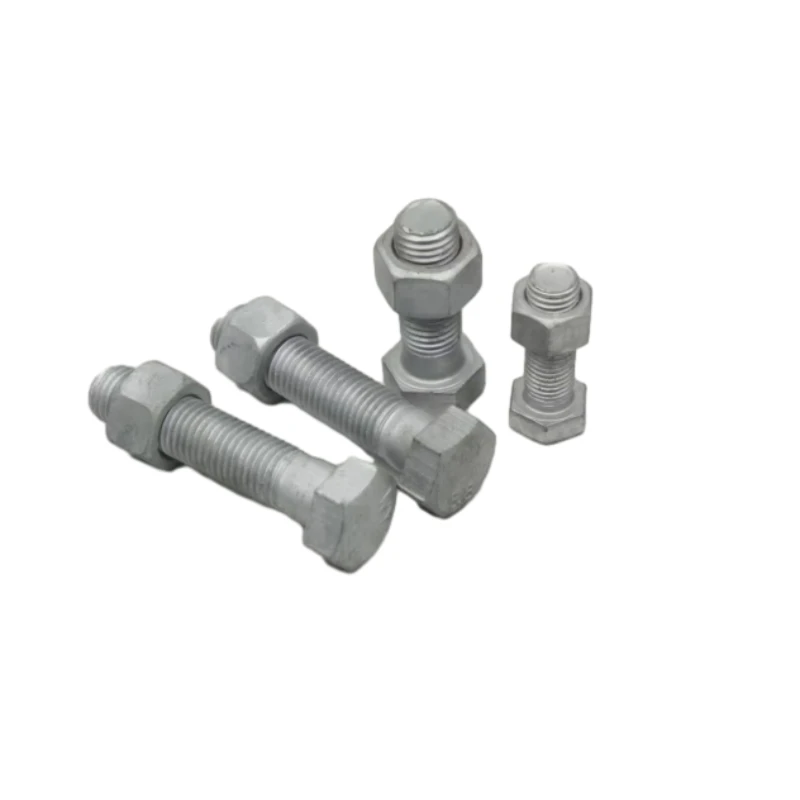
In straightforward terms, shuttering tie bars are steel rods used to hold formwork panels together during a concrete pour. Think of them as temporary “spines” that keep the molds from bulging or collapsing until the concrete sets. Once the concrete cures, these tie bars are typically removed or sometimes left embedded depending on the formwork system used and project requirements.
Their significance stretches far beyond standard construction — in humanitarian relief, for example, quick-deploy housing often hinges on dependable shuttering systems to create safe, hardened structures fast. Without secure ties keeping the forms rigid, the concrete can’t cure correctly, endangering the entire build.
Key Factors That Define Effective Shuttering Tie Bars
1. Durability and Strength
These tie bars have to withstand tremendous loads from wet concrete. Typically made from high-grade steel, they resist bending or snapping — properties that ensure the formwork stays intact even on complex or tall pours.
2. Scalability and Size Variety
Shuttering tie bars come in various diameters and lengths, accommodating everything from small-scale residential jobs to huge industrial projects. It's not one-size-fits-all — matching the right bar specs to the concrete’s pressure profile is crucial.
3. Cost Efficiency
Because tie bars are often reusable within a project or across multiple jobs, they offer great ROI. The initial steel investment pays off quickly by preventing costly formwork failures and re-pours.
4. Compatibility with Formwork Systems
That’s the unsung detail: good tie bars fit seamlessly with existing shuttering panels, clamps, and wedges. The better the fit, the easier and faster the formwork setup—and the fewer headaches for onsite teams.
5. Ease of Handling and Installation
Lightweight coatings or ribbed options help workers grip and secure tie bars more easily, speeding up the process without compromising strength.
Mini takeaway: Durability, size, cost, compatibility, and ease—all these practical elements make shuttering tie bars a quiet cornerstone in formwork technology.
Shuttering Tie Bars in Action: Real-World Applications
You might think shuttering tie bars have a simple job, but their global footprint is surprisingly wide. In Southeast Asia’s exploding urban centers, construction teams rely on dependable tie bars to keep projects on track under tight deadlines. In disaster-stricken regions like Nepal or Haiti, NGOs use modular concrete shelters where secure formwork with tie bars speeds relief housing efforts.
Even in remote mining camps or new industrial zones, where conditions are harsh and resources limited, strong shuttering tie bars allow workers to complete substantial infrastructures quickly and safely.
Typical Product Specifications at a Glance
| Specification | Standard Range | Typical Use Case |
|---|---|---|
| Diameter | 10 mm – 32 mm | From small residential to large commercial pours |
| Length | 300 mm – 2000 mm+ | Varies by form thickness and pour size |
| Material | High-strength carbon steel | Load-bearing during concrete curing |
| Coating | Galvanized or epoxy coated | Corrosion resistance, reusability |
Comparing Leading Shuttering Tie Bar Vendors
| Vendor | Material Quality | Range of Sizes | Price Range | Special Features |
|---|---|---|---|---|
| Global Steel Supplies | High tensile, carbon steel | 10–32 mm diameter | Mid-range | Custom coatings available |
| FormSecure Tech | Galvanized steel | 12–25 mm diameter | Premium | Anti-corrosion warranty |
| BuildRight Materials | Epoxy-coated steel | 10–30 mm diameter | Budget-friendly | Bulk order discounts |
The Advantages and Lasting Value of Using Quality Shuttering Tie Bars
Many engineers I’ve spoken to describe shuttering tie bars as “invisible guardians” — a dramatic phrase, but it captures the trust placed in these components. Because they directly affect the integrity of poured concrete, their quality reduces rework, avoids project delays, and ensures safety for construction workers and future occupants. Beyond cost savings, there's a sustainability angle too: strong, reusable shuttering tie bars minimize waste and energy consumption in construction cycles.
There’s also a human side. A worker can feel safer, knowing the formwork isn’t likely to fail mid-pour. And on a broader scale, communities gain reliable, durable buildings. That sense of dignity—having structures built solidly enough to last—links back directly to those modest steel bars stretched taut across a form.
Emerging Trends and Innovations
The world of shuttering tie bars isn’t stuck in the past. Innovations include using higher-strength alloys that reduce bar diameter without sacrificing load capacity. There's also plenty of interest in eco-friendly tie bar coatings to minimize environmental impact, like powder-coating or biodegradable anti-corrosion treatments.
Digital integration is creeping in too. Some firms explore RFID-tagged tie bars for inventory and tracking, speeding maintenance and rental management. And automated formworks now incorporate tie bars designed specifically for robotic installation, a trend likely to pick up with ongoing digital transformation in construction.
Common Challenges & Expert Solutions
One typical problem? Corrosion. Even galvanized bars can fail if exposed to harsh environmental conditions for too long. Experts recommend strict inspection regimes, timely replacement, or advanced coatings to extend life.
Mismatch between tie bar size and formwork thickness is another. A lightweight, cost-saving approach can backfire if bars bend or break. So, careful calculation and supplier communication are key. Some companies even offer customized tie bar manufacturing to spec, which not only fits better but also reduces waste.
FAQs: Your Top Questions About Shuttering Tie Bars
1. How do I choose the correct size of shuttering tie bar for my project?
Consider the formwork thickness and volume of concrete. Generally, thicker walls or higher pours require thicker diameter tie bars. Consult with your supplier or engineer to determine the right size, matching expected load forces and panel spacing.
2. Can shuttering tie bars remain embedded in concrete permanently?
Sometimes yes, but it depends on the project and type of tie bar. Removable tie bars are standard, but in some pre-cast or specific structural walls, tie bars are left embedded and coated to resist corrosion.
3. What maintenance do shuttering tie bars require for reuse?
After removing, clean bars of concrete residues, inspect for corrosion or bends, and recoat if necessary. Proper storage prevents rust and extends usable life significantly.
4. Are there environmental concerns with steel shuttering tie bars?
Steel is recyclable, but production carries carbon costs. Using longer-lasting bars with eco-friendly coatings helps reduce impact. Some companies now explore bio-based or lower-carbon materials.
5. Where can I find reliable shuttering tie bars for international projects?
Look for suppliers with global shipping and proven quality standards (e.g., ISO certification). Partnering with vendors offering technical support onsite or online can greatly simplify logistics and compliance.
Wrapping Up: The Enduring Strength of Shuttering Tie Bars
To sum it all up, shuttering tie bars may be small components, but they’re huge enablers of quality concrete construction. From scaling urban skyscrapers to quick-build shelters, these sharable steel rods underpin a safer, more efficient, and sustainable building process.
If you’re involved in formwork or construction, it’s worth considering your shuttering tie bars carefully. The right specs, quality, and supplier can save time and money—and boost confidence on site. For trusted products, expert advice, or bulk orders, visit our website: https://www.wrkformwork.com.
References:
Latest News
-
Adjustable U Jack: Essential Guide to Specifications, Applications & VendorsNewsDec.03,2025
-
Adjustable U Head Jack: Essential Guide to Benefits, Specs & Global UseNewsDec.03,2025
-
What Is an Adjustable U Head? Benefits, Uses & Supplier Comparison in ConstructionNewsDec.03,2025
-
Steel Joint Connector Nut: Essential Fastening Solutions for Modern InfrastructureNewsDec.02,2025
-
Nut Connector: Key Roles, Applications & Innovations in Modern IndustryNewsDec.02,2025
-
Nut Adaptor: A Key Component Bridging Industry Standards and Enhancing Assembly EfficiencyNewsDec.02,2025