Sep . 23, 2025 16:48 Back To List
Swivel Scaffold Jacks: Stable, Adjustable Leveling for Uneven Ground
The Indispensable Role of Swivel Scaffold Jacks in Modern Construction
In the intricate landscape of contemporary construction, stability and adaptability are paramount. At the foundational level, the effectiveness of any scaffolding system hinges on its base components. Among these, the swivel scaffold jacks stand out as critical elements, providing adjustable and secure support on uneven terrains and for complex structural requirements. These specialized jacks are engineered to accommodate variations in ground level and scaffolding inclination, ensuring a plumb and stable working platform regardless of site conditions. Their robust design and pivotal function make them indispensable for ensuring safety and operational efficiency in a myriad of challenging environments.
This comprehensive guide delves into the technical intricacies, application versatility, and strategic advantages of swivel scaffold jacks, offering B2B decision-makers and engineers the insights necessary to optimize their project safety and structural integrity. We will explore industry trends, technical specifications, the meticulous manufacturing process, diverse application scenarios, and the tangible benefits these components deliver across various industrial sectors.
Current Industry Trends and Market Evolution
The market for scaffolding equipment, including advanced components like swivel scaffold jacks, is undergoing significant evolution driven by several key trends:
- Enhanced Safety Standards: Global regulations are becoming more stringent, demanding higher quality, certified scaffolding components that minimize accident risks. This drives innovation in design and materials for components like swivel scaffolding bases.
- Material Innovation: The adoption of higher-grade steels, advanced galvanization techniques, and durable coatings is extending the service life and corrosion resistance of scaffolding jacks, reducing maintenance costs.
- Modularity and Versatility: A growing demand for versatile scaffolding systems that can be rapidly assembled and adapted to various project types is increasing the preference for components that offer superior adjustability, such as the swivel jack scaffold.
- Digital Integration: While not directly impacting the physical jack, the rise of Building Information Modeling (BIM) and digital planning tools necessitates precise specifications and interoperability of physical components, emphasizing the importance of accurate technical data for scaffolding elements.
- Sustainability: Manufacturers are increasingly focusing on sustainable production methods and components with longer lifecycles, aligning with broader environmental initiatives within the construction sector.
These trends collectively underscore the critical role of robust, high-performance swivel scaffold jacks in supporting the safety, efficiency, and sustainability objectives of modern construction projects.
Technical Specifications and Design Principles
The design of swivel scaffold jacks is a testament to precision engineering, ensuring optimal load distribution and adjustability. Key components typically include a threaded stem, an adjustment nut (collar), a base plate, and a swivel mechanism. The swivel feature, usually a U-head or flat plate, allows articulation up to 60 degrees (30 degrees in any direction from vertical), accommodating uneven surfaces or angled scaffolding members. Below is a table outlining typical technical parameters:
Typical Swivel Scaffold Jack Specifications
| Parameter | Description/Value |
|---|---|
| Material | High-grade Carbon Steel (Q235, Q345) |
| Surface Finish | Hot-dip Galvanized (HDG), Electro-galvanized, Painted |
| Stem Diameter | Ø30mm, Ø34mm, Ø38mm, Ø48mm (1.18", 1.34", 1.5", 1.89") |
| Stem Length | 400mm - 1000mm (15.7" - 39.4") standard, customizable |
| Thread Type | Rolled or Cut Trapezoidal (Acme) Thread |
| Base Plate Dimensions | 150x150mm, 120x120mm (5.9"x5.9", 4.7"x4.7"), various thicknesses |
| Load Capacity (Safe Working Load) | 20kN - 60kN (approx. 2 - 6 metric tons), depending on specification |
| Swivel Angle | Up to 60 degrees total articulation (±30° from vertical) |
| Testing Standards | ISO 9001, EN 12810, ANSI/SSFI SC100-5/05, AS/NZS 1576 |
The choice of materials, particularly high-grade carbon steel, is crucial for achieving the required tensile strength and durability. Hot-dip galvanization is the preferred surface treatment for enhanced corrosion resistance, extending the component's service life, especially in harsh outdoor or corrosive industrial environments.
Manufacturing Process of Swivel Scaffold Jacks
The production of high-quality swivel scaffold jacks involves a rigorous multi-stage manufacturing process, emphasizing precision, material integrity, and adherence to international safety standards. The typical process flow is as follows:
- Material Selection & Preparation: High-grade carbon steel (e.g., Q235, Q345, or equivalent structural steel) is sourced. Materials are meticulously inspected for chemical composition and mechanical properties to ensure compliance with specifications for strength and ductility. Steel bars are cut to precise lengths for the stem and base components.
- Thread Rolling/Machining: The stem portion of the jack is processed to create robust, precise threads. Thread rolling, a cold-forming process, is often preferred over cutting as it increases the material's strength and fatigue resistance by compacting the grain structure. CNC machining is used for specific thread types or higher precision requirements.
- Forging/Casting of Components: The adjustment nut (collar) and the swivel base plate are often produced through forging or casting. Forging provides superior strength and grain structure, ideal for components under high stress, while casting allows for more complex geometries for the swivel mechanism. Precision machining follows to ensure tight tolerances.
- Welding: The base plate is securely welded to the threaded stem. This critical step uses advanced welding techniques (e.g., robotic MIG/MAG welding) to ensure strong, consistent, and defect-free joints capable of withstanding heavy loads and dynamic forces. Post-weld inspection, including visual and non-destructive testing (NDT) like ultrasonic testing, is standard.
- Surface Treatment: To impart superior corrosion resistance and extend service life, components undergo surface treatment. Hot-dip galvanization (HDG) is the industry gold standard, involving immersing the steel in molten zinc. This creates a metallurgical bond, offering robust protection against rust and abrasion. Electro-galvanization or powder coating may also be applied depending on specific client requirements and environmental exposure. This process enhances the aesthetic appeal and overall durability, making them ideal for long-term use in demanding environments like petrochemical plants or marine construction where corrosion resistance is paramount.
- Assembly: The various finished components (stem, nut, swivel plate) are assembled. Quality checks are performed during assembly to ensure smooth operation of the adjustment mechanism and proper fit of the swivel joint.
- Quality Control & Testing: Each batch of swivel scaffold jacks undergoes rigorous testing. This includes dimensional checks, material verification (spectroscopy), thread integrity tests, and critical load testing to verify Safe Working Load (SWL) capacities. Products are tested to international standards such as ISO (e.g., ISO 9001 for quality management), ANSI A10.8 (American National Standard for Scaffolding Safety), and European norms (EN 12810/12811), ensuring they meet or exceed performance requirements. Service life is projected to be 10-15 years or more under proper usage and maintenance, thanks to durable materials and superior finishes.
Target industries benefiting from these robust manufacturing processes include petrochemical, metallurgy, energy, infrastructure development (bridges, highways), water supply & drainage, and marine construction. The emphasis on quality and corrosion resistance directly translates into energy savings through reduced scaffolding replacement and maintenance, coupled with enhanced worker safety and project reliability.
Diverse Application Scenarios
The inherent adaptability of swivel scaffold jacks makes them invaluable across a broad spectrum of construction and industrial applications:
- Uneven Ground Conditions: On construction sites with varying elevations, slopes, or soft ground, swivel jack scaffold bases allow for precise leveling and stable support, preventing subsidence and ensuring the scaffolding remains plumb.
- Formwork Support: Essential for supporting heavy formwork for concrete pouring, especially when the supporting structure or ground is not perfectly level. The adjustability ensures accurate alignment of the formwork.
- Bridge and Infrastructure Projects: Used extensively in complex civil engineering projects where structures are often irregular or constructed on sloped embankments, providing critical stabilization for temporary works.
- Industrial Maintenance (Petrochemical, Power Plants): In environments with complex piping, equipment, or confined spaces, swivel scaffolding provides the flexibility to establish safe working platforms around obstacles and on uneven industrial floors.
- Facade Work and Building Refurbishment: For buildings with irregular facades or when working on sloped roofs, these jacks ensure the working platform is always level and secure, improving worker access and safety.
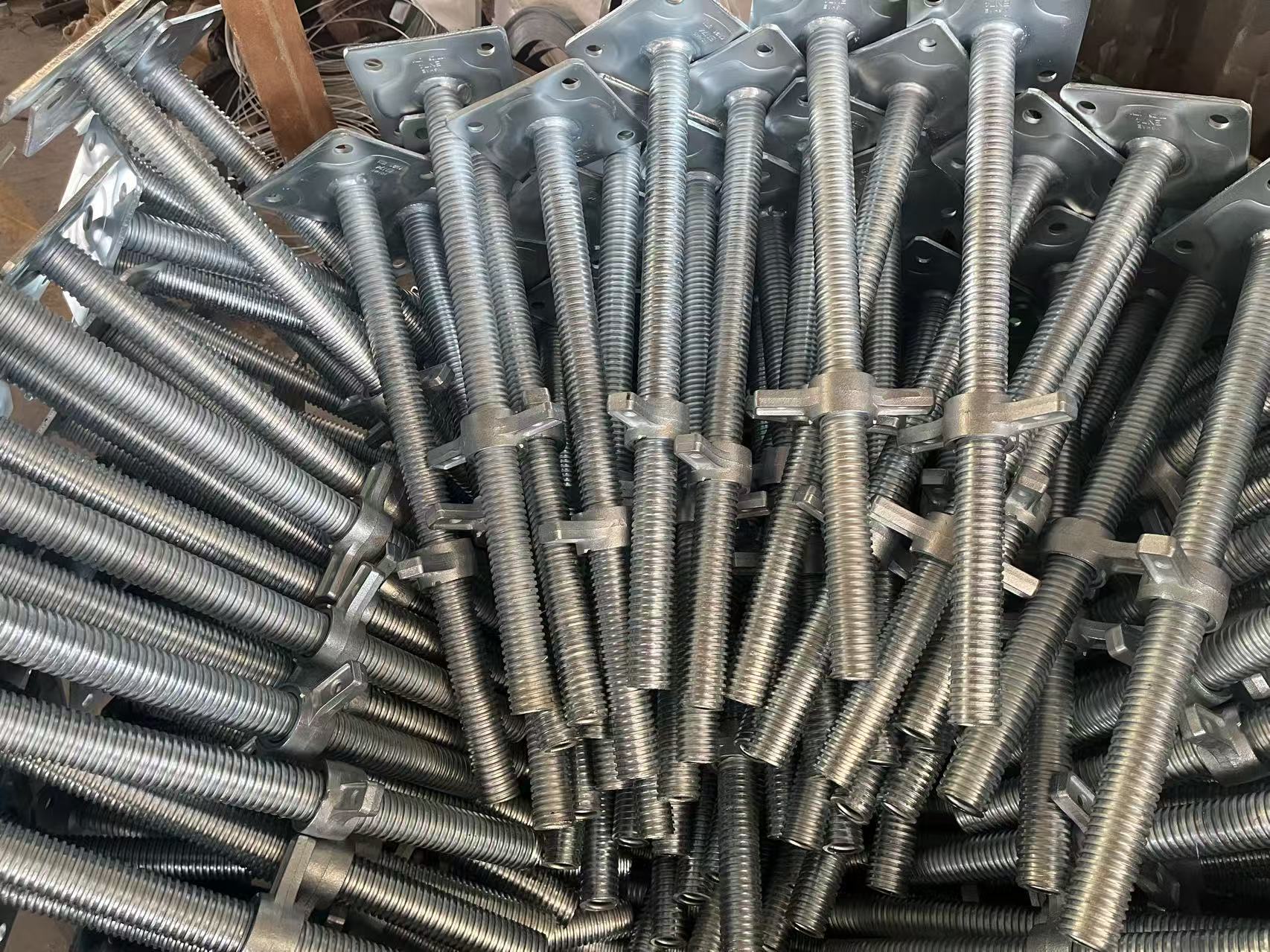
Figure 1: Swivel scaffold jacks providing stable support on varied terrain.
The ability to adapt to varying angles and heights significantly reduces erection time and enhances the overall safety profile of any scaffolding structure, making swivel scaffold jacks an indispensable component for modern construction. Our clients often report significant time savings during scaffold erection due to the ease of adjustment, directly translating to labor cost reductions and accelerated project timelines.
Key Technical Advantages
Investing in high-quality swivel scaffold jacks offers several distinct advantages:
- Superior Stability: The robust construction and swivel mechanism ensure the scaffolding system remains perfectly level and stable, even on challenging surfaces.
- Enhanced Adjustability: Allows for fine-tuning of height and angle, accommodating site irregularities with precision, which fixed base jacks cannot achieve.
- Increased Safety: Reduces the risk of scaffolding collapse due to uneven loading or ground instability, a critical factor for worker protection.
- Durability and Longevity: Manufactured from high-grade materials with advanced corrosion protection (e.g., hot-dip galvanization) for extended service life in harsh environments.
- Versatility: Compatible with various scaffolding systems (e.g., ringlock, cuplock, kwikstage) and suitable for a wide range of applications.
- Cost-Effectiveness: While the initial investment might be slightly higher than standard jacks, their extended lifespan, reduced maintenance, and improved efficiency lead to significant long-term savings.
Vendor Comparison: Selecting the Right Partner
When selecting a supplier for swivel scaffold jacks, B2B buyers must evaluate several factors beyond just price. A reliable vendor not only provides a high-quality product but also offers comprehensive support and adherence to international standards.
Key Vendor Evaluation Criteria
| Criterion | High-Quality Vendor (e.g., WRK) | Generic/Low-Cost Vendor |
|---|---|---|
| Material Quality | Certified high-grade steel (Q235, Q345), traceable. | Often unspecified or lower-grade steel. |
| Manufacturing Process | Automated welding, precision machining, cold thread rolling. | Manual welding, cut threads, less precise. |
| Surface Treatment | Robust Hot-dip Galvanization (80-100µm thickness). | Electro-galvanization (10-20µm) or basic paint. |
| Testing & Certifications | ISO 9001, EN 12810, ANSI A10.8, full load testing, NDT reports. | Minimal or no independent certifications; basic factory tests. |
| Customization | Extensive options for length, finish, load capacity. | Limited or no customization. |
| After-Sales Support | Technical support, warranty, efficient claim resolution. | Minimal or absent support. |
Choosing a vendor with a proven track record, adherence to international standards, and robust quality control ensures the long-term safety and cost-effectiveness of your projects. Established manufacturers often leverage decades of experience, working with major contractors and industrial firms globally, reinforcing their authoritative position in the market.
Customized Solutions for Unique Challenges
While standard swivel scaffold jacks meet most requirements, complex projects often demand tailor-made solutions. Leading manufacturers offer comprehensive customization services, adapting products to specific operational needs. This includes:
- Non-Standard Lengths: For exceptionally high or deep foundations, jacks can be manufactured with extended stem lengths.
- Specialized Base Plates: Custom base plate dimensions or designs (e.g., larger surface area, specific hole patterns) for unique load distribution or anchoring requirements.
- Increased Load Capacities: Engineering and manufacturing jacks for projects requiring significantly higher safe working loads, often involving reinforced materials or larger diameters.
- Enhanced Corrosion Resistance: For projects in highly corrosive environments (e.g., coastal, chemical plants), advanced coatings or specialized materials like stainless steel can be specified.
- U-Head Variations: Custom U-head dimensions or configurations to perfectly integrate with specific beam sizes or scaffolding components.
These customized solutions ensure that even the most challenging engineering problems can be addressed with precision and safety, extending the application versatility of swivel scaffolding components.
Application Case Studies
Case Study 1: Large-Scale Industrial Plant Expansion
Client: A major petrochemical engineering firm undertaking an expansion project on a brownfield site with existing uneven concrete foundations and multiple buried utilities.
Challenge: Establishing stable and level scaffolding platforms for structural steel erection and pipe rack installation across varied ground elevations and around existing equipment, requiring highly adaptable support structures.
Solution: Over 2,500 units of HDG swivel scaffold jacks (Ø48mm, 750mm length) were deployed. Their 60-degree articulation allowed project teams to quickly level the scaffold towers, compensating for slopes of up to 15 degrees without the need for extensive ground preparation or shimming. The hot-dip galvanized finish ensured superior corrosion resistance in the harsh industrial atmosphere, projecting a service life well beyond the 2-year project duration.
Outcome: The project experienced a 15% reduction in scaffolding erection time compared to previous projects using fixed base jacks, significantly improving overall project schedule adherence and enhancing worker safety by ensuring perfectly level working surfaces.
Case Study 2: Historic Bridge Renovation
Client: A national heritage restoration contractor specializing in civil infrastructure.
Challenge: Erecting a complex scaffolding system to facilitate intricate masonry repairs and structural reinforcement on an aging bridge, where the supporting riverbank was steep and highly irregular, and environmental protection was paramount.
Solution: Custom-length swivel jack scaffold bases, ranging from 600mm to 1000mm, were engineered and supplied. These specialized jacks, featuring extra-large base plates for improved load distribution on soft ground, enabled the creation of a stable foundation despite the challenging topography. The swivel mechanism was crucial for adapting to the varying angles of the riverbank and ensuring verticality of the scaffold standards.
Outcome: The project successfully stabilized the scaffolding on an extremely difficult terrain, allowing precision work to proceed safely and efficiently. The adaptability of the swivel scaffolding components minimized environmental disturbance to the riverbank, an important aspect of the heritage site. The client praised the robust performance and flexibility, citing it as essential for the project's success.
Ensuring Trustworthiness and Authoritativeness
Our commitment to quality and client satisfaction is underpinned by robust operational principles:
- Certifications: All products, including our range of swivel scaffold jacks, adhere to stringent international quality and safety standards such as ISO 9001:2015, EN 12810, and ANSI/SSFI SC100-5/05. These certifications are verified through independent third-party audits.
- Partner Clients: We proudly serve a diverse portfolio of leading construction companies, industrial contractors, and infrastructure developers globally, building long-term relationships based on reliability and performance.
- Warranty Commitments: Our products are backed by a comprehensive warranty, typically covering manufacturing defects for 1 to 5 years, demonstrating our confidence in their durability and quality.
- Lead Time & Fulfillment: With advanced manufacturing capabilities and streamlined logistics, we offer competitive lead times, typically 3-6 weeks for standard orders and agile fulfillment for urgent requirements, ensuring project schedules are met.
- Customer Support: Our dedicated technical support team provides expert guidance from product selection and engineering consultation to after-sales service, ensuring seamless integration and optimal performance on your projects.
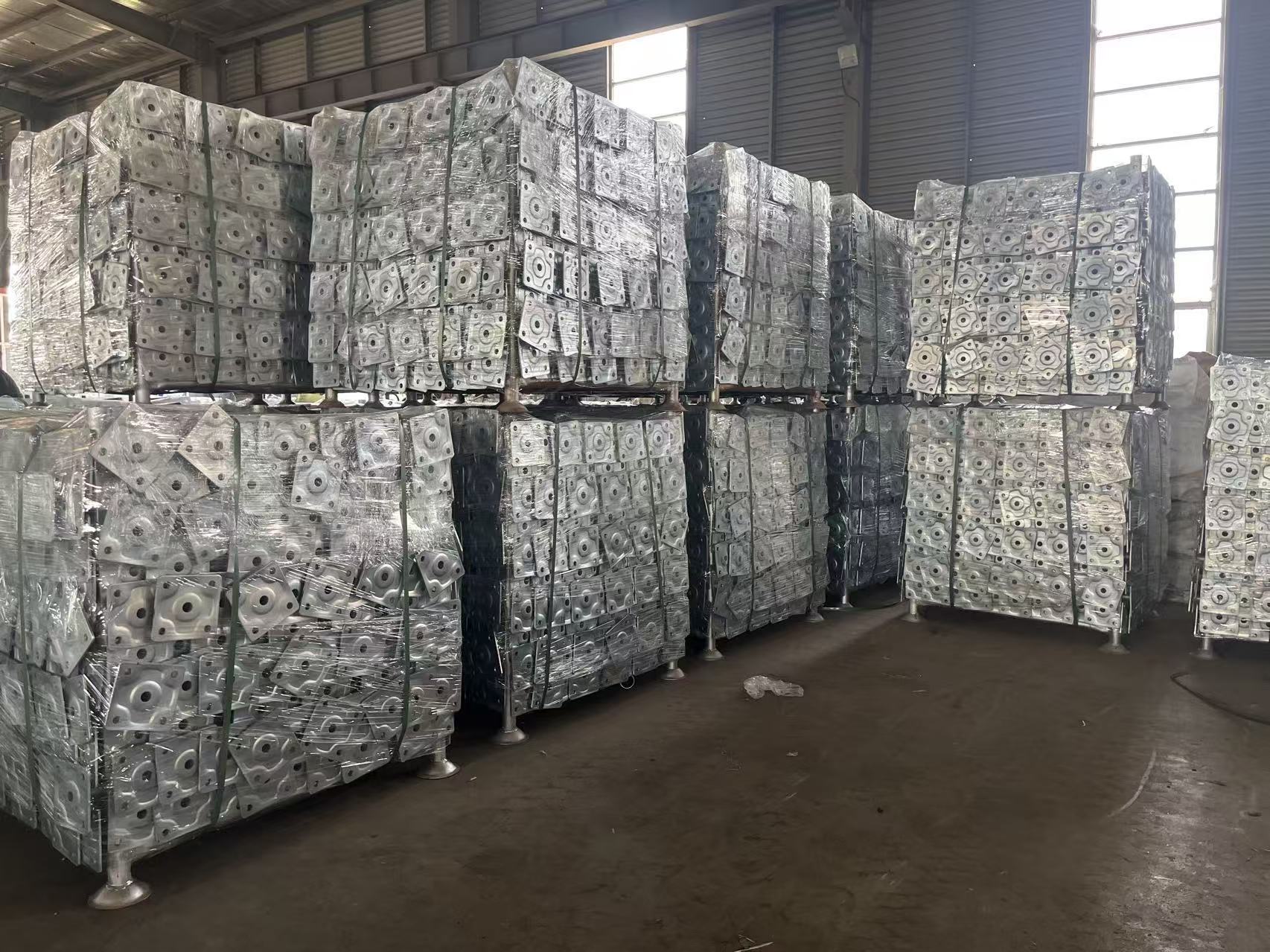
Figure 2: Quality inspection of swivel scaffold jacks prior to dispatch.
Frequently Asked Questions (FAQ)
- Q1: What is the primary advantage of a swivel scaffold jacks over a fixed base jack?
- A1: The main advantage is its ability to articulate and self-adjust to uneven or sloped surfaces, ensuring the scaffold remains plumb and stable. Fixed jacks require extensive shimming or ground preparation, which is time-consuming and less secure.
- Q2: What materials are typically used for your swivel jack scaffold?
- A2: We primarily use high-grade carbon steel (e.g., Q235, Q345) for optimal strength and durability. For critical components and enhanced corrosion resistance, hot-dip galvanization is the standard surface finish.
- Q3: Can your swivel scaffolding components be customized for specific project needs?
- A3: Absolutely. We offer extensive customization options, including specific stem lengths, base plate dimensions, increased load capacities, and specialized surface treatments to meet unique project requirements and environmental conditions.
- Q4: What testing standards do your swivel scaffold jacks comply with?
- A4: Our products are rigorously tested and certified to international standards such as ISO 9001 (Quality Management), EN 12810 (European Standard for Facade Scaffolding), and ANSI A10.8 (American National Standard for Scaffolding Safety), ensuring top-tier safety and performance.
- Q5: What is the typical lead time for an order of swivel scaffold jacks?
- A5: Standard orders typically have a lead time of 3-6 weeks, depending on the volume and customization requirements. We recommend contacting our sales team for precise lead times for your specific order.
References
- International Organization for Standardization (ISO). ISO 9001:2015 - Quality management systems - Requirements.
- European Committee for Standardization (CEN). EN 12810-1:2003 - Facade scaffolding made of prefabricated components - Part 1: Product specifications.
- Scaffold & Access Industry Association (SAIA). ANSI/SSFI SC100-5/05 - Scaffolding Safety Standard.
- Work Health and Safety Queensland. Guidance on scaffolding: Jack base. Retrieved from: https://www.worksafe.qld.gov.au/
- Galvanizers Association. Hot Dip Galvanizing for Corrosion Protection. Retrieved from: https://www.galvanizing.org.uk/
Latest News
-
Concrete Form Tie - Cangzhou World Cup Trading Co., Ltd. | Durable Construction Solutions&Secure FasteningNewsFeb.27,2026
-
Concrete Form Tie - Cangzhou World Cup Trading Co., Ltd. | Durable Construction Solutions&Secure FasteningNewsFeb.27,2026
-
Concrete Form Tie - Cangzhou World Cup Trading Co., Ltd. | Durable Construction Solutions&Secure FasteningNewsFeb.27,2026
-
Comprehensive Guide to PVC Profile Window Selection and BenefitsNewsFeb.27,2026
-
Comprehensive Guide to PVC Profile Applications Manufacturing and Future TrendsNewsFeb.26,2026
-
Comprehensive Guide to PVC Molding Profiles for International Trade and ManufacturingNewsFeb.25,2026