Dec . 02, 2025 06:05 Back To List
Tie Rod and Wing Nut - Essential Construction Components & Global Applications
Tie Rod and Wing Nut: Essential Components in Modern Construction and Beyond
In the sprawling world of construction, manufacturing, and even humanitarian aid, the tie rod and wing nut duo stands as a quietly indispensable set of components. You might not immediately notice them on a site or in a machine, but they play crucial roles holding things together, literally and figuratively. Understanding them means better appreciating the integrity, safety, and efficiency of countless projects worldwide. Whether it’s stabilizing a building frame or easing rapid assembly in disaster relief shelters, these seemingly simple parts deliver.
So why do they matter globally, and how do they fit into the bigger picture? Let’s unpack that.
Global Context: Why Tie Rod and Wing Nut Matter
The global construction industry is expected to cross $15 trillion by 2030, according to the Global Infrastructure Hub, with a push towards faster and more reliable building methods. Now, it’s odd but true: much of this relies on humble hardware like tie rods and wing nuts to maintain structural integrity. ISO standards for construction fasteners highlight these components’ critical roles; they ensure safety compliance in everything from bridge building to modular housing.
Yet, challenges persist. Rapid urbanization, climate change effects, and disaster recovery scenarios demand robust, quick-install solutions. Tie rods paired with wing nuts provide a practical, adaptable answer to challenges like scaffolding stability, temporary housing erection, and machinery assembly worldwide.
Mini takeaway: Tie rods and wing nuts underpin a vast global infrastructure network, especially as the world demands safer, quicker, and sustainable builds.
What Are Tie Rods and Wing Nuts?
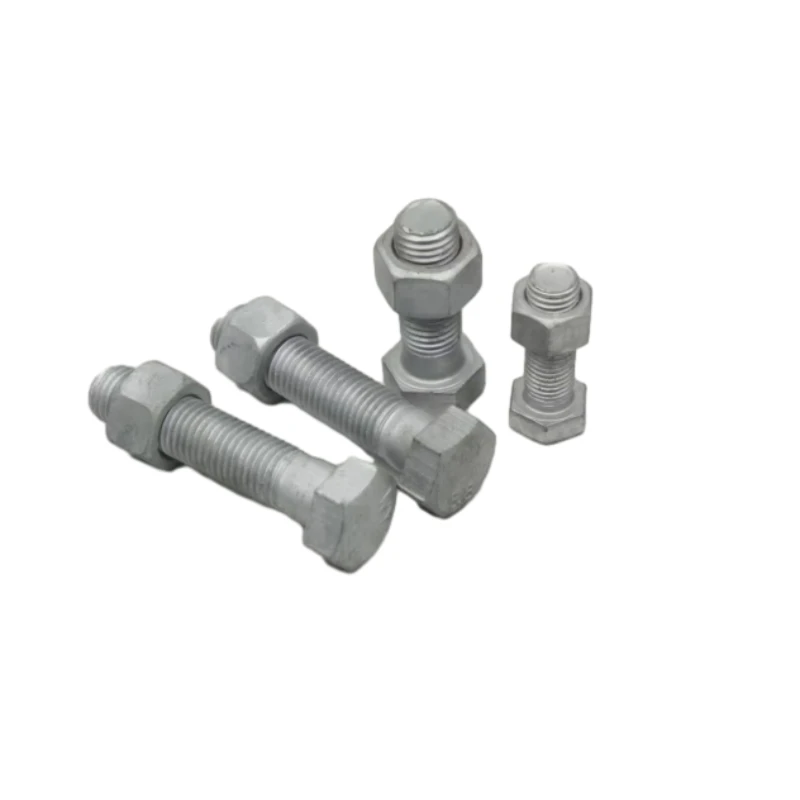
Simply put, a tie rod is a slender bar, often threaded at both ends, designed to handle tension forces – think of it as a muscle holding two parts securely at a distance. A wing nut, on the other hand, is a nut shaped like wings on each side so it can be tightened or loosened by hand without tools. Together, they’re like a handshake that’s strong but easy to undo.
These components are popular not only because they are reliable but also because their modular simplicity allows for fast assembly or disassembly. That’s why industries from heavy construction to humanitarian relief kits rely on them for stabilizing frameworks, joining panels, or securing loads.
Core Features of Tie Rods and Wing Nuts
1. Durability and Strength
Tie rods are typically made from high-grade steel, sometimes galvanized to resist corrosion, giving them longevity even outdoors. The wing nuts, although simpler, are often cast or stamped from durable metals or composite materials, balancing strength with ease of use.
2. Easy Installation and Adjustability
Wing nuts with their “hand-tight” design make fastening quicker—no wrench required. This feature is particularly valuable in the field, where speed matters and tools might be scarce.
3. Cost Efficiency
Because these parts are standardized and mass-produced worldwide, they’re incredibly affordable. This affordability translates into lower project costs—a key factor in large-scale infrastructure or emergency response projects.
4. Versatility
Tie rods can be found in everything from automotive chassis to scaffolding, while wing nuts ease removable fastening in machinery and furniture. Their sizes and materials vary widely, matching diverse industrial needs.
5. Scalability in Usage
You can use small tie rod and wing nut sets for light-duty projects or enormous, custom-engineered rods in massive dams or bridges. This scalability is pretty nifty and somewhat unique.
| Component | Material | Diameter Range | Length Range | Finish |
|---|---|---|---|---|
| Tie Rod | Carbon Steel / Stainless Steel | 6mm - 50mm | 100mm - 3000mm | Galvanized / Painted / Plain |
| Wing Nut | Steel / Brass / Nylon | 6mm - 20mm (thread size) | N/A | Plated / Plain / Nylon Coated |
Global Applications and Use Cases
The reach of tie rods and wing nuts is surprisingly broad. Engineers in Southeast Asia use them extensively in modular dwelling units, expedited by local NGOs to house displaced populations after floods. In the Middle East, construction crews rely on these parts to erect range-domes and scaffoldings that can be quickly taken down and moved — crucial in fast-paced infrastructure projects.
Even in heavy industries like oil drilling or shipbuilding, tie rods provide tensile strength for frameworks and equipment, while wing nuts assist with quick maintenance access. In remote areas, such as African mining zones, their hand-tight feature reduces reliance on power tools, which might not be available or reliable.
Tie rod and wing nut assemblies have become essential components in temporary structures used by emergency response teams worldwide. You see, the ability to tighten and loosen connections quickly can make the difference between disaster and recovery.
Mini takeaway: From disaster zones to industrial settings, the versatility of tie rods and wing nuts stands out as a practical solution, bridging geography and industries.
Advantages & Long-Term Value
- Cost-effectiveness: Their affordability means projects can allocate budget elsewhere without compromising safety.
- Sustainability: Many tie rods are recyclable steel, and reusable wing nuts reduce waste — a growing focus in eco-conscious construction.
- Reliability: Proven mechanical strength provides peace of mind in safety-critical structures.
- Emotional & Social Impact: Rapid installation speeds up housing for vulnerable populations, bringing dignity and hope back swiftly.
- Innovation: The simplicity of the components encourages engineers to design new applications and modular solutions.
Future Trends & Innovations
Looking ahead, the industry is experimenting with composite materials for wing nuts to reduce weight while maintaining strength. Some tie rods now incorporate built-in sensors for stress and tension monitoring — think IoT-enabled components that alert engineers to potential failures before they happen. This dovetails nicely with digital twin technologies, improving maintenance planning and safety check protocols.
Green energy construction projects also favor corrosion-resistant, low-carbon steel tie rods to boost lifespan and reduce environmental footprints. And oddly enough, 3D printing of customized wing nuts for specialized applications is becoming feasible in some niche sectors.
Challenges and Solutions
Despite the simplicity, challenges exist. Corrosion remains a primary concern, particularly in marine or humid environments. Many engineers noted that standard coatings sometimes fail prematurely. The solution is often a combination of better material selection, routine inspections, and retraining crews on handling and installation best practices.
Also, the diversity in standards across countries can create compatibility issues, requiring more global harmonization.
Finally, improper sizing or use can compromise structural integrity — so education and clear specification documents play a huge role in preventing failures.
Vendor Comparison: A Quick Look
| Supplier | Product Range | Lead Time | Customization | Price Tier |
|---|---|---|---|---|
| GlobalFasteners Inc. | Wide, including specialty alloys | 2-3 weeks | High | Mid-High |
| SteelWorks Ltd. | Standard steel catalog | 1 week | Medium | Budget-Friendly |
| EcoMax Hardware | Limited, focus on sustainable materials | 3-4 weeks | Low | Mid |
Frequently Asked Questions about Tie Rod and Wing Nut
- What makes tie rods preferable over other tension systems?
- They combine strong tensile capacity with easy adjustability, especially when paired with wing nuts for hand-tightening. This makes them ideal for both permanent and temporary assemblies.
- How corrosion-resistant are typical tie rod and wing nut assemblies?
- With galvanization or stainless steel options, they perform well outdoors. However, extreme saline environments may require specialized coatings or materials for longevity.
- Can wing nuts handle vibration without loosening?
- Standard wing nuts may loosen under vibration, but there are nylon-insert versions or lock washers available to prevent this in dynamic environments.
- How easy is it to source these components internationally for a construction project?
- Given their global production, sourcing these parts internationally is straightforward. However, check for local standards compatibility and lead times for custom sizes.
- Are tie rods and wing nuts reusable or single-use?
- They’re generally reusable if not damaged, which enhances their cost-effectiveness and sustainability, particularly in modular construction scenarios.
Conclusion: Why Tie Rod and Wing Nut Deserve Your Attention
In the end, these components might seem small, but their impact is anything but. The tie rod and wing nut partnership supports safer, faster, and smarter building projects everywhere. As industries lean harder into sustainability and rapid deployment needs, their importance is only set to soar.
If you’re involved in construction, manufacturing, or relief logistics, understanding and sourcing quality tie rod and wing nut systems is a smart move.
Visit our website to explore a wide selection and get expert advice for your next project.
It’s fascinating how simple hardware quietly shapes so much of the built world — and frankly, that’s something we engineers and field managers don’t often stop to appreciate. Yet, here we are, poking at nuts and rods that hold up whole futures.
References
Latest News
-
Adjustable U Jack: Essential Guide to Specifications, Applications & VendorsNewsDec.03,2025
-
Adjustable U Head Jack: Essential Guide to Benefits, Specs & Global UseNewsDec.03,2025
-
What Is an Adjustable U Head? Benefits, Uses & Supplier Comparison in ConstructionNewsDec.03,2025
-
Steel Joint Connector Nut: Essential Fastening Solutions for Modern InfrastructureNewsDec.02,2025
-
Nut Connector: Key Roles, Applications & Innovations in Modern IndustryNewsDec.02,2025
-
Nut Adaptor: A Key Component Bridging Industry Standards and Enhancing Assembly EfficiencyNewsDec.02,2025