Dec . 02, 2025 14:05 Back To List
Tie Rod Cone: Essential Formwork Component for Modern Construction
Understanding Tie Rod Cone: A Backbone in Modern Construction and Formwork
At first glance, the phrase “tie rod cone” might sound like something out of a geometry class or perhaps construction jargon that's meant only for seasoned engineers. But oddly enough, this simple component plays a pivotal role in the global construction industry and beyond. Whether you work in heavy infrastructure, modular housing, or post-disaster crisis management, knowing about the tie rod cone can be surprisingly beneficial.
In essence, the tie rod cone is a small but mighty part used in formwork systems to secure and stabilize concrete molds during construction. Its widespread use across continents, from skyscrapers in Dubai to irrigation projects in sub-Saharan Africa, demonstrates its universal importance. Mastering the technical details—and yes, even the nuances of different designs—can mean safer structures, more efficient workflows, and ultimately, long-lasting buildings.
Global and Industry Context: Why the Tie Rod Cone Matters Now
The construction sector, comprising nearly 13% of the global GDP (World Bank), continuously demands better, faster, and safer methods. Tie rod cones are central to that evolution. The ISO 9001 quality standards for construction materials underscore how minor components must meet rigorous criteria to ensure safety and durability (ISO).
One challenge the world faces is urban growth coupled with climate resilience. Buildings must not only rise quickly but also stand firm during natural calamities. Tie rod cones offer the stability needed in formwork to help concrete cures with minimal deformation. Frankly, this is where many construction projects either succeed or face costly delays due to form misalignment.
What is a Tie Rod Cone?
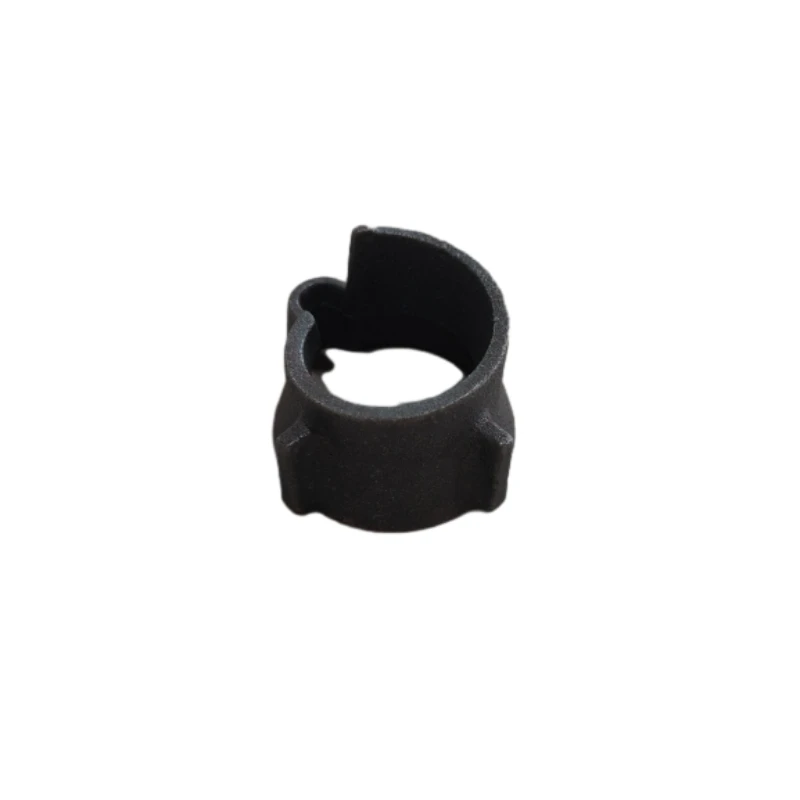
Put simply, a tie rod cone is a conical metal fitting that attaches to a tie rod. Tie rods themselves are long steel bars that hold formwork panels tightly together by passing through them during concrete casting. The cone sits on the ends of these rods and helps distribute the pressure evenly, ensuring the form doesn’t bulge or shift under the weight of wet concrete.
This component directly ties into modern construction methods, especially the use of reusable formwork systems, greatly reducing waste and speeding up building times. Beyond just industry, humanitarian projects—such as emergency shelters or water tanks—often need fast, sturdy setups where these cones come in handy.
Key Components and Factors of Tie Rod Cones
1. Durability
Most tie rod cones are made of high-strength steel, often galvanized to resist corrosion. This makes them reliable for repeated use and in harsh environments, from tropical rain to freezing temperatures.
2. Compatibility
The cone's design must align perfectly with the diameter and thread pitch of the tie rod. Mismatched components cause form instability, so manufacturers standardize these sizes to ensure broad usability.
3. Cost Efficiency
Given their small size but crucial role, tie rod cones are affordable components that help save budgets by enabling formwork reuse and reducing on-site labor hours.
4. Ease of Installation
Typically, tie rod cones are designed for quick assembly and disassembly, critical for projects under tight deadlines or in remote locations.
5. Safety
Using the appropriate cones reduces leakage of concrete mix and prevents blowouts in formwork, which not only protects workers but also improves overall quality.
In a nutshell, these small cones punch well above their weight by ensuring stability, safety, and efficiency in construction formwork.
Product Specifications Overview
| Specification | Details |
|---|---|
| Material | Galvanized Steel |
| Diameter Compatibility | 12mm, 16mm, 20mm rods |
| Weight | Approx. 0.3 kg per cone |
| Finish | Hot-dipped Galvanized (corrosion resistant) |
| Maximum Load Capacity | Up to 50 kN |
Global Applications & Use Cases of Tie Rod Cone
In massive infrastructure projects—think highways and bridges in Asia, Europe, and the Americas—the tie rod cone ensures formwork holds firm during heavy concrete pours. Imagine the weight of wet concrete pressing outward: without stable cones, walls or pillars might bulge, causing defects or structural risk.
Post-disaster sites benefit greatly too. For instance, in Nepal or the Philippines, NGOs quickly deploy formwork for rebuilding shelters and water tanks, using tie rod cones as key connectors that facilitate fast assembly without compromising safety.
In remote industrial zones, say mining operations in Australia or oil fields in the Middle East, these cones enable modular formwork setups that withstand extreme weather while being easy to transport and maintain.
Globally, tie rod cones are quiet enablers of both rapid construction and durable infrastructure spanning continents and industries.
Advantages & Long-Term Value of Tie Rod Cones
- Cost-Effectiveness: Enables reuse of formwork, reducing overall material costs.
- Sustainability: Galvanized steel cones last longer, cutting down waste and replacements.
- Safety: Reduces risk of formwork failure, protecting workers and end-users.
- Reliability: Standardized sizes ensure quick assembly and consistent quality.
- Innovation: Allows integration with digital monitoring tools for construction quality control.
- Social Impact: Facilitates speedy disaster response housing, preserving human dignity.
Vendor Comparison: Tie Rod Cone Providers
| Vendor | Material Quality | Price per unit | Lead Time | Global Shipping |
|---|---|---|---|---|
| WRK Formwork | High-grade galvanized steel | $2.50 | 3-5 days | Yes |
| GlobalBolts Inc. | Standard galvanized steel | $1.80 | 7-10 days | No |
| BuildRight Supplies | Premium galvanized and coated | $3.20 | 5-7 days | Yes |
Emerging Trends and Innovations in Tie Rod Cones
Looking ahead, sustainability is driving material innovations. Some manufacturers experiment with epoxy-coated cones combining corrosion resistance with environmental friendliness. Others explore smart tie rod cones embedded with sensors to track stress and load in real-time—a kind of digital transformation for construction hardware.
Automation in assembly is another trend. Robots or mechanized systems can install tie rod cones swiftly on large-scale projects, minimizing human error. Also, green energy construction sites increasingly demand materials that reduce carbon footprints, pushing suppliers to rethink galvanizing processes for lower emissions.
Challenges and Practical Solutions
One limitation is compatibility—mismatched tie rods and cones can cause formwork failures. To counter this, many engineers recommend sourcing complete formwork systems from trusted suppliers or checking technical datasheets carefully. Another challenge is corrosion, especially in marine or tropical climates. Regular inspections and optional coatings help extend lifespan.
Moreover, rapid deployment in remote areas sometimes suffers from supply chain delays. Local sourcing initiatives or modular kits pre-assembled with tie rod cones can assure timely availability.
FAQ: Your Tie Rod Cone Questions Answered
- What distinguishes a tie rod cone from other formwork accessories?
- It specifically secures the ends of tie rods in formwork, distributing pressure evenly, unlike clamps or brackets that hold panels separately.
- How long do tie rod cones typically last in construction projects?
- With proper maintenance and galvanized finish, tie rod cones can last multiple years and hundreds of reuses before needing replacement.
- Are tie rod cones standardized internationally?
- Yes, most manufacturers follow ISO or ASTM standards for sizing and strength, but always verify specs before purchase.
- Can tie rod cones be used in modular or prefabricated building systems?
- Absolutely. Their versatility makes them part of modular formwork that allows rapid on-site assembly.
- How can NGOs source tie rod cones efficiently for emergency housing?
- Partnering with suppliers offering global shipping and ready-made kits is best; some vendors also provide consultancy for large humanitarian projects.
Conclusion
So, there you have it—tie rod cones may be small, but they’re undeniably significant in today’s fast-growing and safety-conscious construction world. From their durable build to their role in sustainable, efficient workflows, understanding these components can directly impact your project success.
Curious to explore more or source quality tie rod cones for your next build? Visit https://www.wrkformwork.com to discover a range of trusted products and expert advice.
Ultimately, mastering these details means building better—and that’s something the world needs right now.
References
Latest News
-
Adjustable U Jack: Essential Guide to Specifications, Applications & VendorsNewsDec.03,2025
-
Adjustable U Head Jack: Essential Guide to Benefits, Specs & Global UseNewsDec.03,2025
-
What Is an Adjustable U Head? Benefits, Uses & Supplier Comparison in ConstructionNewsDec.03,2025
-
Steel Joint Connector Nut: Essential Fastening Solutions for Modern InfrastructureNewsDec.02,2025
-
Nut Connector: Key Roles, Applications & Innovations in Modern IndustryNewsDec.02,2025
-
Nut Adaptor: A Key Component Bridging Industry Standards and Enhancing Assembly EfficiencyNewsDec.02,2025