Nov . 30, 2025 02:10 Back To List
Tie Rod Shuttering Explained: Global Applications, Benefits & Innovations
The Essentials of Tie Rod Shuttering: A Global Perspective
Whether you’re a seasoned builder or someone getting curious about modern construction, tie rod shuttering is that quiet hero keeping concrete forms stable and safe worldwide. It’s one of those core parts of civil engineering you might overlook — until you realize its impact ripples across infrastructure, disaster relief, and even sustainable development. In real terms, understanding tie rod shuttering not only saves time and money but also boosts safety and environmental responsibility. That’s why having a solid grasp on it is more than a technicality. It’s a global game changer.
Introduction: Why Tie Rod Shuttering Matters Globally
Construction accounts for nearly 38% of global carbon emissions, according to the International Organization for Standardization (ISO). So, innovations and reliable practices around formwork systems, like tie rod shuttering, can influence environmental footprints while enhancing structural integrity. From megacities in Asia expanding skyward to humanitarian agencies rushing to build shelters after disasters, tie rod shuttering is crucial for forming stable concrete structures swiftly.
But here’s the catch: improperly installed formwork can lead to delays, accidents, and cost overruns. The tie rod system addresses these challenges, providing tension and alignment so that once concrete cures, it's structurally sound. In fast-paced projects or remote zones, such reliability is vital.
What Exactly is Tie Rod Shuttering?
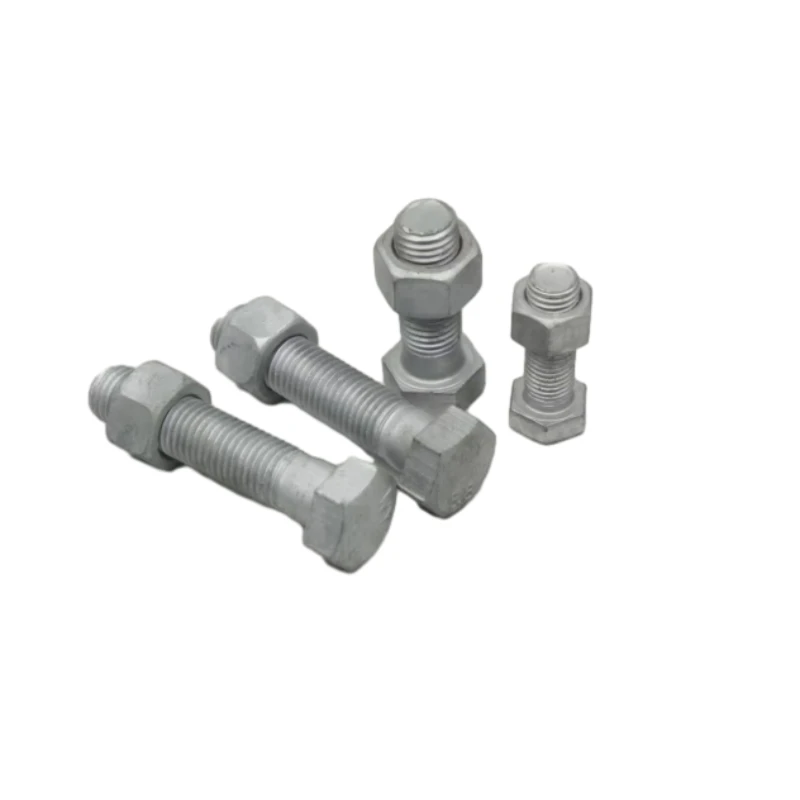
In its simplest form, tie rod shuttering refers to the method of using steel rods to hold up and align concrete formwork panels during pouring and curing. These rods “tie” the opposing shuttering panels, preventing them from bulging under concrete pressure. You could call it the backbone of many formwork assemblies, enabling concrete to set into the intended shape.
Tie rod shuttering isn’t just technical jargon. It ties closely with the growing demands of modern industry — increased project speed, improved safety, and standardized quality — and with humanitarian needs where rapid, durable shelter solutions can make a life-saving difference.
Mini takeaway:
- Tie rod shuttering is a vital system for safely shaping concrete structures in many global projects.
- It offers stability, efficiency, and adaptability for evolving construction demands and humanitarian efforts.
Core Components and Key Factors in Tie Rod Shuttering
1. Durability and Material Strength
The tie rods are usually made of high-tensile steel to withstand immense pressure from wet concrete. This durability is indispensable, especially on large projects where formwork must hold firm for days.
2. Scalability and Flexibility
One of tie rod shuttering’s charms is how it adapts from simple small-wall pours to massive, multi-story concrete structures. Modular shuttering with tied rods means adjustments can be made quickly onsite without compromising safety.
3. Cost Efficiency
Compared to some modern formwork alternatives, tie rod shuttering is relatively low-cost but doesn’t skimp on reliability. It's reusable, reducing waste and expenses in the long run.
4. Ease of Assembly
Many engineers mention how fast tie rod systems allow teams to set up forms. Fast assembly translates into shorter project timelines and often better on-site safety.
5. Compatibility with Various Shuttering Materials
Whether plywood, steel plates, or composite panels, tie rod shuttering systems work seamlessly. This versatility helps projects customize formwork based on local availability and specific engineering demands.
Mini takeaway:
- Choosing quality tie rods and proper design factors heavily into overall project success.
- Flexibility in assembly and materials makes tie rod shuttering a popular choice across industries.
Global Applications and Real-World Use Cases
Tie rod shuttering anchors countless structures worldwide — bridges, tunnels, commercial buildings, and residential housing. For example:
- In post-disaster relief operations in Southeast Asia, rapid-deployment shelters often depend on tie rod shuttering’s quick setup and strong support.
- Remote industrial zones like the mining operations in Australia use tie rod systems for reliability under harsh conditions.
- Urban developments in Europe increasingly implement modular tie rod shuttering to meet stringent building codes and sustainability goals.
Oddly enough, the versatility here is striking — this simple principle adapts across climates, cultures, and engineering challenges.
Advantages and Long-Term Value of Tie Rod Shuttering
- Cost Savings Over Time: The reuse potential of ties and panels reduces material waste and purchase frequency.
- Environmental Impact: Less waste means lowered landfill overflow and reduced CO2 emissions from manufacturing.
- Enhanced Safety: Proper tension from tie rods limits form deformation, preventing structural failures or hazards on-site.
- Social Impact and Innovation: Reliable formwork accelerates projects, directly benefiting communities with quicker infrastructure development.
- Trust and Reliability: Knowing your formwork stands firm makes all the difference to engineers and clients alike.
Product Specification Table: Typical Tie Rod Shuttering System
| Parameter | Specification | Units | Notes |
|---|---|---|---|
| Material | High-Tensile Steel ASTM A615 Gr. 60 | - | Corrosion resistant variants available |
| Diameter | 12-25 | mm | Depends on load requirements |
| Maximum Tensile Load | 500-800 | kN | Usually safety factor of 1.5 applied |
| Length | 0.8 - 3.5 | meters | Custom lengths possible |
| Surface Finish | Galvanized or Black | - | Galvanized preferred for outdoor use |
Vendor Comparison: Leading Tie Rod Shuttering Suppliers
| Vendor | Product Range | Price Range (per unit) | Customization | Lead Time | Global Shipping |
|---|---|---|---|---|---|
| WRK Formwork | Tie rods 12-25mm, galvanized options | $8 - $20 | High | 2-3 weeks | Yes |
| SteelPro Supplies | Standard tie rods 14-20mm | $7 - $15 | Medium | 1-2 weeks | Limited |
| GlobalBuild Tech | Tie rods & formwork systems | $10 - $25 | High | 3-4 weeks | Yes |
The Road Ahead: Future Trends in Tie Rod Shuttering
With sustainability becoming an industry mantra, tie rod shuttering is seeing greener materials and coatings that promise less environmental impact and longer life spans. Also, digital innovations—like 3D scanning and BIM (Building Information Modeling)—are beginning to optimize shuttering design and reduce waste. Automation, via robotic assembly or smart torque monitoring on tie rods, sadly still feels kind of futuristic, but many companies are investing heavily in research here.
It’s safe to say the age-old tension rods of yesterday will soon mingle with smart tech, making construction safer and greener, which is exciting, if a bit strange to those of us who grew up with “analog” formwork.
Challenges and Practical Solutions
One common snag is corrosion, particularly in coastal or humid environments. While galvanizing helps, projects spanning decades must plan for replacements or treatments. Also, tie rod systems sometimes get stuck on “one-size-fits-all” thinking though every project has unique load and climate demands.
Expert engineers suggest thorough site-specific testing and modular designs tailored by exact calculations rather than generic specs. Training onsite teams on proper assembly can vastly reduce human error, too.
Frequently Asked Questions About Tie Rod Shuttering
- Q: How do tie rod shuttering systems affect project timelines?
- A: Tie rod systems typically allow faster setup due to modular parts and lightweight steel rods, cutting form assembly time by up to 30% compared to some rigid systems—saving on labor costs and accelerating pours.
- Q: Can tie rod shuttering be reused on multiple projects?
- A: Absolutely. Tie rods designed with high-grade steel and proper maintenance can be reused dozens of times, making them highly cost-effective and environmentally friendly.
- Q: Are tie rods suitable for all types of concrete structures?
- A: They work best for walls, columns, and flat slabs under uniform pressure. Specialized projects may require alternative formwork systems, but tie rods remain versatile across many standard uses.
- Q: What safety considerations come with tie rod shuttering?
- A: Proper design load checks and routine inspection during concrete pouring are critical. Tie rods must be securely tightened to avoid any bulging or sudden failure that endangers construction workers.
- Q: How do I select the right tie rod diameter?
- A: Diameter choice depends on concrete pressure and formwork size. Consulting load specification charts and an experienced structural engineer helps ensure safety and cost efficiency.
Conclusion: Trusting Tie Rod Shuttering for Long-Term Success
Tie rod shuttering may not be the flashiest construction term you hear, but it’s one of the most dependable tools in our engineering toolbox. Across continents and industries, it quietly guarantees that concrete shapes up right, on time, and within budget. For anyone invested in solid, sustainable infrastructure, knowing this system's ins and outs pays dividends.
If you want to dive even deeper or explore turnkey solutions, do visit our website at https://www.wrkformwork.com. There’s plenty more to discover, and a community of engineers ready to share insights as well.
Mini wrap-up:
- Tie rod shuttering balances strength, speed, and sustainability for global construction needs.
- Its adaptability and cost benefits make it a cornerstone of modern concrete formwork.
- Innovations and expert care continue to enhance its safety and environmental profile.
References:
Latest News
-
Adjustable U Jack: Essential Guide to Specifications, Applications & VendorsNewsDec.03,2025
-
Adjustable U Head Jack: Essential Guide to Benefits, Specs & Global UseNewsDec.03,2025
-
What Is an Adjustable U Head? Benefits, Uses & Supplier Comparison in ConstructionNewsDec.03,2025
-
Steel Joint Connector Nut: Essential Fastening Solutions for Modern InfrastructureNewsDec.02,2025
-
Nut Connector: Key Roles, Applications & Innovations in Modern IndustryNewsDec.02,2025
-
Nut Adaptor: A Key Component Bridging Industry Standards and Enhancing Assembly EfficiencyNewsDec.02,2025