- Phone: +86 132 8320 1810
- Email: annie@wrkgroup.ltd
-
- Afrikaans
- Albanian
- Amharic
- Arabic
- Armenian
- Azerbaijani
- Basque
- Belarusian
- Bengali
- Bosnian
- Bulgarian
- Catalan
- Cebuano
- China
- China (Taiwan)
- Corsican
- Croatian
- Czech
- Danish
- Dutch
- English
- Esperanto
- Estonian
- Finnish
- French
- Frisian
- Galician
- Georgian
- German
- Greek
- Gujarati
- Haitian Creole
- hausa
- hawaiian
- Hebrew
- Hindi
- Miao
- Indonesian
- Italian
- Japanese
- Javanese
- Malay
- Persian
- Portuguese
- Punjabi
- Russian
- Spanish
- Swahili
- Telugu
- Vietnamese

Septemba . 09, 2025 14:02 Rudi kwenye Orodha
Durable Formwork Accessories for Efficient Concrete Projects
Navigating the Evolving Landscape of Formwork Accessories in Modern Construction
The global construction industry is undergoing a significant transformation, driven by demands for increased efficiency, enhanced safety, and sustainable practices. Central to this evolution is the continuous innovation in construction methodologies and the components that enable them. Among these critical components, formwork accessories play an indispensable role, facilitating the precise and robust construction of concrete structures. This segment, crucial for projects ranging from residential buildings to complex infrastructure, is witnessing rapid advancements in materials, design, and application techniques.
Current industry trends indicate a growing preference for lightweight, high-strength materials that offer improved reusability and reduced labor costs. The push for modular and pre-fabricated construction also influences the demand for highly adaptable and easy-to-assemble formwork systems. Furthermore, stringent safety regulations and environmental considerations are driving the adoption of accessories that not only enhance structural integrity but also minimize waste and improve site safety. Digitalization, through Building Information Modeling (BIM) and advanced project management software, is also enabling more accurate planning and deployment of formwork systems, optimizing material usage and construction timelines.
Specifically, the demand for resilient and versatile components like the Formwork Combin Nuts, pivotal in securing formwork panels, is at an all-time high. These elements are not just simple connectors; they are engineered components designed to withstand immense pressures and stresses, ensuring the structural integrity of poured concrete. Their reliability directly impacts project timelines, safety, and the overall quality of the finished concrete structure. As construction projects become more ambitious and complex, the reliance on high-performance formwork accessories will only continue to grow, making their selection and deployment a critical strategic decision for any construction firm.
Technical Specifications: Precision Engineering for Formwork Combin Nuts
Understanding the technical parameters of formwork accessories is paramount for engineers and project managers. The Formwork Combin Nuts, a prime example of advanced formwork components, are meticulously engineered to provide superior clamping force and durability. These nuts are designed to work seamlessly with tie rods, ensuring secure fastening of formwork panels, crucial for maintaining the desired concrete shape during curing.
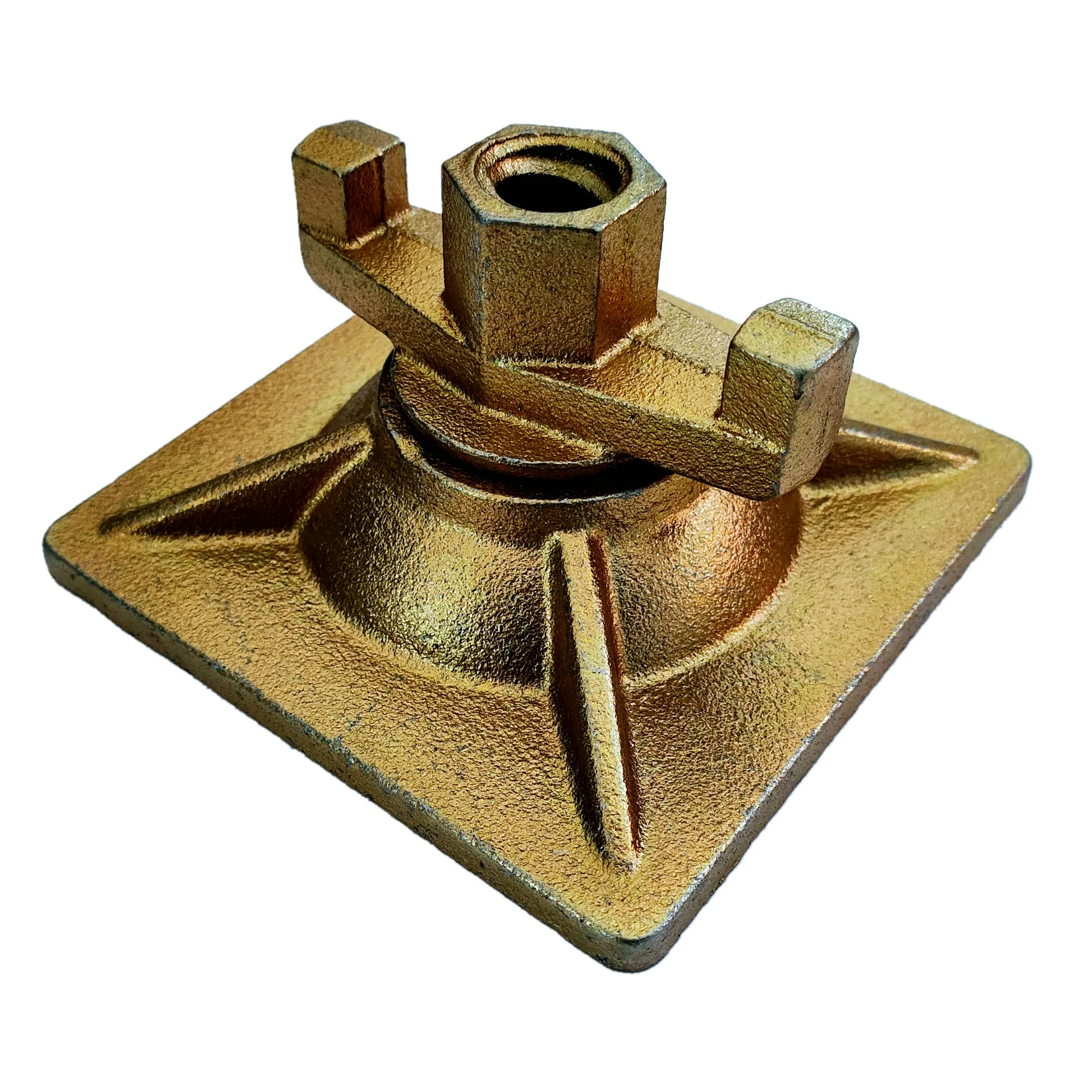
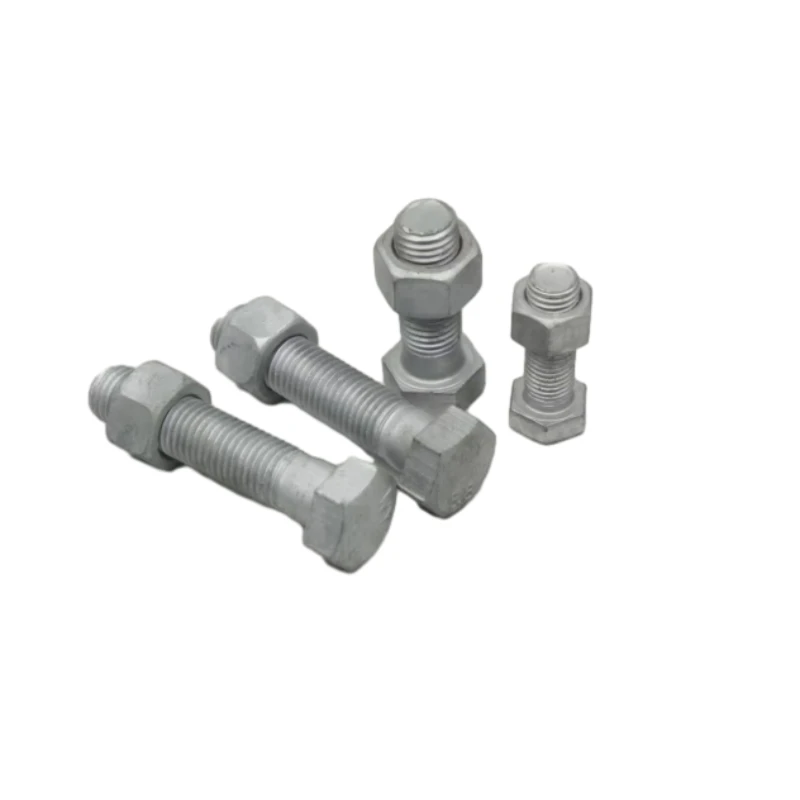
Figure 1: Close-up of Formwork Combin Nuts ensuring secure panel connections.
Key Features and Parameters:
- Material Composition: Typically high-strength cast iron, ductile iron, or forged steel, offering excellent tensile strength and resistance to fatigue. For specific applications requiring enhanced corrosion resistance, galvanized or special alloy variants are available.
- Thread Type: Designed to match standard formwork tie rod threads (e.g., DW15/17mm, DW20/22mm), ensuring universal compatibility and secure engagement.
- Load Capacity: Engineered to withstand significant axial loads, often exceeding 100 kN, crucial for large-scale concrete pours. This is a critical parameter ensuring the integrity of the concrete formwork system under hydrostatic pressure.
- Wing/Flange Design: Ergonomically designed wings or flanges allow for easy manual tightening and loosening, while providing sufficient surface area for even load distribution against the waler or panel.
- Durability & Reusability: Treated for surface hardness and corrosion resistance, extending service life over multiple project cycles, a key factor in reducing long-term project costs.
- Weight: Optimized for strength-to-weight ratio to facilitate handling without compromising performance.
Product Specification Table: Formwork Combin Nuts (WRK Series)
| Parameter | Vipimo | Standard (WRK) |
|---|---|---|
| Nyenzo | Ductile Cast Iron (EN-GJS-400-15) | High Grade |
| Matibabu ya uso | Galvanized (Hot-Dip or Electro) | Standard Galvanized |
| Thread Diameter Compatibility | DW15 (17mm), DW20 (22mm) | DW15 & DW20 |
| Max. Safe Working Load (SWL) | 90 kN - 120 kN (depending on size) | 105 kN (DW15) / 140 kN (DW20) |
| Weight (approx.) | 0.7 kg - 1.5 kg (depending on size) | 0.95 kg (DW15) / 1.4 kg (DW20) |
| Service Life Expectancy | 200+ reuses under proper conditions | ~250 cycles |
| Testing Standard | EN ISO 898-1, EN 74-1 | ISO 898-1 Compliant |
The detailed specifications ensure that these construction formwork accessories not only meet but often exceed the rigorous demands of modern construction projects, providing both safety and economic advantages. Their robust design minimizes failure rates, reducing costly project delays and ensuring consistent structural quality.
Application Scenarios and Industry Benefits
Formwork accessories are ubiquitous across diverse construction sectors, serving as the backbone for concrete pouring operations. Their versatility allows them to be deployed in a myriad of application scenarios, each benefiting from their inherent strength and reliability.
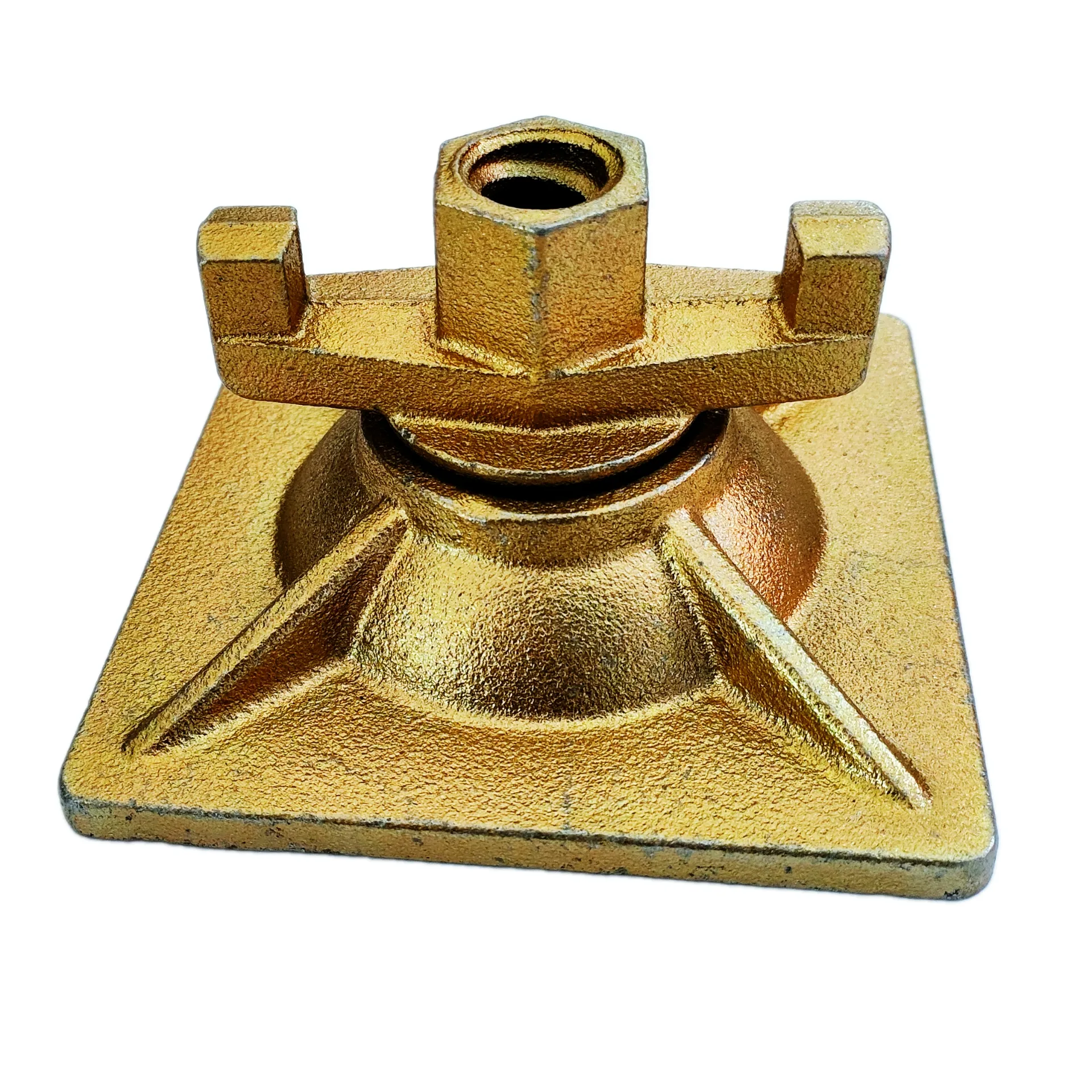
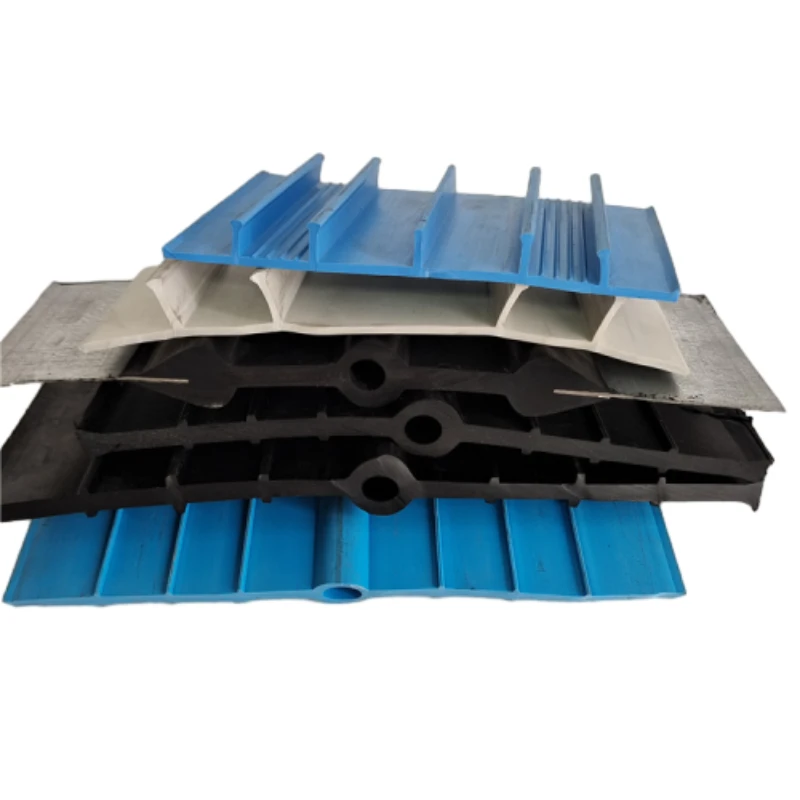
Figure 2: Formwork accessories in action on a large-scale infrastructure project.
Typical Application Scenarios:
- High-Rise Building Construction: Essential for securing vertical concrete formwork for columns, shear walls, and core structures, where precise alignment and high load-bearing capacity are critical.
- Infrastructure Projects: Used extensively in bridges, tunnels, dams, and highway constructions, where large volumes of concrete are poured and structural integrity under dynamic loads is paramount. The robust nature of a formwork rapid clamp, for instance, ensures rapid and secure panel assembly.
- Industrial Facilities: For foundations, retaining walls, and specialized structures in petrochemical plants, metallurgy factories, and water treatment facilities, demanding corrosion resistance and extreme durability.
- Residential and Commercial Developments: Facilitating the construction of slabs, beams, and foundations, ensuring cost-effectiveness and rapid project turnaround.
- Pre-cast Concrete Manufacturing: While formwork for pre-cast elements often differs, robust fasteners are still vital in mold assembly, ensuring dimensionally accurate and high-quality concrete components.
Advantages in Specific Industries:
- Petrochemical Industry: Requires accessories made from materials with superior chemical resistance and structural stability to withstand harsh operating environments and ensure long-term structural integrity of process units and storage facilities. Galvanized formwork accessories are particularly vital here.
- Metallurgy: Construction of heavy-duty foundations and structures for smelters and rolling mills demands accessories capable of enduring high thermal stress and extreme loads without material degradation.
- Water Supply & Drainage Systems: For reservoirs, treatment plants, and pipelines, the prevention of concrete leakage and ensuring watertight structures is critical. High-precision concrete steel formwork and corresponding accessories guarantee the necessary accuracy and sealing.
The adaptability and robust performance of modern formwork accessories make them indispensable across these critical industries, directly contributing to the safety, longevity, and economic viability of countless construction endeavors.
Manufacturing Process and Quality Assurance
The production of high-quality formwork accessories, such as Formwork Combin Nuts, involves a series of sophisticated manufacturing steps, each meticulously controlled to ensure consistency and performance. Our commitment to excellence is reflected in our adherence to stringent quality control protocols throughout the entire process.
Process Flow of Formwork Combin Nuts Manufacturing:
-
1. Raw Material Sourcing & Inspection:
High-grade ductile cast iron or forged steel (e.g., Q235, 45# steel) is sourced from certified suppliers. Each batch undergoes rigorous chemical composition analysis (spectrometer testing) and mechanical property tests (tensile strength, yield strength, elongation) to ensure it meets ISO and ANSI standards. This initial step is critical for the product's foundational strength.
-
2. Casting or Forging:
Depending on the design and material, products are either cast or forged.
- Casting: Molten metal is poured into precisely engineered molds. This method is efficient for complex shapes and allows for high volume production.
- Forging: Metal billets are heated and shaped using compressive forces. Forging improves the grain structure of the metal, enhancing its strength, toughness, and fatigue resistance, making it ideal for high-stress applications like a formwork rapid clamp.
-
3. Deburring & Trimming:
Excess material (flash) from casting or forging is removed, and edges are smoothed to ensure safety and proper fit.
-
4. CNC Machining & Threading:
Precision CNC (Computer Numerical Control) machining is employed to achieve exact dimensions and create accurate threads. This ensures seamless compatibility with tie rods and prevents slippage under load, a crucial aspect for any concrete formwork system.
-
5. Heat Treatment (Optional/As required):
Some components may undergo heat treatment processes (e.g., quenching and tempering) to further enhance hardness, strength, and ductility, optimizing their performance and extending their service life.
-
6. Surface Treatment:
Finished products are typically galvanized (hot-dip or electro-galvanized) to provide superior corrosion resistance against moisture, chemicals, and abrasion. This extends the product's lifespan and maintains its aesthetic appeal in harsh construction environments.
-
7. Final Quality Control & Testing:
Each batch undergoes comprehensive final inspection, including visual checks, dimensional verification, thread gauging, and crucial load testing (proof load, ultimate tensile strength). Products must meet or exceed relevant international standards like ISO 9001, EN 74, and local certification requirements. Non-destructive testing (NDT) may also be used for critical components.
-
8. Packaging & Dispatch:
Products are securely packaged to prevent damage during transit and dispatched with appropriate documentation and certification.
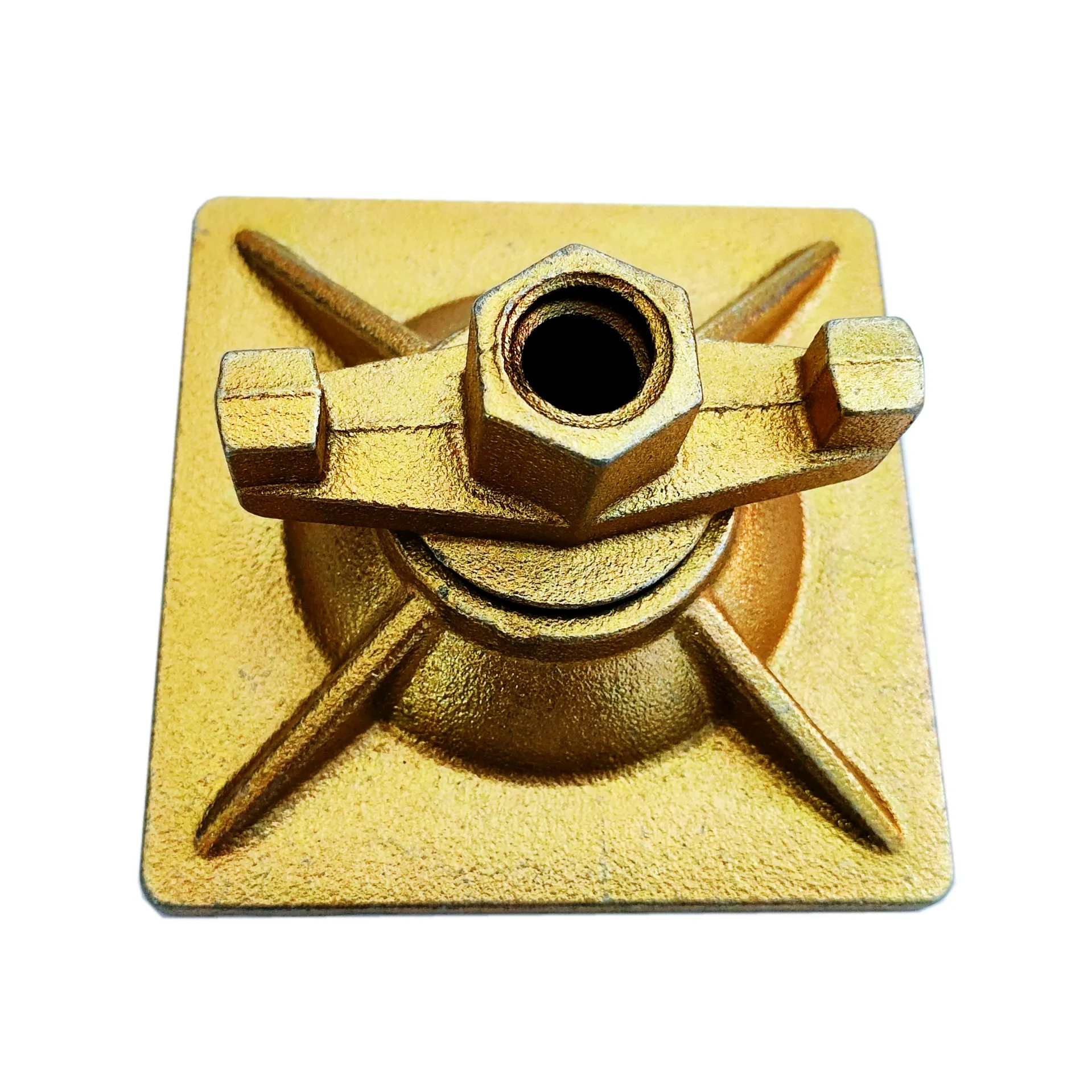
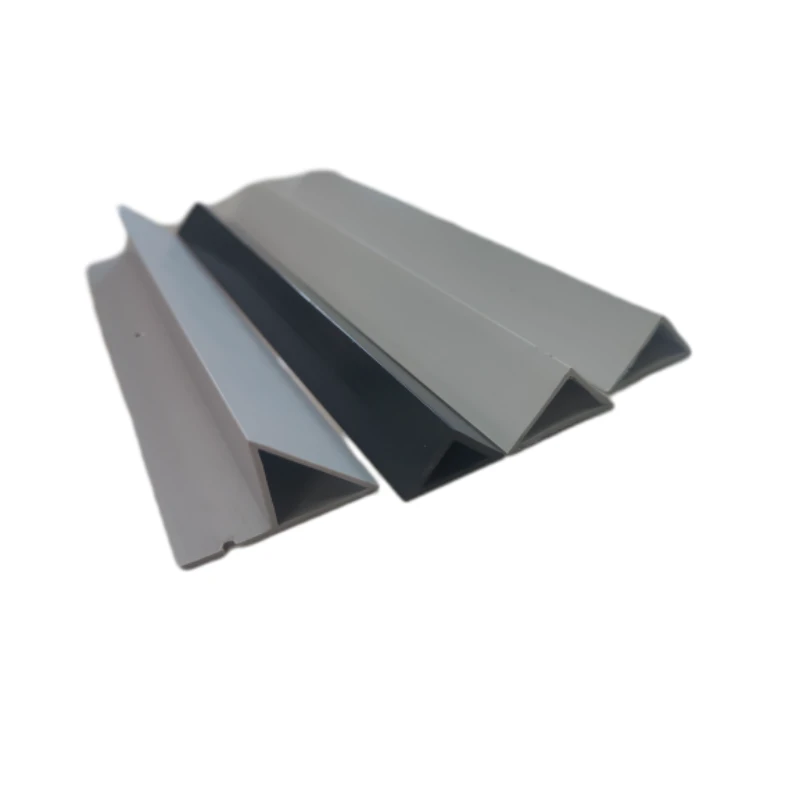
Figure 3: Quality inspection for tensile strength on finished formwork components.
This meticulous process ensures that every formwork accessory leaving our facilities meets the highest standards of quality, safety, and performance, providing our clients with reliable solutions that contribute to project success and longevity.
Technical Advantages and Performance Metrics
The selection of superior formwork accessories offers distinct technical advantages that translate directly into operational efficiency, enhanced safety, and long-term cost savings on construction sites. These advantages are particularly evident when comparing high-grade products with conventional alternatives.
Core Technical Advantages:
- Superior Load-Bearing Capacity: High-quality accessories, especially those manufactured from ductile iron or forged steel, exhibit significantly higher ultimate tensile strength and proof load capacity. This directly contributes to safer operations and allows for larger, more complex concrete pours without risk of formwork failure. For instance, a well-engineered concrete steel formwork system, combined with robust accessories, can withstand hydrostatic pressures upwards of 80 kN/m² without deflection.
- Enhanced Durability and Reusability: Advanced surface treatments like hot-dip galvanization provide exceptional resistance to corrosion, abrasion, and weathering. This extends the service life of components to hundreds of reuse cycles, drastically reducing replacement costs and environmental impact. Test data shows galvanized nuts retaining over 95% of their initial load capacity after 150 cycles in harsh conditions, compared to non-galvanized counterparts which may show significant degradation after 50 cycles.
- Precision and Fit: CNC machined threads and precise dimensional tolerances ensure perfect alignment and secure engagement with tie rods and other formwork components. This eliminates play, prevents concrete seepage, and results in smoother, more aesthetically pleasing concrete finishes, reducing post-pour rectification work.
- Ease of Installation and Removal: Ergonomic designs, such as multi-winged nuts or easy-grip clamps (like a formwork rapid clamp), facilitate quick and efficient assembly and disassembly. This directly reduces labor time and costs, enhancing overall project productivity. Studies indicate that optimized accessory designs can reduce assembly time by 15-20% compared to traditional threaded connections.
- Safety Compliance: Products manufactured under strict ISO and EN standards are rigorously tested to meet safety coefficients, providing peace of mind for site managers and workers. This minimizes the risk of catastrophic formwork collapse, protecting personnel and property.
Performance Comparison: WRK Formwork Combin Nut vs. Standard Market Alternatives
| Feature/Metric | WRK Formwork Combin Nut | Standard Market Alternative |
|---|---|---|
| Material Grade | Ductile Cast Iron (EN-GJS-400-15) | Grey Cast Iron (EN-GJL-200) |
| Ultimate Tensile Strength (UTS) | ≥ 400 MPa | ≤ 250 MPa |
| Surface Protection | Hot-Dip Galvanized (ASTM A153) | Electro-Galvanized or Paint |
| Corrosion Resistance (Salt Spray Test) | > 500 hours | ~ 96-200 hours |
| Estimated Reusability Cycles | 250-300+ | 50-100 |
| Manufacturing Precision (Thread Tolerance) | ISO Class 6g (CNC machined) | Commercial Grade (cut/rolled) |
| Safety Factor | 3.0 : 1 (based on SWL) | 2.0 : 1 or lower |
This comparison highlights the significant performance gap between premium construction formwork accessories and their lower-grade counterparts. Investing in higher quality components yields substantial long-term benefits in safety, durability, and operational efficiency, ultimately contributing to a more sustainable and economically viable construction project.
Customized Solutions and Vendor Collaboration
Modern construction projects often present unique challenges that standard off-the-shelf formwork accessories may not fully address. Recognizing this, leading manufacturers offer bespoke design and production services, enabling clients to procure specialized solutions tailored to their specific project requirements.
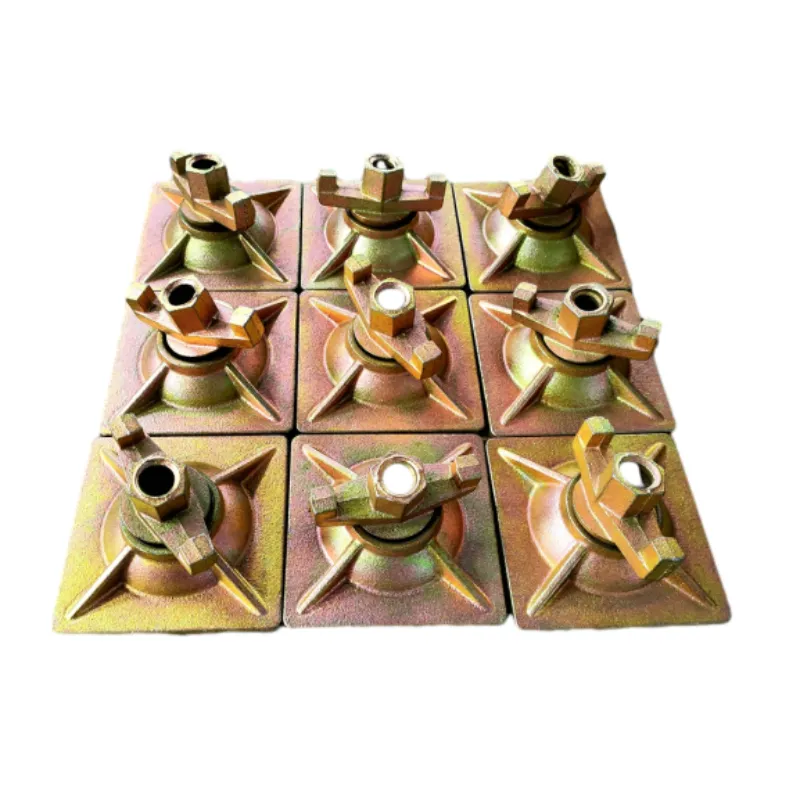
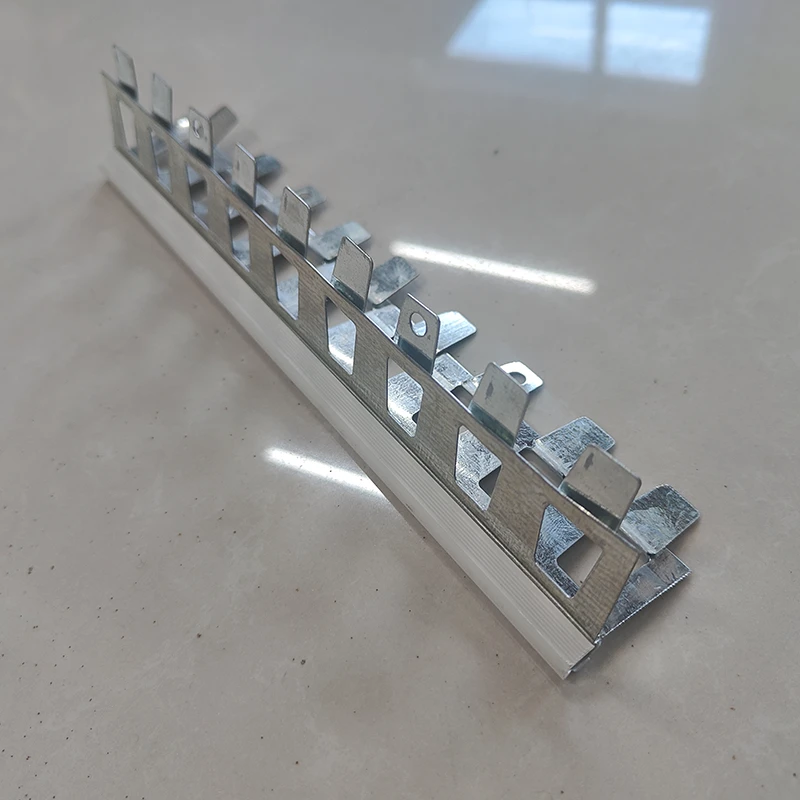
Figure 4: A diverse range of formwork accessories ready for deployment.
Tailored Solutions for Unique Projects:
- Material Adaptation: For projects in extreme environments (e.g., marine, high-temperature, or chemical exposure), accessories can be manufactured from specialized alloys, stainless steel, or composites with enhanced corrosion or heat resistance.
- Custom Dimensions & Geometry: Non-standard formwork systems or specific structural details may require custom-sized tie rods, nuts, or clamps. Manufacturers can develop precise components to integrate seamlessly with unique formwork designs.
- Load-Bearing Optimization: For exceptionally heavy concrete sections or high-stress points, custom accessories can be designed with increased material thickness, modified thread profiles, or enhanced heat treatments to achieve higher safety factors.
- Rapid Prototyping & Testing: Utilizing advanced CAD/CAM and finite element analysis (FEA), custom designs can be rapidly prototyped and rigorously tested under simulated conditions to validate performance before full-scale production.
Vendor Comparison and Selection Criteria:
Choosing the right vendor for formwork accessories is a strategic decision that impacts project success. Key criteria for vendor evaluation include:
- Certifications and Compliance: Verify adherence to international standards (e.g., ISO 9001 for quality management, EN 74 for couplers, relevant ASTM/DIN standards for materials).
- Manufacturing Capabilities: Assess whether the vendor utilizes advanced manufacturing techniques like CNC machining, forging, and robust quality control systems.
- Customization & R&D: A vendor's ability to provide tailored solutions and invest in research and development indicates their capacity for innovation and responsiveness to client needs.
- Track Record & Client Testimonials: Review past projects, client feedback, and long-standing partnerships as indicators of reliability and performance. WRK Formwork, for example, boasts over 20 years of specialized experience, serving major construction groups globally.
- Logistics & Supply Chain: Evaluate lead times, inventory management, and global distribution capabilities to ensure timely delivery, especially for large or critical projects.
- Technical Support & After-Sales Service: Comprehensive technical assistance, installation guidance, and responsive after-sales support are invaluable for complex projects.
Partnering with a reputable and experienced manufacturer ensures access to not just high-quality products but also expert guidance and tailored solutions that optimize construction efficiency and safety.
Case Studies & Customer Success Stories
Real-world application demonstrates the tangible benefits of high-performance formwork accessories. Here are examples showcasing their impact across diverse projects.
Case Study 1: High-Rise Residential Tower, Metropolis City
Challenge: Construction of a 45-story residential tower required rapid pour cycles for core walls and floor slabs, demanding exceptionally durable and reliable concrete formwork and tying systems to manage high hydrostatic pressures and maintain tight tolerances.
Solution: The contractor deployed WRK Formwork's Formwork Combin Nuts and heavy-duty tie rods. The galvanization ensured protection against frequent rain and humid conditions, while the high load capacity (SWL of 105 kN per nut) provided the necessary safety margin for rapid concreting.
Outcome: The project achieved an average of 4-day pour cycles per floor, completing the structural frame ahead of schedule. Post-tensioning and de-shuttering were seamless, with minimal concrete seepage, resulting in reduced rework and a superior surface finish. Customer feedback highlighted the ease of handling and the consistent performance of the formwork accessories, which significantly contributed to labor efficiency.
Case Study 2: Coastal Bridge Construction, Marine Environment
Challenge: Building a new bridge across an estuary presented severe challenges due to constant exposure to saline water, high humidity, and strong winds. Standard formwork components experienced rapid corrosion and premature failure, jeopardizing project timelines and safety.
Solution: Specialized hot-dip galvanized construction formwork accessories, including combin nuts and wing nuts, with enhanced zinc coating thickness were supplied. These bespoke components were designed to withstand the highly corrosive marine atmosphere and maintain structural integrity over the project's multi-year duration.
Outcome: The customized accessories demonstrated exceptional corrosion resistance, showing no significant signs of degradation even after extensive exposure. This ensured uninterrupted operations, eliminated the need for frequent replacements, and kept the project on track and within budget. The project engineers specifically praised the robust material and surface treatment of the formwork accessories.
Case Study 3: Industrial Plant Foundation, Heavy Machinery Installation
Challenge: Pouring massive concrete foundations for heavy industrial machinery required extremely rigid formwork capable of resisting immense concrete pressure from deep pours, along with vibration from adjacent construction activities. Any movement would compromise the precise alignment needed for machinery installation.
Solution: The project utilized heavy-duty concrete steel formwork panels secured by large diameter (DW20) Formwork Combin Nuts and high-strength tie rods. The combin nuts were specifically chosen for their superior clamping force and ductile iron composition, providing a high safety margin against potential stress fractures.
Outcome: The formwork system remained perfectly stable throughout the complex pours. The resulting foundations exhibited exceptional dimensional accuracy and structural integrity, allowing for the precise installation of multi-ton machinery without hitches. The reliability of the formwork accessories was a key factor in the project's precision and timely completion.
Ensuring Trust and Reliability: FAQs, Warranty, and Support
Building trust in B2B relationships for critical components like formwork accessories extends beyond product quality to encompass transparent communication, robust support, and clear commitments.
Frequently Asked Questions (FAQs):
- Q: What is the expected service life of your Formwork Combin Nuts?
- A: Our Formwork Combin Nuts are designed for exceptional durability. With proper handling, cleaning, and storage, they can be reused for 250-300+ cycles, significantly reducing overall project material costs. Hot-dip galvanization enhances this lifespan by preventing corrosion.
- Q: Are your formwork accessories compatible with international standards?
- A: Yes, all our formwork accessories are manufactured and tested to meet or exceed international standards, including ISO 898-1 for mechanical properties of fasteners and EN 74 for couplers. Our tie rod compatibility (e.g., DW15, DW20) ensures broad interoperability with existing formwork systems globally.
- Q: What is your typical lead time for large orders?
- A: For standard products, our lead time typically ranges from 15-30 days, depending on order volume and current production schedules. For customized solutions, lead times will be provided after design finalization and may range from 30-60 days. We maintain a strategic inventory for common items to facilitate rapid fulfillment.
- Q: Do you offer technical support for product selection and application?
- A: Absolutely. Our team of experienced engineers and technical specialists provides comprehensive support, from initial product selection and design consultation to on-site application guidance. We ensure clients choose the most appropriate formwork accessories for their specific project needs.
Warranty Commitments:
We stand by the quality and performance of our formwork accessories. All WRK Formwork products are covered by a limited warranty against manufacturing defects and material failures under normal use and service for a period of 12 months from the date of purchase. Our warranty ensures that products meet specified technical parameters and quality standards. For detailed terms and conditions, please refer to our official warranty policy document or contact our sales team. We are committed to prompt resolution of any valid warranty claims.
Customer Support and Fulfillment:
- Dedicated Account Management: Each client is assigned a dedicated account manager to streamline communication and ensure personalized service throughout the order lifecycle.
- Global Logistics Network: Leveraging an extensive logistics network, we ensure efficient and reliable delivery to construction sites worldwide. Our fulfillment team manages all aspects from packaging to customs clearance.
- After-Sales Technical Assistance: Post-purchase, our technical team remains available for any operational queries, troubleshooting, or guidance on maximizing the lifespan and performance of our products.
- Feedback Mechanism: We actively solicit customer feedback to continuously improve our products and services, reflecting our commitment to long-term client satisfaction.
Our comprehensive support system is designed to provide B2B clients with the confidence and resources needed to execute their projects successfully, minimizing risks and maximizing return on investment.
References
- "ISO 898-1: Mechanical properties of fasteners made of carbon steel and alloy steel." International Organization for Standardization.
- "EN 74-1: Couplers, spigot pins and baseplates for scaffolding and falsework." European Committee for Standardization.
- "ASTM A153/A153M: Standard Specification for Zinc Coating (Hot-Dip) on Iron and Steel Hardware." ASTM International.
- "Design of Concrete Structures: Eurocode 2 (EN 1992)." European Committee for Standardization.
- "Formwork for Concrete Structures: Design and Practice." American Concrete Institute.
Habari Mpya
-
High Quality Drywall Corner Metal Strip for Perfect Wall EdgesHabariApr.16,2026
-
Corner Metal for Drywall Guide for Perfect Professional EdgesHabariApr.09,2026
-
Comprehensive Guide to Corner Metal Drywall Installation and Material ChoicesHabariApr.07,2026
-
Comprehensive Guide to Corner Metal Bead for Durable Construction ProjectsHabariApr.04,2026
-
Comprehensive Guide to Corner Drywall Metal Installation and SelectionHabariMar.31,2026
-
Understanding Corner Bit Metal Applications and Sourcing for Robust StructuresHabariMar.28,2026
Septemba . 08, 2025 16:38 Rudi kwenye Orodha
Durable Formwork Accessories for Efficient Concrete Projects
Navigating the Evolving Landscape of Formwork Accessories in Modern Construction
The global construction industry is undergoing a significant transformation, driven by demands for increased efficiency, enhanced safety, and sustainable practices. Central to this evolution is the continuous innovation in construction methodologies and the components that enable them. Among these critical components, formwork accessories play an indispensable role, facilitating the precise and robust construction of concrete structures. This segment, crucial for projects ranging from residential buildings to complex infrastructure, is witnessing rapid advancements in materials, design, and application techniques.
Current industry trends indicate a growing preference for lightweight, high-strength materials that offer improved reusability and reduced labor costs. The push for modular and pre-fabricated construction also influences the demand for highly adaptable and easy-to-assemble formwork systems. Furthermore, stringent safety regulations and environmental considerations are driving the adoption of accessories that not only enhance structural integrity but also minimize waste and improve site safety. Digitalization, through Building Information Modeling (BIM) and advanced project management software, is also enabling more accurate planning and deployment of formwork systems, optimizing material usage and construction timelines.
Specifically, the demand for resilient and versatile components like the Formwork Combin Nuts, pivotal in securing formwork panels, is at an all-time high. These elements are not just simple connectors; they are engineered components designed to withstand immense pressures and stresses, ensuring the structural integrity of poured concrete. Their reliability directly impacts project timelines, safety, and the overall quality of the finished concrete structure. As construction projects become more ambitious and complex, the reliance on high-performance formwork accessories will only continue to grow, making their selection and deployment a critical strategic decision for any construction firm.
Technical Specifications: Precision Engineering for Formwork Combin Nuts
Understanding the technical parameters of formwork accessories is paramount for engineers and project managers. The Formwork Combin Nuts, a prime example of advanced formwork components, are meticulously engineered to provide superior clamping force and durability. These nuts are designed to work seamlessly with tie rods, ensuring secure fastening of formwork panels, crucial for maintaining the desired concrete shape during curing.
Figure 1: Close-up of Formwork Combin Nuts ensuring secure panel connections.
Key Features and Parameters:
- Material Composition: Typically high-strength cast iron, ductile iron, or forged steel, offering excellent tensile strength and resistance to fatigue. For specific applications requiring enhanced corrosion resistance, galvanized or special alloy variants are available.
- Thread Type: Designed to match standard formwork tie rod threads (e.g., DW15/17mm, DW20/22mm), ensuring universal compatibility and secure engagement.
- Load Capacity: Engineered to withstand significant axial loads, often exceeding 100 kN, crucial for large-scale concrete pours. This is a critical parameter ensuring the integrity of the concrete formwork system under hydrostatic pressure.
- Wing/Flange Design: Ergonomically designed wings or flanges allow for easy manual tightening and loosening, while providing sufficient surface area for even load distribution against the waler or panel.
- Durability & Reusability: Treated for surface hardness and corrosion resistance, extending service life over multiple project cycles, a key factor in reducing long-term project costs.
- Weight: Optimized for strength-to-weight ratio to facilitate handling without compromising performance.
Product Specification Table: Formwork Combin Nuts (WRK Series)
| Parameter | Vipimo | Standard (WRK) |
|---|---|---|
| Nyenzo | Ductile Cast Iron (EN-GJS-400-15) | High Grade |
| Matibabu ya uso | Galvanized (Hot-Dip or Electro) | Standard Galvanized |
| Thread Diameter Compatibility | DW15 (17mm), DW20 (22mm) | DW15 & DW20 |
| Max. Safe Working Load (SWL) | 90 kN - 120 kN (depending on size) | 105 kN (DW15) / 140 kN (DW20) |
| Weight (approx.) | 0.7 kg - 1.5 kg (depending on size) | 0.95 kg (DW15) / 1.4 kg (DW20) |
| Service Life Expectancy | 200+ reuses under proper conditions | ~250 cycles |
| Testing Standard | EN ISO 898-1, EN 74-1 | ISO 898-1 Compliant |
The detailed specifications ensure that these construction formwork accessories not only meet but often exceed the rigorous demands of modern construction projects, providing both safety and economic advantages. Their robust design minimizes failure rates, reducing costly project delays and ensuring consistent structural quality.
Application Scenarios and Industry Benefits
Formwork accessories are ubiquitous across diverse construction sectors, serving as the backbone for concrete pouring operations. Their versatility allows them to be deployed in a myriad of application scenarios, each benefiting from their inherent strength and reliability.
Figure 2: Formwork accessories in action on a large-scale infrastructure project.
Typical Application Scenarios:
- High-Rise Building Construction: Essential for securing vertical concrete formwork for columns, shear walls, and core structures, where precise alignment and high load-bearing capacity are critical.
- Infrastructure Projects: Used extensively in bridges, tunnels, dams, and highway constructions, where large volumes of concrete are poured and structural integrity under dynamic loads is paramount. The robust nature of a formwork rapid clamp, for instance, ensures rapid and secure panel assembly.
- Industrial Facilities: For foundations, retaining walls, and specialized structures in petrochemical plants, metallurgy factories, and water treatment facilities, demanding corrosion resistance and extreme durability.
- Residential and Commercial Developments: Facilitating the construction of slabs, beams, and foundations, ensuring cost-effectiveness and rapid project turnaround.
- Pre-cast Concrete Manufacturing: While formwork for pre-cast elements often differs, robust fasteners are still vital in mold assembly, ensuring dimensionally accurate and high-quality concrete components.
Advantages in Specific Industries:
- Petrochemical Industry: Requires accessories made from materials with superior chemical resistance and structural stability to withstand harsh operating environments and ensure long-term structural integrity of process units and storage facilities. Galvanized formwork accessories are particularly vital here.
- Metallurgy: Construction of heavy-duty foundations and structures for smelters and rolling mills demands accessories capable of enduring high thermal stress and extreme loads without material degradation.
- Water Supply & Drainage Systems: For reservoirs, treatment plants, and pipelines, the prevention of concrete leakage and ensuring watertight structures is critical. High-precision concrete steel formwork and corresponding accessories guarantee the necessary accuracy and sealing.
The adaptability and robust performance of modern formwork accessories make them indispensable across these critical industries, directly contributing to the safety, longevity, and economic viability of countless construction endeavors.
Manufacturing Process and Quality Assurance
The production of high-quality formwork accessories, such as Formwork Combin Nuts, involves a series of sophisticated manufacturing steps, each meticulously controlled to ensure consistency and performance. Our commitment to excellence is reflected in our adherence to stringent quality control protocols throughout the entire process.
Process Flow of Formwork Combin Nuts Manufacturing:
-
1. Raw Material Sourcing & Inspection:
High-grade ductile cast iron or forged steel (e.g., Q235, 45# steel) is sourced from certified suppliers. Each batch undergoes rigorous chemical composition analysis (spectrometer testing) and mechanical property tests (tensile strength, yield strength, elongation) to ensure it meets ISO and ANSI standards. This initial step is critical for the product's foundational strength.
-
2. Casting or Forging:
Depending on the design and material, products are either cast or forged.
- Casting: Molten metal is poured into precisely engineered molds. This method is efficient for complex shapes and allows for high volume production.
- Forging: Metal billets are heated and shaped using compressive forces. Forging improves the grain structure of the metal, enhancing its strength, toughness, and fatigue resistance, making it ideal for high-stress applications like a formwork rapid clamp.
-
3. Deburring & Trimming:
Excess material (flash) from casting or forging is removed, and edges are smoothed to ensure safety and proper fit.
-
4. CNC Machining & Threading:
Precision CNC (Computer Numerical Control) machining is employed to achieve exact dimensions and create accurate threads. This ensures seamless compatibility with tie rods and prevents slippage under load, a crucial aspect for any concrete formwork system.
-
5. Heat Treatment (Optional/As required):
Some components may undergo heat treatment processes (e.g., quenching and tempering) to further enhance hardness, strength, and ductility, optimizing their performance and extending their service life.
-
6. Surface Treatment:
Finished products are typically galvanized (hot-dip or electro-galvanized) to provide superior corrosion resistance against moisture, chemicals, and abrasion. This extends the product's lifespan and maintains its aesthetic appeal in harsh construction environments.
-
7. Final Quality Control & Testing:
Each batch undergoes comprehensive final inspection, including visual checks, dimensional verification, thread gauging, and crucial load testing (proof load, ultimate tensile strength). Products must meet or exceed relevant international standards like ISO 9001, EN 74, and local certification requirements. Non-destructive testing (NDT) may also be used for critical components.
-
8. Packaging & Dispatch:
Products are securely packaged to prevent damage during transit and dispatched with appropriate documentation and certification.
Figure 3: Quality inspection for tensile strength on finished formwork components.
This meticulous process ensures that every formwork accessory leaving our facilities meets the highest standards of quality, safety, and performance, providing our clients with reliable solutions that contribute to project success and longevity.
Technical Advantages and Performance Metrics
The selection of superior formwork accessories offers distinct technical advantages that translate directly into operational efficiency, enhanced safety, and long-term cost savings on construction sites. These advantages are particularly evident when comparing high-grade products with conventional alternatives.
Core Technical Advantages:
- Superior Load-Bearing Capacity: High-quality accessories, especially those manufactured from ductile iron or forged steel, exhibit significantly higher ultimate tensile strength and proof load capacity. This directly contributes to safer operations and allows for larger, more complex concrete pours without risk of formwork failure. For instance, a well-engineered concrete steel formwork system, combined with robust accessories, can withstand hydrostatic pressures upwards of 80 kN/m² without deflection.
- Enhanced Durability and Reusability: Advanced surface treatments like hot-dip galvanization provide exceptional resistance to corrosion, abrasion, and weathering. This extends the service life of components to hundreds of reuse cycles, drastically reducing replacement costs and environmental impact. Test data shows galvanized nuts retaining over 95% of their initial load capacity after 150 cycles in harsh conditions, compared to non-galvanized counterparts which may show significant degradation after 50 cycles.
- Precision and Fit: CNC machined threads and precise dimensional tolerances ensure perfect alignment and secure engagement with tie rods and other formwork components. This eliminates play, prevents concrete seepage, and results in smoother, more aesthetically pleasing concrete finishes, reducing post-pour rectification work.
- Ease of Installation and Removal: Ergonomic designs, such as multi-winged nuts or easy-grip clamps (like a formwork rapid clamp), facilitate quick and efficient assembly and disassembly. This directly reduces labor time and costs, enhancing overall project productivity. Studies indicate that optimized accessory designs can reduce assembly time by 15-20% compared to traditional threaded connections.
- Safety Compliance: Products manufactured under strict ISO and EN standards are rigorously tested to meet safety coefficients, providing peace of mind for site managers and workers. This minimizes the risk of catastrophic formwork collapse, protecting personnel and property.
Performance Comparison: WRK Formwork Combin Nut vs. Standard Market Alternatives
| Feature/Metric | WRK Formwork Combin Nut | Standard Market Alternative |
|---|---|---|
| Material Grade | Ductile Cast Iron (EN-GJS-400-15) | Grey Cast Iron (EN-GJL-200) |
| Ultimate Tensile Strength (UTS) | ≥ 400 MPa | ≤ 250 MPa |
| Surface Protection | Hot-Dip Galvanized (ASTM A153) | Electro-Galvanized or Paint |
| Corrosion Resistance (Salt Spray Test) | > 500 hours | ~ 96-200 hours |
| Estimated Reusability Cycles | 250-300+ | 50-100 |
| Manufacturing Precision (Thread Tolerance) | ISO Class 6g (CNC machined) | Commercial Grade (cut/rolled) |
| Safety Factor | 3.0 : 1 (based on SWL) | 2.0 : 1 or lower |
This comparison highlights the significant performance gap between premium construction formwork accessories and their lower-grade counterparts. Investing in higher quality components yields substantial long-term benefits in safety, durability, and operational efficiency, ultimately contributing to a more sustainable and economically viable construction project.
Customized Solutions and Vendor Collaboration
Modern construction projects often present unique challenges that standard off-the-shelf formwork accessories may not fully address. Recognizing this, leading manufacturers offer bespoke design and production services, enabling clients to procure specialized solutions tailored to their specific project requirements.
Figure 4: A diverse range of formwork accessories ready for deployment.
Tailored Solutions for Unique Projects:
- Material Adaptation: For projects in extreme environments (e.g., marine, high-temperature, or chemical exposure), accessories can be manufactured from specialized alloys, stainless steel, or composites with enhanced corrosion or heat resistance.
- Custom Dimensions & Geometry: Non-standard formwork systems or specific structural details may require custom-sized tie rods, nuts, or clamps. Manufacturers can develop precise components to integrate seamlessly with unique formwork designs.
- Load-Bearing Optimization: For exceptionally heavy concrete sections or high-stress points, custom accessories can be designed with increased material thickness, modified thread profiles, or enhanced heat treatments to achieve higher safety factors.
- Rapid Prototyping & Testing: Utilizing advanced CAD/CAM and finite element analysis (FEA), custom designs can be rapidly prototyped and rigorously tested under simulated conditions to validate performance before full-scale production.
Vendor Comparison and Selection Criteria:
Choosing the right vendor for formwork accessories is a strategic decision that impacts project success. Key criteria for vendor evaluation include:
- Certifications and Compliance: Verify adherence to international standards (e.g., ISO 9001 for quality management, EN 74 for couplers, relevant ASTM/DIN standards for materials).
- Manufacturing Capabilities: Assess whether the vendor utilizes advanced manufacturing techniques like CNC machining, forging, and robust quality control systems.
- Customization & R&D: A vendor's ability to provide tailored solutions and invest in research and development indicates their capacity for innovation and responsiveness to client needs.
- Track Record & Client Testimonials: Review past projects, client feedback, and long-standing partnerships as indicators of reliability and performance. WRK Formwork, for example, boasts over 20 years of specialized experience, serving major construction groups globally.
- Logistics & Supply Chain: Evaluate lead times, inventory management, and global distribution capabilities to ensure timely delivery, especially for large or critical projects.
- Technical Support & After-Sales Service: Comprehensive technical assistance, installation guidance, and responsive after-sales support are invaluable for complex projects.
Partnering with a reputable and experienced manufacturer ensures access to not just high-quality products but also expert guidance and tailored solutions that optimize construction efficiency and safety.
Case Studies & Customer Success Stories
Real-world application demonstrates the tangible benefits of high-performance formwork accessories. Here are examples showcasing their impact across diverse projects.
Case Study 1: High-Rise Residential Tower, Metropolis City
Challenge: Construction of a 45-story residential tower required rapid pour cycles for core walls and floor slabs, demanding exceptionally durable and reliable concrete formwork and tying systems to manage high hydrostatic pressures and maintain tight tolerances.
Solution: The contractor deployed WRK Formwork's Formwork Combin Nuts and heavy-duty tie rods. The galvanization ensured protection against frequent rain and humid conditions, while the high load capacity (SWL of 105 kN per nut) provided the necessary safety margin for rapid concreting.
Outcome: The project achieved an average of 4-day pour cycles per floor, completing the structural frame ahead of schedule. Post-tensioning and de-shuttering were seamless, with minimal concrete seepage, resulting in reduced rework and a superior surface finish. Customer feedback highlighted the ease of handling and the consistent performance of the formwork accessories, which significantly contributed to labor efficiency.
Case Study 2: Coastal Bridge Construction, Marine Environment
Challenge: Building a new bridge across an estuary presented severe challenges due to constant exposure to saline water, high humidity, and strong winds. Standard formwork components experienced rapid corrosion and premature failure, jeopardizing project timelines and safety.
Solution: Specialized hot-dip galvanized construction formwork accessories, including combin nuts and wing nuts, with enhanced zinc coating thickness were supplied. These bespoke components were designed to withstand the highly corrosive marine atmosphere and maintain structural integrity over the project's multi-year duration.
Outcome: The customized accessories demonstrated exceptional corrosion resistance, showing no significant signs of degradation even after extensive exposure. This ensured uninterrupted operations, eliminated the need for frequent replacements, and kept the project on track and within budget. The project engineers specifically praised the robust material and surface treatment of the formwork accessories.
Case Study 3: Industrial Plant Foundation, Heavy Machinery Installation
Challenge: Pouring massive concrete foundations for heavy industrial machinery required extremely rigid formwork capable of resisting immense concrete pressure from deep pours, along with vibration from adjacent construction activities. Any movement would compromise the precise alignment needed for machinery installation.
Solution: The project utilized heavy-duty concrete steel formwork panels secured by large diameter (DW20) Formwork Combin Nuts and high-strength tie rods. The combin nuts were specifically chosen for their superior clamping force and ductile iron composition, providing a high safety margin against potential stress fractures.
Outcome: The formwork system remained perfectly stable throughout the complex pours. The resulting foundations exhibited exceptional dimensional accuracy and structural integrity, allowing for the precise installation of multi-ton machinery without hitches. The reliability of the formwork accessories was a key factor in the project's precision and timely completion.
Ensuring Trust and Reliability: FAQs, Warranty, and Support
Building trust in B2B relationships for critical components like formwork accessories extends beyond product quality to encompass transparent communication, robust support, and clear commitments.
Frequently Asked Questions (FAQs):
- Q: What is the expected service life of your Formwork Combin Nuts?
- A: Our Formwork Combin Nuts are designed for exceptional durability. With proper handling, cleaning, and storage, they can be reused for 250-300+ cycles, significantly reducing overall project material costs. Hot-dip galvanization enhances this lifespan by preventing corrosion.
- Q: Are your formwork accessories compatible with international standards?
- A: Yes, all our formwork accessories are manufactured and tested to meet or exceed international standards, including ISO 898-1 for mechanical properties of fasteners and EN 74 for couplers. Our tie rod compatibility (e.g., DW15, DW20) ensures broad interoperability with existing formwork systems globally.
- Q: What is your typical lead time for large orders?
- A: For standard products, our lead time typically ranges from 15-30 days, depending on order volume and current production schedules. For customized solutions, lead times will be provided after design finalization and may range from 30-60 days. We maintain a strategic inventory for common items to facilitate rapid fulfillment.
- Q: Do you offer technical support for product selection and application?
- A: Absolutely. Our team of experienced engineers and technical specialists provides comprehensive support, from initial product selection and design consultation to on-site application guidance. We ensure clients choose the most appropriate formwork accessories for their specific project needs.
Warranty Commitments:
We stand by the quality and performance of our formwork accessories. All WRK Formwork products are covered by a limited warranty against manufacturing defects and material failures under normal use and service for a period of 12 months from the date of purchase. Our warranty ensures that products meet specified technical parameters and quality standards. For detailed terms and conditions, please refer to our official warranty policy document or contact our sales team. We are committed to prompt resolution of any valid warranty claims.
Customer Support and Fulfillment:
- Dedicated Account Management: Each client is assigned a dedicated account manager to streamline communication and ensure personalized service throughout the order lifecycle.
- Global Logistics Network: Leveraging an extensive logistics network, we ensure efficient and reliable delivery to construction sites worldwide. Our fulfillment team manages all aspects from packaging to customs clearance.
- After-Sales Technical Assistance: Post-purchase, our technical team remains available for any operational queries, troubleshooting, or guidance on maximizing the lifespan and performance of our products.
- Feedback Mechanism: We actively solicit customer feedback to continuously improve our products and services, reflecting our commitment to long-term client satisfaction.
Our comprehensive support system is designed to provide B2B clients with the confidence and resources needed to execute their projects successfully, minimizing risks and maximizing return on investment.
References
- "ISO 898-1: Mechanical properties of fasteners made of carbon steel and alloy steel." International Organization for Standardization.
- "EN 74-1: Couplers, spigot pins and baseplates for scaffolding and falsework." European Committee for Standardization.
- "ASTM A153/A153M: Standard Specification for Zinc Coating (Hot-Dip) on Iron and Steel Hardware." ASTM International.
- "Design of Concrete Structures: Eurocode 2 (EN 1992)." European Committee for Standardization.
- "Formwork for Concrete Structures: Design and Practice." American Concrete Institute.
Habari Mpya


