
Habari
-
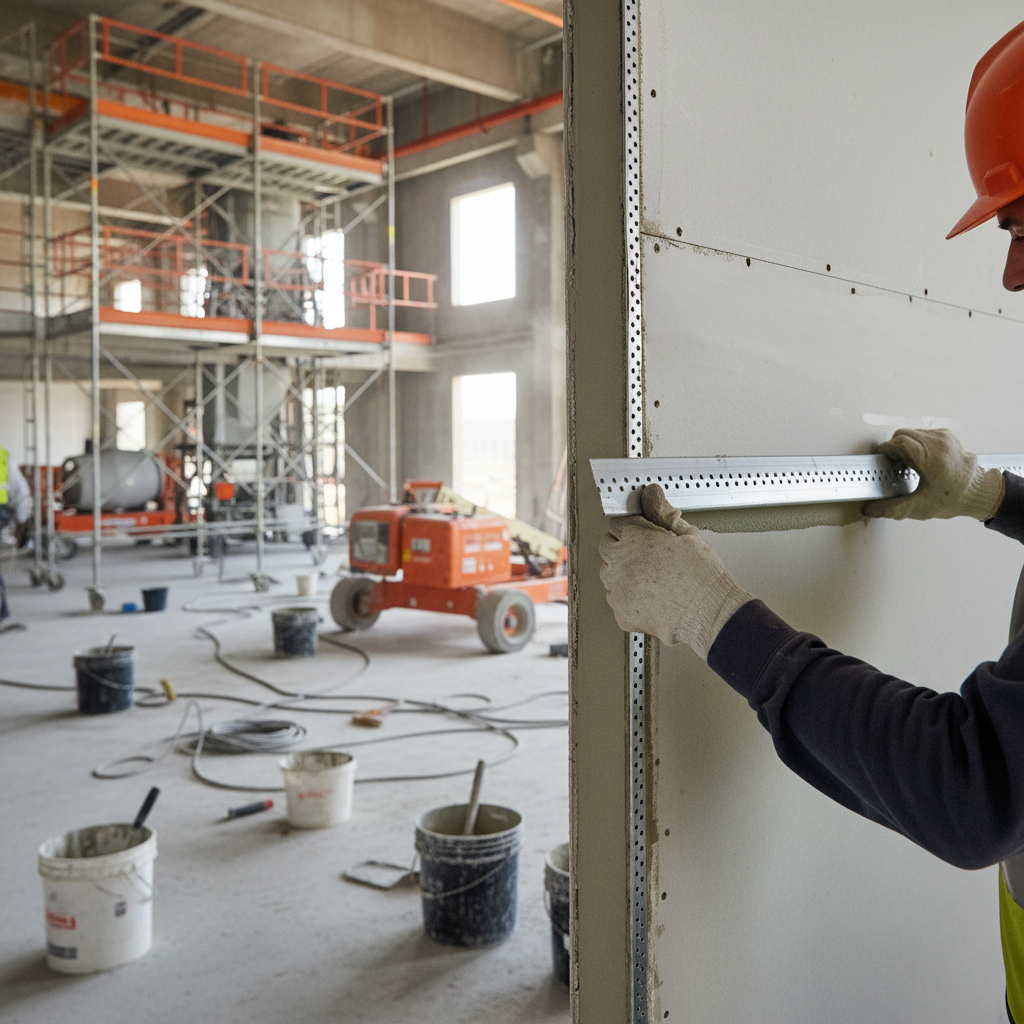
Comprehensive Guide to Aluminum Corner Bead for Drywall Finishing
Aluminum corner bead is a crucial component in drywall finishing, providing a clean and durable edge for both interior and exterior corners. It protects the vulnerable edges of drywall from damage during construction and daily wear and tear. Choosing the right aluminum corner bead can significantly impact the longevity and aesthetic appeal of your projects. This article provides a detailed overview of aluminum corner bead, including its uses, types, installation, benefits, and where to purchase high-quality corner bead. Understanding these aspects will help you select the best corner bead for your specific needs. Aluminum corner bead is a metal strip, typically made of aluminum, with a 90-degree angle. It is embedded in plaster or drywall compound to create a straight, reinforced corner. Unlike plastic corner bead, aluminum provides exceptional durability and is less prone to denting or warping. Its resistance to rust and corrosion makes it suitable for both interior and exterior applications. Using aluminum corner bead ensures a professional-looking finish and minimizes the risk of corner damage, ultimately saving you time and money on repairs.Read more -
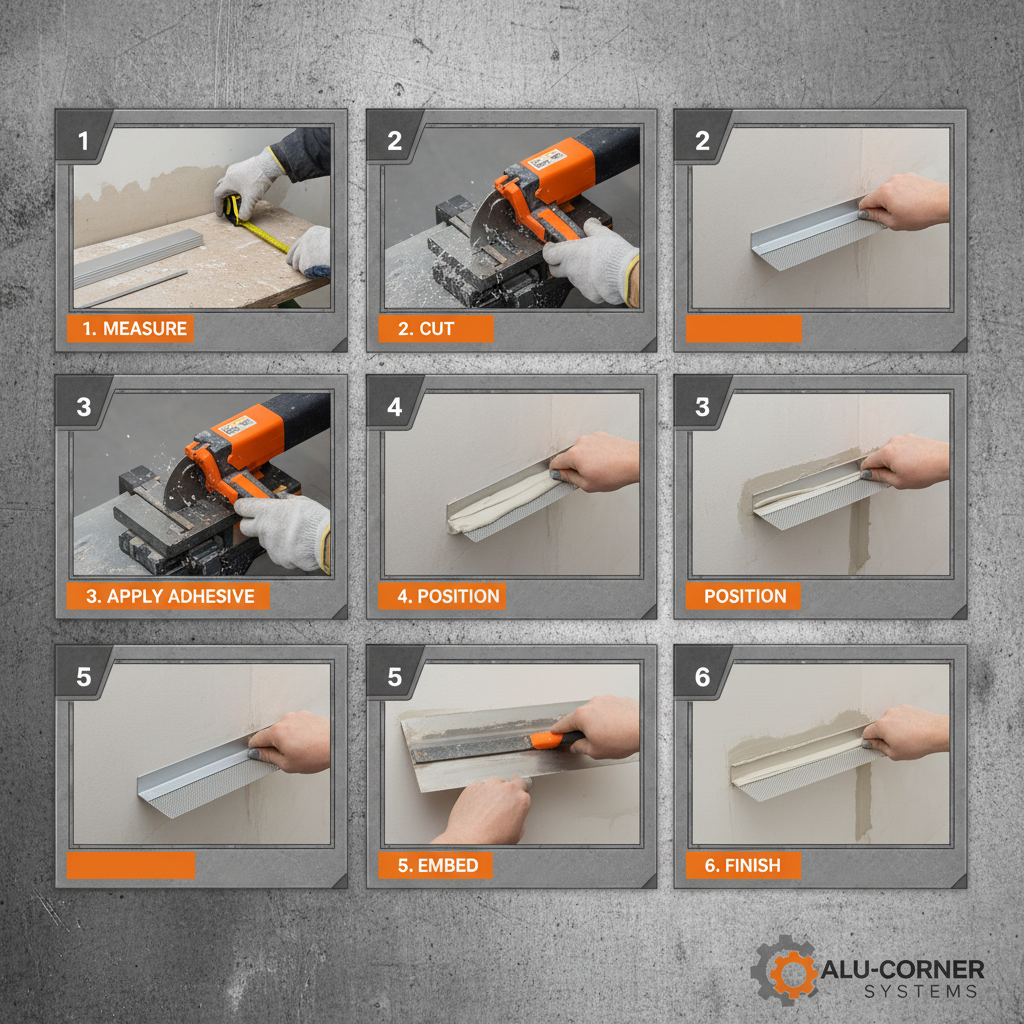
Comprehensive Guide to Aluminium Corner Bead for Professional Plastering
Aluminium corner bead is a vital component in construction and plastering, providing a durable and precise edge for both internal and external corners. This article will explore its uses, benefits, installation, and different types, helping you understand how to best utilise this essential building material. Whether you're a seasoned contractor or a DIY enthusiast, this guide provides the information you need to choose the right aluminium corner bead for your project and ensure a professional finish. It's crucial to select quality corner bead to maintain structural integrity and aesthetic appeal. Aluminium corner bead is a metal profile, typically made of aluminium, designed to protect and finish the exposed edges of plaster, stucco, or rendering. It’s applied to external corners of walls, providing a straight, durable edge.Read more -
Comprehensive Guide to PVC Profile Price Factors and Optimization Strategies
Navigating the world of PVC profiles can be complex, especially when considering price. This article aims to provide a detailed overview of the factors influencing PVC profile price, helping you make informed decisions for your projects. From material quality and dimensions to order volume and supplier location, we'll cover everything you need to know. Understanding these elements is crucial for budgeting accurately and obtaining the best value for your investment. We will explore how WRK Formwork delivers competitive pricing alongside high-quality PVC profiles. Several key factors determine the PVC profile price. The first is the raw material cost of PVC resin, which fluctuates based on global oil prices and demand. Secondly, the complexity of the profile's design impacts the tooling and extrusion costs. More intricate shapes require more specialized dies and potentially slower production speeds. Furthermore, the dimensions of the profile – length, width, and thickness – significantly affect the amount of PVC material used and thus the price.Read more -
WRK Formwork Your Premier PVC Profile Producer for Construction and Beyond
In the dynamic world of construction and manufacturing, the demand for high-quality PVC profiles is constantly growing. These versatile components play a crucial role in diverse applications, from window and door frames to construction formwork and beyond. As a premier PVC profile producer, WRK Formwork is dedicated to providing innovative and reliable solutions to meet the evolving needs of our global clientele. This article explores the benefits of PVC profiles, the key considerations when choosing a producer, and how WRK Formwork stands out as a trusted partner. PVC, or Polyvinyl Chloride, is a highly versatile thermoplastic polymer offering a unique combination of properties that make it ideal for a wide range of applications. These benefits include excellent durability, weather resistance, cost-effectiveness, and ease of installation. Unlike traditional materials like wood or metal, PVC is not susceptible to rot, corrosion, or insect damage, resulting in a longer lifespan and reduced maintenance costs.Read more -
WRK Formwork A Leading PVC Profile Company for Global Construction Needs
In the dynamic world of construction and infrastructure, the demand for high-quality, durable, and versatile PVC profiles is constantly growing. As a leading PVC profile company, WRK Formwork provides innovative solutions for a wide range of applications, including formwork systems, window and door profiles, and decorative elements. This article explores the benefits of PVC profiles, WRK Formwork’s expertise, and why we are the trusted choice for projects globally. We’ll dive into the advantages of choosing a reliable supplier and the applications where our profiles excel. PVC (Polyvinyl Chloride) profiles offer a compelling combination of properties that make them ideal for numerous applications. These include exceptional durability, resistance to corrosion, low maintenance requirements, and cost-effectiveness. Unlike traditional materials like wood or metal, PVC is not susceptible to rot, rust, or insect damage. It’s also a lightweight material, simplifying installation and reducing transportation costs. Furthermore, PVC is environmentally friendly, being recyclable and requiring less energy to produce than many alternative materials.Read more -
Comprehensive Guide to UPVC Window Profiles for Enhanced Home Efficiency
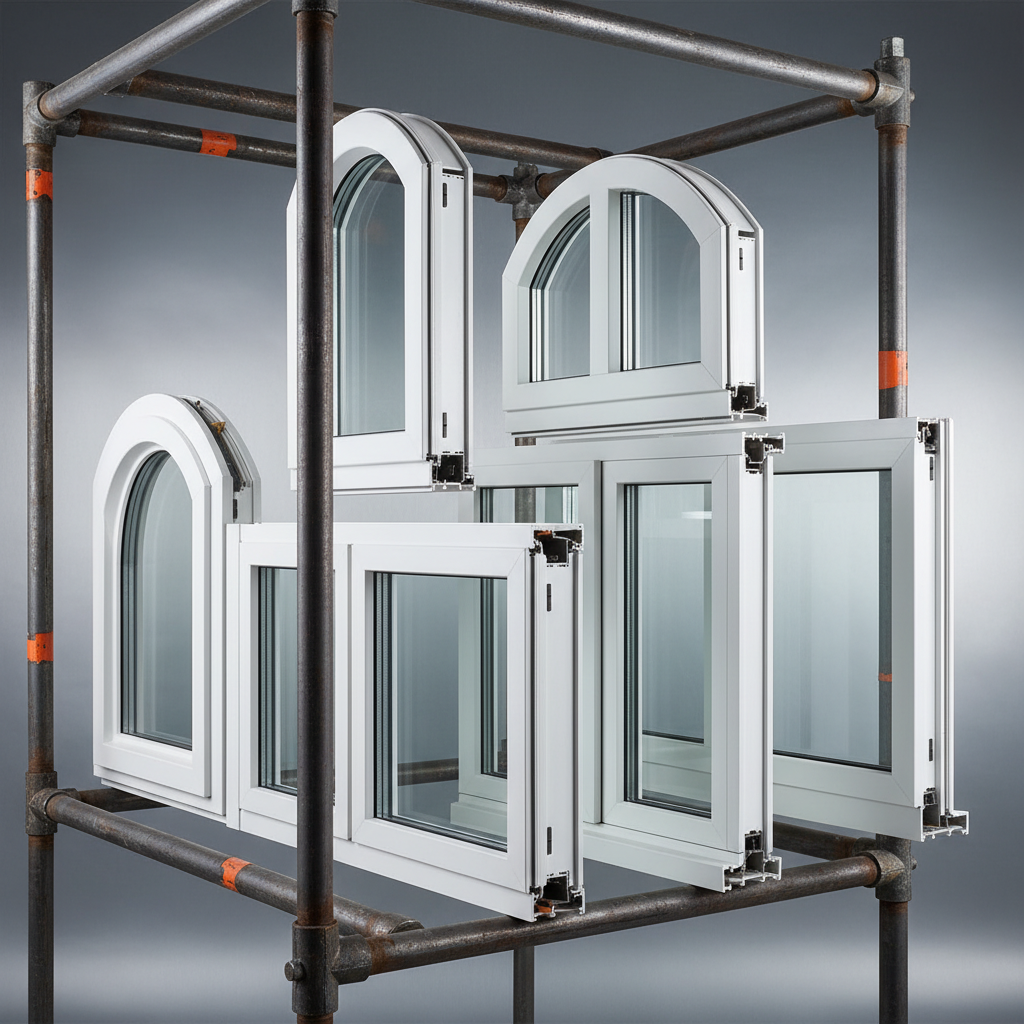
UPVC window profiles are a cornerstone of modern construction, offering a durable, energy-efficient, and cost-effective solution for window framing. Selecting the right profile is crucial for the performance and longevity of your windows. This article will delve into the world of UPVC window profiles, covering their benefits, types, key considerations, and how to choose the best option for your project. We'll explore the factors that make UPVC a superior choice and guide you through the selection process. UPVC (Unplasticized Polyvinyl Chloride) is a rigid plastic that's incredibly versatile and resistant to weathering, corrosion, and impact. UPVC window profiles are extruded shapes used to form the frame of a window. They are designed to hold the glass, hardware, and seals, providing structural integrity and thermal insulation. Unlike traditional materials like wood or metal, UPVC doesn’t require painting, staining, or significant maintenance, making it a long-term, low-cost investment. The benefits include excellent insulation, preventing heat loss and reducing energy bills.Read more -
Comprehensive Guide to Understanding Window Profiles for Enhanced Building Performance
Window profiles are a critical component of any window system, providing structural support, insulation, and aesthetic appeal. Choosing the right window profiles is essential for ensuring energy efficiency, durability, and long-term performance. This article will delve into the various types of window profiles available, their materials, benefits, and applications. We’ll explore how the right profile can impact your building’s comfort and value, and why WRK Formwork offers a diverse range of high-quality solutions. Understanding these intricacies allows informed decision-making for builders, architects, and homeowners alike. Window profiles come in a variety of designs, each suited for specific applications and aesthetic preferences. Common types include Casement Profiles, Sliding Profiles, Tilt-and-Turn Profiles, and Fixed Profiles. The selection of the profile type depends on factors like the desired functionality, architectural style, and energy efficiency requirements. WRK Formwork offers profiles for all these applications, tailored to meet diverse project needs. The material of a window profile significantly impacts its performance, durability, and cost. The most common materials include PVC, Aluminum, Wood, and Composite.Read more -
Comprehensive Guide to Window Profile Extrusion Processes and Material Selection
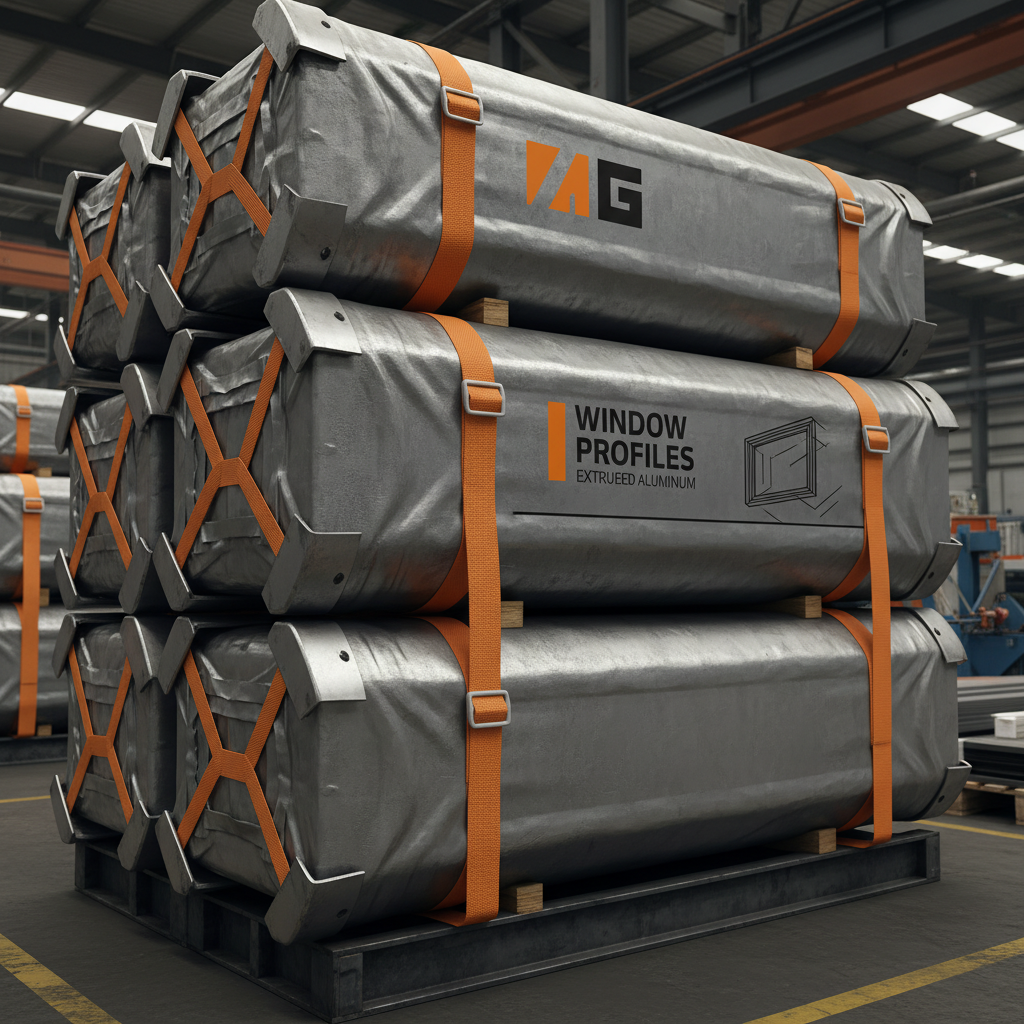
Window profile extrusion is a critical process in the construction and glazing industries, shaping the very frames that house our windows and doors. This process involves forcing a thermoplastic material – typically PVC, uPVC, or aluminum – through a die to create consistent profiles. Understanding this process is vital for architects, builders, and anyone involved in specifying or installing windows. At WRK Formwork, we specialize in high-quality formwork solutions that support precise and efficient extrusion processes. This article will delve into the details of window profile extrusion, its benefits, materials, and common applications. The extrusion process itself involves several key steps. Firstly, raw material – usually in pellet form – is fed into a hopper and then into an extruder. The extruder utilizes a rotating screw to melt and homogenize the plastic. This molten material is then forced through a specifically designed die, which gives the profile its final shape. As the extruded profile emerges, it’s cooled, often using water baths, to solidify it.Read more -
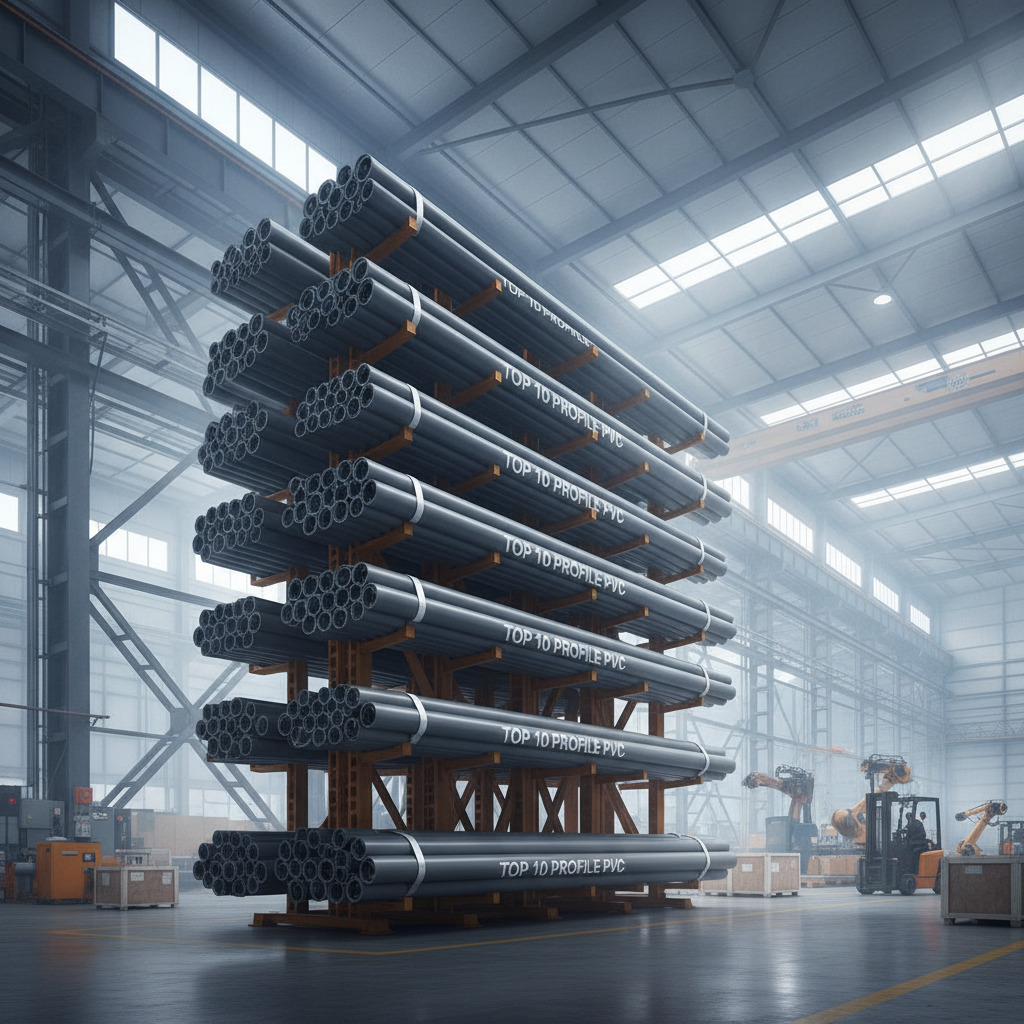
Top 10 Profile PVC A Comprehensive Guide for Global Trade
PVC profiles are essential components in a vast array of industries, from construction and window manufacturing to furniture and healthcare. Selecting the right PVC profile is crucial for ensuring project quality, durability, and cost-effectiveness. This guide explores the top 10 profile PVC options, focusing on their applications and suitability for international trade. We'll delve into key features, benefits, and considerations for sourcing from global suppliers. WRK Formwork provides a comprehensive selection of high-quality PVC profiles for diverse applications. PVC (Polyvinyl Chloride) profiles are extruded shapes made from PVC resin, offering a versatile and cost-effective alternative to traditional materials like wood and metal. They boast excellent resistance to corrosion, moisture, and impact, making them ideal for both indoor and outdoor applications. Common uses include window and door frames, siding, piping, electrical conduits, and decorative trims. Understanding the different types of PVC profiles available – rigid, flexible, and reinforced – is critical for choosing the right solution for a specific project.Read more -
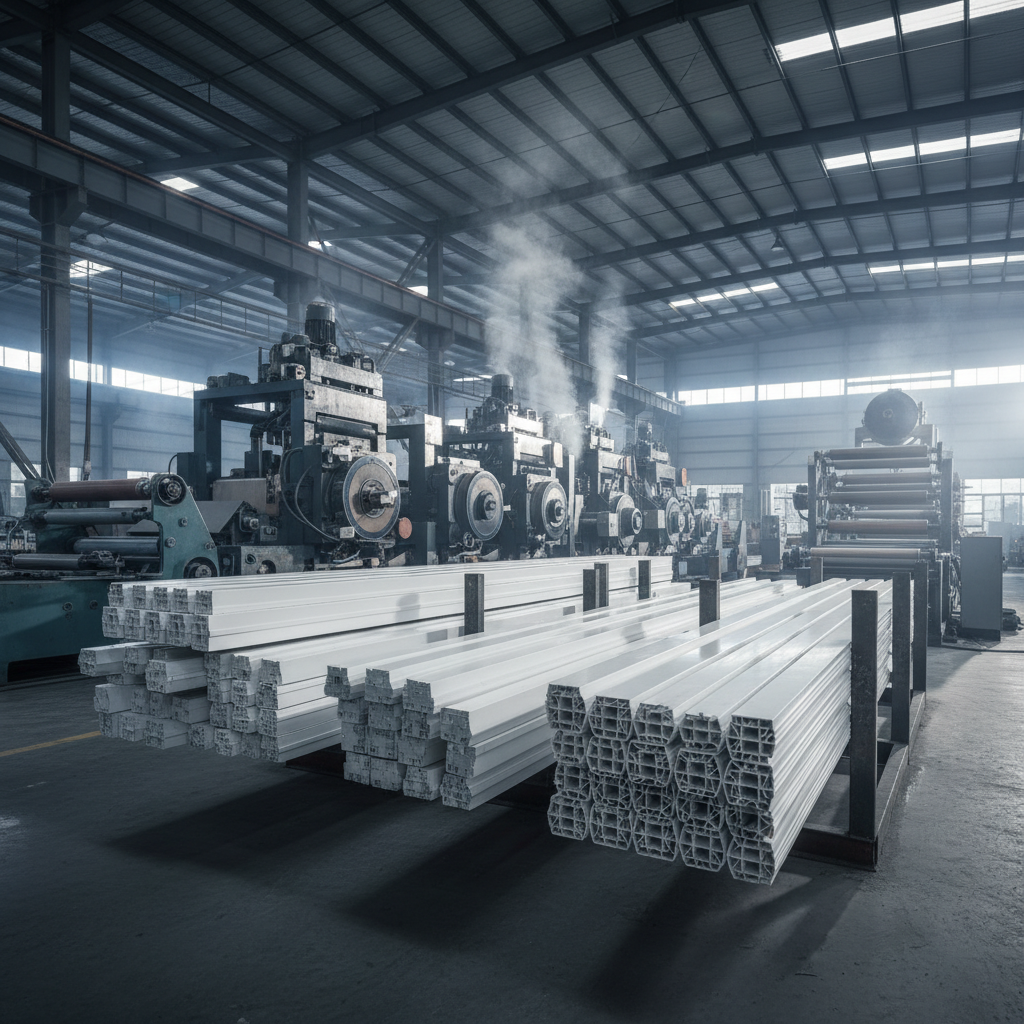
Exploring Standard PVC Profile Applications and Global Trade Considerations
In the world of construction, manufacturing, and beyond, standard PVC profile is a versatile and cost-effective material with a wide range of applications. This article will delve into the characteristics, applications, benefits, and key considerations for sourcing and utilizing standard PVC profiles in international trade. We’ll explore why it's a preferred choice for numerous industries and how to ensure quality and compliance when importing or exporting. Standard PVC profile refers to extruded polyvinyl chloride (PVC) shapes used in a vast array of applications. PVC is a thermoplastic polymer known for its durability, resistance to chemicals, and cost-effectiveness. 'Standard' profiles typically refer to commonly manufactured shapes and sizes, often used in window and door frames, pipes, siding, and various industrial applications. The material is incredibly adaptable, able to be formed into complex shapes while maintaining structural integrity.Read more -
Comprehensive Guide to PVC Profile with Holes Applications and Benefits
PVC profile with holes is a versatile building material widely used in construction, manufacturing, and various industrial applications. Its unique design – a rigid PVC structure featuring strategically placed holes – offers a combination of strength, lightweight properties, and adaptability. This article will explore the key features, applications, benefits, and considerations when choosing PVC profiles with holes, providing a comprehensive guide for professionals and those seeking effective building solutions. Understanding the specifications and potential uses can significantly improve project efficiency and durability. The defining characteristic of this material is, of course, the presence of holes. These aren’t random; they’re often precisely engineered to facilitate various functions. The holes allow for easy insertion of fasteners, wiring, or other components, simplifying assembly and reducing labor costs. PVC itself is known for its inherent resistance to corrosion, chemicals, and weathering, making these profiles suitable for both indoor and outdoor use.Read more -
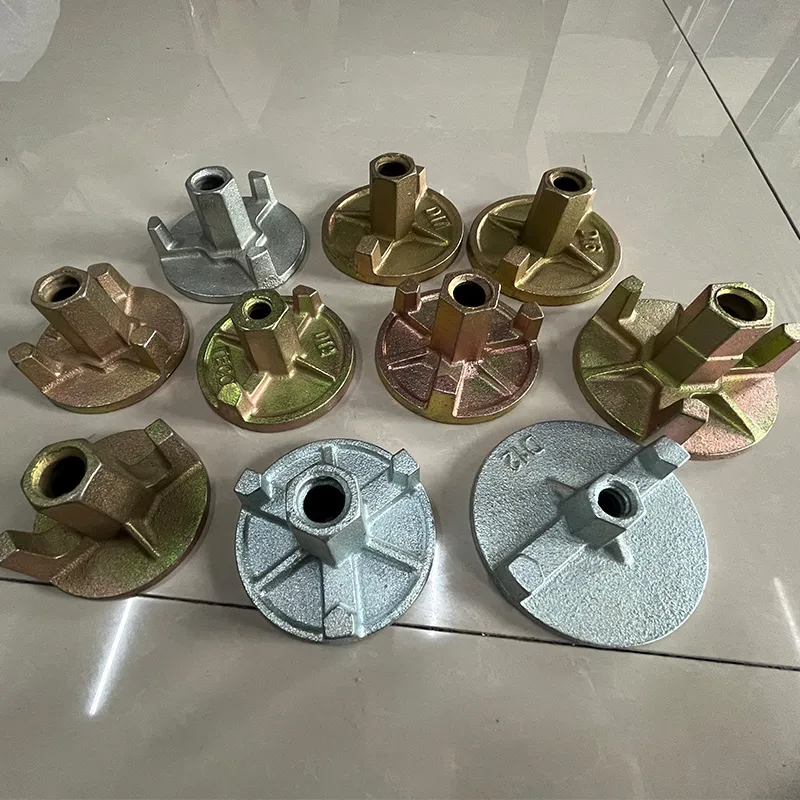 Discover durable construction solutions and secure fastening with Cangzhou World Cup Formwork Tie Nuts. Combining structural stability and cost-effectiveness, ensure quality assurance. Explore now: https://www.wrkformwork.com/formwork-tie-nut.htmlRead more


