Dec . 02, 2025 14:48 Back To List
Comprehensive Guide to Tie Rod Connector: Key to Modern Formwork Solutions
Tie Rod Connector: Essential Element in Modern Construction Systems
If you've ever watched a building rise from the ground up, chances are you've seen—or at least heard about—the humble yet mighty tie rod connector. Not exactly a household term, but these small components play a disproportionately big role in ensuring structural safety and reliability worldwide. From skyscrapers in New York to bridges in Singapore, tie rod connectors keep formwork tight and secure, making sure concrete pours maintain their intended shape until set. Why does that matter? Because a single flaw in formwork can lead to costly delays, safety hazards, or structural failures.
Understanding tie rod connectors is, frankly, crucial not only for engineers but also for anyone interested in construction's global impact—from infrastructure development to disaster relief housing.
Global Context: Why Tie Rod Connectors Matter Now
According to the World Bank, global infrastructure investment needs hit nearly $94 trillion by 2040 to support growing urbanization and climate resilience. Ask yourself—how much of that would falter without reliable formwork systems? Notably, tie rod connectors are at the heart of these formwork systems, holding framework under immense pressure during concrete pours. The ISO even publishes standards that indirectly influence their quality and safety, emphasizing the need for durable, tested components.
In regions prone to natural disasters, the reliability of temporary structures often hinges on formwork integrity supported by tie rod connectors. The challenge? Finding components that are both strong and adaptable for rapid deployment scenarios.
What Is a Tie Rod Connector?
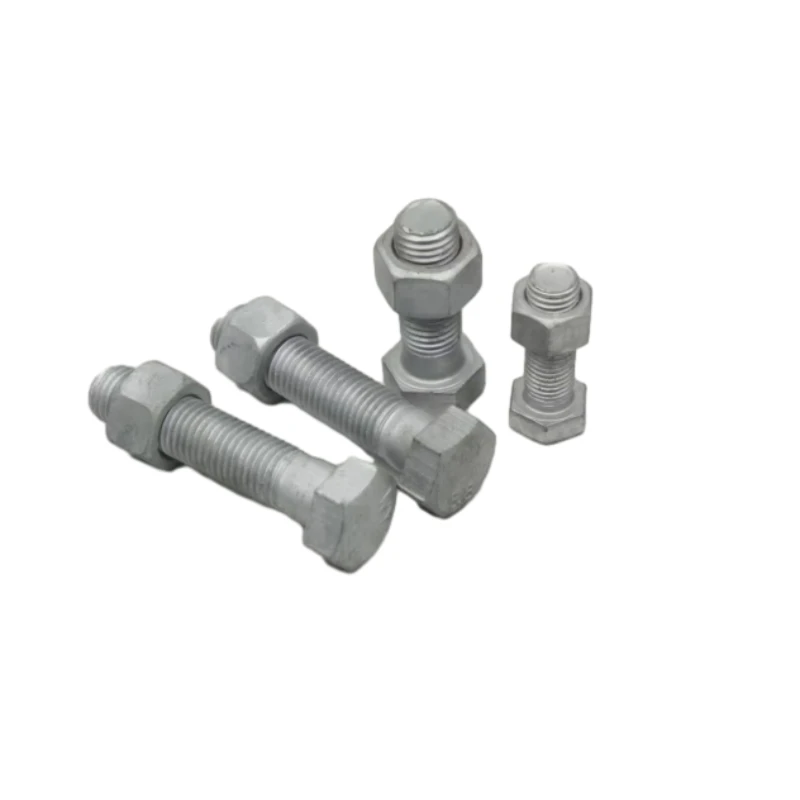
Simply put, a tie rod connector is a component designed to join two parts of formwork securely, allowing tension to keep the framework from bulging or collapsing. Think of it as the skeletal muscle, maintaining tension where concrete threatens to push outward before setting solid. Typically made from steel with corrosion-resistant coatings, these connectors ensure that formwork can withstand both compressive and tensile forces during construction or mold fabrication.
In humanitarian contexts, such as post-disaster reconstruction or emergency housing, tie rod connectors enable modular systems that are quick to assemble and reliable.
Key Factors of Tie Rod Connectors
Durability
Tie rod connectors face severe stress during concrete pours. Their ability to resist corrosion, fatigue, and mechanical wear directly impacts construction safety. Many manufacturers now deploy galvanized or epoxy coatings to extend lifespan.
Load Capacity
The maximum tensile and shear force that a tie rod connector can resist determines its suitability for specific projects. Oversized loads require stronger or specially rated connectors.
Ease of Installation
Fast and secure assembly without specialized tools reduces labor time and cost. Threaded ends, locking nuts, and standard dimensions make connectors user-friendly and compatible across systems.
Cost Efficiency
While reliability is key, budget constraints push manufacturers to balance quality with affordability. Bulk purchasing and standardization help lower costs.
Scalability
Tie rod connectors come in varied sizes and configurations to suit small-scale repairs or massive infrastructure projects. Their modular nature makes scaling construction solutions practical.
Technical Specifications of Common Tie Rod Connectors
| Spec | Typical Value | Notes |
|---|---|---|
| Material | Carbon Steel (Galvanized) | Corrosion resistant coating standard |
| Diameter Range | 12 mm to 32 mm | Varies by manufacturer |
| Max Load Capacity | Up to 500 kN (kiloNewtons) | Depends on size/type |
| Thread Type | Metric or Unified Thread Standard | Ensures compatibility |
| Typical Length | 1 meter to 6 meters | Custom lengths available |
Mini takeaway: The durability and strength of a tie rod connector depend heavily on its material and specifications, which vary widely but generally meet rigorous international standards.
Global Applications & Use Cases for Tie Rod Connectors
Globally, tie rod connectors are staple components in construction formwork across diverse sectors:
- Infrastructure Projects: Roads, bridges, tunnels, especially in Asia and Europe where large-scale construction is booming.
- Residential & Commercial Buildings: Skyscrapers and housing complexes routinely rely on formwork systems supported by these connectors.
- Disaster Relief & Emergency Housing: Organizations like the UN and Red Cross use modular formwork solutions with tie rod connectors for quick and sturdy shelters.
- Industrial Zones: Refineries, power plants, and factories often require complex formwork capable of handling aggressive materials and conditions.
For example, after the 2015 earthquake in Nepal, temporary yet reliable shelters had to be erected quickly. Tie rod connectors enabled the rapid assembly of formwork for concrete structures that would not only withstand weather but also aftershocks.
Vendor Comparison: Popular Tie Rod Connector Suppliers
| Vendor | Range (mm) | Coating | Load Capacity | Approx. Price (per piece) |
|---|---|---|---|---|
| SteelMax | 12–28 | Galvanized | 400 kN | $15 |
| ForgeWorks | 16–32 | Epoxy Coated | 500 kN | $22 |
| FlexTie | 12–24 | Hot-Dip Galvanized | 350 kN | $13 |
Advantages and Long-Term Value of Tie Rod Connectors
So why invest in quality tie rod connectors? The benefits stack up:
- Cost Savings: Reduced failures mean less rework, delays, and waste.
- Sustainability: Corrosion-resistant materials extend service life, lowering replacement rates.
- Safety: Dependable formwork reduces risk of accidents on-site.
- Social Impact: Reliable construction supports communities, emergency shelters, and long-lasting infrastructure.
- Innovation & Trust: Using tested, certified connectors builds confidence in project quality.
Future Trends & Innovations
Looking ahead, the tie rod connector industry is moving in intriguing directions:
- Smart Materials: Sensors embedded in connectors to monitor tension and stress in real time.
- Green Manufacturing: Using recycled steel and environmentally friendly coatings.
- Automated Installation: Robotics reducing manual labor and enhancing precision.
- Hybrid Designs: Composite connectors combining metal and polymers for added strength and flexibility.
These advances align with global pushes for sustainable, resilient infrastructure as per ISO 37101:2016 (Sustainable development in communities).
Common Challenges and Solutions
Despite their critical role, tie rod connectors face some hurdles:
- Corrosion in Harsh Environments: Solution: Advanced coatings and maintenance regimes.
- Supply Chain Inconsistencies: Solution: Lean inventory management and multiple sourcing.
- Compatibility Issues Across Systems: Solution: Adhering to international threading standards.
- Cost Pressures in Developing Regions: Solution: Modular and scalable designs that optimize material use.
FAQ: Your Questions About Tie Rod Connectors Answered
Q1: How do tie rod connectors improve formwork safety?
Tie rod connectors maintain tension between formwork panels, preventing bulging or collapse during concrete pouring. This ensures structural integrity and reduces the risk of accidents caused by formwork failure.
Q2: Are there different types of tie rod connectors for concrete versus other materials?
While most tie rod connectors serve concrete formwork, specialized versions exist for timber or modular plastic formworks, with variations in coating, length, and thread type to suit materials and load conditions.
Q3: Can tie rod connectors be reused?
Yes, quality connectors can be reused multiple times if inspected and maintained properly. Reusability also depends on the project’s stress levels and environmental exposure.
Q4: What standards should I check when purchasing tie rod connectors?
Look for CE marking and compliance with ISO 15931 (concrete formwork and falsework), as well as local building codes to ensure performance and safety.
Q5: How can NGOs source tie rod connectors for rapid construction needs?
NGOs often work with specialized vendors who provide modular formwork kits with integrated tie rod connectors, ensuring fast shipment and easy assembly. Platforms like tie rod connector suppliers can be a good starting point.
Conclusion & Next Steps
Tie rod connectors may not grab headlines, but their influence is profound—keeping formwork intact during critical stages of construction, saving costs, and ensuring safety worldwide. With evolving technologies and global sustainability goals, their role will only expand.
If you’re involved in construction, disaster relief, or infrastructure development, knowing your tie rods from your rebar isn’t just an advantage—it’s essential. For deeper insight and quality products, visit our website: https://www.wrkformwork.com
Mini takeaway: Tie rod connectors—small parts, huge impact.
References
Latest News
-
Adjustable U Jack: Essential Guide to Specifications, Applications & VendorsNewsDec.03,2025
-
Adjustable U Head Jack: Essential Guide to Benefits, Specs & Global UseNewsDec.03,2025
-
What Is an Adjustable U Head? Benefits, Uses & Supplier Comparison in ConstructionNewsDec.03,2025
-
Steel Joint Connector Nut: Essential Fastening Solutions for Modern InfrastructureNewsDec.02,2025
-
Nut Connector: Key Roles, Applications & Innovations in Modern IndustryNewsDec.02,2025
-
Nut Adaptor: A Key Component Bridging Industry Standards and Enhancing Assembly EfficiencyNewsDec.02,2025