Dec . 01, 2025 18:45 Back To List
Comprehensive Guide to Tie Rod Construction Formwork: Basics, Benefits & Future Trends
What Is Tie Rod Construction Formwork and Why Does It Matter Globally?
If you’ve ever wandered through a large building site or glanced at a bridge mid-construction, you might have noticed this maze of rods, panels, and braces holding things in place. Among the unsung heroes of such construction projects is the tie rod construction formwork system—a method that ensures concrete gets its shape and strength without falling apart during the curing phase. Why should this matter to anyone outside construction? Well, globally, the demand for safer, more efficient building techniques is critical. According to the UN’s Global Status Report on Building Materials (2022), construction techniques that reduce waste and improve safety save billions annually and lower carbon footprints. Tie rod systems fit perfectly into this narrative by offering durable, scalable formwork solutions that can adapt to different building scales and geographies. Plus, understanding this system opens doors for engineers, NGOs, and developers seeking reliable formwork options that advance sustainability and faster project delivery. Mini takeaway: Tie rod construction formwork ensures stability and consistency in concrete structures worldwide, playing a silent but vital role in safer, greener construction.The Growing Global Need for Efficient Tie Rod Systems
Construction isn’t getting any simpler. The World Bank reports that global urban populations are increasing at a rate of 1.5% annually, leading to a surge in infrastructure projects ranging from skyscrapers to humanitarian shelters. The problem? Conventional formwork can be heavy, expensive, and time-consuming to set up—sometimes taking weeks to complete a single section of concrete. Enter tie rod construction formwork. This system addresses many bottlenecks: it’s modular, reusable, and adaptable to many designs. Not only does it reduce labor cost and construction time, but it also improves worker safety by minimizing the risk of formwork failure. Whether in booming cities or disaster-prone regions, tie rod formwork acts as a backbone, providing a practical, reliable framework for concrete structures. Mini takeaway: As urbanization accelerates, tie rod construction formwork becomes pivotal in solving challenges related to efficiency, safety, and sustainability.What Exactly Is Tie Rod Construction Formwork?
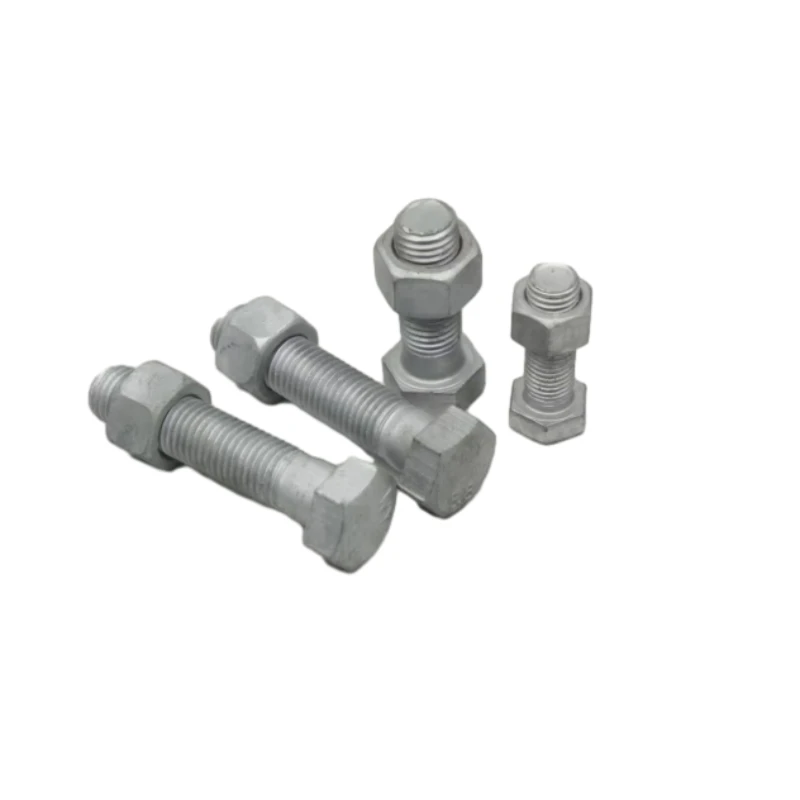
Put simply, tie rod construction formwork is a method that uses steel rods—called tie rods—to hold concrete form panels tightly together while the concrete sets. Think of these rods like sturdy “strings” that prevent the forms from bulging outwards under pressure. This formwork system is essential to modern construction and even critical for humanitarian needs, such as building rapid shelters or robust infrastructure in austere environments. It is favored for its balance between strength and flexibility, allowing construction teams to build vertically, horizontally, or in complex shapes with confidence. In terms of materials, tie rods are usually made from galvanized steel (to resist corrosion), and the formwork panels might be plywood-coated or metal sheets, combining durability and reusability. Mini takeaway: Tie rod construction formwork is a practical, versatile method to shape concrete effectively, especially where durability and speed matter.Core Components and Key Features of Tie Rod Construction Formwork
1. Durability
Tie rods must withstand high tensile pressure as concrete expands during curing. Typically, they’re galvanized to resist rust, which is paramount in tropical climates or salt-exposed environments.2. Scalability and Flexibility
One of the beauties is how easily form panels and rods can be adjusted or reused across projects. Need to build a wall 3 meters high? No problem. A massive pillar? Simple swap panel sizes and reinforce with more ties.3. Cost Efficiency
While initial setup may be pricier than cheap timber formwork, tie rod systems drastically cut down labor, time, and waste, saving money long-term.4. Safety
Unlike traditional snowballing risks from improperly assembled timber, these steel systems bring engineered predictability, lowering collapse chances—very reassuring when working at heights.5. Environmental Impact
Steel and reusable panels reduce single-use waste. Some vendors even incorporate recycled steel, making tie rod formwork an eco-conscious choice. Mini takeaway: The key components emphasize longevity, adaptability, and safety – a triple win that keeps modern construction ticking.Real-World Applications of Tie Rod Construction Formwork
Tie rod construction formwork is everywhere, quietly propping up structures across continents: - Urban High-Rises: In cities like Dubai and Singapore, rapid cycles of concrete pourings demand reliable formwork that won’t buckle under pressure. - Post-Disaster Reconstruction: NGOs use tie rod systems to quickly rebuild schools and hospitals after earthquakes or floods — think of places like Nepal after 2015 or parts of the Philippines. - Remote Industrial Zones: Mining companies in Australia and Canada employ modular tie rod formwork to construct heavy-duty storage silos and processing plants in limited-access areas. - Infrastructure Projects: Bridges and tunnels often require rugged, reusable formwork able to sustain cyclical stresses; tie rod systems fit the bill nicely. One case in point: A non-profit in Kenya built 12 classrooms in a season by leveraging tie rod formwork, cutting build time by 40%. That’s efficiency that transforms hopes into realities. Mini takeaway: Tie rod construction formwork is versatile enough for skyscrapers, shelters, or industrial facilities—worldwide.What’s In It For You? Advantages and Long-Term Value
- Lower Overall Costs: Faster assembly means fewer labor hours and reduced equipment rentals. - Sustainability: Reusable steel parts cut down massive waste common in timber formwork. - Enhanced Safety: Predictable load-bearing reduces accidents and insurance costs. - Quality Assurance: Uniform pressure results in straighter, smoother concrete surfaces. - Social Good Impact: Reliable construction allows NGOs to provide dignified housing faster. Emotionally, this system inspires trust among workers and residents alike. You’re not just building; you’re crafting reliable comfort and safety that lasts decades. Mini takeaway: Tie rod formwork delivers financial, environmental, and social returns far beyond the initial investment.Looking Ahead: Trends Shaping the Future of Tie Rod Construction Formwork
The industry isn’t standing still. Some exciting innovations: - Advanced Materials: Lightweight composites reduce weight without sacrificing strength. - Digital Integration: IoT sensors attached to tie rods are helping track strain, temperature, and curing times remotely. - Automation: Robots are beginning to assemble formwork components on-site, slashing manual labor and human error. - Sustainability Policies: ISO standards increasingly demand recycled content and emissions reductions, pushing vendors to innovate. Tie rod formwork systems of tomorrow will likely be smarter, greener, and even more adaptable for complex modular architectures. Mini takeaway: The fusion of tech, materials, and policy is headed towards safer, sustainable, and data-driven formwork systems.Common Challenges and How to Solve Them
Construction teams sometimes face issues like: - Corrosion Risks: Without proper maintenance, steel rods may rust, weakening the system. - Complex Assembly for Novices: Inexperienced crews might improperly tension rods, risking structural imperfection. - Cost Barriers: Small contractors sometimes hesitate due to upfront expenses for high-quality tie rods and panels. Solutions: - Routine inspections and anti-corrosion coatings help. - Vendor-led training or videos empower crews to assemble correctly. - Leasing or modular purchasing options reduce upfront capital requirements. In essence, challenges are manageable with foresight, partnerships, and ongoing education.Frequently Asked Questions About Tie Rod Construction Formwork
Q1: How long does tie rod construction formwork typically last?A1: With proper care, galvanized tie rods and panels can last 15-20 years or more, especially when stored and maintained properly between projects. Q2: Can tie rod formwork be used for curved concrete surfaces?
A2: Yes! Panels come in flexible options or can be custom fabricated. Tie rods provide the tension needed to hold the shape until curing completes. Q3: Are tie rod systems more expensive than traditional timber formwork?
A3: Initially, yes—steel rods and reusable panels cost more upfront. However, reduced labor, reusability, and better safety often result in lower total costs. Q4: How do NGOs source tie rod construction formwork internationally?
A4: Many rely on global suppliers with export capabilities or local manufacturers who adhere to international standards. Some vendors offer turnkey solutions including training. Q5: What safety considerations should we keep in mind when using tie rod formwork?
A5: Proper tensioning to avoid bulging, regular inspection for corrosion or damage, and trained installation teams are critical to safety.
Product Specifications: Typical Tie Rod Construction Formwork System
| Component | Specification | Typical Use |
|---|---|---|
| Tie Rod (Steel) | Diameter: 16-25 mm, Galvanized, Yield Strength 500 MPa | Securing form panels under pressure |
| Form Panels | Plywood with phenolic overlay, 18-21 mm thick | Concrete shaping surfaces |
| Wedges & Clamps | High-strength steel, corrosion-resistant coating | Tensioning and locking tie rods |
| Spreaders | Steel tubes, adjustable lengths 150-500 mm | Maintaining form panel alignment |
Vendor Comparison: Leading Tie Rod Construction Formwork Suppliers
| Supplier | Product Range | Geographic Availability | Special Features | Price Level |
|---|---|---|---|---|
| FormBuild Inc. | Standard and Custom Systems | Global (40+ countries) | Quick-lock wedges, eco-friendly panels | Mid-Range |
| TieRod Solutions Ltd. | Modular Systems with IoT Tracking | North America, Europe | Integrated sensor technology | Premium |
| GlobalFormTech | Broad Product Lines with Rental Options | Asia-Pacific & Middle East | Flexible rental and leasing plans | Economical |
Wrapping It Up: Why Tie Rod Construction Formwork Is Here to Stay
To put it plainly, tie rod construction formwork isn’t just the nuts and bolts behind concrete shapes — it’s a cornerstone for safer, faster, and more sustainable building worldwide. Its impact touches everything from skyscraper skylines to humble classrooms in remote villages. For engineers, architects, construction managers, and humanitarian agencies, mastering tie rod systems translates to smarter projects, better budgets, and a legacy of structures built to last. Curious to learn more or source your own tie rod construction formwork system? Don’t hesitate to visit tie rod construction formwork for comprehensive resources and vendor connections. --- ### References 1. UN Environment Programme (2022). “Sustainable Building Materials and Construction.” 2. World Bank (2023). “Urban Population Growth and Infrastructure Demand.” 3. ISO (International Organization for Standardization). “Standards on Steel Formwork Systems,” 2021.Latest News
-
Adjustable U Jack: Essential Guide to Specifications, Applications & VendorsNewsDec.03,2025
-
Adjustable U Head Jack: Essential Guide to Benefits, Specs & Global UseNewsDec.03,2025
-
What Is an Adjustable U Head? Benefits, Uses & Supplier Comparison in ConstructionNewsDec.03,2025
-
Steel Joint Connector Nut: Essential Fastening Solutions for Modern InfrastructureNewsDec.02,2025
-
Nut Connector: Key Roles, Applications & Innovations in Modern IndustryNewsDec.02,2025
-
Nut Adaptor: A Key Component Bridging Industry Standards and Enhancing Assembly EfficiencyNewsDec.02,2025