Dec . 01, 2025 21:15 Back To List
Comprehensive Guide to Wall Tie for Aluminium Formwork – Benefits, Specs & Vendors
Wall Tie for Aluminium Formwork: What It Is and Why It Matters Globally
In the realm of modern construction, especially when aluminium formwork systems are involved, the humble wall tie is quietly pivotal. At first glance, it seems like a small piece of hardware—but its importance can’t be overstated. Wall ties for aluminium formwork secure the formwork panels, ensuring structural integrity during concrete pouring. This small component directly influences safety, efficiency, and cost management on global construction sites.
Understanding the role and optimization of these wall ties resonates worldwide because construction demands are booming — from megacities in Asia to humanitarian rebuilding projects post-natural disasters. Knowing how to select and utilize wall tie for aluminium formwork properly can improve quality, safety, and sustainability at scale.
Mini takeaway: The wall tie is a small but critical connector that shapes the strength and speed of concrete constructions globally.
Why Focus on Wall Tie for Aluminium Formwork? The Industry Context
The construction industry is witnessing rapid growth, with the World Bank estimating global infrastructure spending to exceed $94 trillion over the next 15 years. With urban populations swelling and industrial needs intensifying, efficient, reliable construction methods are essential. Aluminium formwork, favored for its lightweight but durable nature, has become integral in accelerating projects.
However, the challenge often lies in the details—specifically, how to hold formwork panels tightly without compromising safety or reusability. Here, the wall tie for aluminium formwork plays a starring role. International building standards such as ISO 6892 and ASTM manual guidelines emphasize robust formwork connections to avoid costly failures or delays.
Oddly enough, even as building methods digitize and go high-tech with automation and BIM (Building Information Modelling), a good wall tie remains foundational. Construction sites worldwide want scalability and modularity—and that means getting these smaller components just right, every time.
Mini takeaway: Despite tech advances, mastering traditional elements like quality wall ties remains urgent in a fast-growing global market.
Defining Wall Tie for Aluminium Formwork
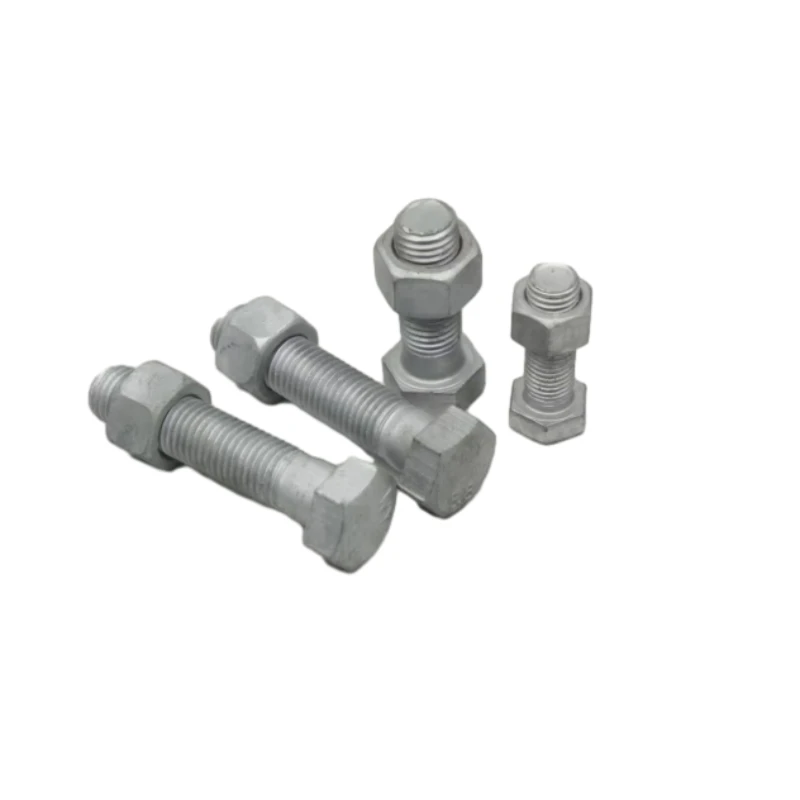
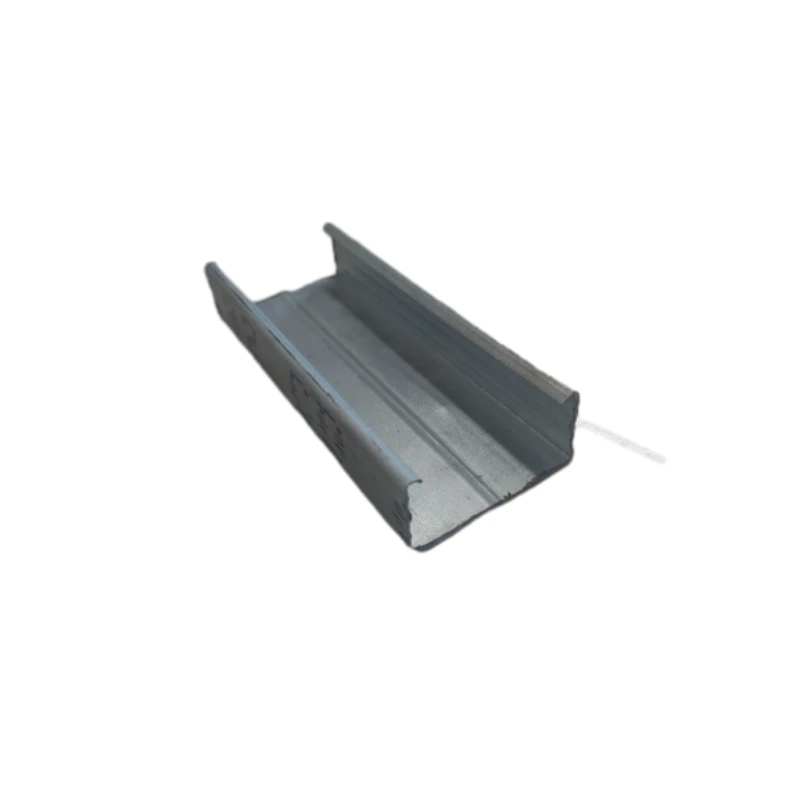
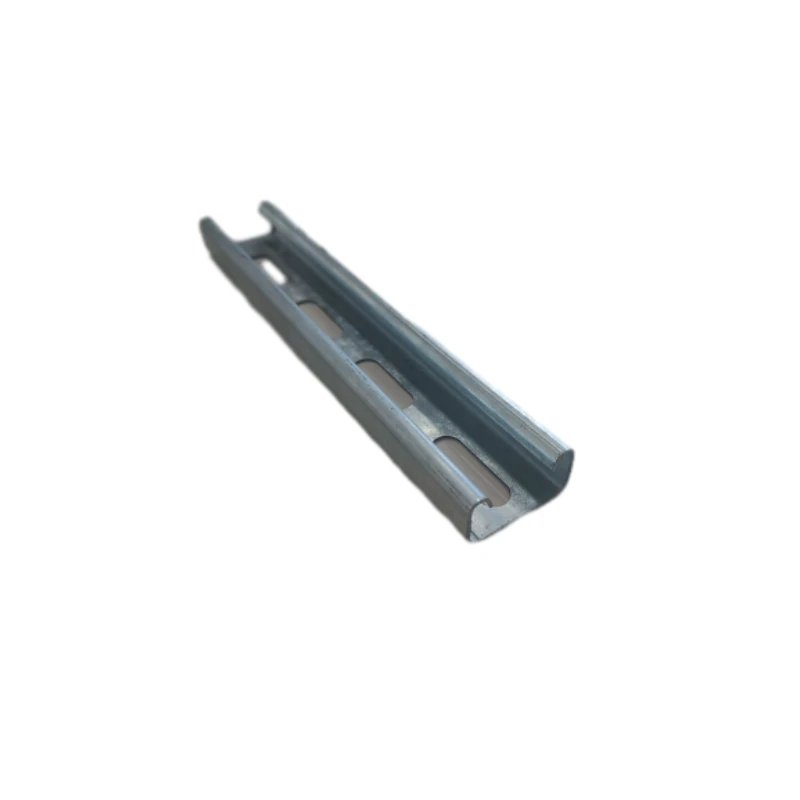
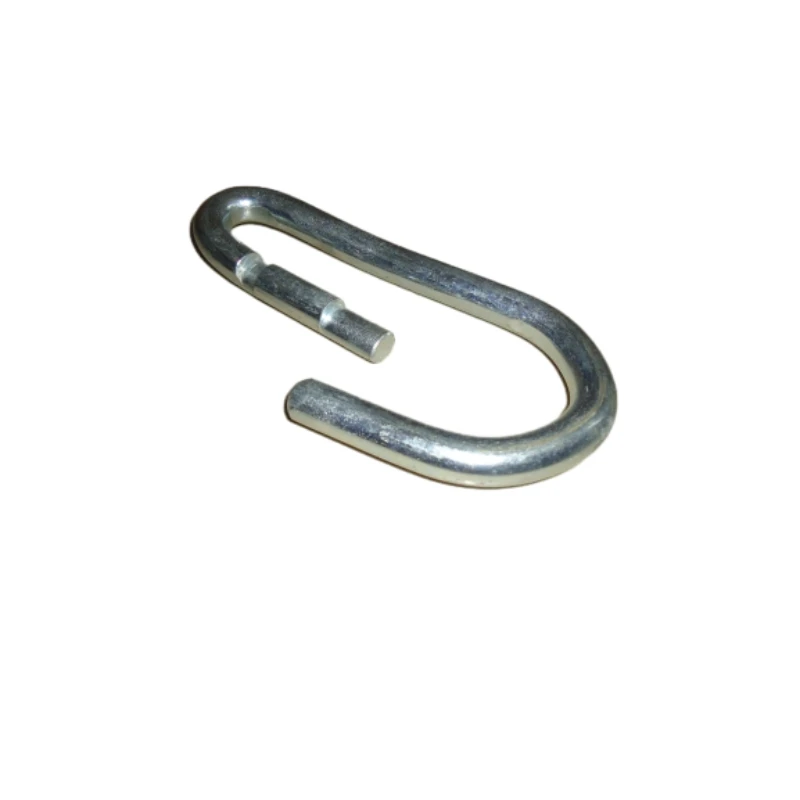
Simply put, a wall tie for aluminium formwork is a specially engineered fastener that connects aluminium panels to maintain alignment and structural form against concrete pressure. Think of it as the trusted handshake between formwork pieces, allowing builders to pour concrete safely and accurately.
More than just a connector, it helps formwork systems retain shape under immense hydrostatic pressure from wet concrete, prevents gaps or bulges, and enables quick dismantling once curing is complete. With the rise of aluminium formwork systems—which are lighter, reusable, and more eco-friendly—the demand for compatible, resilient wall ties soars.
In humanitarian contexts, for example, quick assembly housing or temporary shelters often use aluminium formwork combined with reliable wall ties to create strong but mobile structures. This links the product with both traditional industry and unfolding humanitarian demands worldwide.
Mini takeaway: Wall ties are the critical 'connective tissue' of aluminium formwork, balancing strength, precision, and reusability.
Core Components that Make Wall Ties Essential
Durability
Most wall ties are made from galvanized steel or high-strength alloys to resist rust and deformation. When you’re pouring concrete, the pressure is not trivial — ties need to withstand both lateral and tensile loads repeatedly without failing.
Compatibility
Wall ties must match the precise thickness and design of aluminium formwork panels. If there's mismatch, the whole system risks misalignment. Hence, manufacturers offer bespoke ties for different panel profiles.
Cost Efficiency
Reusable aluminium formwork is touted as cost-saving, but ties need to last multiple cycles too. Engineer Lin Wei, who I spoke with recently, highlighted how cheaper ties often corrode early, pushing up lifecycle costs.
Ease of Installation
Building crews on fast schedules value ties that lock or hook quickly with minimal tools. Some modern systems even use snap-in designs, reducing labor time substantially.
Safety Compliance
Formwork failures can be catastrophic. Wall ties play a safety role by preventing panel collapse mid-pour. International norms require load testing and certifications to ensure ties meet safety margins.
Environmental Impact
Since sustainability grows as a priority, ties crafted with recyclable materials or lower embodied energy help reduce a project's carbon footprint without compromise in strength.
Mini takeaway: Durability, compatibility, cost, ease, safety, and sustainability form the backbone of an effective wall tie solution.
How Wall Ties for Aluminium Formwork Are Used Worldwide
From Asia’s high-rise residential projects to post-earthquake rebuilding in Latin America, wall ties are everywhere.
- Urban Construction: Rapid urbanization in India and China makes aluminium formwork with heavy-duty wall ties indispensable for high-speed apartment builds.
- Disaster Relief: NGOs use modular aluminium formwork systems with durable wall ties to erect temporary emergency shelters in regions prone to typhoons or earthquakes.
- Industrial Sites: In oil rigs or remote mining areas, aluminium formwork walls secured by wall ties are preferred for quick, reliable temporary structures that can be assembled and disassembled repeatedly.
- Educational and Public Buildings: Increasingly used for schools and clinics in Africa, this method ensures safe, cost-effective construction with less waste.
For more insight, explore options like wall tie for aluminium formwork solutions that cater to a variety of sectors and climates.
Mini takeaway: The adaptability of wall ties supports diverse construction needs from dense cities to disaster zones, across continents.
What Are the Advantages and Long-Term Values?
The benefits ripple out logically and emotionally:
- Cost Savings: Reduced formwork damage and faster cycles mean substantial savings over time.
- Sustainability: Recyclable and reusable materials cut waste and carbon impact.
- Safety and Reliability: Preventing formwork failure protects workers and ensures structural integrity.
- Social Impact: Durable buildings foster community confidence and dignity.
- Innovation Trust: Using cutting-edge formwork and ties signals a firm’s commitment to quality and progress.
I’ve noticed that project managers who choose quality wall ties often feel a lot more confident on the job site—less stress, less downtime, more trust from clients.
Product Specification Table
| Specification | Typical Value | Notes |
|---|---|---|
| Material | Galvanized Steel / Alloy Steel | Corrosion-resistant coatings |
| Load Capacity | Up to 15 kN | Depends on tie size and design |
| Panel Thickness Range | 40-70 mm | Supports varied aluminium alloys |
| Reuse Cycles | 100+ cycles | With proper maintenance |
| Installation Method | Hook, Bolt, Snap-in | Varies by system |
Comparing Top Wall Tie Vendors
| Vendor | Material Quality | Customization | Price Range | Delivery Times |
|---|---|---|---|---|
| WRK Formwork Ltd. | Premium galvanized steel | Full custom profiles | $$$ | 2-3 weeks (standard) |
| AluTie Solutions | Standard steel alloys | Limited sizes | $ | 1-2 weeks |
| SecureFast Technologies | High-tensile steel alloys | Custom engineered | $$ | 3-4 weeks |
Looking Ahead: Trends and Innovations
The future of wall tie for aluminium formwork is quite exciting, actually. Materials science is pushing the envelope with composites that might make ties lighter but stronger. I’ve read about polymer-metal hybrids promising corrosion resistance for years, and it finally looks feasible for large-scale deployment.
Furthermore, automation and IoT integration — sensors embedded in ties to monitor stress in real-time — are emerging. Imagine a digital alert if a tie overloads during a pour, preventing failures proactively.
And don’t forget sustainability. Using recycled metals and designing for full end-of-life recyclability aligns well with tightened environmental building codes internationally.
Mini takeaway: Tomorrow’s wall ties are not just connectors but will become smart, sustainable building assets.
Challenges and Practical Solutions
One common challenge is tie corrosion and wear shortening service life. Many engineers lament the cost of frequent tie replacement. The solution often lies in selecting better material grades, improved coatings, or scheduled maintenance protocols.
Another issue is compatibility — formwork panels vary by brand and project, so mismatched ties cause delays. Vendors and clients increasingly collaborate on custom designs or universally adaptable ties.
Lastly, improper installation leads to failure. The answer? Training and simple, ergonomic designs that reduce human error.
FAQ: Answers to Your Wall Tie Questions
Q1: How do I know which wall tie fits my aluminium formwork panels?
A1: Check your formwork manufacturer’s panel thickness and profile specs. Most vendors offer configurable wall ties matched to panel types. If in doubt, request sample fittings or consult with technical sales engineers, especially if your project involves custom aluminium alloys.
Q2: Can wall ties be reused across multiple concrete pours?
A2: Yes, high-quality wall ties are designed for reuse — often 100 cycles or more — provided they’re inspected and maintained properly. Regular cleaning and checking for corrosion or deformation is key to extending their life.
Q3: What’s the typical lead time to get wall ties customized for a project?
A3: Custom wall ties usually require 2-4 weeks lead time depending on complexity and supplier capacity. Planning early with your supplier, such as WRK Formwork Ltd., ensures you avoid bottlenecks during project startup.
Q4: Are there eco-friendly options available for wall ties?
A4: Increasingly yes. Many vendors now provide wall ties with recycled steel content and environmentally conscious galvanization processes. Choosing these helps reduce your project’s carbon footprint.
Q5: How important is wall tie testing and certification?
A5: Vital! Certified wall ties tested under load ensure safety and regulatory compliance. Always request certification like ISO or ASTM reports from your vendor before purchase.
Conclusion: Why Wall Tie for Aluminium Formwork Are Worth Your Attention
When you zoom out, the wall tie for aluminium formwork is more than just a piece of hardware—it’s an enabler. It unlocks the speed, safety, and sustainability potential of modern construction. For builders pushing global infrastructure forward — whether skyscrapers or disaster relief shelters — choosing the right wall ties is a small decision with outsized impact.
If you’re considering aluminium formwork options, be sure to explore the trusted solutions at WRK Formwork. Their expertise in wall tie manufacturing reflects decades of feedback from the field—and frankly, it just makes the whole building process a lot smoother.
Happy building!
References
Latest News
-
Adjustable U Jack: Essential Guide to Specifications, Applications & VendorsNewsDec.03,2025
-
Adjustable U Head Jack: Essential Guide to Benefits, Specs & Global UseNewsDec.03,2025
-
What Is an Adjustable U Head? Benefits, Uses & Supplier Comparison in ConstructionNewsDec.03,2025
-
Steel Joint Connector Nut: Essential Fastening Solutions for Modern InfrastructureNewsDec.02,2025
-
Nut Connector: Key Roles, Applications & Innovations in Modern IndustryNewsDec.02,2025
-
Nut Adaptor: A Key Component Bridging Industry Standards and Enhancing Assembly EfficiencyNewsDec.02,2025