Dec . 02, 2025 09:10 Back To List
Flat Rib Washer: Key Benefits, Applications, and Innovations in Industry
Flat Rib Washer: The Unsung Hero in Modern Engineering
When we think about fasteners, nails and screws usually grab the spotlight. But tucked just beneath the surface is a modest yet vital component: the flat rib washer. These small, barely noticed rings play a surprisingly big role in industrial stability worldwide. With infrastructure booming and machinery growing ever more complex, understanding flat rib washers is no longer niche – it’s essential.
Why Does the Flat Rib Washer Matter Globally?
Oddly enough, the global construction and manufacturing industries depend heavily on such small parts. According to the International Organization for Standardization (ISO), fastener-related failures cause nearly 20% of structural defects worldwide. A quality washer – and flat rib washers in particular – help distribute pressure, reduce wear, and increase lifespan. This prevents costly downtime and safety hazards, especially in sectors like automotive, aerospace, and heavy industry.
Picture this: buildings in seismic zones or offshore oil rigs facing corrosion. Without reliable washers, these structures would encounter rapid failure. Frankly, the flat rib washer acts like a quiet guardian in these demanding environments.
Defining the Flat Rib Washer
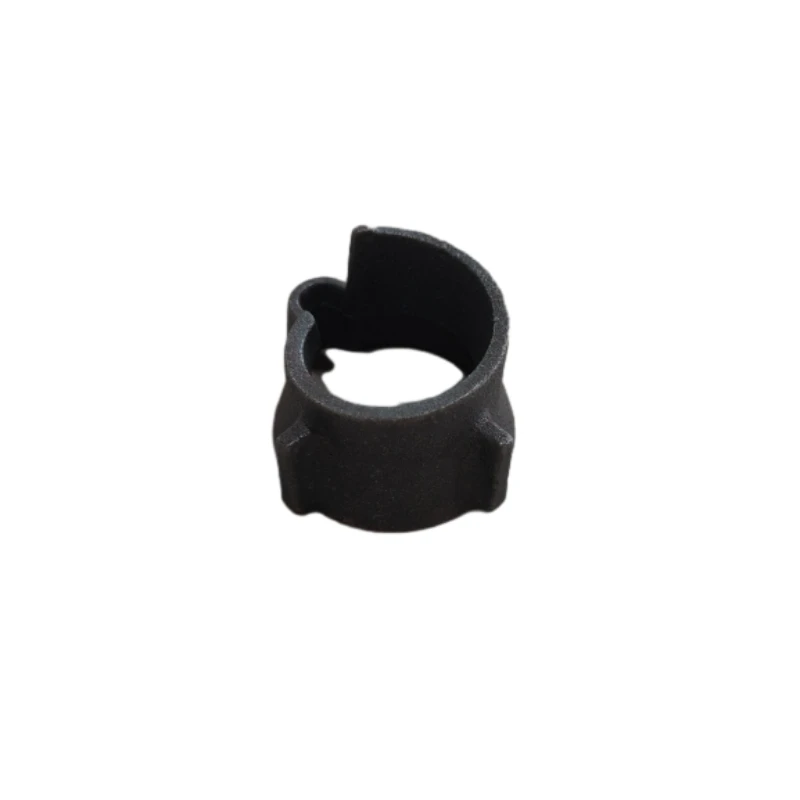
Curious what exactly a flat rib washer is? Simply put, it’s a flat metal ring with one or more ribs (raised ridges) on its surface. These ribs serve to grip surfaces better, preventing loosening when vibrations or dynamic forces occur. Unlike plain washers, flat rib washers provide enhanced friction and load distribution.
In modern industry, they connect components that must endure stress yet remain securely fastened — think aircraft panels, mechanical assemblies, even humanitarian infrastructure like portable shelters or water systems.
Core Features of Flat Rib Washers
1. Durability
Typically manufactured from stainless steel, carbon steel, or sometimes brass, these washers resist corrosion and wear exceptionally well. This durability ensures longevity even in wet or corrosive environments.
2. Enhanced Grip
The ribs on these washers increase friction between materials, reducing slippage under vibration and thermal cycles — a huge plus in industrial machines or vehicles where safety cannot be compromised.
3. Load Distribution
By spreading the pressure from bolts or screws over a wider area, flat rib washers prevent damage to softer materials or thin sheets, which could otherwise deform or crack.
4. Cost Efficiency
They’re inexpensive parts but save money long-term by minimizing maintenance and replacement needs across millions of applications worldwide.
5. Versatility
Available in multiple sizes, thicknesses, and rib profiles, making them adaptable for everything from electronics assembly to heavy construction.
Mini Takeaway:
The flat rib washer is a small but mighty component, offering durability, grip, and protection that supports global industrial growth and safety.
Global Applications of Flat Rib Washers
From automotive manufacturing hubs in Germany to shipyards in South Korea and renewable energy projects in the Middle East, flat rib washers secure critical connections.
In post-disaster relief efforts, where rapid deployment of structures like shelters or water tanks is vital, flat rib washers ensure joints hold strong despite challenging conditions. NGOs appreciate their reliability and ease of sourcing.
Even in remote industrial zones in Africa or Australasia, where maintenance resources are limited, these washers enhance machinery durability and reduce breakdown risk.
Product Specification Table
| Parameter | Typical Values | Notes |
|---|---|---|
| Material | Stainless Steel (304, 316), Carbon Steel | Corrosion resistant grades preferred |
| Thickness | 0.5 mm to 3 mm | Depends on application load |
| Rib Profile | Single or Multiple ribs | Improves grip under vibration |
| Outer Diameter | Varies: 6 mm - 50 mm | Matches bolt or screw size |
Vendor Comparison Table
| Vendor | Material Options | Customization | Lead Time | Typical Price Range |
|---|---|---|---|---|
| SteelPro Washers | Carbon & Stainless Steel | Standard sizes only | 2 weeks | $0.05 - $0.15 per piece |
| RibTech Components | Wide metal alloys range | Custom rib designs available | 4 weeks | $0.10 - $0.25 per piece |
| Global Fasteners Co. | Stainless Steel specialized | Limited customization | 1 week | $0.08 - $0.18 per piece |
Advantages & Long-Term Value
- Cost Savings: Despite their small size, flat rib washers prevent catastrophic failures, reducing maintenance and replacement expenses.
- Sustainability: With corrosion-resistant materials, they extend the life cycles of larger systems, aligning well with ISO environmental standards.
- Social Impact: Reliable fasteners enhance safety in vital infrastructure – hospitals, schools, and emergency shelters, preserving community trust and dignity.
- Innovation Driver: Current trends in digital manufacturing allow for precision customization improving performance and resource efficiency.
Future Trends and Innovations
R&D in materials science is pushing flat rib washers into new realms—think composites infused with nanomaterials for ultra-lightweight strength or biodegradable alloys that reduce landfill waste after equipment cycles out.
Manufacturing automation is also driving down costs and lead times, making just-in-time delivery feasible, even for customized runs. Digital twins and IoT sensors may soon monitor washer tension in real-time to prevent failures – fascinating stuff.
Challenges & Solutions
Despite their benefits, some challenges linger: improper selection or installation can negate a washer’s effectiveness. Surface contamination or inadequate surface finish on mating parts can reduce grip. Engineers advise training and rigorous quality control to avoid these pitfalls.
Innovations like surface texturing and smart coatings also help mitigate problems, improving friction and corrosion resistance in difficult environments.
Frequently Asked Questions About Flat Rib Washers
- Q: How do flat rib washers differ from standard washers?
A: Flat rib washers include raised ribs that enhance grip under vibration, unlike plain washers that mainly distribute load. This makes them better suited for high-stress applications. - Q: What materials are best for corrosive environments?
A: Stainless steel grades 304 and 316 are common for their excellent corrosion resistance. For extreme cases, specialty alloys may be used. - Q: Can flat rib washers be reused after disassembly?
A: It depends on wear and deformation. In safety-critical applications, it’s best to replace them to maintain optimal performance. - Q: How can I select the right size for my project?
A: Match the washer outer diameter and thickness to the bolt size and load requirements. Supplier specifications typically guide optimal sizing.
Conclusion
In real terms, flat rib washers are tiny stalwarts quietly holding together the frameworks of modern life. Their role in enhancing safety, durability, and cost-efficiency across industries is vital—and only growing as technologies evolve.
For engineers and buyers looking for trusted suppliers or technical info, visiting https://www.wrkformwork.com is a smart next step.
A reminder to always consider the smallest parts; they often make the biggest difference.
References
Latest News
-
Adjustable U Jack: Essential Guide to Specifications, Applications & VendorsNewsDec.03,2025
-
Adjustable U Head Jack: Essential Guide to Benefits, Specs & Global UseNewsDec.03,2025
-
What Is an Adjustable U Head? Benefits, Uses & Supplier Comparison in ConstructionNewsDec.03,2025
-
Steel Joint Connector Nut: Essential Fastening Solutions for Modern InfrastructureNewsDec.02,2025
-
Nut Connector: Key Roles, Applications & Innovations in Modern IndustryNewsDec.02,2025
-
Nut Adaptor: A Key Component Bridging Industry Standards and Enhancing Assembly EfficiencyNewsDec.02,2025