Apr . 16, 2026 02:25 Back To List
High Quality Drywall Corner Metal Strip for Perfect Wall Edges
Drywall Corner Metal Strip: The Ultimate Guide to Perfect Edges
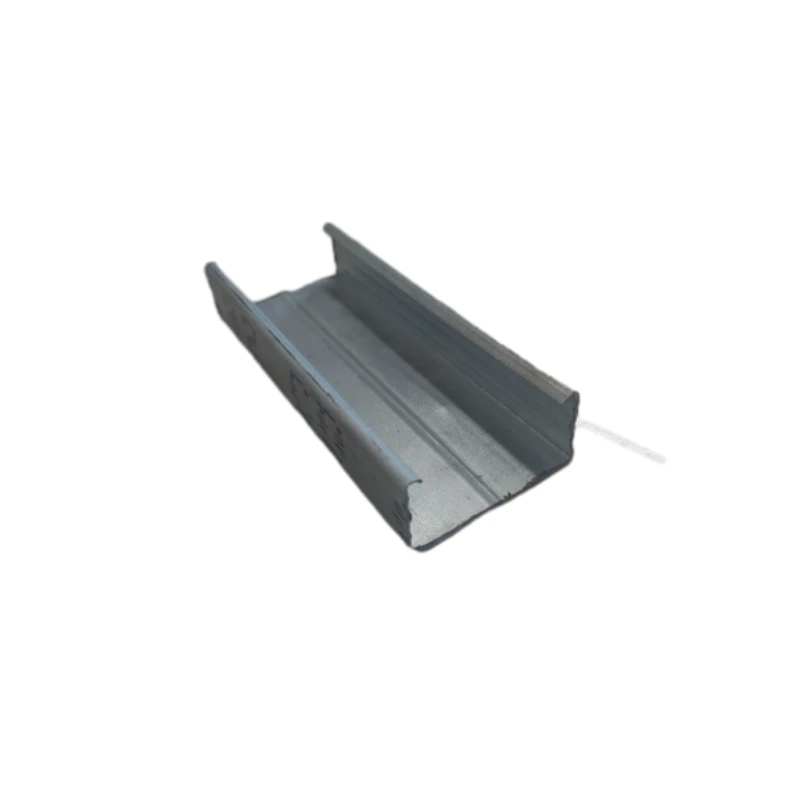
Achieving a flawless finish in interior construction requires more than just skill; it requires the right materials. The drywall corner metal strip is an indispensable tool for any contractor aiming for crisp, straight, and durable corners. Whether you are dealing with external corners prone to impact or internal angles that need precise definition, using high-quality metal reinforcements prevents cracking and chipping over time. In this comprehensive guide, we will explore the technical advantages, installation best practices, and the various types of strips available to ensure your walls stand the test of time.
Why Use a Drywall Corner Metal Strip in Modern Construction?
The primary purpose of a drywall corner metal strip is to provide a rigid structural edge that protects the vulnerable gypsum core of the drywall. Without this reinforcement, corners are highly susceptible to dents, cracks, and erosion from daily wear and tear. Metal strips act as a shield, distributing the force of impacts across a wider area, which significantly reduces the need for frequent repairs. Furthermore, they serve as a visual guide for the taper, allowing the installer to create a perfectly straight line that is easy to mud and sand for a professional-grade finish.
Professional Tip: Always ensure the metal strip is properly seated in the joint compound to avoid "bubbling" or gaps, which can lead to structural weakness and visible imperfections after painting.
Material Comparison: Metal vs. Plastic Corner Beads
When choosing the right reinforcement, contractors often debate between traditional metal and modern PVC options. While plastic is lighter and rust-proof, the drywall corner metal strip remains the gold standard for high-traffic areas. Metal provides superior rigidity, meaning it will not flex or warp under pressure. For commercial projects where durability is non-negotiable, galvanized steel or aluminum strips offer the necessary impact resistance to maintain the wall's integrity for decades.
Selecting the Right Drywall Corner Metal Strip Specifications
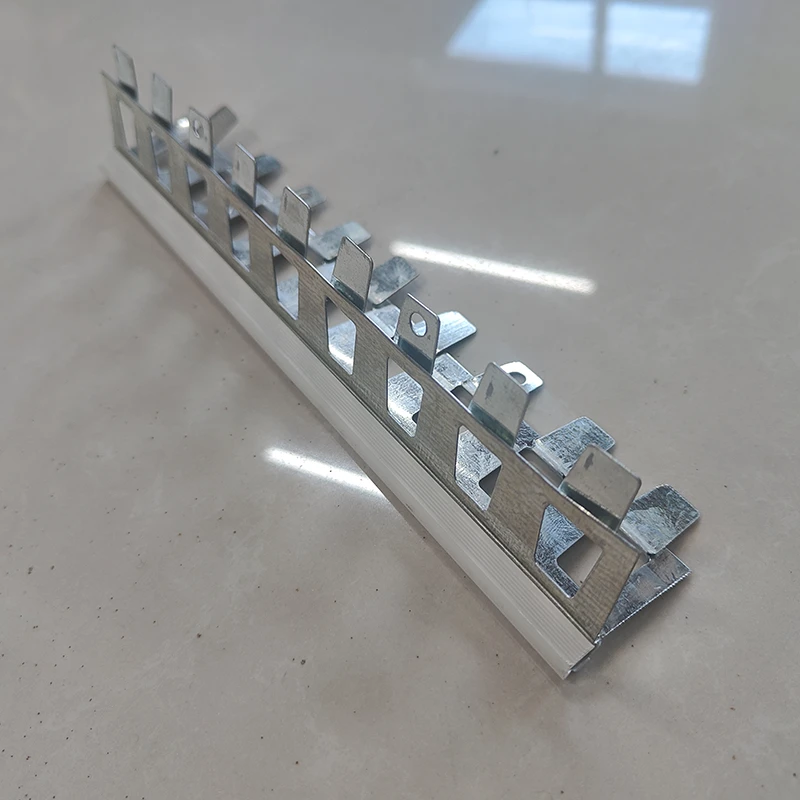
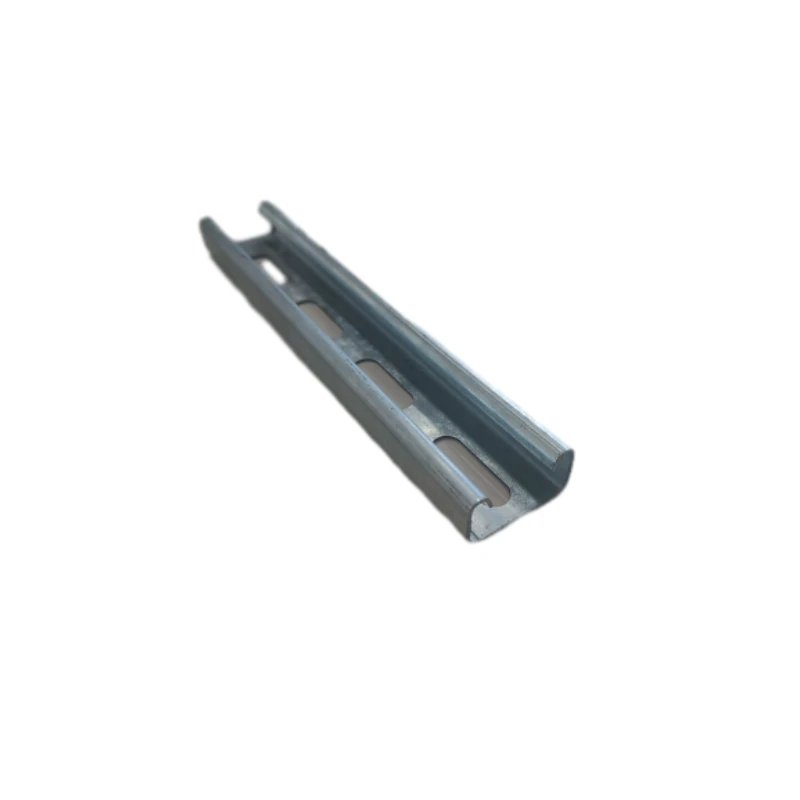
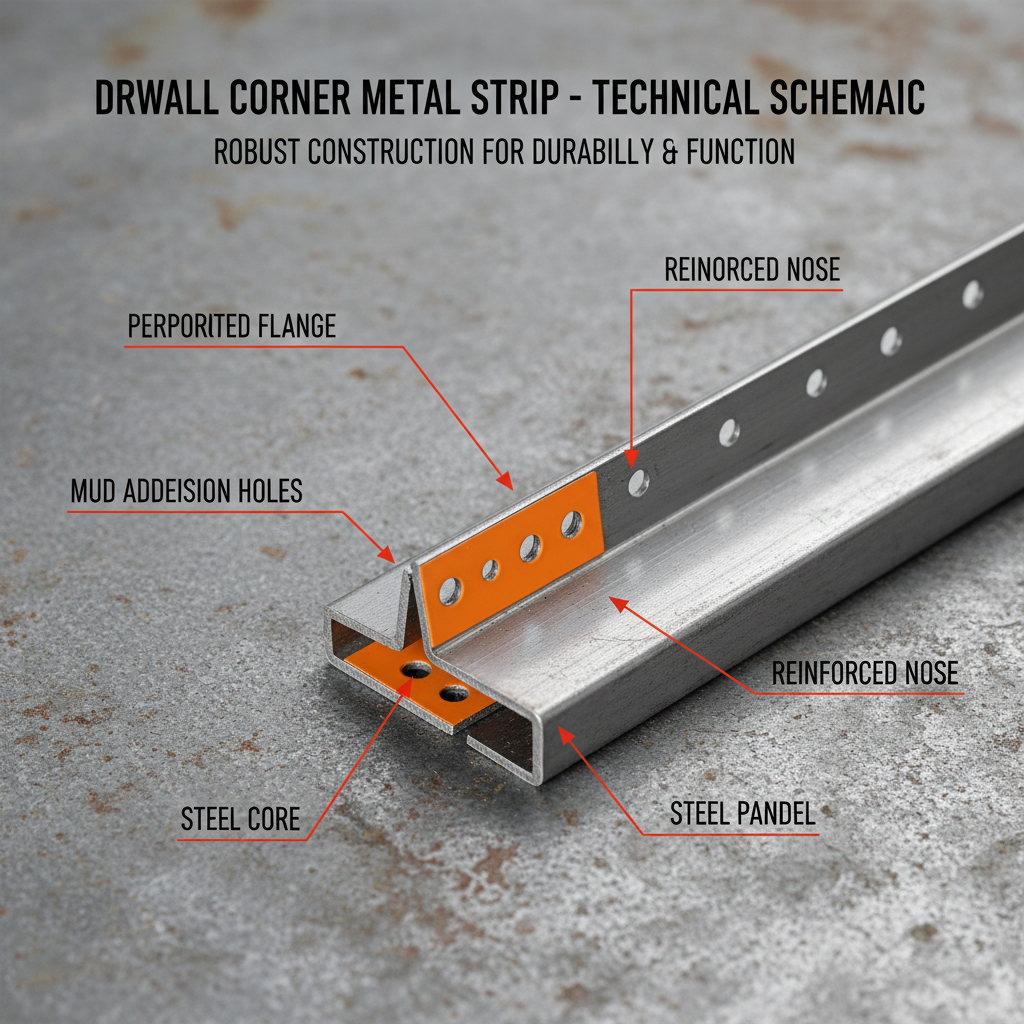
Not all corner beads are created equal. Depending on the wall thickness and the expected environment, you must choose a drywall corner metal strip with the appropriate flange width and metal gauge. A thinner gauge is easier to bend for custom angles, while a thicker gauge is essential for industrial settings. Additionally, the "perforation" or holes in the strip are critical; they allow the joint compound to lock the metal to the drywall, creating a mechanical bond that prevents the strip from pulling away during the drying process.
Installation Guide for Drywall Corner Metal Strip
Proper installation is the difference between a wall that looks amateur and one that looks architectural. First, ensure the drywall is cut precisely to allow the drywall corner metal strip to sit flush against the studs. Apply a generous layer of joint compound (mud) to the corner, press the strip firmly into place, and use a corner tool or trowel to squeeze out the excess mud through the perforations. This "bedding" process ensures there are no air pockets, which could otherwise cause the corner to crack under slight pressure.
Essential Steps for Success:
• Check Alignment: Use a level or laser to ensure the strip is perfectly vertical.
• Secure Fastening: Use staples or nails if the mud alone isn't providing enough initial hold.
• Layering: Apply at least two to three coats of compound, feathering the edges into the wall.
• Sanding: Use a fine-grit sandpaper to smooth the transition for a seamless look.
Technical Specifications of High-Grade Metal Strips
For procurement managers and engineers, understanding the technical data of a drywall corner metal strip is key to ensuring project compliance. Most professional-grade strips are made from hot-dipped galvanized steel to prevent oxidation, especially in humid environments like kitchens or bathrooms. The precision of the 90-degree angle is maintained through cold-rolling processes, ensuring that every piece in a shipment is consistent.
Environmental Impact and Sustainability in Metal Beading
As the construction industry moves toward "Green Building" certifications, the use of a drywall corner metal strip is surprisingly sustainable. Unlike some composite materials, steel and aluminum are 100% recyclable. When renovating older buildings, these metal strips can be recovered and processed, reducing the amount of construction waste sent to landfills. Furthermore, by extending the lifespan of the wall and reducing the need for repeated patching and repainting, metal reinforcements lower the overall carbon footprint of the building's maintenance cycle.
Conclusion: Elevating Wall Quality with Metal Reinforcement
Investing in a high-quality drywall corner metal strip is an investment in the longevity and aesthetic appeal of any interior space. From the structural rigidity it provides to the seamless finish it enables, the metal strip is the unsung hero of professional drywalling. By selecting the right material and following precise installation techniques, contractors can ensure that their work remains pristine even in the most demanding environments. Choose quality, choose durability, and choose the right reinforcement for your next project.
Frequently Asked Questions (FAQs)
Can I use a drywall corner metal strip for internal corners?
While traditional corner beads are designed for external corners, there are specific "L-shaped" or "Internal" metal strips available. However, for most internal corners, professionals use joint tape (paper or fiberglass) and compound. If the internal corner is in a high-impact area—such as a commercial hallway—a specialized metal internal corner strip is highly recommended to prevent the joint from cracking due to building settling or accidental bumps.
Does the metal strip rust over time?
High-quality drywall corner metal strips are galvanized, meaning they are coated in a layer of zinc to prevent rust. In standard indoor environments, these strips will never rust. However, in extremely damp areas (like steam rooms), aluminum strips are preferred over steel because aluminum naturally forms a protective oxide layer that is even more resistant to corrosion. Always ensure your strip is fully covered with joint compound to provide an extra barrier against moisture.
How do I fix a dented metal corner strip?
If a metal strip is slightly dented, you can sometimes carefully push it back into place using a putty knife. However, if the metal is creased or the bond with the drywall is broken, the only permanent fix is to cut out the damaged section of the strip and the drywall, install a new piece of drywall corner metal strip, and re-mud the area. This ensures the corner remains perfectly straight and strong.
What is the difference between perforated and plain metal strips?
Perforated strips have small holes along the flange, which allows the joint compound to seep through and "lock" the strip to the drywall. Plain strips (non-perforated) rely solely on the adhesive property of the mud on the surface. Perforated strips are vastly superior in terms of bonding strength and are the industry standard for most residential and commercial applications to prevent the bead from shifting during installation.
Latest News
-
Corner Metal for Drywall Guide for Perfect Professional EdgesNewsApr.09,2026
-
Comprehensive Guide to Corner Metal Drywall Installation and Material ChoicesNewsApr.07,2026
-
Comprehensive Guide to Corner Metal Bead for Durable Construction ProjectsNewsApr.04,2026
-
Comprehensive Guide to Corner Drywall Metal Installation and SelectionNewsMar.31,2026
-
Understanding Corner Bit Metal Applications and Sourcing for Robust StructuresNewsMar.28,2026