Oct . 16, 2025 19:55 Back To List
Looking for a Concrete Form Tie—Stronger, Faster, Cheaper?
Formwork Tie Nut: the small part that keeps your pour honest
If you’ve ever watched a wall pour and wondered what quietly resists all that hydrostatic pressure—meet the concrete form tie. More precisely here, the tie nut. It’s not glamorous, but it’s the difference between crisp, true-to-drawing geometry and a repair crew with grinders at 6 a.m. I’ve toured plants from Hebei to Hamburg; in the end, good hardware wins.
What it is and where it’s made
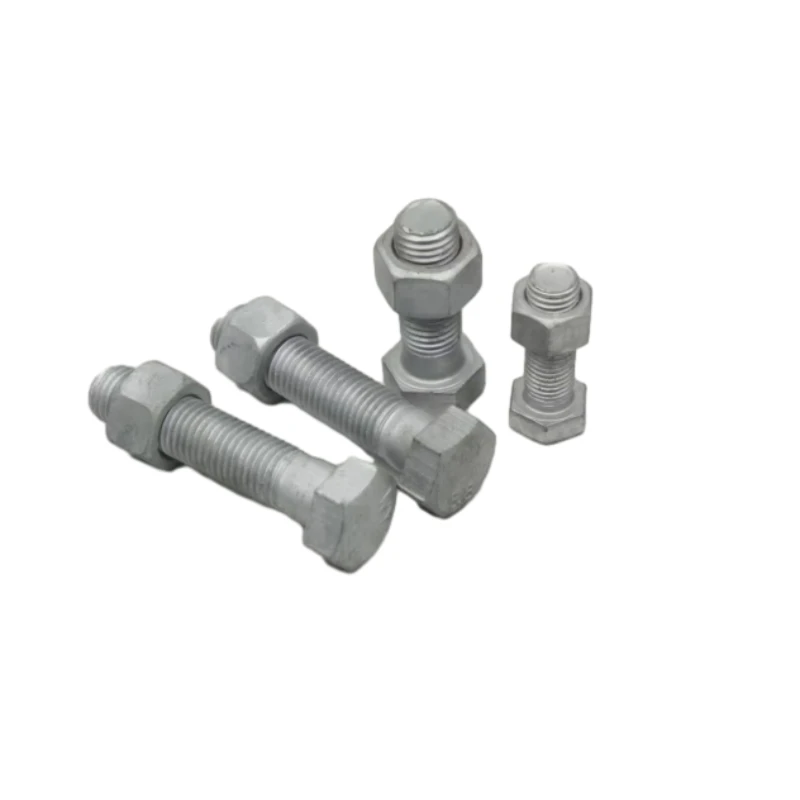
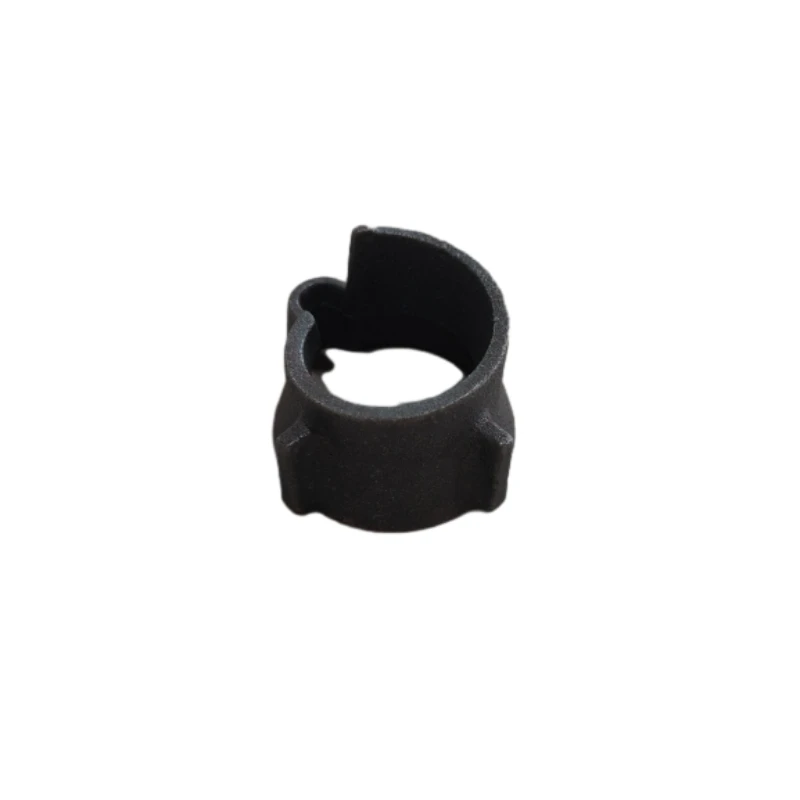
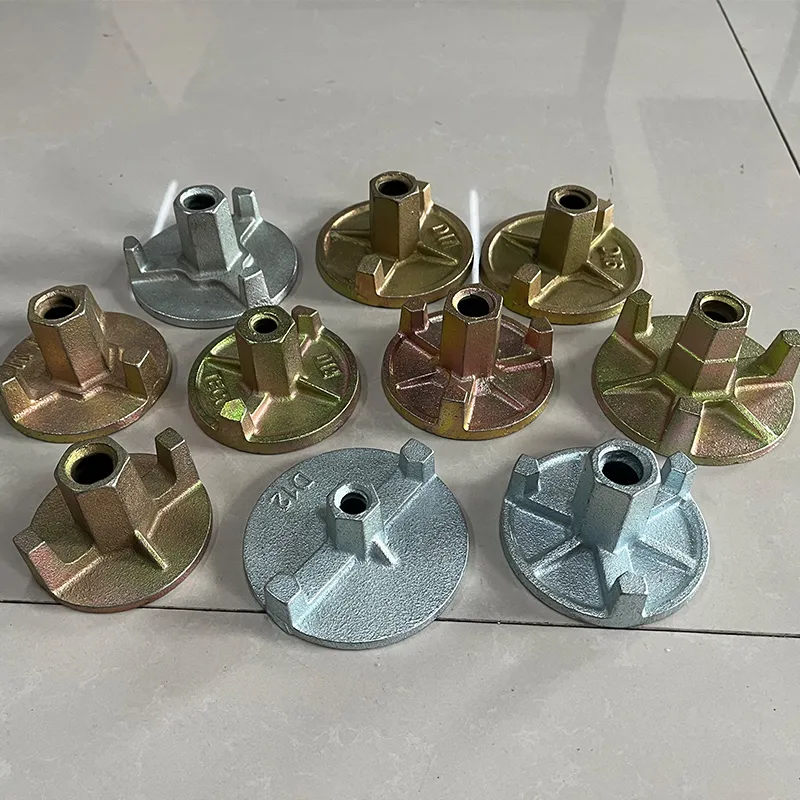
WRK’s Formwork Tie Nut (cast iron wing nut) is manufactured in the Development Area of Botou, Cangzhou City, Hebei Province, China—an area that, frankly, has become a foundry powerhouse. These nuts pair with tie rods to clamp panels, absorb fresh-concrete pressure, and hold alignment until curing. Simple idea, lots of engineering behind it.
Industry pulse
- Shift to reusable, higher-cycle hardware as labor tightens and schedules compress.
- More surface protection (HDG, duplex) as contractors chase longer service life in corrosive sites.
- Traceability requests rising—project QA wants heat numbers, not just a “trust us.”
Technical snapshot
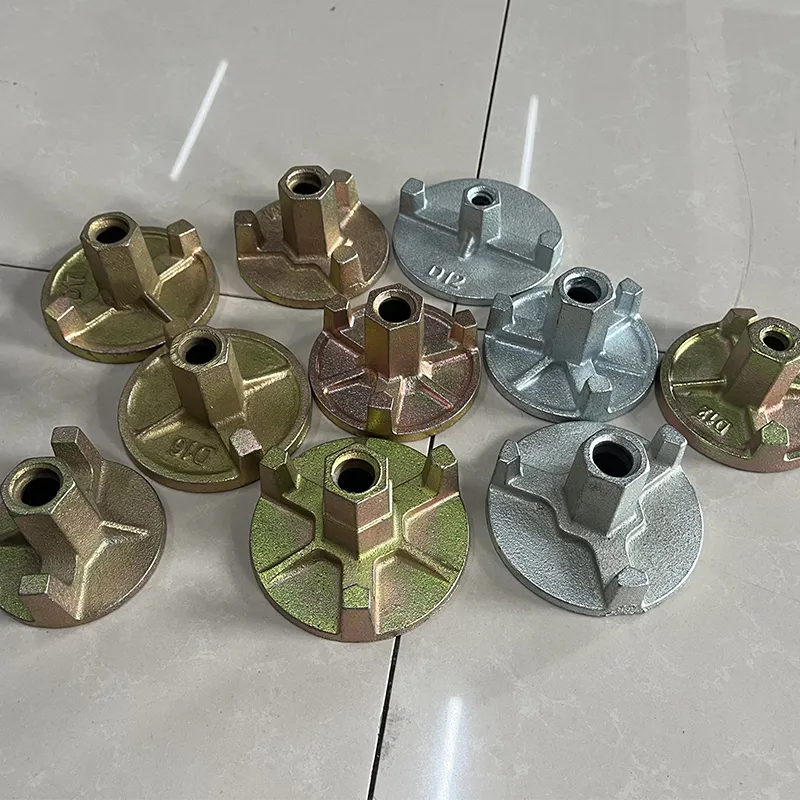
| Material | Cast iron: ductile (ISO 1083/ASTM A536, e.g., 400–15) or gray (ASTM A48 Class 35) depending on load class |
| Thread compatibility | 15/17/20 mm; 3/4″; 1″; tolerance ≈ 6H (ISO metric) |
| Proof load | ≈ 90–150 kN per nut (real-world use may vary; use 2.0–2.5 safety factor per project practice) |
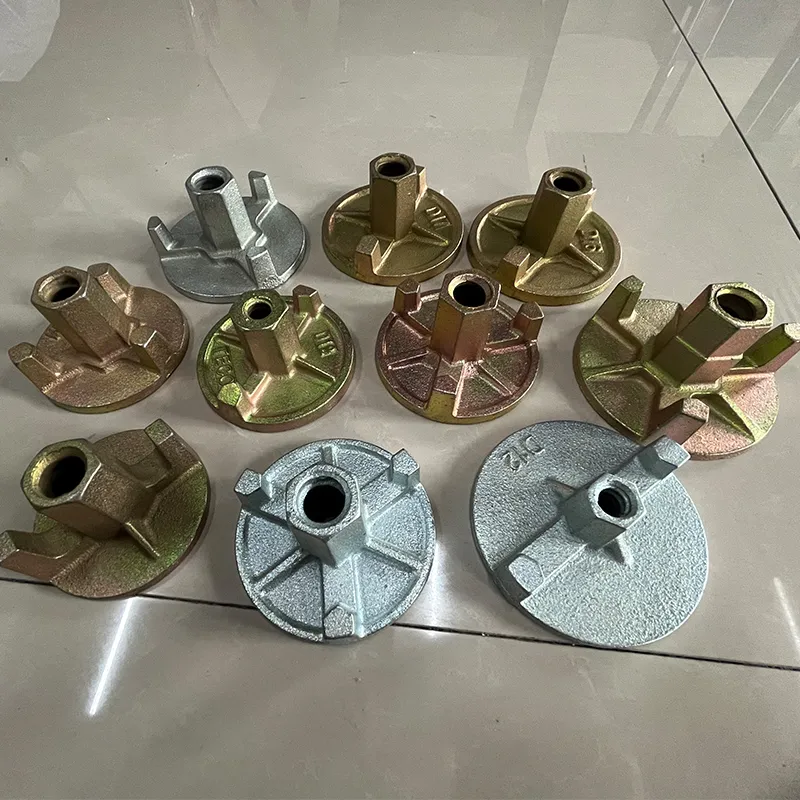
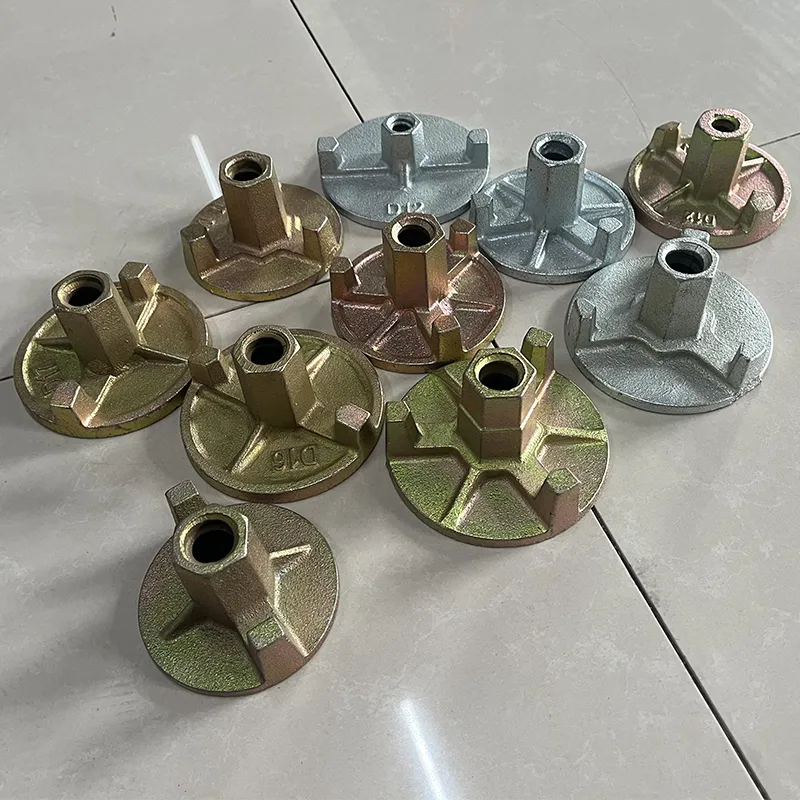
| Coatings | Black oiled; electro-zinc (ASTM B633); hot-dip galvanizing (ASTM A153) |
| Corrosion test | Salt spray (ASTM B117): ≈72 h (black), ≈240 h (Zn), ≈600 h (HDG) |
| Service life | ≈ 5–15 years of reuse cycles, environment/coating dependent |
How it’s made (short version)
Melt and treat iron → sand/precision mold → cast wing profile → shot-blast → machine threads/face → coat → QC. Tests include tensile proof on representative samples, thread gauges, hardness checks, coating thickness, and salt spray. I like when vendors show raw pull data; WRK’s lab sheets I saw showed ductile-iron nuts sustaining ≈120 kN before thread distress. That’s solid.
Where it works best
- High wall pours (core walls, elevator shafts) with rate-of-pour control.
- Bridge piers and abutments; precast beds; water-retaining structures with water-stop ties.
- Cold mornings and hot afternoons—thermal swings—where a trustworthy concrete form tie setup prevents panel creep.
Advantages? Fast wrenching (wing profile), consistent clamping, and compatibility with mainstream tie rods and she-bolts. Many customers say the HDG finish pays for itself by the third project—less stuck hardware, fewer replacements.
Vendor comparison (quick take)
| Vendor | Material traceability | Coatings | Lead time | Certs |
|---|---|---|---|---|
| WRK (Botou, Hebei) | Heat no. + batch QC | Black, Zn, HDG | ≈ 2–4 weeks | ISO 9001; test reports |
| Brand A (EU) | Full MTRs | Zn, HDG | ≈ 3–6 weeks | ISO 9001/14001 |
| Brand B (Local) | Basic batch only | Black, Zn | ≈ 1–3 weeks | Shop QA |
Customization and practical notes
- Thread and wing geometry to match your tie system; engrave batch/tonnage marks.
- Hot-dip galvanizing for coastal jobs; electro-zinc for lighter duty; black for budget forms.
- Ask for pull tests aligned with ACI 347R fresh-concrete pressure assumptions and your safety factor. It seems obvious, but I still see spec mismatches.
Mini case notes
Core wall, 32 stories: contractor limited pour rate to ≈1.5 m/hr; WRK ductile-iron nuts + 20 mm rods held line—survey showed ≤2 mm panel deviation. Precast yard in humid delta: HDG nuts survived a full rainy season; zero stuck threads—crew was genuinely relieved. Feedback keeps circling back to reliability: when your concrete form tie stack-up is right, crews move faster and punch lists shrink.
Standards & references used in qualification: ACI 347R/347.2R for formwork practice, ASTM A536/ASTM A48 for iron grades, ISO 1083 for SG iron, ASTM B117 for corrosion testing, ASTM A153/B633 for coatings, ISO thread gauges. To be honest, paperwork isn’t everything—but it backs up the numbers.
Final thought
Small part, big consequences. Choose the right concrete form tie hardware, verify the data, and you won’t need a rescue plan mid-pour.
- ACI Committee 347. Guide to Formwork for Concrete (ACI 347R).
- ASTM A536 / ISO 1083: Ductile Iron Specifications.
- ASTM B117, B633, A153: Corrosion and coating standards.
- ACI 347.2R: Guide for Shoring/Reshoring and Early-Age Strength Evaluation.
Latest News
-
High Quality Drywall Corner Metal Strip for Perfect Wall EdgesNewsApr.16,2026
-
Corner Metal for Drywall Guide for Perfect Professional EdgesNewsApr.09,2026
-
Comprehensive Guide to Corner Metal Drywall Installation and Material ChoicesNewsApr.07,2026
-
Comprehensive Guide to Corner Metal Bead for Durable Construction ProjectsNewsApr.04,2026
-
Comprehensive Guide to Corner Drywall Metal Installation and SelectionNewsMar.31,2026
-
Understanding Corner Bit Metal Applications and Sourcing for Robust StructuresNewsMar.28,2026