Nov . 30, 2025 13:25 Back To List
Snap Ties Concrete Formwork – Durable, Cost-Effective Solutions for Modern Construction
Understanding Snap Ties Concrete Formwork: A Key to Modern Construction
When it comes to concrete construction, the neat finish and structural integrity often hinge on what lies behind the scenes—like the humble snap tie. Snap ties concrete formwork might sound like niche jargon, but it’s a crucial component behind countless buildings and infrastructure projects worldwide. At its core, these ties temporarily hold concrete form panels in place during pouring and curing, enabling precise shapes and loads.
Globally, with the construction industry contributing roughly 13% to global GDP (World Bank, 2023), innovations like snap ties in concrete formwork play a silent yet pivotal role in accelerating builds while boosting safety and sustainability. Any project — from a massive bridge to a small water tank — benefits from reliable, efficient formwork systems equipped with snap ties. So, understanding them is more than just “good to know”; it’s essential knowledge for engineers, builders, and even humanitarian workers tackling housing crises.
The Global Context of Snap Ties Concrete Formwork
Oddly enough, few realize that a modest component like snap ties can influence entire construction projects’ outcomes. The UN’s Habitat program estimates that around 2.4 billion people globally will need adequate housing by 2030. Rapid, reliable, and reusable formwork systems including snap ties are key to meeting this demand sustainably.
Industry data from ISO standards for concrete structures emphasizes the importance of precision and uniformity — qualities snap ties help guarantee. Yet challenges like labor shortages, waste reduction, and quality inconsistencies remain. Here, efficient formwork components lend a helping hand to solve these multifaceted challenges.
So, What Are Snap Ties in Concrete Formwork?
Simply put, snap ties are specialized metal or plastic rods that hold two opposing concrete forms together during the pouring process. After the concrete hardens enough, these ties can simply “snap” off, leaving the concrete wall solid but the formwork reusable for the next pour. It’s a clever mix of reusability, strength, and ease of use.
Modern construction and humanitarian efforts often need fast, sturdy solutions. Snap ties in concrete formwork are often part of modular building kits used in remote or disaster-prone areas, where speed without compromising safety matters. It connects steel or plywood panels and keeps the pouring mold tight without extra props or complicated setups.
Core Components and Key Features of Snap Ties Concrete Formwork
1. Durability
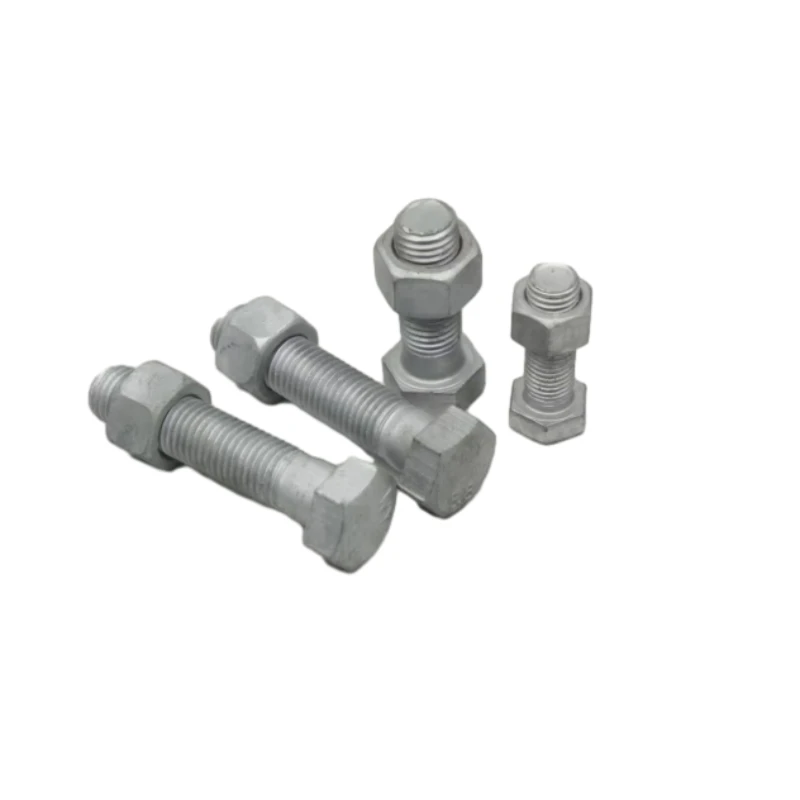
The best snap ties are made from galvanized steel or high-strength polymers to resist corrosion. This durability ensures multiple reuse cycles without failure — a huge cost saver over single-use alternatives.
2. Scalability
Snap ties come in multiple lengths and strengths to accommodate walls from 4" for residential buildings to over 20" for heavy-duty industrial structures. This scalability lets builders adapt the formwork system to a wide variety of projects.
3. Ease of Removal
The “snap” function is literally what makes these ties stand out. After curing, workers can break off the exposed ends with a hammer or special tool, allowing form panels to be stripped away swiftly.
4. Cost Efficiency
Because snap ties extend the life of reusable panels and reduce labor intensity, they slash overall formwork costs. Plus, lower material waste means better environmental footprints.
5. Strength & Safety
Many engineers say snap ties provide uniform tension across the formwork, supporting thousands of pounds of pressure during pouring. This consistency improves wall finish quality and reduces hazardous blowouts.
Mini Takeaway: Snap ties concrete formwork blends durability with clever design, making the formwork process faster, cheaper, and safer globally.
Real-World Applications of Snap Ties in Concrete Formwork
Concrete formwork with snap ties is everywhere — from urban skyscrapers in New York to water reservoirs in Nairobi. In places recovering from disasters, NGOs often rely on containerized modular housing systems assembled fast using snap tied formwork panels.
Industrial zones with tight schedules lean on these systems to pour factory floors with minimal downtime. Even remote infrastructure projects like mountain tunnels or dam walls benefit from the reusability snap ties enable, reducing costly material transport.
Example:
In Nepal after the 2015 earthquake, organizations deployed rapidly assembled concrete shelters using modular formwork held with snap ties. The quicker reset between pours allowed teams to rebuild essentials before monsoon season hit—a literal race against time.
The Advantages and Long-Term Value of Snap Ties Concrete Formwork
- Cost Savings: Reusable ties and panels slash raw material and labor expense.
- Sustainability: Reducing waste by recycling support essential green construction goals.
- Reliability: Consistent concrete form tension assures safe, high-quality builds.
- Social Impact: Faster, safer construction means quicker housing for vulnerable populations.
- Innovation: Evolving tie materials improve lifespan and environmentally friendly disposal.
Emotionally, there’s something deeply reassuring about a tried-and-tested method helping communities build stable homes and infrastructure without compromise. You can almost hear the trust engineers place in these simple steel ties...
What’s Next? Future Trends and Innovations
Looking ahead, snap ties concrete formwork is evolving with materials science breakthroughs. Biodegradable ties and smart sensors integrated with IoT systems are being tested to monitor concrete curing and formwork stress in real-time.
Green construction policies worldwide encourage not just reuse but recycled content in formwork components. Automation in formwork assembly, guided by drones or robots, may reduce human labor risks associated with snapping ties manually.
Facing the Challenges Head-On
Common issues like tie breakage during removal or corrosion in harsh environments still occur. However, hybrid ties combining plastic coating on steel cores help resist rust. Training workers on precise tie installation and removal techniques also smooths the process.
Experts argue that no one-size-fits-all solution exists—site-specific adaptations and ongoing quality control remain key to overcoming snap tie-related bottlenecks.
Frequently Asked Questions About Snap Ties Concrete Formwork
- Q: How do snap ties improve the speed of concrete formwork assembly?
- A: Snap ties eliminate the need for bulky and time-consuming fastening methods. Their quick snap-off removal lets workers strip forms faster, speeding up the entire cycle from pouring to reuse.
- Q: Are snap ties reusable or single-use?
- A: Most snap ties are designed for multiple uses, especially when made of galvanized steel. Their durability and corrosion resistance enable several casting cycles, improving cost-effectiveness.
- Q: Can snap ties handle heavy industrial concrete pours?
- A: Absolutely. Snap ties are available in heavy-duty grades and various lengths to support thick walls and large pours typical in industrial projects.
- Q: What environmental advantages do snap ties offer?
- A: By enabling reusable formwork panels and reducing wasted formwork materials, snap ties help cut down construction waste, aligning with sustainability goals.
- Q: How do NGOs procure snap ties for construction in remote areas?
- A: NGOs usually partner with specialized formwork vendors who provide modular kits including snap ties. These are shipped containerized to remote zones with clear assembly manuals—sometimes supported by local training.
Product Specification Table: Typical Snap Ties for Concrete Formwork
| Feature | Specification | Notes |
|---|---|---|
| Material | Galvanized Steel / Polymer-Coated Steel | Resists corrosion, multi-use |
| Length | 6" to 24" (various sizes) | Adapts to wall thickness |
| Breaking Force | 500–1500 lbs (220–680 kg) | Strong enough for heavy pours |
| Removal Method | Snap-off at groove | Quick and safe on site |
| Reusability | Up to 50 cycles | Depends on environment and care |
Vendor Comparison: Leading Snap Tie Manufacturers
| Vendor | Material Quality | Customization Options | Price Range | Global Delivery |
|---|---|---|---|---|
| FormX Solutions | Premium galvanized steel | Wide range sizes & coatings | $$$ | Yes |
| SnapTie Inc. | Standard steel with polymer | Basic size range available | $$ | Limited |
| BuildForm Tech | Corrosion-resistant alloys | Customized for industrial use | $$$$ | Yes |
Interestingly, the choice of snap ties often comes down to a balance between cost, durability, and delivery logistics. For global projects, there's little point in going for the fanciest ties if you can't get them on site in time.
Wrapping It Up: Why Snap Ties Matter for Tomorrow’s Concrete
At first glance, snap ties concrete formwork might seem like technical minutiae. But these unassuming devices have quietly helped shape efficient, safer, and greener construction methods worldwide. Beyond the evident cost and labor savings, they uphold quality and safety standards — qualities everybody in construction can get behind.
Whether you’re an engineer planning a commercial project or an NGO shipping modular shelters to earthquake zones, snap ties are part of what makes the build possible, practical, and reliable. It’s one of those little things you don’t notice — until you do.
If you want to learn more or explore professional-grade snap ties and formwork, snap ties concrete formwork specialists offer a wealth of resources and products for every scale.
Keep watching this space: as construction integrates smarter materials and digital tech, snap ties could become even more central to innovative structures and humanitarian solutions.
References
Latest News
-
Adjustable U Jack: Essential Guide to Specifications, Applications & VendorsNewsDec.03,2025
-
Adjustable U Head Jack: Essential Guide to Benefits, Specs & Global UseNewsDec.03,2025
-
What Is an Adjustable U Head? Benefits, Uses & Supplier Comparison in ConstructionNewsDec.03,2025
-
Steel Joint Connector Nut: Essential Fastening Solutions for Modern InfrastructureNewsDec.02,2025
-
Nut Connector: Key Roles, Applications & Innovations in Modern IndustryNewsDec.02,2025
-
Nut Adaptor: A Key Component Bridging Industry Standards and Enhancing Assembly EfficiencyNewsDec.02,2025