Dec . 02, 2025 10:20 Back To List
What Is a Steel Washer Plate? Global Importance, Applications, and Benefits
Understanding the Steel Washer Plate: Its Global Relevance and Industrial Importance
Steel washer plates might seem like humble pieces of hardware, but their global significance shouldn't be underestimated. In construction, manufacturing, and even disaster relief, these seemingly simple components play an outsized role. Understanding what a steel washer plate is and why it matters can unlock insights into modern engineering efficiency and sustainability. Frankly, they are small devices with big responsibilities — holding structures firmly together, ensuring safety, and enhancing durability.
Global Context: Why Steel Washer Plates Matter Worldwide
From the skyscrapers in New York City to the wind turbines powering rural villages in India, steel washer plates are everywhere. Globally, the steel industry produced more than 1.9 billion tonnes in 2021 (World Steel Association), with a significant portion driving manufacturing of components like washer plates. Given global urbanization rates soaring at nearly 2.5% annually (UN DESA), reliable fastening solutions have never been more critical.
But here’s a challenge that often crops up: connection points in large structures are only as strong as their smallest elements — and washer plates help distribute loads evenly, preventing structural failures. In disaster-prone regions, for example, compromised connections can be catastrophic. That’s where well-designed steel washer plates come in to reinforce safety and resilience.
What Is a Steel Washer Plate?
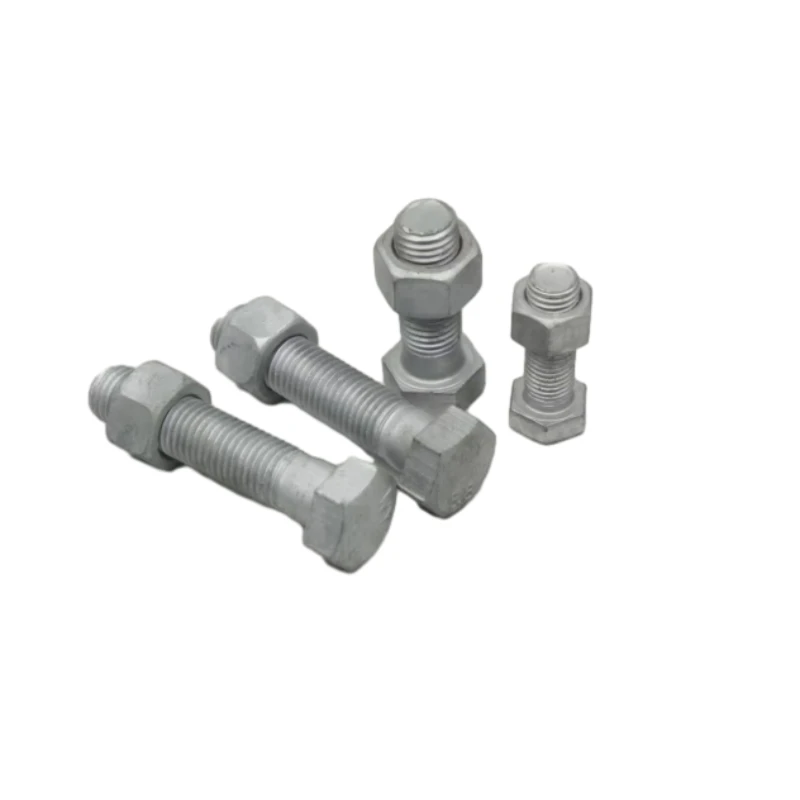
In simple terms, a steel washer plate is a flat, often round or square piece of steel used beneath bolt heads or nuts. It spreads load to prevent damage to surfaces and enhances connection strength. Think of it like the unsung hero holding everything tightly without wearing down the materials it touches.
In modern industry, they’re indispensable for buildings, bridges, heavy machinery — even in humanitarian applications like rapid-deployment shelters where quick, secure assembly is vital to protect lives.
Key Factors That Define Steel Washer Plates
Durability
Manufactured from carbon or alloy steel, washer plates resist corrosion and mechanical stress. Their durability means less maintenance and longer-lasting connections — especially important in harsh environments like coastal zones or industrial plants.
Scalability
Whether you’re fastening tiny machinery parts or massive structural elements, washer plates scale effectively. Sizes vary from tiny washers used in electronics to large plates used for bolted flange connections in bridges.
Cost Efficiency
Because they extend bolt life and prevent damage, steel washer plates save costs over the long haul by reducing repairs or replacements. They’re a modest investment with outsized returns.
Customization
They can be tailored in shape, thickness, and steel grade to fulfill specific engineering needs — a flexibility that engineers appreciate deeply.
Load Distribution
A steel washer plate spreads the load evenly across the surface, reducing stress concentrations that could otherwise lead to cracks or deformation.
Product Specifications of Typical Steel Washer Plates
| Specification | Details |
|---|---|
| Material | Carbon Steel, Stainless Steel, Alloy Steel |
| Thickness | 2 mm to 20 mm (custom sizes available) |
| Dimensions | Diameter from 10 mm to 300 mm |
| Finish | Galvanized, Painted, Black Oxide |
| Standards | ISO 898-2, ASTM F436 |
Global Applications and Use Cases
Steel washer plates find applications everywhere that reliable bolted joints matter.
- Infrastructure: Used extensively in bridges, power plants, and pipelines worldwide, particularly in Asia and Europe.
- Construction: Key in commercial and residential buildings across North America and emerging economies.
- Industrial Machinery: They stabilize critical parts under heavy vibrations in factories.
- Disaster Relief: In post-disaster shelter construction, steel washer plates enable fast, sturdy assembly of modular units.
- Renewables: Integral in assembling wind turbines and solar panel mounting systems, aiding the green revolution.
For instance, after the 2015 Nepal earthquake, rapid reconstruction efforts heavily relied on modular steel components fortified with washer plates to ensure safety in seismic conditions.
Steel washer plate solutions have also been critical in remote industrial zones, where supply chain challenges demand reliable, easy-to-install components.
Advantages and Long-Term Value
Steel washer plates offer a neat blend of practical and intangible benefits:
- Cost savings: Reduce maintenance expenses by preventing bolt and surface damage.
- Sustainability: Long lifespan contributes to fewer replacements, lowering material waste.
- Safety and Trust: Engineers and builders gain confidence in connection strength, enhancing overall structural safety.
- Innovation: They enable cutting-edge modular designs in construction and manufacturing.
- Social impact: Support quick shelter deployment in crises, preserving human dignity.
It’s odd how often we overlook these small parts, but their role in innovation and resilience is foundational. Without them, entire systems might fail or underperform.
Future Trends and Innovations
Looking ahead, steel washer plates are poised to evolve along several fronts:
- Advanced Materials: Development of corrosion-resistant alloys and coatings enhancing lifespan.
- Smart Fastening: Embedded sensors to monitor bolt tension and alert for maintenance.
- Sustainability Policies: Push toward recycled steel content to meet circular economy standards.
- Automation: Integration with robotic assembly lines for precision installation, especially in modular construction.
These trends show that even classic components like washer plates adapt with digital transformation waves sweeping the industry.
Challenges and Solutions
Despite their robustness, washer plates face challenges such as:
- Corrosion: In extreme environments, corrosion can degrade performance. Solution? Better coatings or composite materials.
- Standardization: Variations in standards complicate international projects. Efforts toward global standards (ISO) are ongoing.
- Supply Chain Disruptions: Availability can lag in remote locations; local manufacturing and inventory forecasting help mitigate this.
Vendor Comparison: Steel Washer Plate Suppliers
| Vendor | Range of Sizes | Materials | Custom Options | Lead Time |
|---|---|---|---|---|
| WRK Formwork | 10 mm – 300 mm | Carbon, Stainless, Alloy steel | High (custom sizes, finishes) | 2–4 weeks |
| Global Steel Supplies | 15 mm – 250 mm | Carbon, Galvanized steel | Medium | 3–5 weeks |
| Engineered Components Corp. | 20 mm – 280 mm | Stainless Steel only | Low (mostly standard sizes) | 1–3 weeks |
FAQ: Frequently Asked Questions About Steel Washer Plates
Q1: What makes steel washer plates better than plastic or rubber washers?
A1: Steel washer plates offer superior load distribution, much greater durability under mechanical stress, and higher resistance to temperature and chemical exposure, making them essential in heavy-duty and safety-critical applications.
Q2: How do I know which thickness of washer plate to use?
A2: Thickness depends on bolt size, load requirements, and surface rigidity. Engineers typically refer to standards like ASTM F436 to determine appropriate sizes. Consulting a structural engineer is advisable for safety.
Q3: Can steel washer plates be used in corrosive environments?
A3: Yes, especially if made from stainless steel or coated with protective finishes like galvanization or black oxide. Proper material and coating selection is vital to prevent corrosion.
Q4: Are custom shapes available for unique engineering projects?
A4: Absolutely. Many vendors, including steel washer plate suppliers, offer customization in shape, size, and finish to meet specialized requirements.
Q5: How do steel washer plates contribute to disaster relief construction?
A5: They enable the quick assembly of modular shelters by ensuring secure, load-distributing connections, which is critical for safety during rapid deployments.
Conclusion
Though often overlooked, the steel washer plate is a quietly indispensable element of modern engineering — combining durability, adaptability, and cost efficiency to support global infrastructure, industry, and humanitarian efforts. As the world grows more interconnected and environmentally conscious, the role of robust fastening solutions like steel washer plates will only become more vital. Curious to learn more or find the right steel washer plate for your next project? Visit our website: https://www.wrkformwork.com.
Mini takeaway: Next time you admire a sturdy bridge or a modular shelter, spare a thought for those steel plates doing the heavy work behind the scenes.
References
Latest News
-
Adjustable U Jack: Essential Guide to Specifications, Applications & VendorsNewsDec.03,2025
-
Adjustable U Head Jack: Essential Guide to Benefits, Specs & Global UseNewsDec.03,2025
-
What Is an Adjustable U Head? Benefits, Uses & Supplier Comparison in ConstructionNewsDec.03,2025
-
Steel Joint Connector Nut: Essential Fastening Solutions for Modern InfrastructureNewsDec.02,2025
-
Nut Connector: Key Roles, Applications & Innovations in Modern IndustryNewsDec.02,2025
-
Nut Adaptor: A Key Component Bridging Industry Standards and Enhancing Assembly EfficiencyNewsDec.02,2025