Oct . 27, 2025 15:10 Back To List
Rubber Waterstop for Concrete | Leak-Proof, PVC & Swellable
rubber waterstop is a key solution in the Building materials industry, specifically within Building waterproof materials and waterstop. This article explores how CANGZHOU WORLD CUP TRADING CO.,LTD. supports professionals with durable, high-performance products, and explains why this product is an ideal choice for businesses in these sectors.
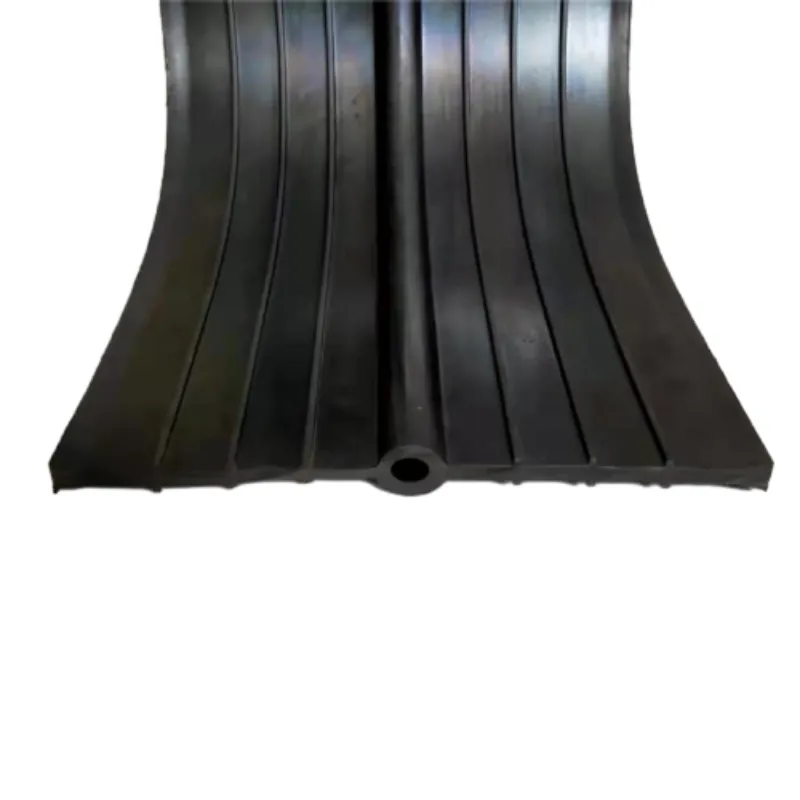
Table of Contents
- rubber waterstop Overview
- Benefits & Use Cases of rubber waterstop in waterstop
- Cost, Maintenance & User Experience
- Sustainability & Market Trends in Building materials industry
- Conclusion on rubber waterstop from CANGZHOU WORLD CUP TRADING CO.,LTD.
rubber waterstop Overview
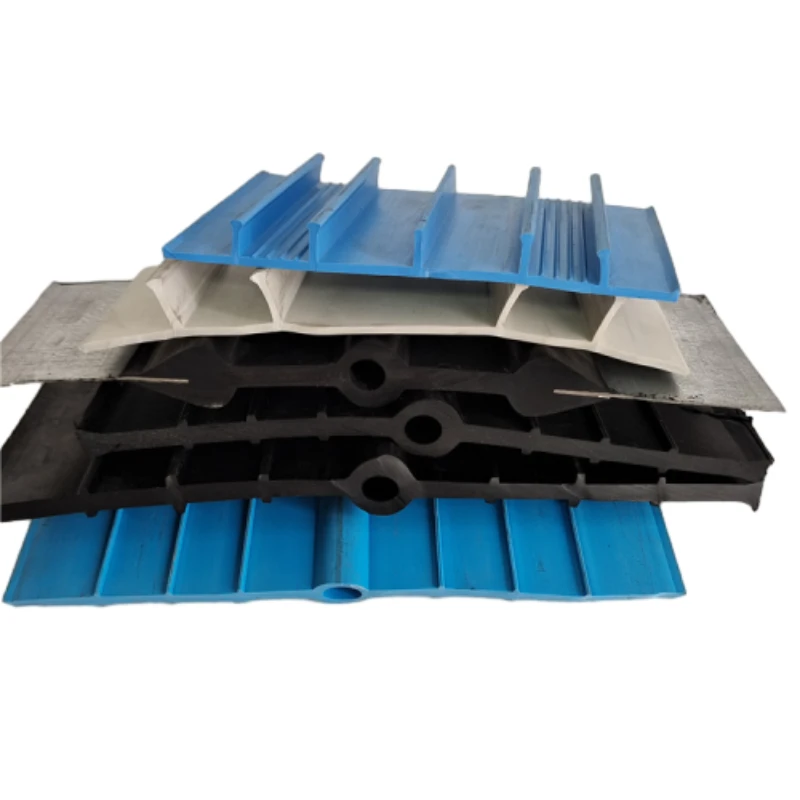
A rubber waterstop is an embedded joint sealing profile designed to prevent water migration through concrete joints in water-retaining or water-excluding structures. Installed at expansion, construction, and contraction joints, it creates a continuous physical barrier that accommodates movement while resisting hydrostatic pressure. Typical compounds include NR/SBR, neoprene, and EPDM for superior elasticity, tear strength, and ozone/weather resistance. Common profiles include center-bulb (for expansion joints), dumbbell (for minimal movement), and ribbed types for enhanced keying to concrete.
Standard sizes often range from 150–350 mm in width and 6–10 mm in thickness, with center-bulb diameters around 10–25 mm, supporting head pressures encountered in basements, tunnels, tanks, culverts, and wastewater plants. While rubber waterstop for concrete excels in fatigue and temperature tolerance, CANGZHOU WORLD CUP TRADING CO.,LTD. also offers complementary options like pvc water stopper and swellable waterstop to match different joint types and construction methods. As a reliable manufacturer, the company provides engineered profiles, custom intersections, and technical guidance—from profile selection to splicing methods—for consistent, project-ready performance.
Benefits & Use Cases of rubber waterstop in waterstop
Rubber waterstops are specified in water tanks, STPs, basements, retaining walls, parking podiums, swimming pools, dams, tunnels, and box culverts—anywhere hydrostatic pressure, cyclic movement, or long service life is expected. The material’s resilience handles joint opening/closing, vibration, and temperature cycles better than many thermoplastics. For construction joints with minimal movement, dumbbell profiles are common, while center-bulb profiles are favored at expansion joints to accommodate higher displacement without compromising watertightness.
- Competitive advantages: high elongation, tear resistance, chemical and aging resistance, robust anchoring ribs, and excellent performance under sustained head pressure.
- Versus pvc water stopper: rubber typically offers better performance in hot/cold extremes and repeated movement; pvc water stopper seal remains a cost-effective, weldable choice for many standard joints.
- Complementary systems: swellable waterstop is ideal at pipe penetrations or confined/blindside details where concrete consolidation is complex.
- CANGZHOU WORLD CUP TRADING CO.,LTD. supports design submittals, provides custom vulcanized intersections, and guides installers on proper splicing and placement to reduce leakage risk.
Cost, Maintenance & User Experience
Total cost of ownership for a rubber waterstop includes product selection, intersections/splicing, installation time, and the avoided costs of leak remediation. While the unit price can be higher than a typical pvc water stopper price, the ROI is compelling in high-risk joints or structures with demanding loading, where long-term watertightness prevents costly downtime, repair injections, or demolition. CANGZHOU WORLD CUP TRADING CO.,LTD. offers a full range of pvc water stopper size options and rubber profiles, enabling value engineering per joint type and pressure class.
- Durability: rubber compounds deliver long service life with minimal maintenance once correctly embedded and spliced (vulcanized/cold-bonded per guidance).
- Installation quality: proper alignment, secure tying, clean formwork, and full concrete consolidation at ribs/bulb reduce honeycombing and seepage risks.
- User feedback: contractors value factory-molded intersections, clear submittals, and on-call technical support—factors that shorten learning curves and minimize call-backs.
Sustainability & Market Trends in Building materials industry
Water stewardship, decarbonization, and resilience are reshaping waterproofing choices. Specifying durable joint seals reduces leakage, water loss, and maintenance interventions over a structure’s life—lowering embodied repair impacts. Trends include increased use of BIM for clash-free placement, prefabricated intersections to reduce site waste, and material selections that balance performance with environmental considerations. Rubber waterstop and pvc water stopper systems both play roles in resilient infrastructure and building retrofit markets.
- CANGZHOU WORLD CUP TRADING CO.,LTD. prioritizes longevity, precise manufacturing, and optimized packaging to reduce breakage and waste on-site, supporting better project outcomes and fewer replacements.
- By offering a complete portfolio—rubber waterstop for concrete, pvc water stopper, and swellable waterstop—the company helps specifiers match solutions to joint movement, exposure, and constructability, aligning performance with sustainability goals.
Conclusion on rubber waterstop from CANGZHOU WORLD CUP TRADING CO.,LTD.
For B2B decision makers in the Building materials industry, rubber waterstop remains a reliable, high-performance choice for safeguarding concrete joints in critical structures. Backed by comprehensive profiles, custom intersections, and technical support, CANGZHOU WORLD CUP TRADING CO.,LTD. delivers consistent value—alongside complementary options like pvc water stopper and swellable waterstop to cover every joint condition. Partner with a supplier focused on durability, constructability, and lifecycle performance.
- Recap: rubber waterstop ensures watertight concrete joints across water-retaining/excluding structures with proven resilience and long service life.
- CANGZHOU WORLD CUP TRADING CO.,LTD. is a trusted manufacturer and partner for end-to-end project support.
- Strong CTA: Contact us: email: annie@wrkgroup.ltd — Visit our website: https://www.wrkformwork.com
Latest News
-
High Quality Drywall Corner Metal Strip for Perfect Wall EdgesNewsApr.16,2026
-
Corner Metal for Drywall Guide for Perfect Professional EdgesNewsApr.09,2026
-
Comprehensive Guide to Corner Metal Drywall Installation and Material ChoicesNewsApr.07,2026
-
Comprehensive Guide to Corner Metal Bead for Durable Construction ProjectsNewsApr.04,2026
-
Comprehensive Guide to Corner Drywall Metal Installation and SelectionNewsMar.31,2026
-
Understanding Corner Bit Metal Applications and Sourcing for Robust StructuresNewsMar.28,2026