Mar . 11, 2026 02:15 Back To List
Comprehensive Guide to Aluminium Corner Bead for Professional Plastering
Understanding Aluminium Corner Bead: A Comprehensive Guide
Aluminium corner bead is a vital component in construction and plastering, providing a durable and precise edge for both internal and external corners. This article will explore its uses, benefits, installation, and different types, helping you understand how to best utilise this essential building material. Whether you're a seasoned contractor or a DIY enthusiast, this guide provides the information you need to choose the right aluminium corner bead for your project and ensure a professional finish. It's crucial to select quality corner bead to maintain structural integrity and aesthetic appeal.
What is Aluminium Corner Bead and Why Use It?
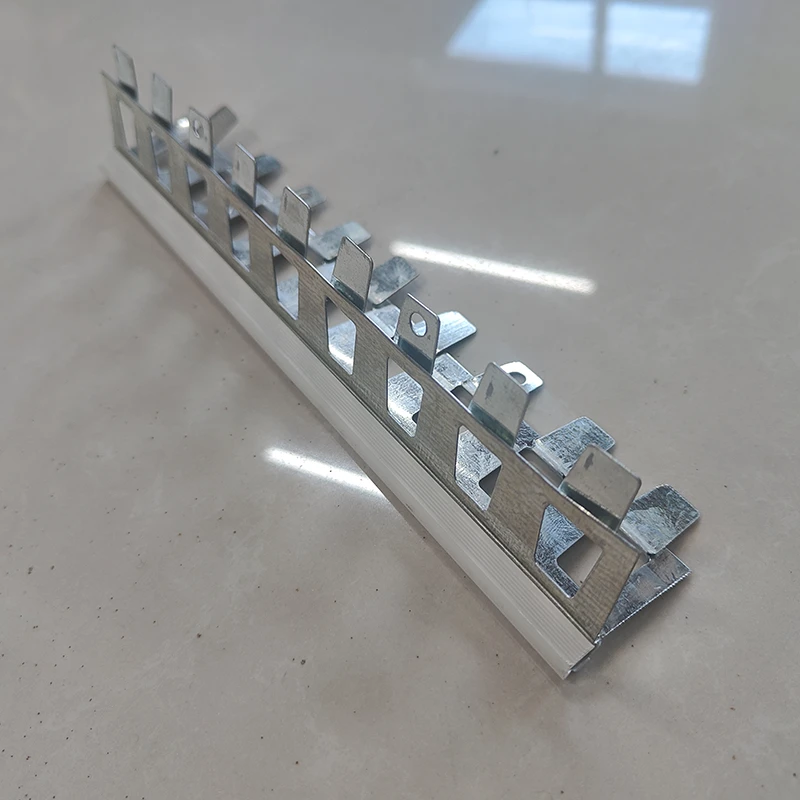
Aluminium corner bead is a metal profile, typically made of aluminium, designed to protect and finish the exposed edges of plaster, stucco, or rendering. It’s applied to external corners of walls, providing a straight, durable edge. Unlike traditional wooden corner bead, aluminium is resistant to rot, insect damage, and deformation. It also provides a consistent and accurate surface for tooling and finishing, resulting in a professional-looking result. Its lightweight nature makes it easy to handle and install. The use of aluminium corner bead significantly reduces the need for repairs and re-finishing over time.
Key Benefits: Resistance to rot and insect damage, lightweight and easy to install, provides a straight and durable edge, reduces the need for repairs.
Types of Aluminium Corner Bead
Aluminium corner bead comes in various profiles to suit different applications and aesthetic preferences. Some common types include:
- Plain Bead: A simple, flat profile, ideal for general plastering and rendering.
- Dovetail Bead: Features a dovetail-shaped flange, providing a stronger key to the substrate.
- Radius Bead: Has a rounded edge, suitable for creating softer, more decorative corners.
- Mesh Backed Bead: Includes a mesh backing for easier embedding in plaster or rendering.
The choice of bead depends on the desired finish, the type of substrate, and the level of impact resistance required.
Choosing the Right Bead:
• Consider the substrate material (brick, concrete, plasterboard).
• Choose a profile that matches the desired aesthetic.
• Select a bead with appropriate backing for easy installation.
Aluminium Corner Bead vs. Other Materials: A Comparison
While other materials like stainless steel and PVC corner bead are available, aluminium provides a balance of cost, durability, and ease of installation. Here’s a comparison:
Installation Best Practices for Aluminium Corner Bead
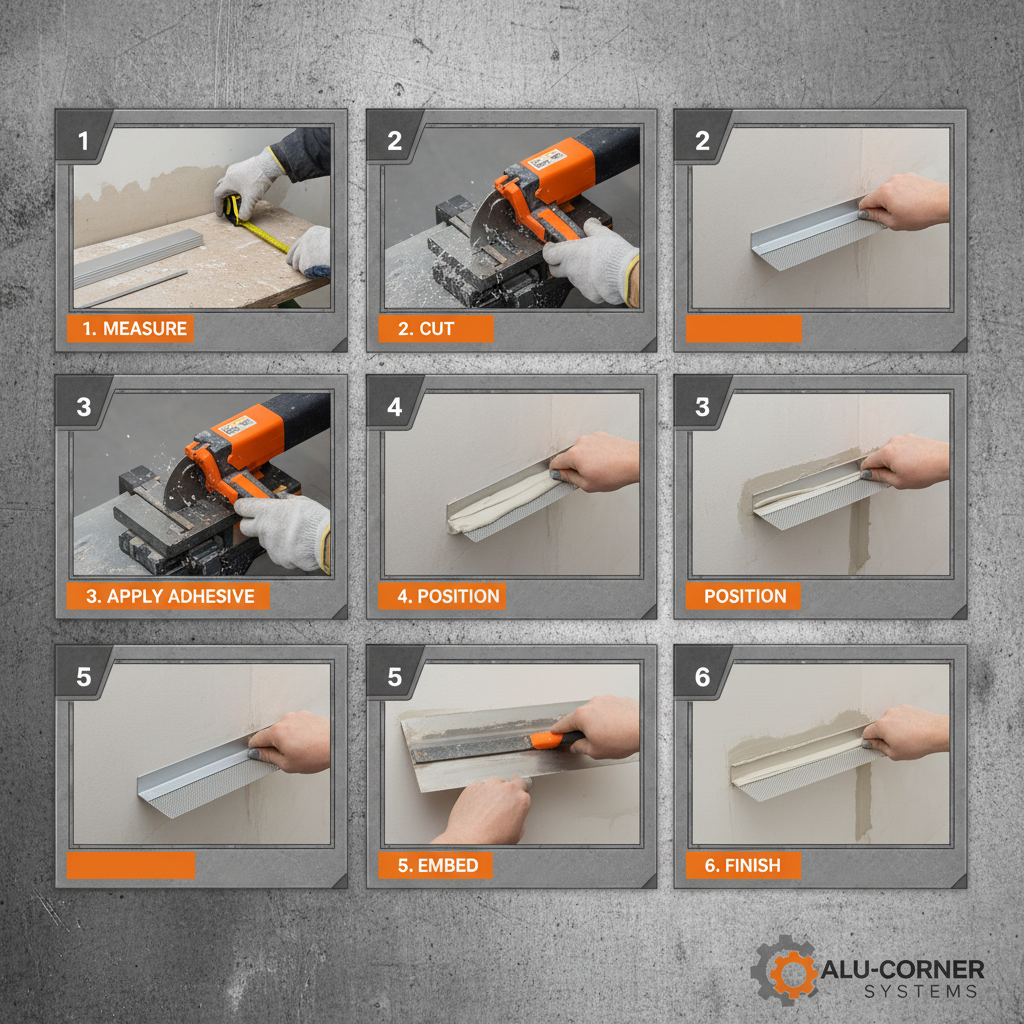
Proper installation is essential for a durable and aesthetically pleasing finish. Here are some key steps:
- Surface Preparation: Ensure the corner is clean, dry, and free of loose debris.
- Bead Placement: Position the corner bead accurately, ensuring it’s straight and plumb.
- Fixing: Secure the bead using appropriate fixings, such as nails or screws. Mesh-backed bead can be embedded directly into wet plaster.
- Plastering/Rendering: Apply the plaster or rendering to the corner, ensuring it fills the profile of the bead completely.
- Finishing: Once the plaster has dried, tool the edge to create a smooth, sharp finish.
Always follow the manufacturer’s instructions for specific installation guidelines. Using quality fixings and applying consistent pressure during installation are crucial for success.
Where to Buy High-Quality Aluminium Corner Bead
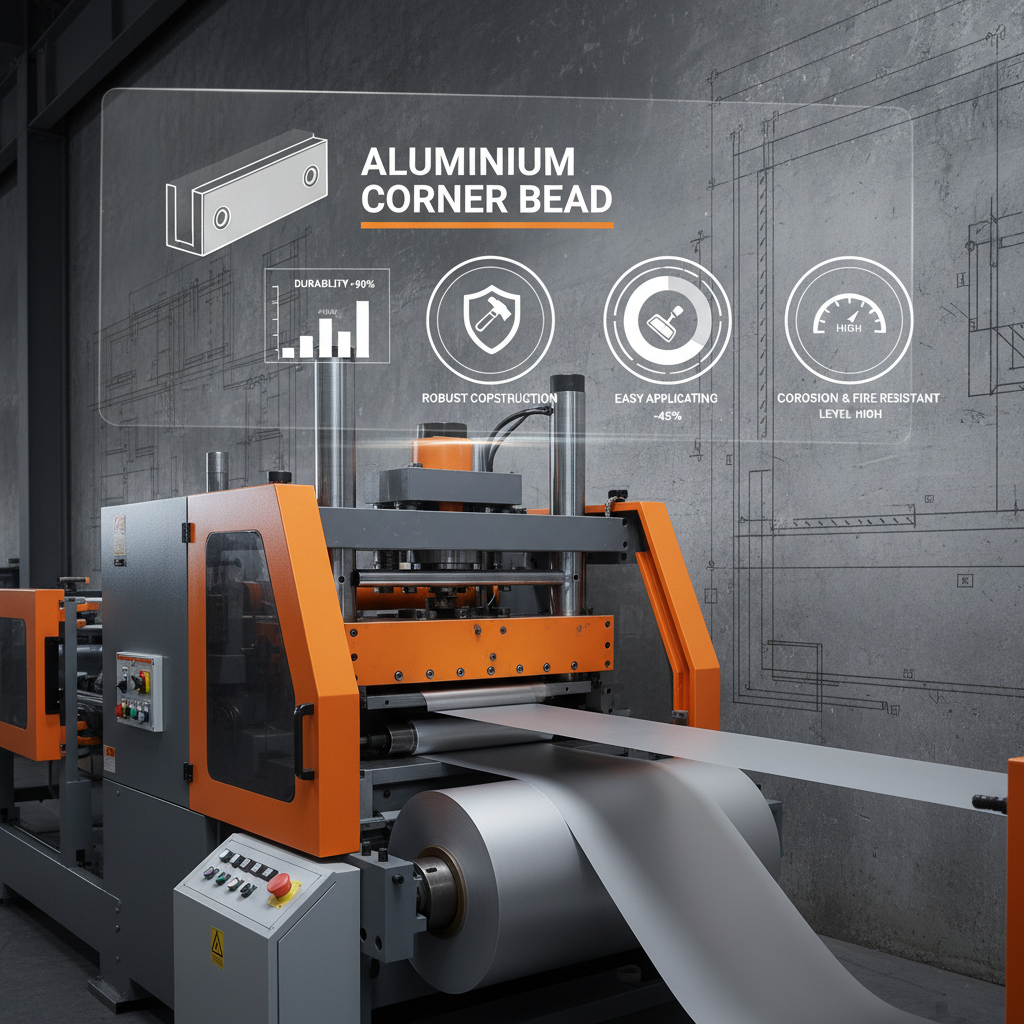
Choosing a reputable supplier is critical to ensure you receive high-quality aluminium corner bead. WRK Formwork offers a comprehensive range of corner bead profiles, manufactured to exacting standards. We provide reliable products and excellent customer service. Explore our selection today to find the perfect solution for your project!
Conclusion: Achieving Professional Results with Aluminium Corner Bead
Investing in quality aluminium corner bead from a trusted supplier like WRK Formwork is essential for any construction or plastering project. Its durability, ease of installation, and aesthetic benefits make it a worthwhile investment. By following proper installation techniques, you can achieve a professional, long-lasting finish that enhances the appearance and integrity of your work.
Frequently Asked Questions (FAQs)
What is the best way to cut aluminium corner bead?
Aluminium corner bead can be cut using a variety of tools, including tin snips, aviation snips, or a hacksaw. For precise cuts, especially on larger quantities, a chop saw with a non-ferrous metal blade is recommended. Always wear appropriate safety glasses and gloves when cutting metal. Ensure the cut is clean and smooth to avoid sharp edges that could cause injury.
Can aluminium corner bead be used outdoors?
Yes, aluminium corner bead is suitable for outdoor use as it is resistant to rust and corrosion. However, it's important to choose a bead specifically designed for exterior applications, which may have a thicker gauge and enhanced protective coating. Proper installation and sealing with appropriate exterior-grade finishes will further enhance its durability and longevity.
How do I fix mesh-backed corner bead?
Mesh-backed corner bead is designed to be embedded directly into wet plaster or render. Simply apply the wet material firmly over the mesh backing, ensuring it fully encapsulates the bead. Use a trowel to press the material into the mesh, creating a strong bond. Avoid disturbing the bead once it’s embedded to maintain a straight and accurate edge.
Latest News
-
High Quality Drywall Corner Metal Strip for Perfect Wall EdgesNewsApr.16,2026
-
Corner Metal for Drywall Guide for Perfect Professional EdgesNewsApr.09,2026
-
Comprehensive Guide to Corner Metal Drywall Installation and Material ChoicesNewsApr.07,2026
-
Comprehensive Guide to Corner Metal Bead for Durable Construction ProjectsNewsApr.04,2026
-
Comprehensive Guide to Corner Drywall Metal Installation and SelectionNewsMar.31,2026
-
Understanding Corner Bit Metal Applications and Sourcing for Robust StructuresNewsMar.28,2026