Mar . 12, 2026 02:15 Back To List
Comprehensive Guide to Aluminum Corner Bead for Drywall Finishing
Understanding Aluminum Corner Bead: A Comprehensive Guide
Aluminum corner bead is a crucial component in drywall finishing, providing a clean and durable edge for both interior and exterior corners. It protects the vulnerable edges of drywall from damage during construction and daily wear and tear. Choosing the right aluminum corner bead can significantly impact the longevity and aesthetic appeal of your projects. This article provides a detailed overview of aluminum corner bead, including its uses, types, installation, benefits, and where to purchase high-quality corner bead. Understanding these aspects will help you select the best corner bead for your specific needs.
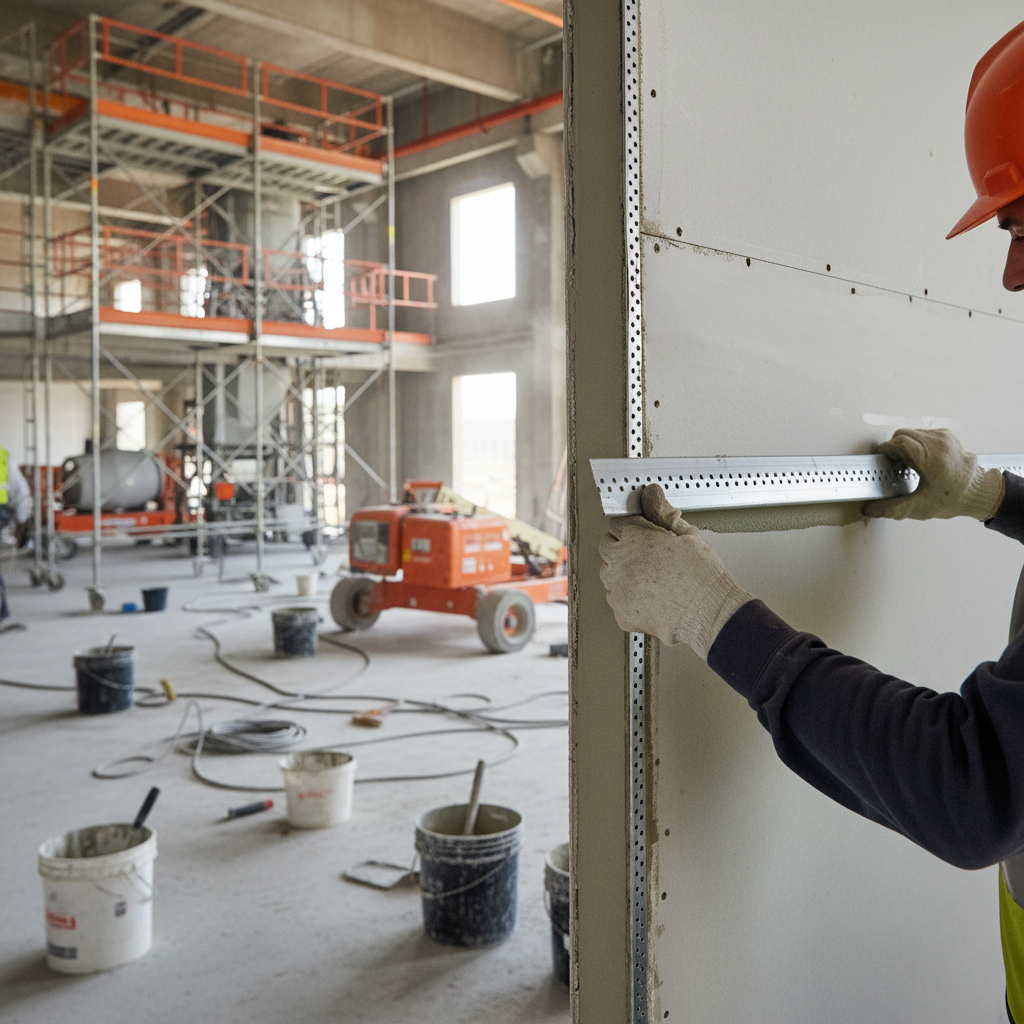
What is Aluminum Corner Bead and Why Use It?
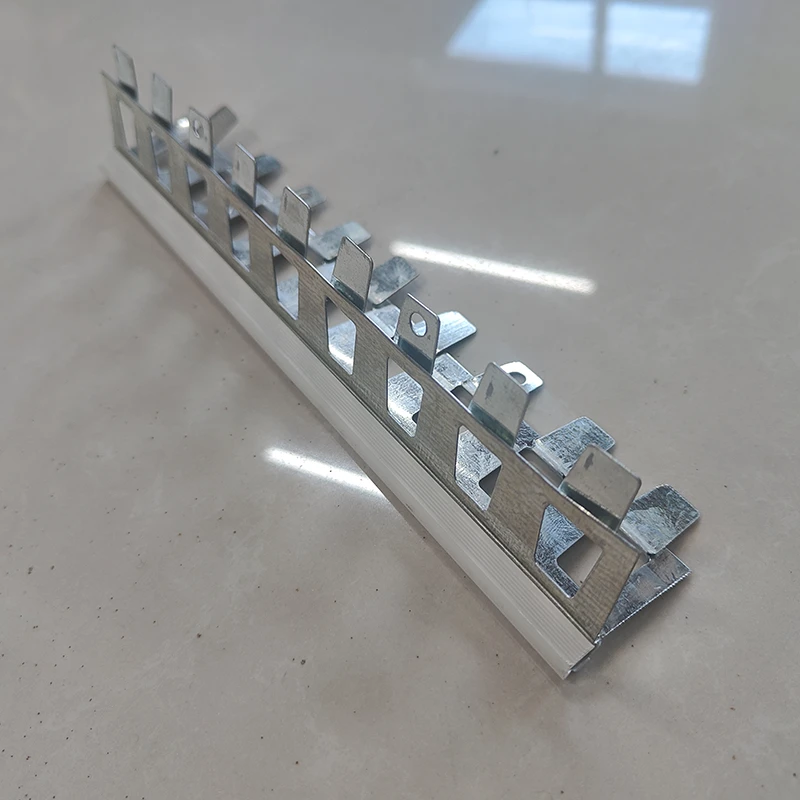
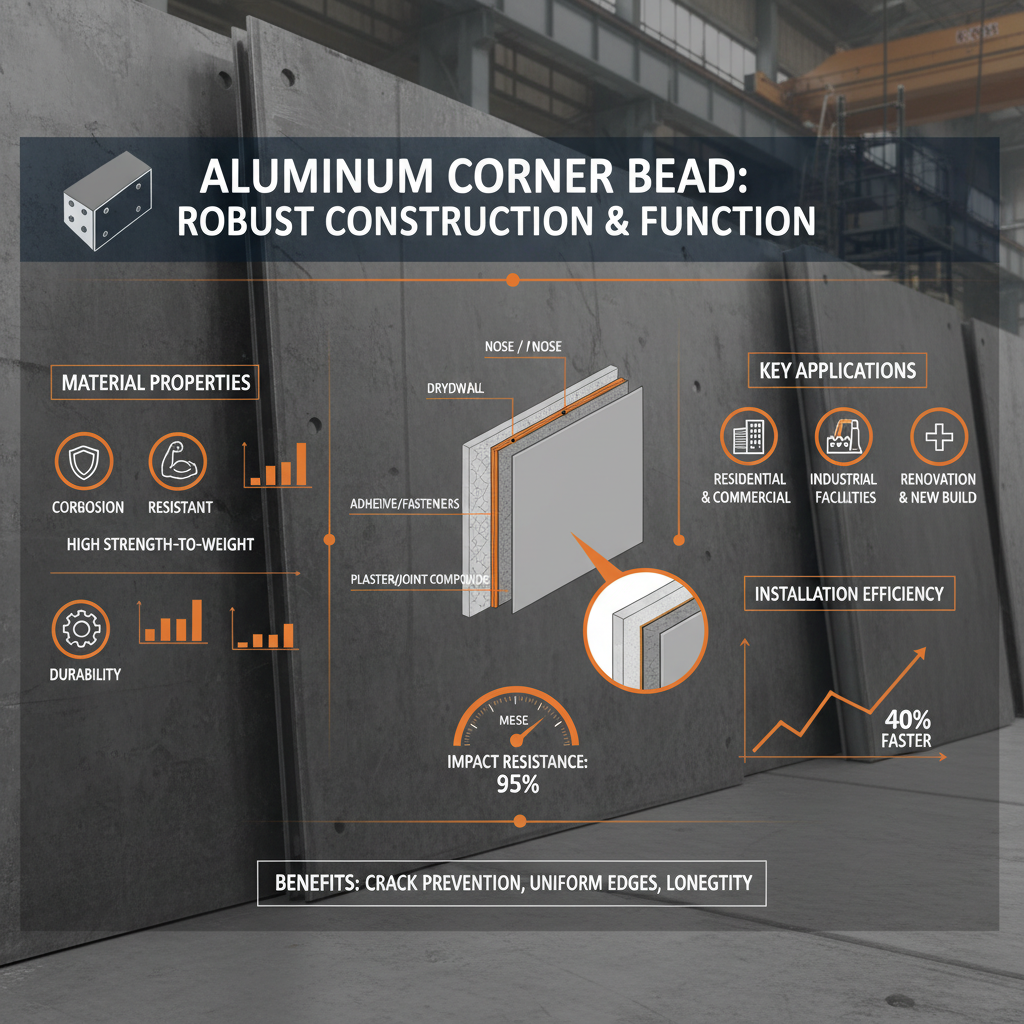
Aluminum corner bead is a metal strip, typically made of aluminum, with a 90-degree angle. It is embedded in plaster or drywall compound to create a straight, reinforced corner. Unlike plastic corner bead, aluminum provides exceptional durability and is less prone to denting or warping. Its resistance to rust and corrosion makes it suitable for both interior and exterior applications. Using aluminum corner bead ensures a professional-looking finish and minimizes the risk of corner damage, ultimately saving you time and money on repairs. Furthermore, aluminum corner bead provides a better surface for applying paint and other finishes, resulting in a more polished and professional appearance.
Key Benefits: Exceptional durability, rust and corrosion resistance, professional finish, minimizes corner damage, and a superior surface for finishes.
Types of Aluminum Corner Bead
Aluminum corner bead comes in various types, each designed for specific applications. The most common types include:
- Solid Aluminum Corner Bead: The most durable option, ideal for high-traffic areas and exterior corners.
- Paper-Faced Aluminum Corner Bead: Has a paper strip attached to one side for easier embedding in drywall compound. Popular for interior applications.
- Flange Aluminum Corner Bead: Features a flange (a flat extension) that provides a larger surface area for attaching to drywall.
- Tear-Away Aluminum Corner Bead: Has a perforated strip that can be torn away after the compound dries, creating a smooth, clean corner.
Selecting the appropriate type depends on factors like the location (interior vs. exterior), the level of traffic, and the desired finish.
Choosing the Right Type:
• Solid: High-traffic, exterior.
• Paper-Faced: Interior, easy embedding.
• Flange: Enhanced adhesion.
• Tear-Away: Smooth finish, convenient.
Aluminum Corner Bead vs. Other Materials: A Comparison
While other materials like plastic and galvanized steel are available, aluminum corner bead generally offers superior performance. Here's a comparison:
Installation Tips for Aluminum Corner Bead
Proper installation is critical for a professional finish. Here are some key tips:
- Measure and Cut: Accurately measure the corner and cut the corner bead slightly longer than needed.
- Apply Compound: Apply a generous layer of drywall compound to the corner.
- Embed the Bead: Press the corner bead firmly into the compound, ensuring it is straight and even.
- Feather the Edges: Apply additional compound to feather the edges of the bead, creating a smooth transition.
- Sand and Finish: Once dry, sand the compound smooth and apply your desired finish.
For tear-away corner bead, carefully remove the perforated strip after the compound has dried completely.
Where to Buy High-Quality Aluminum Corner Bead
Finding a reliable supplier is essential for ensuring you receive high-quality aluminum corner bead. WRK Formwork is a leading provider of corner bead and other drywall accessories. We offer a wide selection of types and sizes to meet your project needs. Browse our catalog today and experience the difference quality materials can make!
Conclusion: Invest in Quality for Lasting Results
Choosing the right aluminum corner bead is a crucial step in any drywall project. It provides durability, a professional finish, and protects corners from damage. By understanding the different types available and following proper installation techniques, you can achieve long-lasting results. Explore the options available at WRK Formwork to find the perfect corner bead for your next project.
Frequently Asked Questions (FAQs)
What is the best way to prevent rust on aluminum corner bead in exterior applications?
While aluminum is naturally corrosion-resistant, prolonged exposure to harsh environments can still cause some oxidation. To minimize this, consider using corner bead with a protective coating. Ensure the surrounding drywall compound is properly sealed and painted with a high-quality exterior paint. Regular inspection and reapplication of paint as needed will further protect the corner bead from the elements. Choosing a thicker gauge aluminum corner bead can also provide greater resistance to corrosion.
Can aluminum corner bead be used on curved surfaces?
While standard aluminum corner bead is designed for 90-degree angles, flexible aluminum corner bead is available for curved surfaces. This type of bead is more malleable and can be bent to follow the contour of the curve. Proper installation requires careful shaping and securing of the bead to ensure a smooth and seamless finish. Always check the manufacturer’s specifications to determine the minimum radius the bead can accommodate.
How much compound should I use when embedding aluminum corner bead?
A generous, even layer of drywall compound is crucial for securely embedding the aluminum corner bead. Apply enough compound to fully cover the sides of the bead, typically around 1/8 to 1/4 inch thick. Ensure the compound extends beyond the bead to allow for feathering and a smooth transition. Avoid applying too little compound, as this can result in a weak hold and potential cracking. Conversely, excessive compound can lead to a bulky and uneven finish. You can find helpful guides and videos on WRK Formwork's resources page.
Latest News
-
High Quality Drywall Corner Metal Strip for Perfect Wall EdgesNewsApr.16,2026
-
Corner Metal for Drywall Guide for Perfect Professional EdgesNewsApr.09,2026
-
Comprehensive Guide to Corner Metal Drywall Installation and Material ChoicesNewsApr.07,2026
-
Comprehensive Guide to Corner Metal Bead for Durable Construction ProjectsNewsApr.04,2026
-
Comprehensive Guide to Corner Drywall Metal Installation and SelectionNewsMar.31,2026
-
Understanding Corner Bit Metal Applications and Sourcing for Robust StructuresNewsMar.28,2026