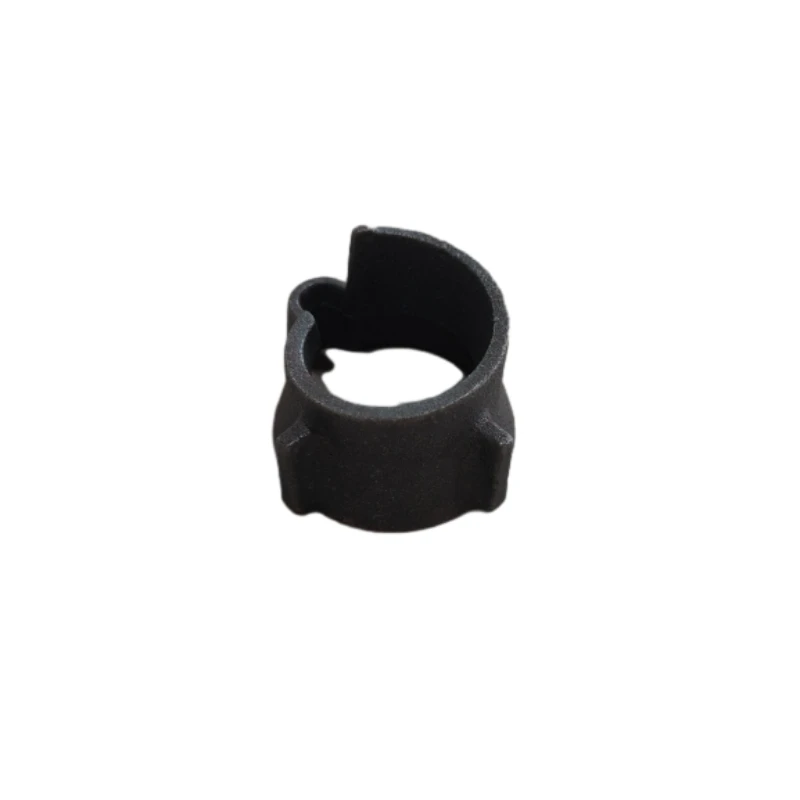
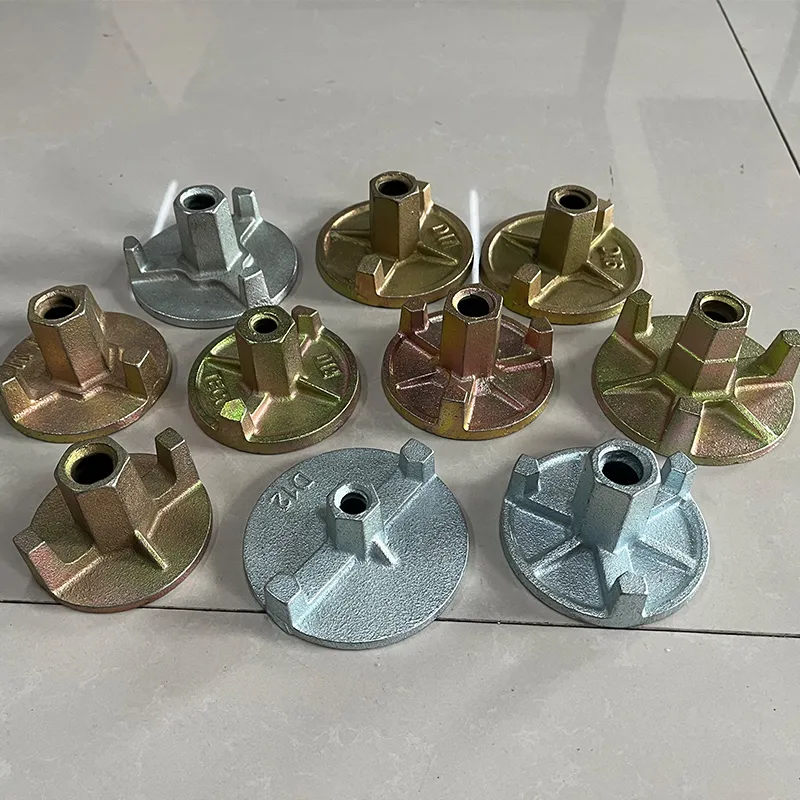
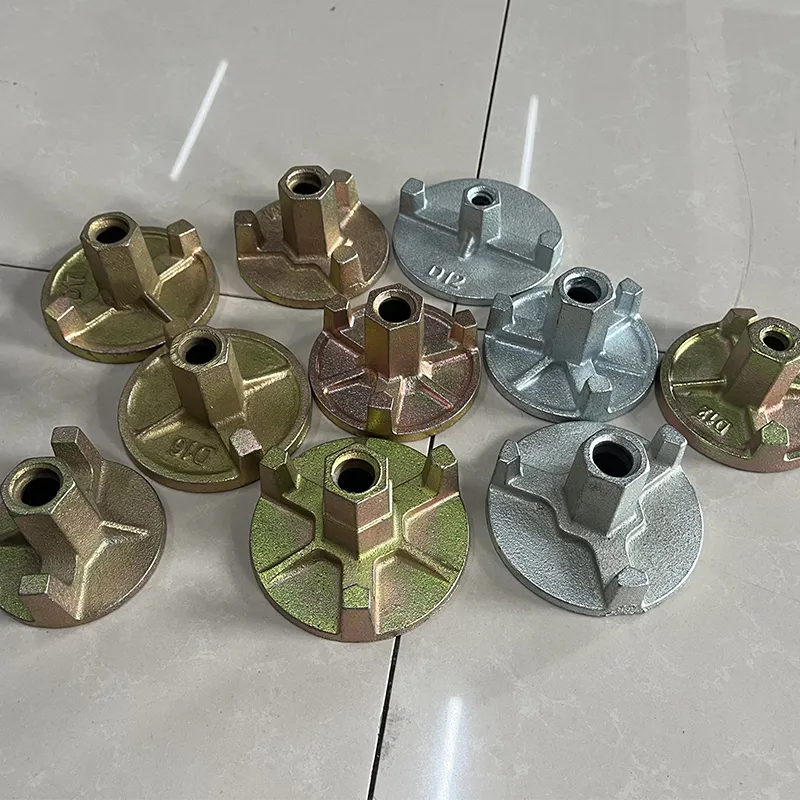
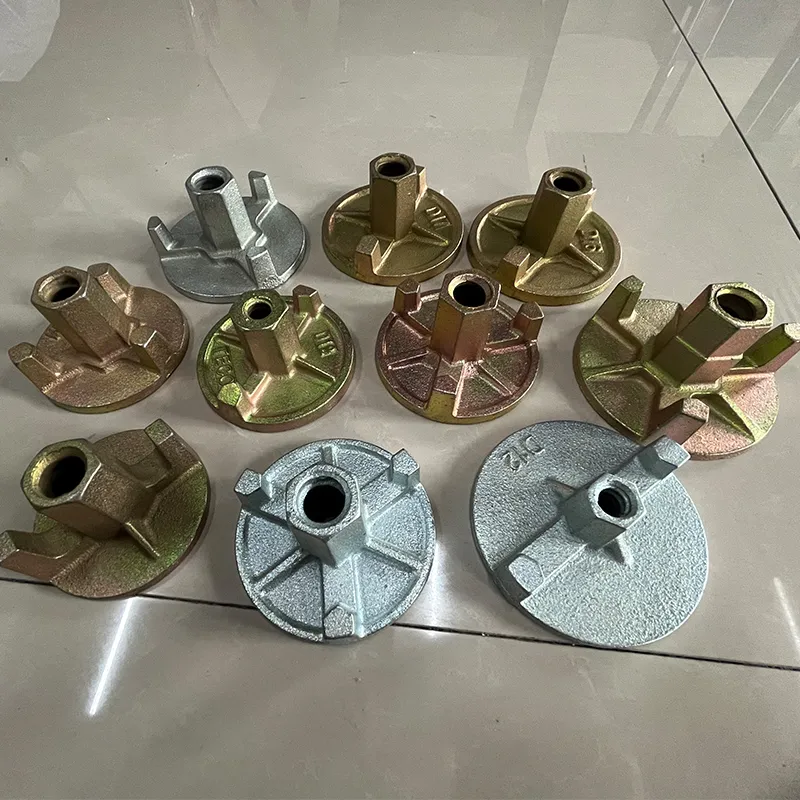
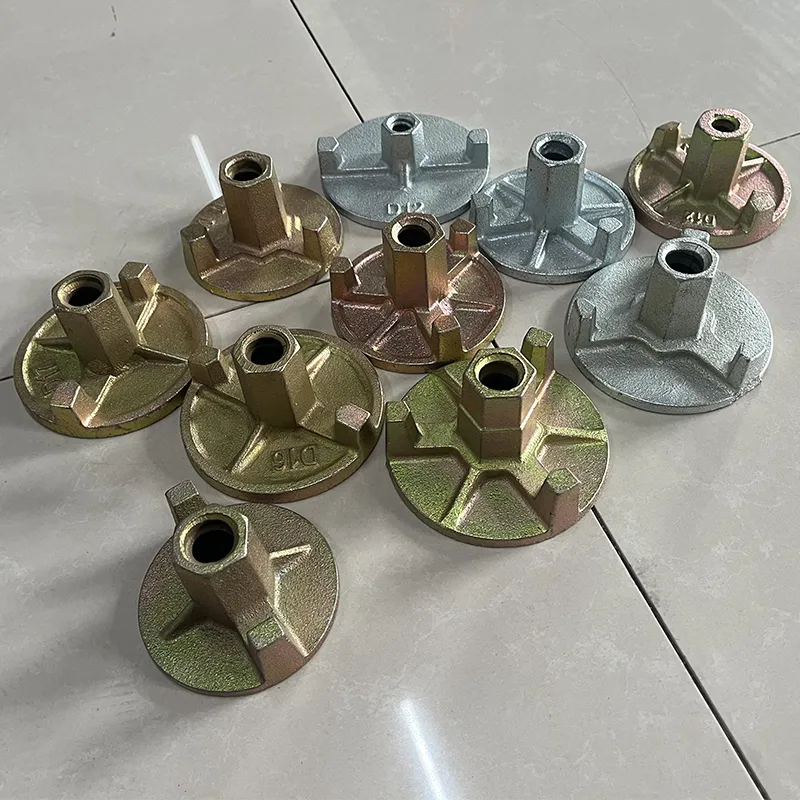
આ ટાઈ નટ્સ ડક્ટાઈલ આયર્ન કાસ્ટિંગ (JIS FCD450) માંથી બનાવવામાં આવે છે અને તેમની મજબૂતાઈ અને ટકાઉપણું માટે જાણીતા છે. તે 10mm, 12mm, 17mm (અથવા D15), 21mm, 23mm (અથવા D20), અને તેથી વધુ જેવા વિવિધ ટાઈ રોડ વ્યાસને પૂર્ણ કરવા માટે વિવિધ કદમાં ઉપલબ્ધ છે. વિંગ નટ્સને વિંગ જેવા આકાર સાથે ડિઝાઇન કરવામાં આવ્યા છે, જે વધારાના સાધનોની જરૂર વગર સરળતાથી હાથથી કડક કરવાની મંજૂરી આપે છે.
કાસ્ટ આયર્ન ફોર્મવર્ક ટાઈ રોડ વિંગ નટ્સને સેલ્ફ કલર અથવા ઝિંક પ્લેટેડમાં ફિનિશ કરી શકાય છે, અને તે અનફાસ્ટનિંગ પછી વારંવાર ઉપયોગ માટે ડિઝાઇન કરવામાં આવ્યા છે. તેમાં થ્રેડેડ ડિઝાઇન છે જેને ફોર્મવર્ક પેનલ્સ વચ્ચે ઇચ્છિત તણાવ પ્રાપ્ત કરવા માટે ગોઠવી શકાય છે.
ટાઈ રોડ વિંગ નટના વ્યાસ, આકાર અને પ્રકાર માટે કસ્ટમાઇઝેશન વિકલ્પો પણ ઉપલબ્ધ છે, જે ચોક્કસ બાંધકામ જરૂરિયાતો અનુસાર તેને તૈયાર કરવાની મંજૂરી આપે છે. વિંગ નટ વિવિધ ટાઈ રોડ સિસ્ટમ્સ સાથે પણ સુસંગત છે અને મજબૂત અને સુરક્ષિત જોડાણ પ્રદાન કરવા માટે વિવિધ ફોર્મવર્ક પેનલ ગોઠવણીઓ સાથે તેનો ઉપયોગ કરી શકાય છે.
કોંક્રિટ બાંધકામ દરમિયાન ફોર્મવર્ક સિસ્ટમ્સની સ્થિરતા અને અખંડિતતા સુનિશ્ચિત કરીને કાસ્ટ આયર્ન ફોર્મવર્ક ટાઈ રોડ વિંગ નટ્સ બાંધકામ પ્રક્રિયામાં મહત્વપૂર્ણ ભૂમિકા ભજવે છે. તેમની ટકાઉપણું, ઉપયોગમાં સરળતા અને કસ્ટમાઇઝેશન વિકલ્પો તેમને બાંધકામ વ્યાવસાયિકોમાં લોકપ્રિય પસંદગી બનાવે છે.
WRK ના પ્રકારો ઓફર કરે છે ફોર્મવર્ક ટાઇ નટ્સ for customer’s different requirements, popular standard sizes as following specifications:
|
કદ |
ડી૧૨*૪ મીમી |
ડી૧૨*૪ મીમી |
OD17*10 મીમી |
OD17*10 મીમી |
OD17*10 મીમી |
OD17*10 મીમી |
OD17*10 મીમી ડી૧૬*૧૦ મીમી |
OD17*10 મીમી |
OD17*10 મીમી |
ડી૧૭*૧૦ મીમી |
ડી૧૭*૧૦ મીમી |
ડી20*10 મીમી |
|
ડિઝાઇન |
|
|
|
|
|
|
|
|
|
|
|
|
|
ડે બેઝ. |
|
|
૮૦ મીમી |
૯૦ મીમી |
૯૦ મીમી |
૯૦ મીમી |
૯૫ મીમી |
૧૦૦ મીમી |
૧૦૦ મીમી |
૧૦૦ મીમી |
૧૧૦ મીમી |
૧૩૦ મીમી |
|
વજન |
|
|
૪૩૦ ગ્રામ |
૫૦૦ ગ્રામ |
૫૦૦ ગ્રામ |
૪૫૦ ગ્રામ |
૫૦૦ ગ્રામ |
૫૩૦ ગ્રામ |
૫૩૦ ગ્રામ |
૬૦૦ ગ્રામ |
૭૦૦ ગ્રામ |
૯૪૦ ગ્રામ |
|
સામગ્રી |
ડ્યુક્ટાઇલ કાસ્ટ આયર્ન JIS FCD450 |
|||||||||||
|
સપાટી |
કુદરત/પીળો ગેલ્વેનાઈઝ્ડ/સ્લિવર ગેલ્વેનાઈઝ્ડ |
|||||||||||
|
પેકેજો |
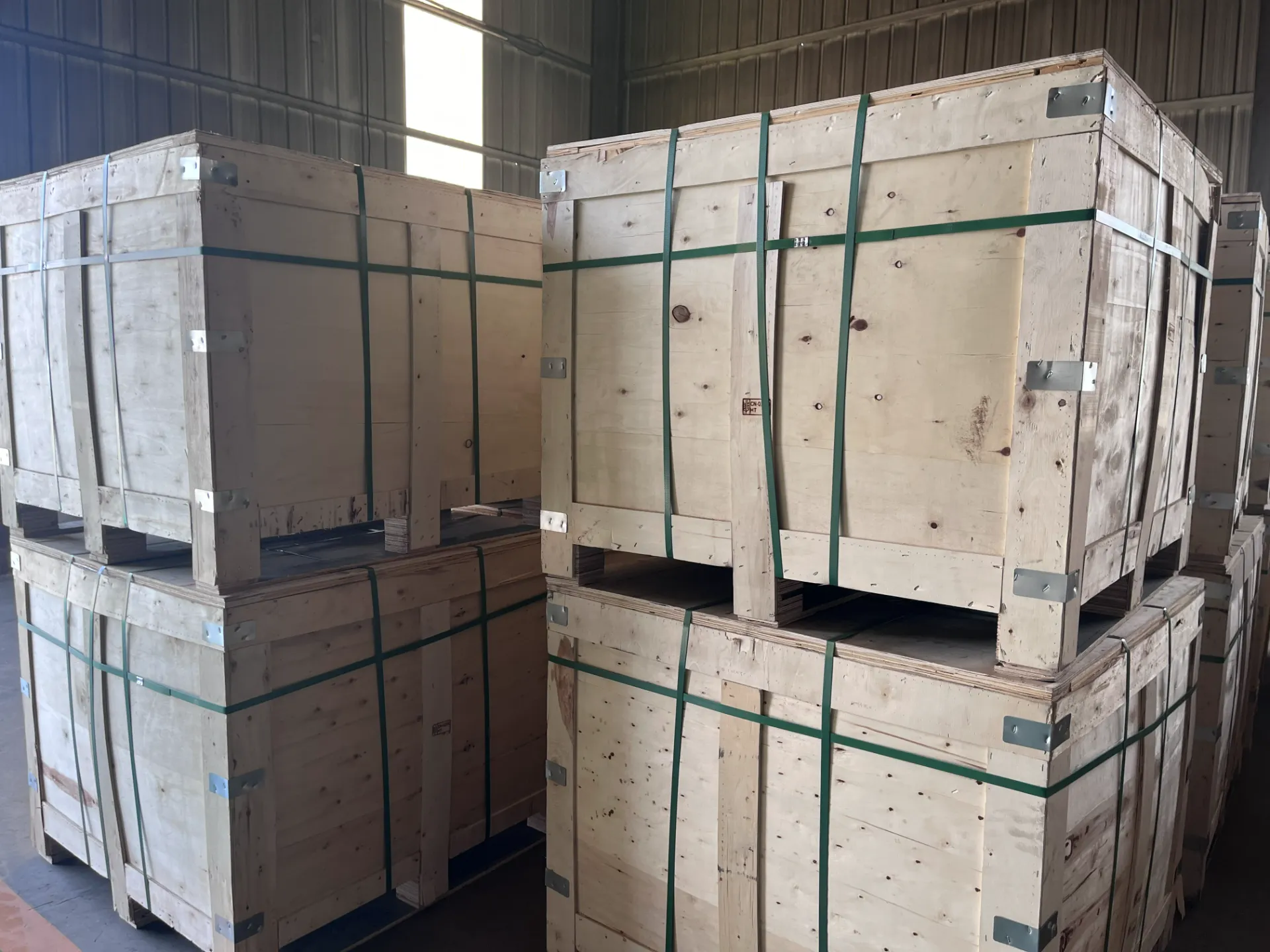
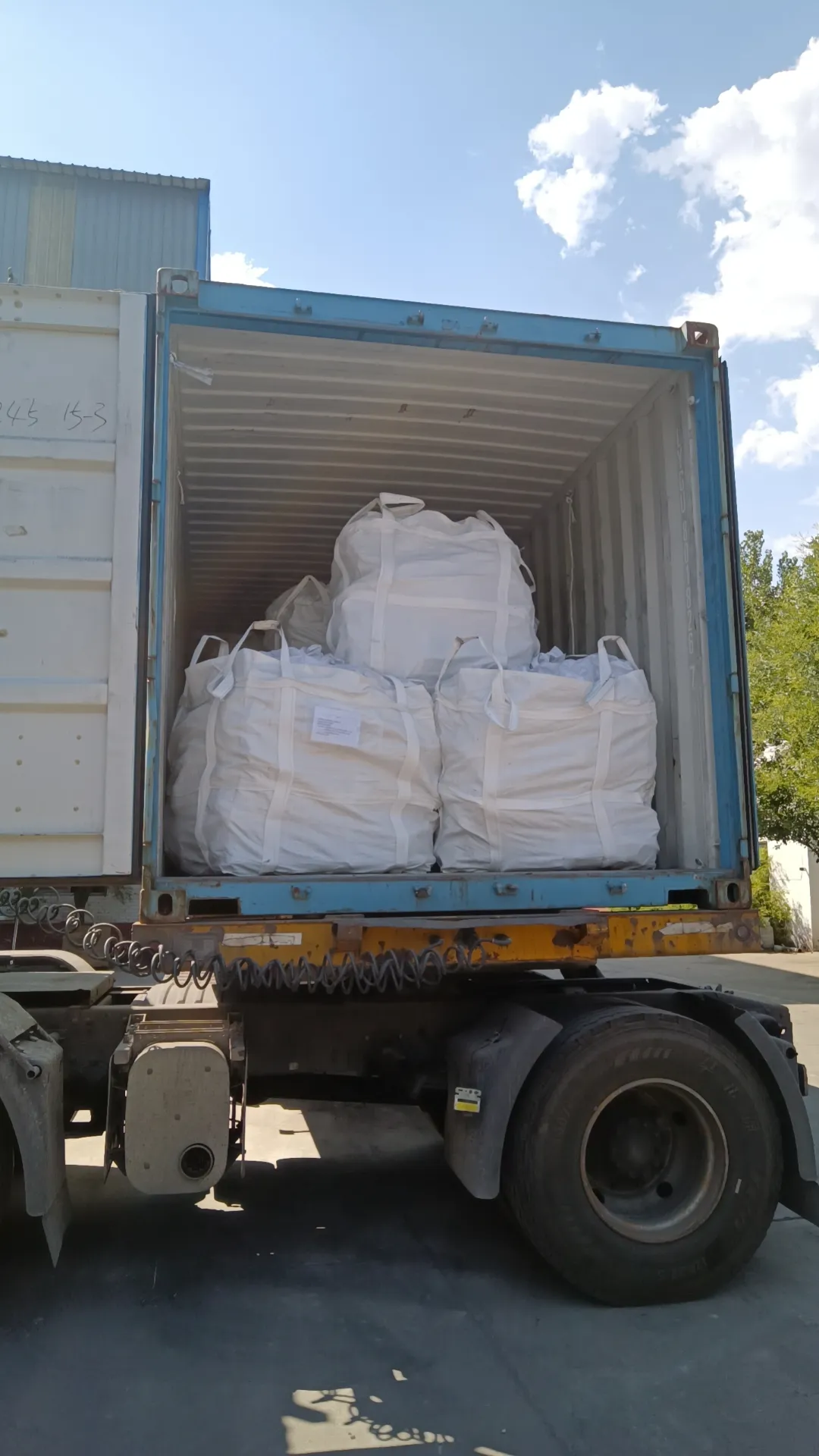
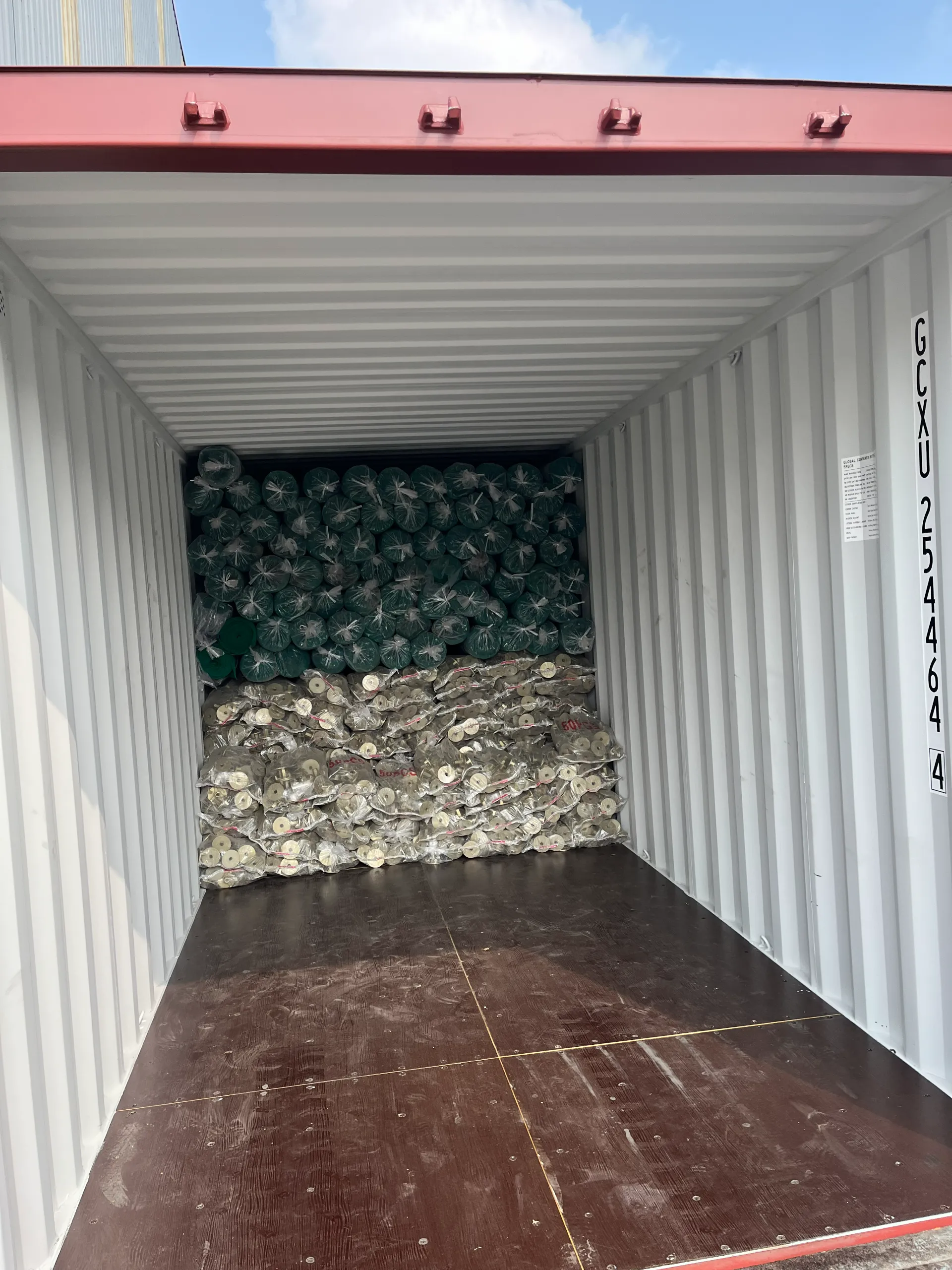
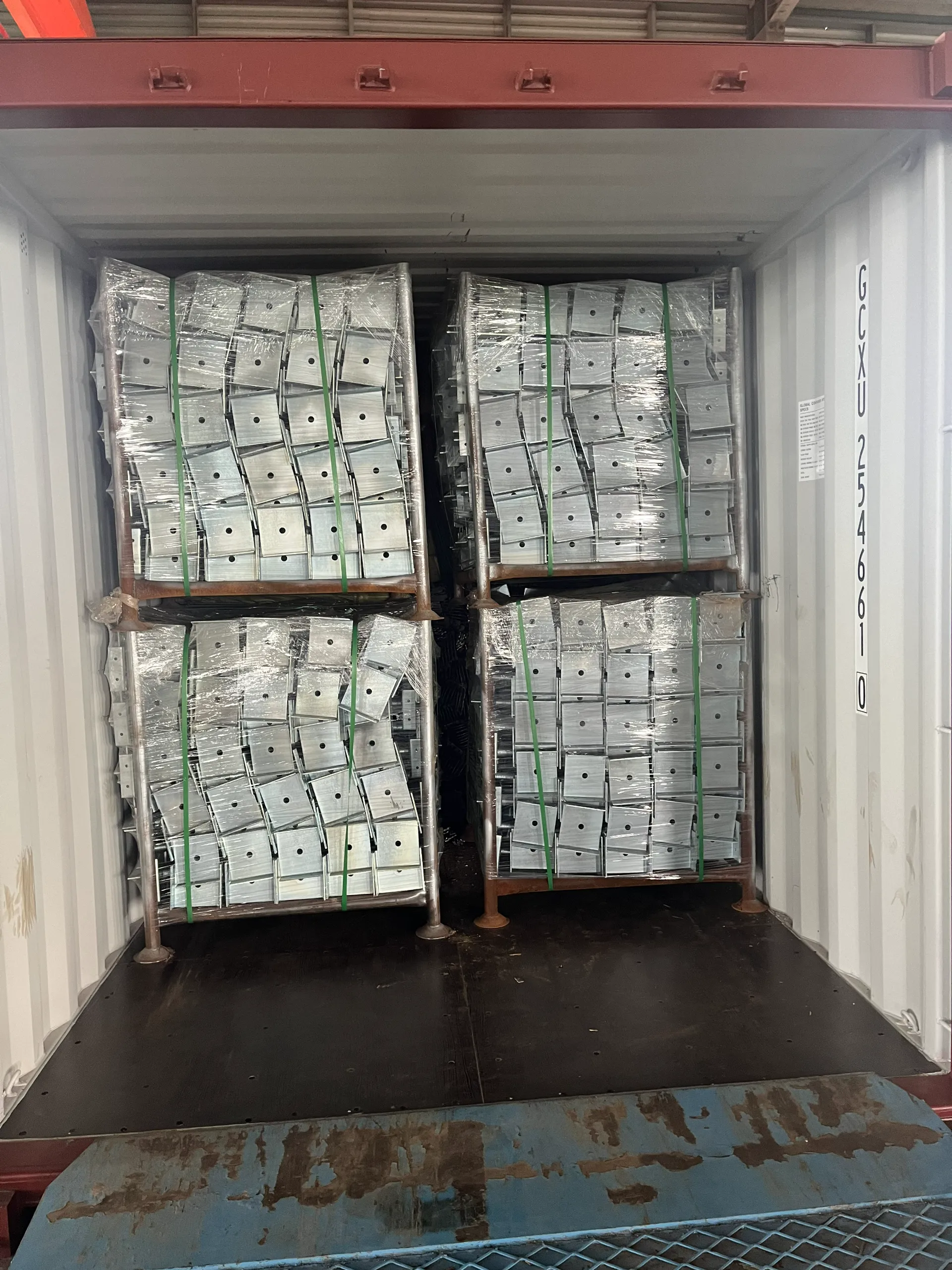
બેગ/પેલેટ/લાકડાના કેસ |
|||||||||||
|
લોડિંગ ક્ષમતા |
૧૮૦KN થી વધુ |
|||||||||||
|
અરજી |
ફોર્મવર્ક ટાઇ રોડ સિસ્ટમ |
|||||||||||
|
સંબંધિત વસ્તુઓ |
ફોમવર્ક ટાઈ રોડ, વોલર પ્લેટ, સ્ટીલ કોન, હેક્સ નટ, રેપિડ ક્લેમ્પ વગેરે. |
|||||||||||
|
OEM |
Customer’s design available |
|||||||||||
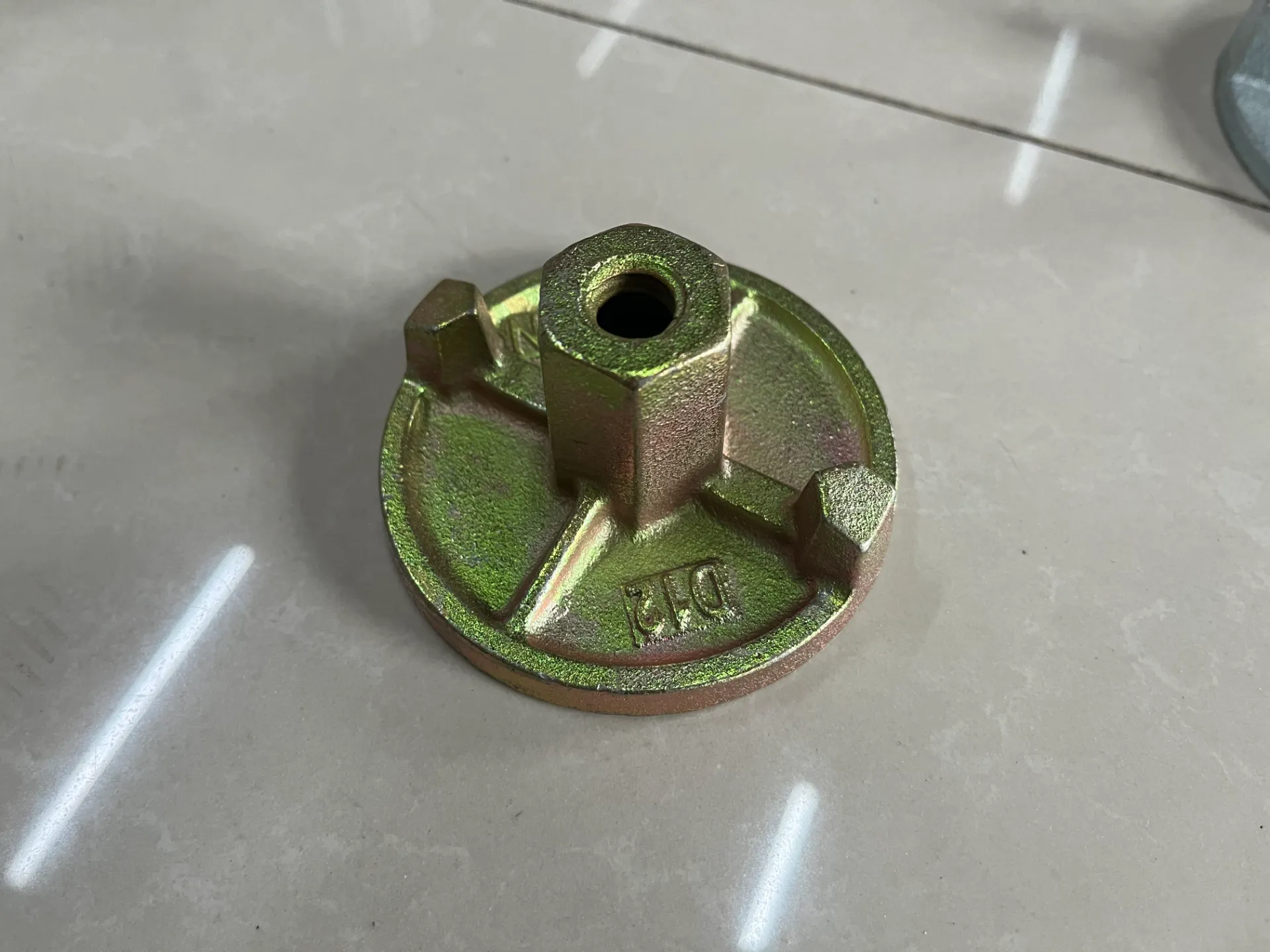
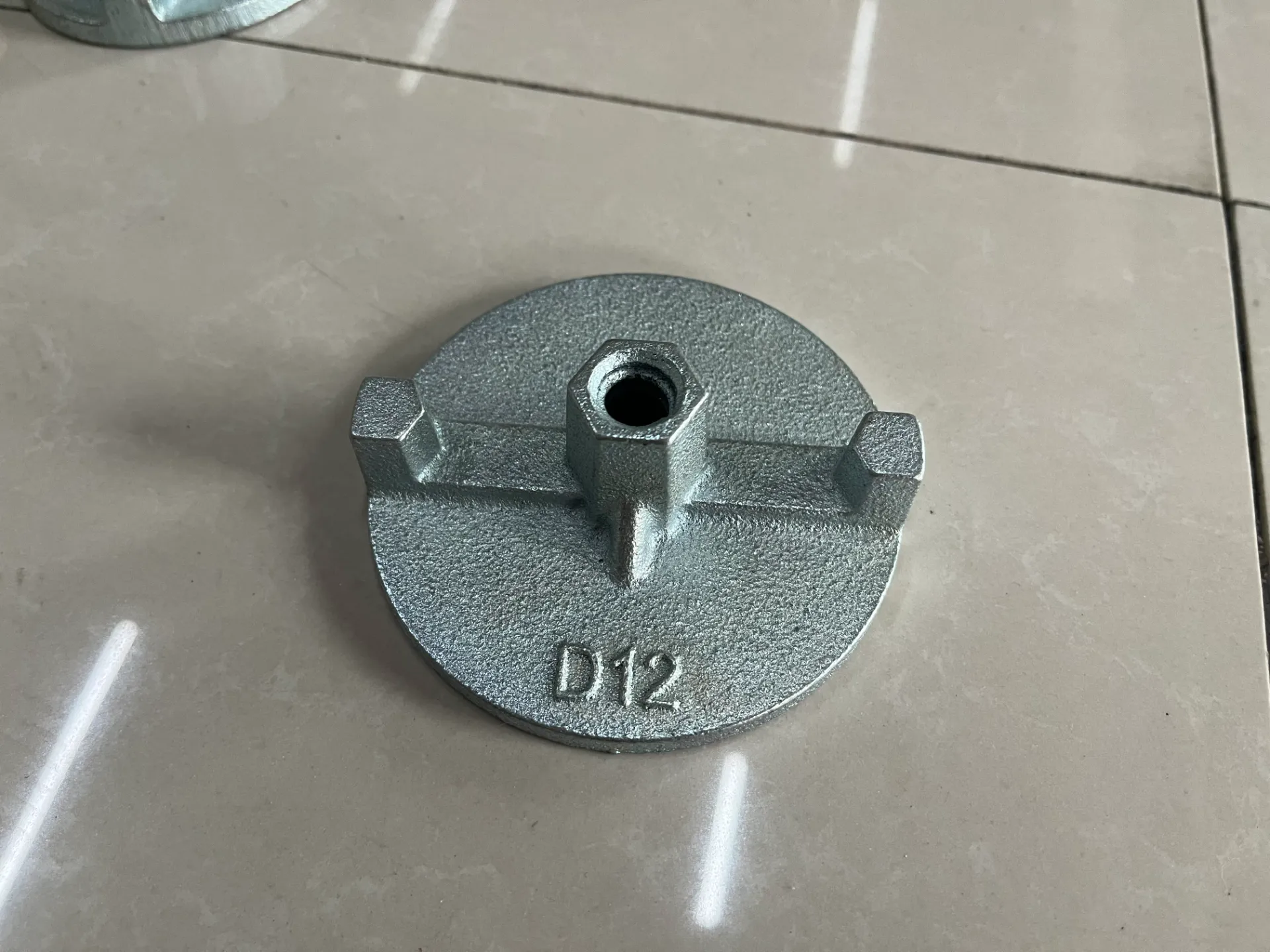
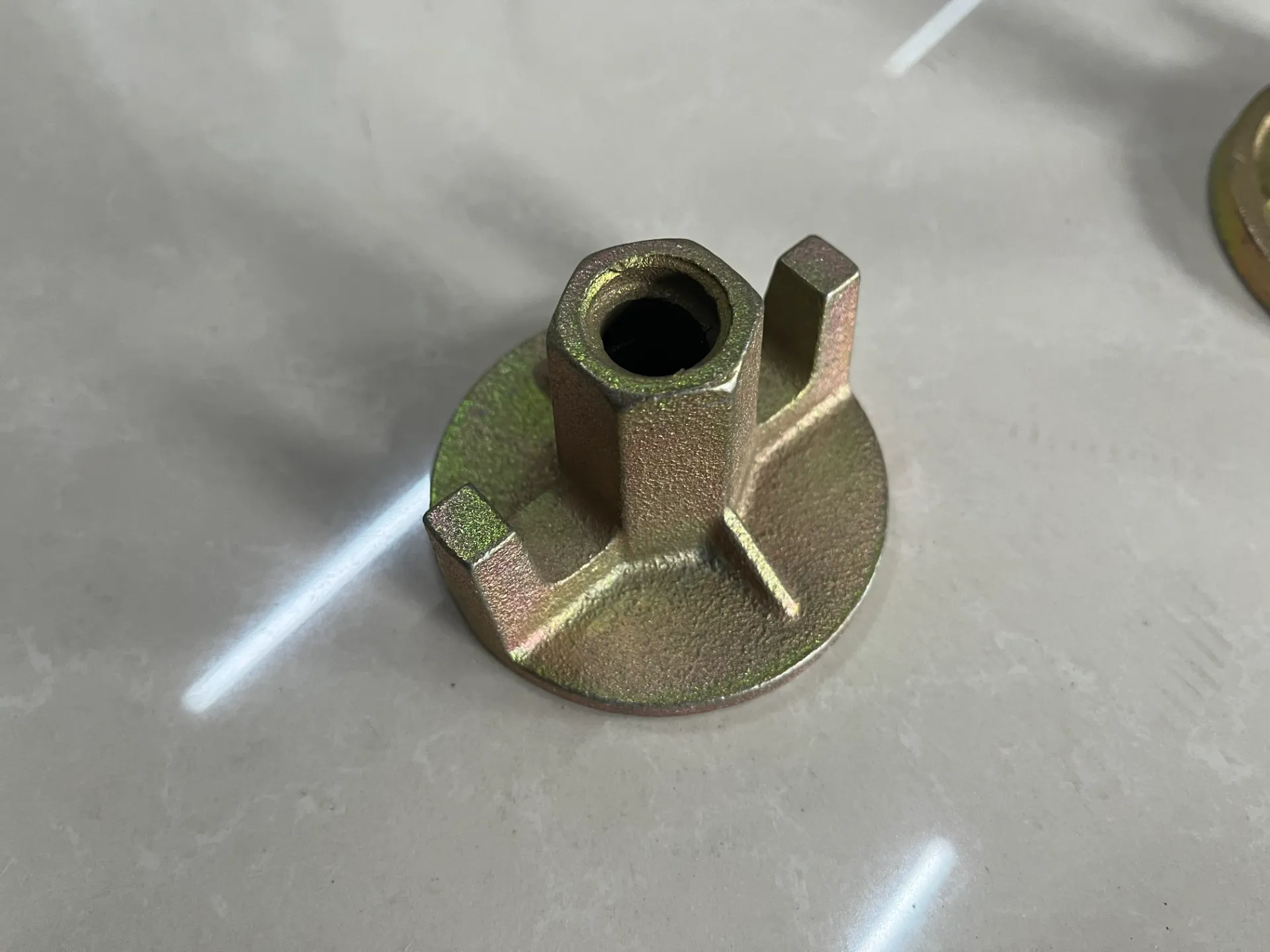
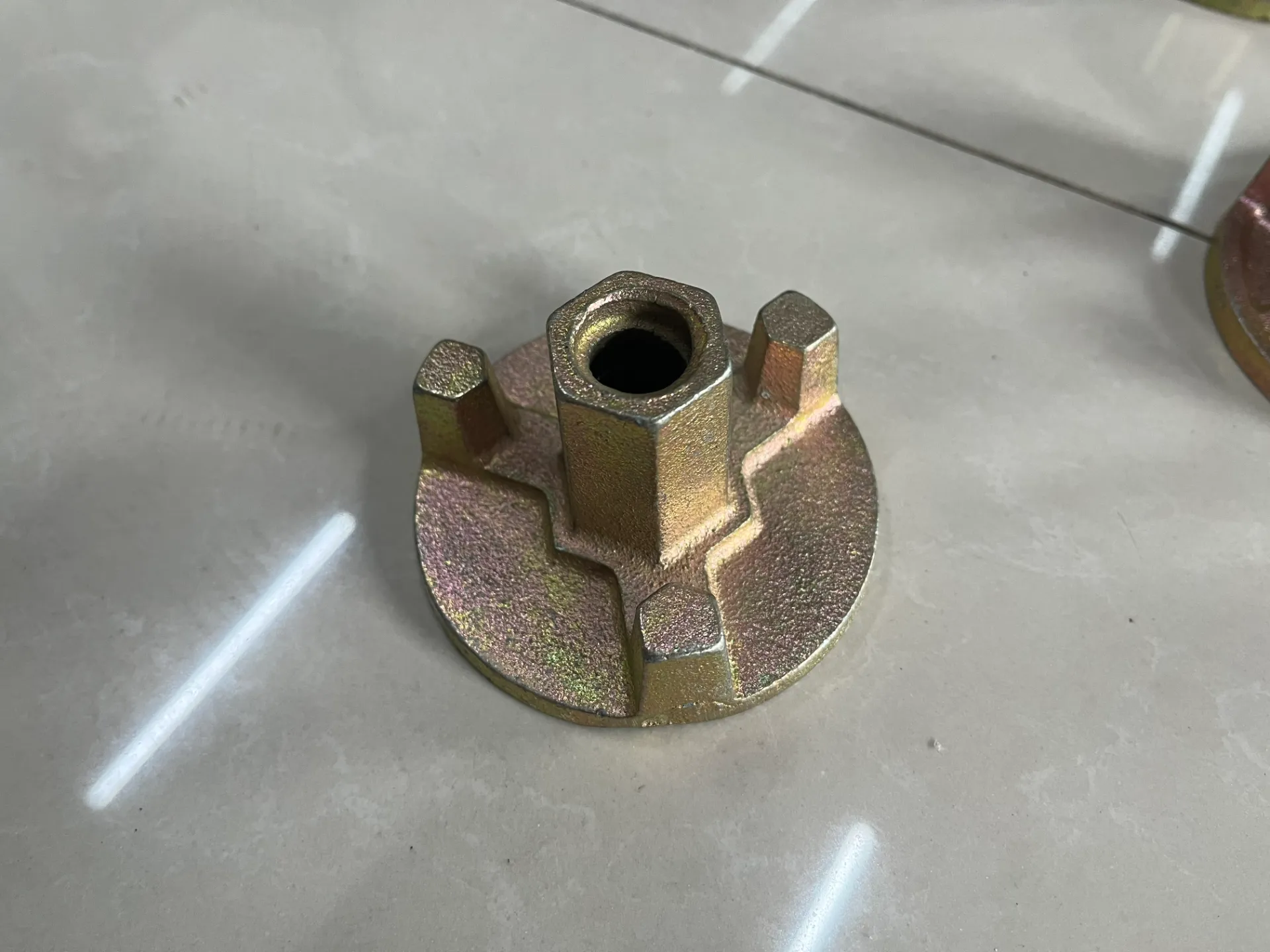
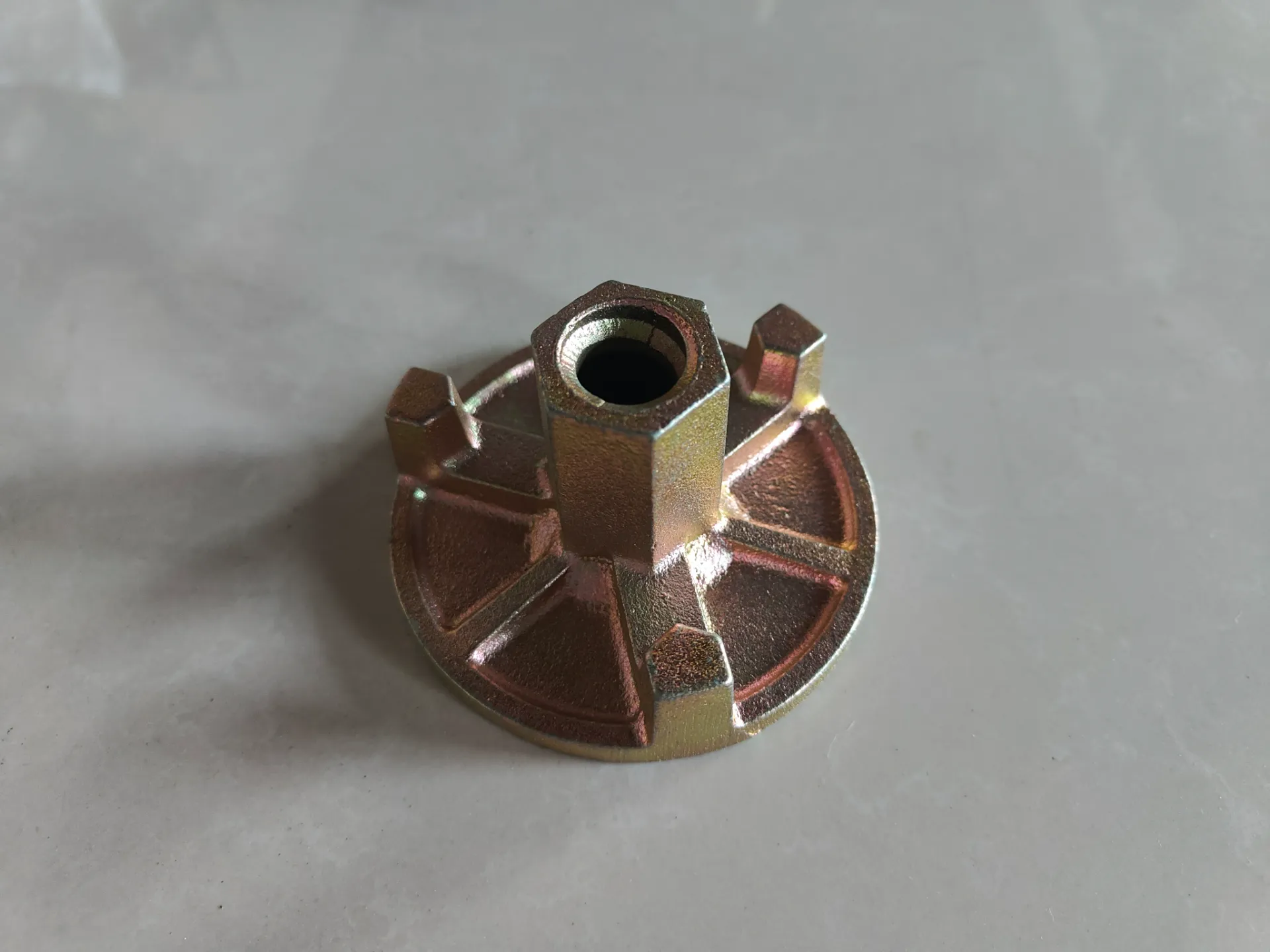
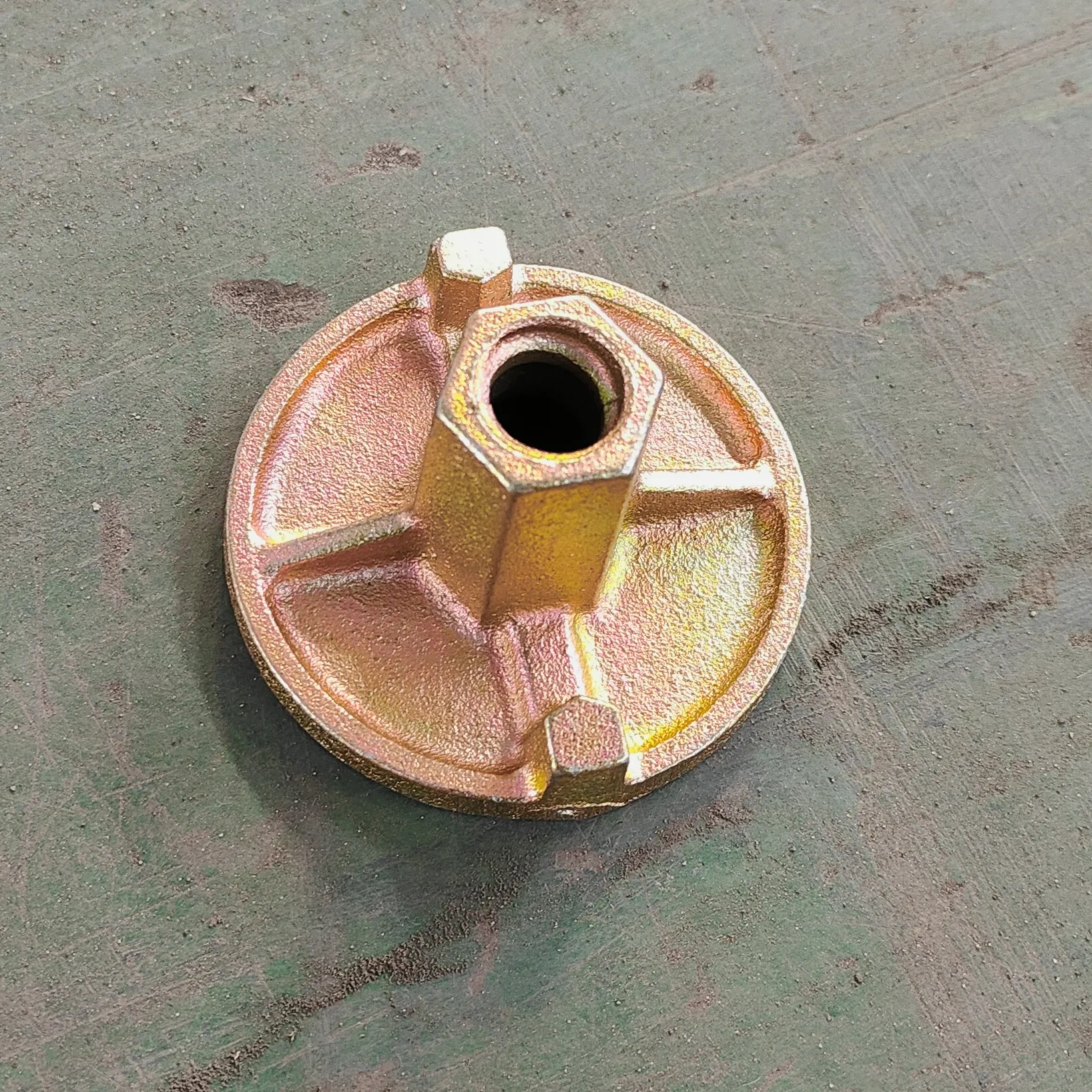
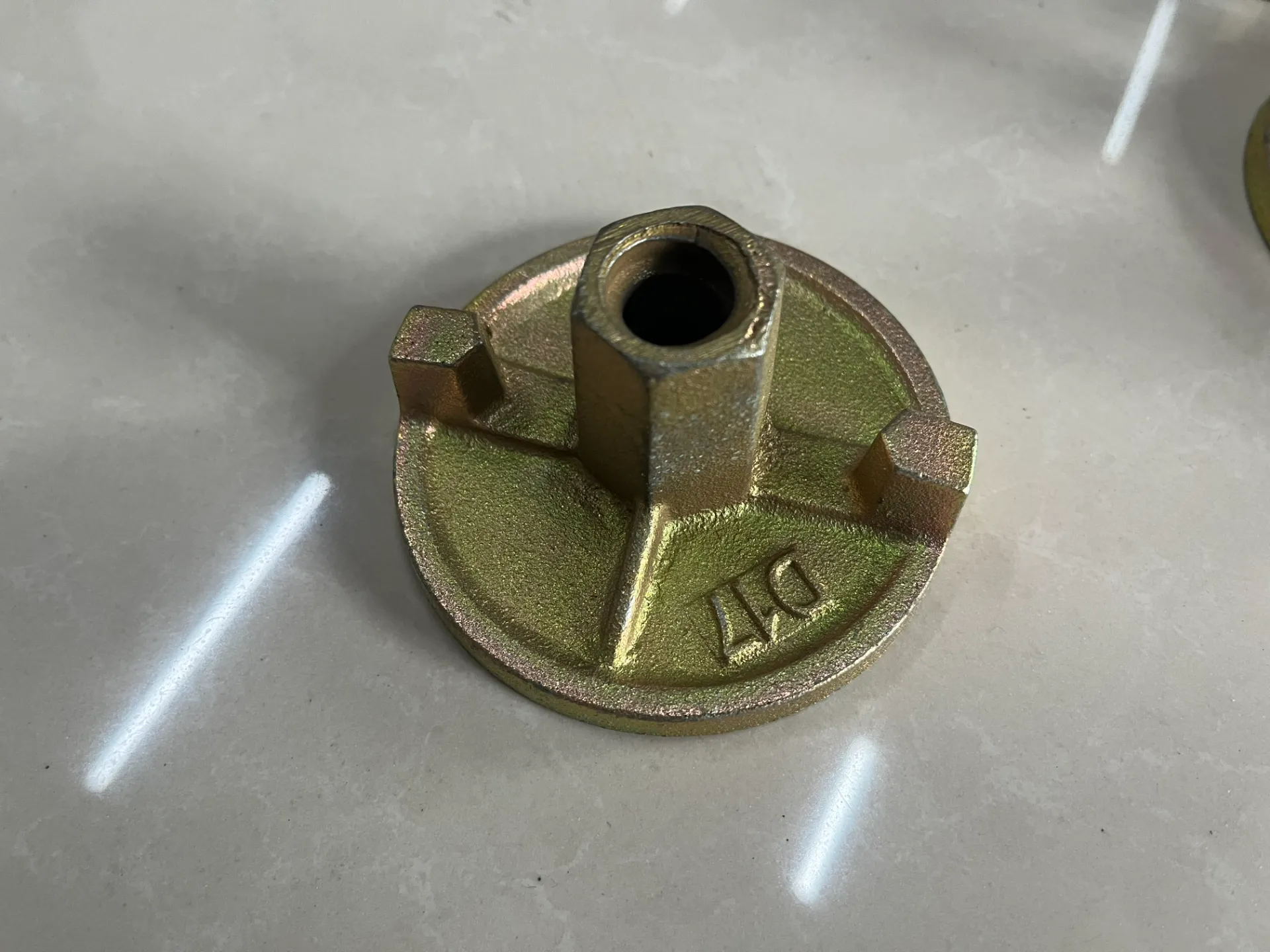
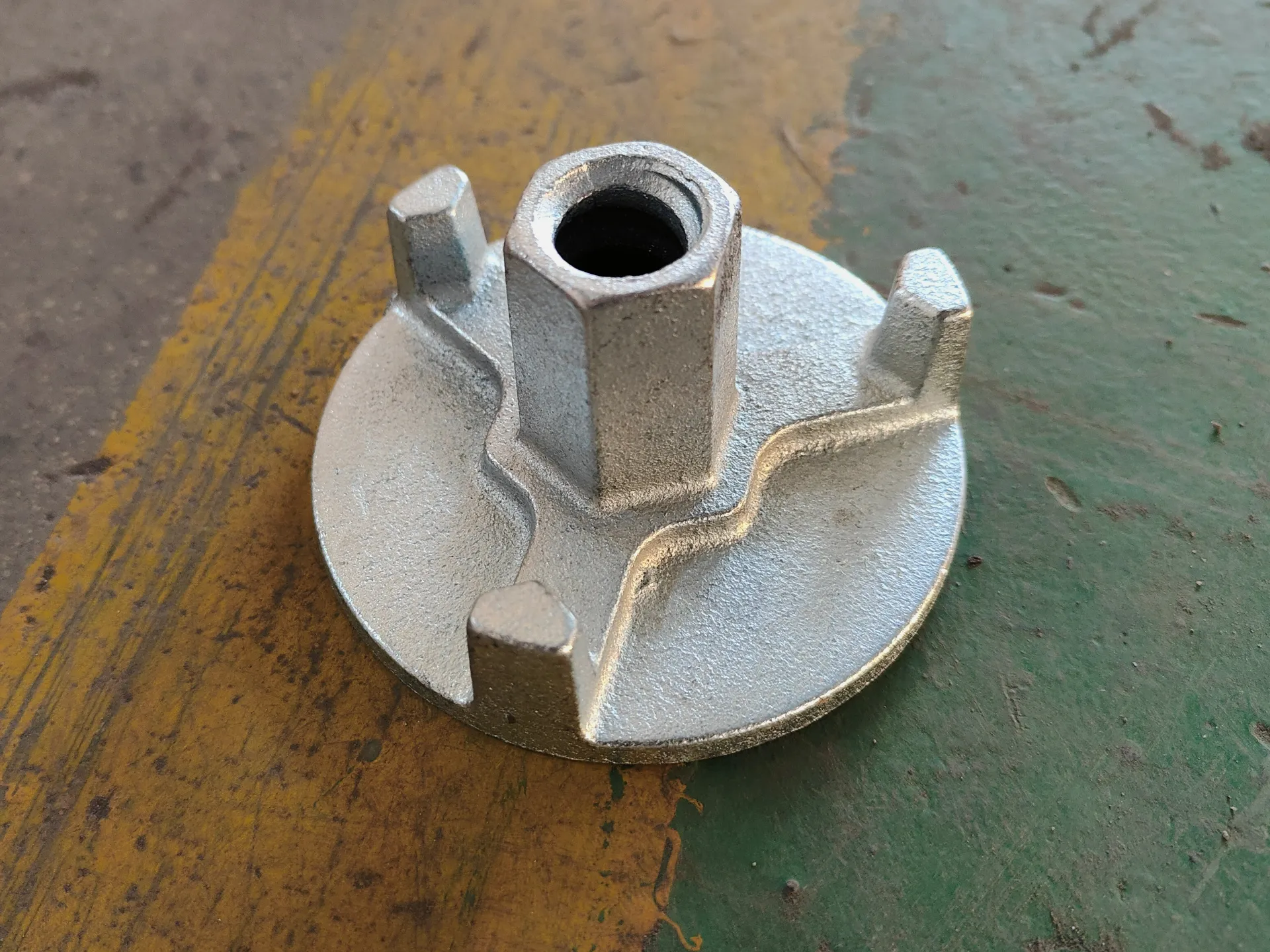
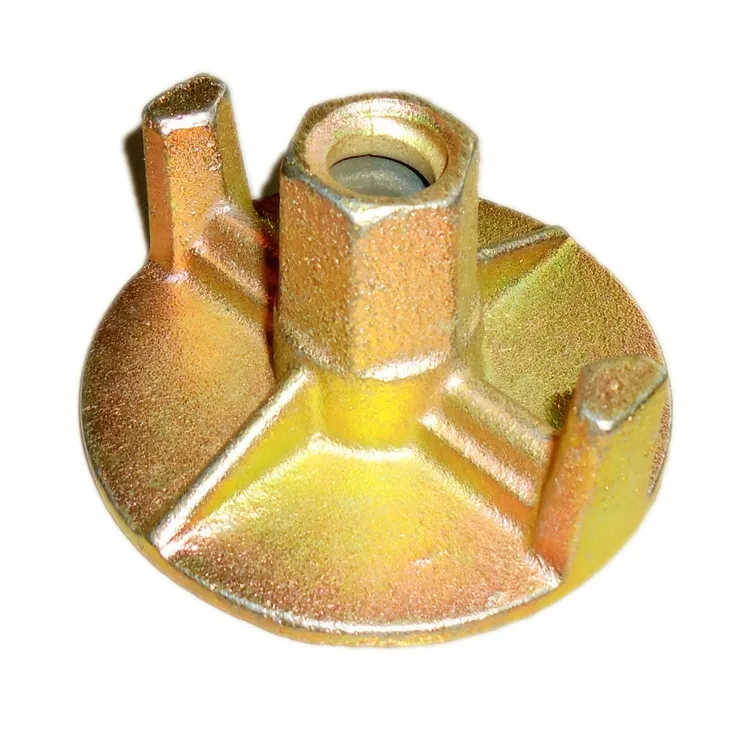
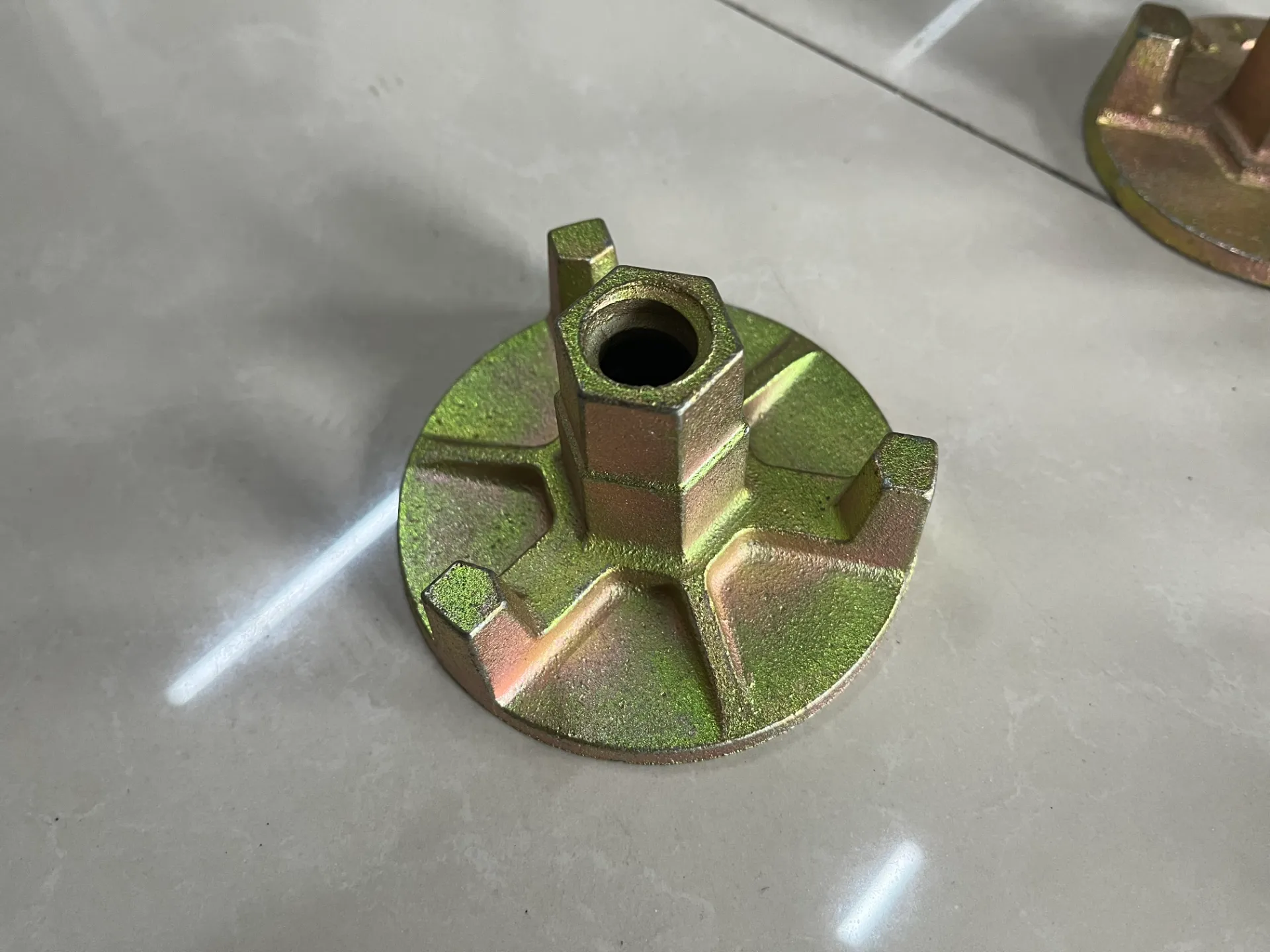
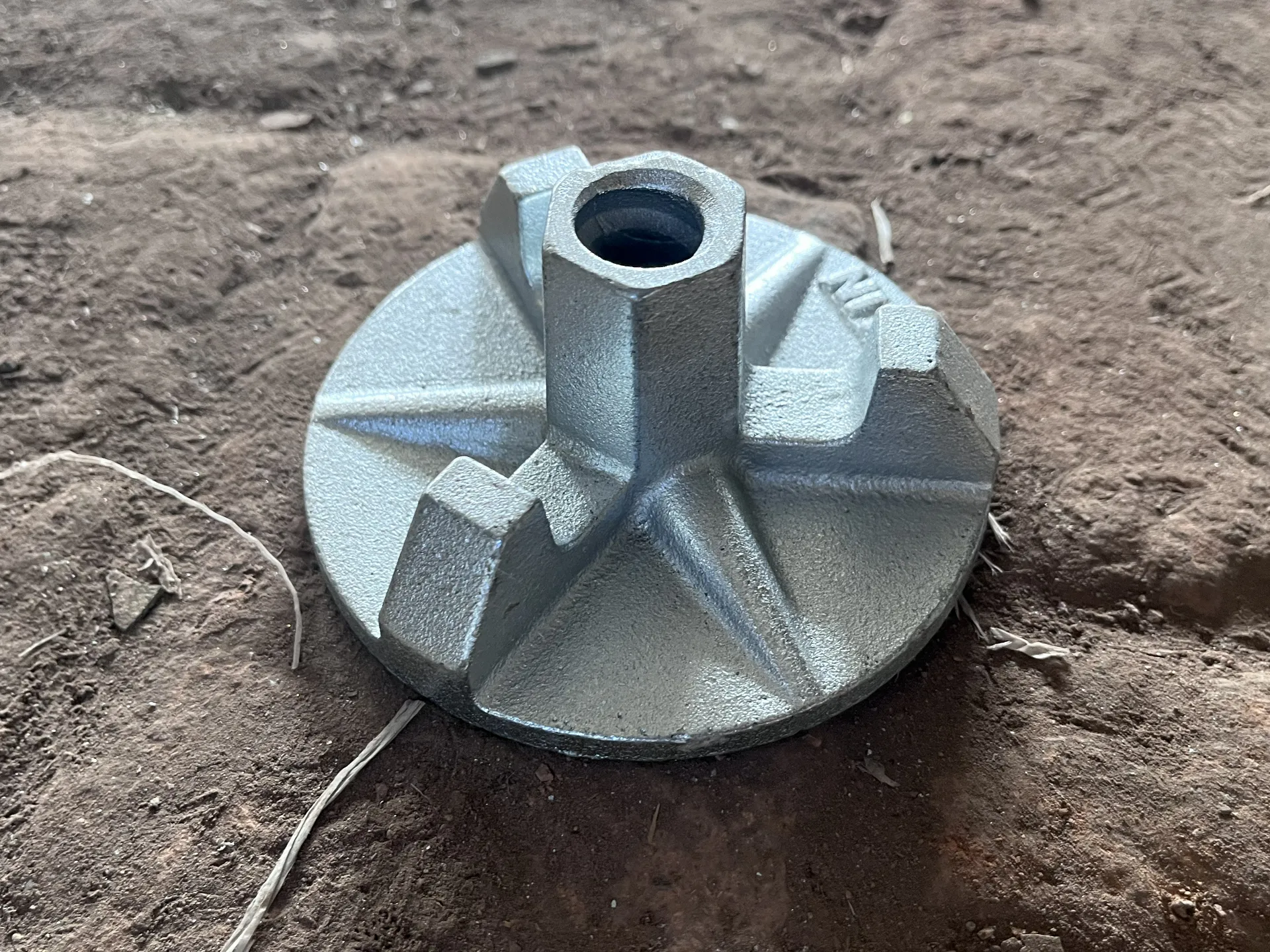
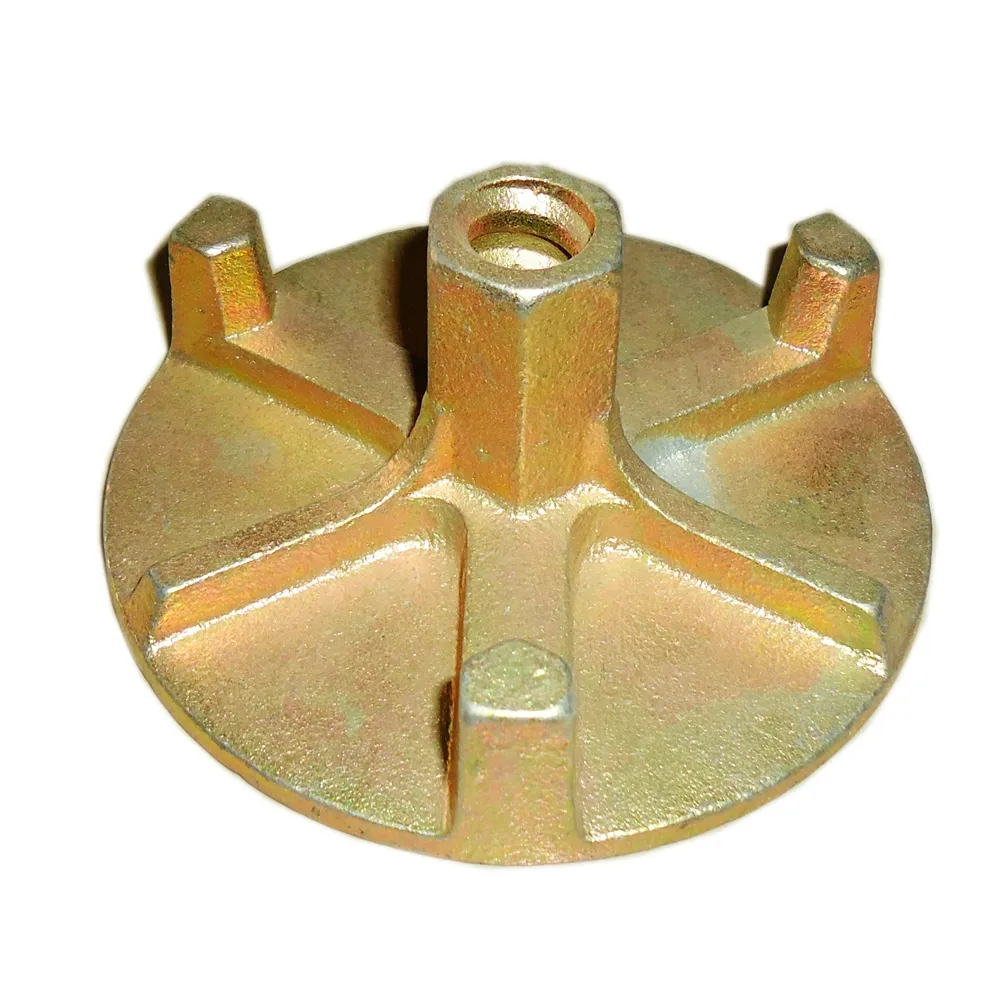
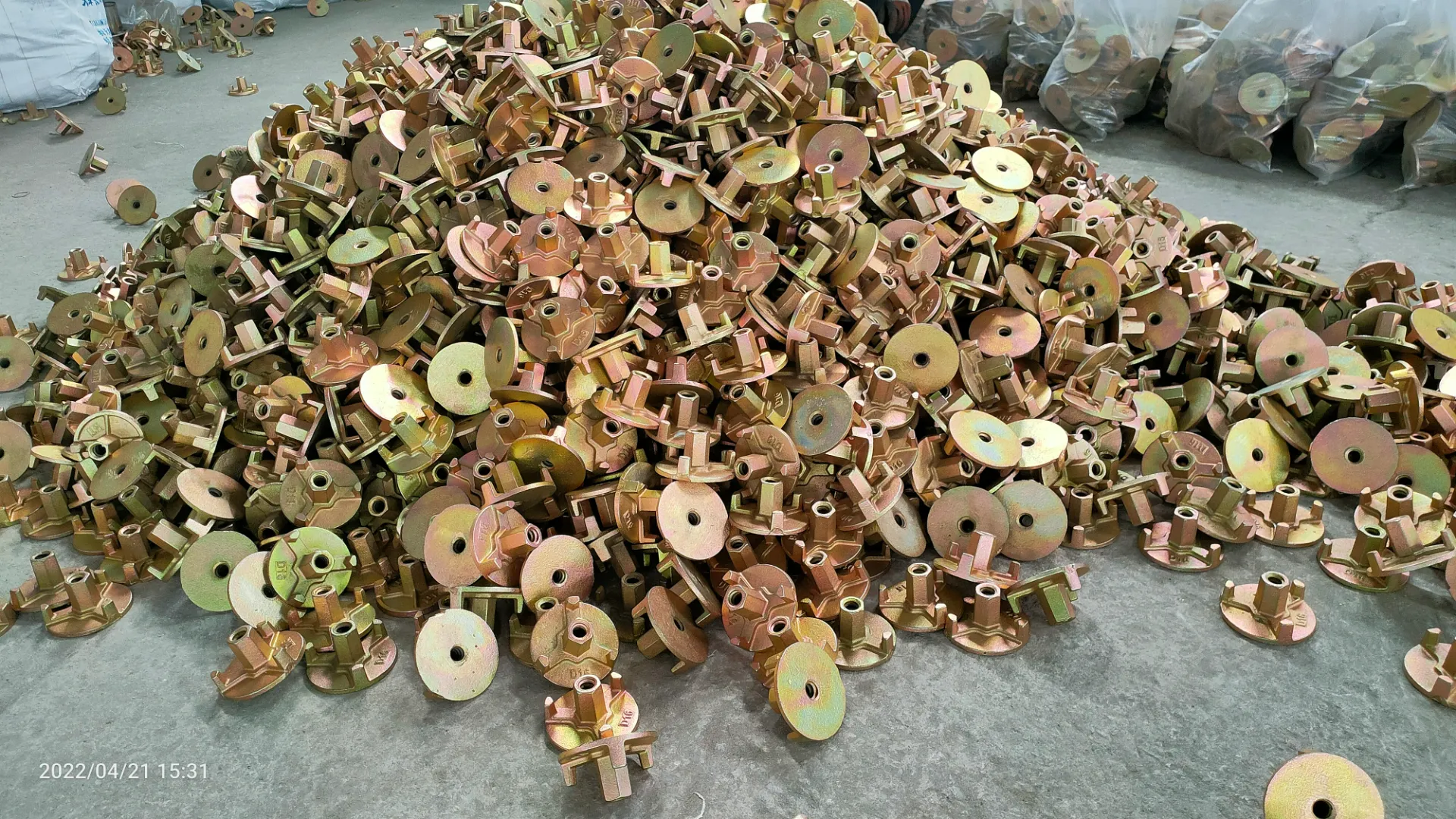
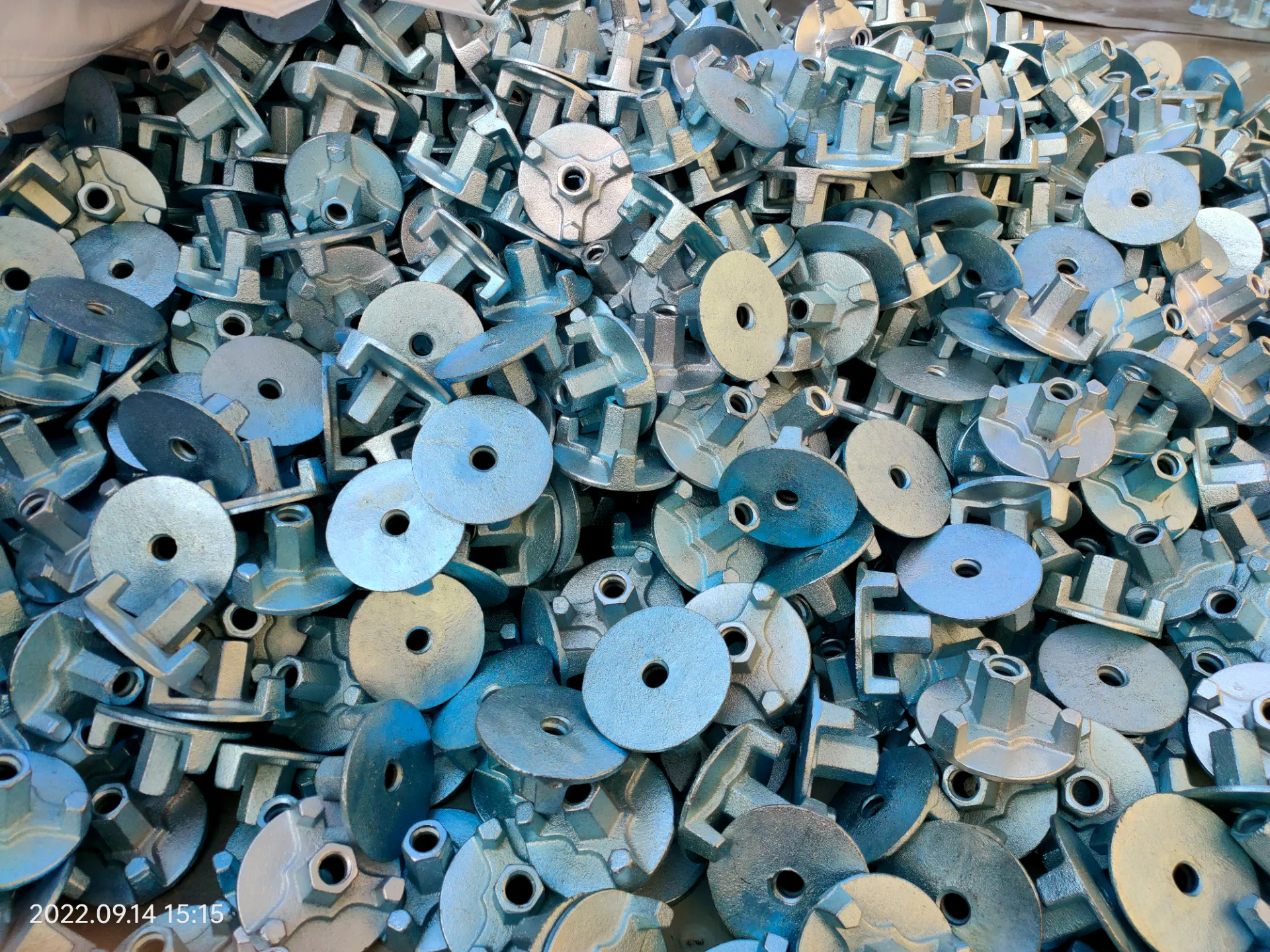
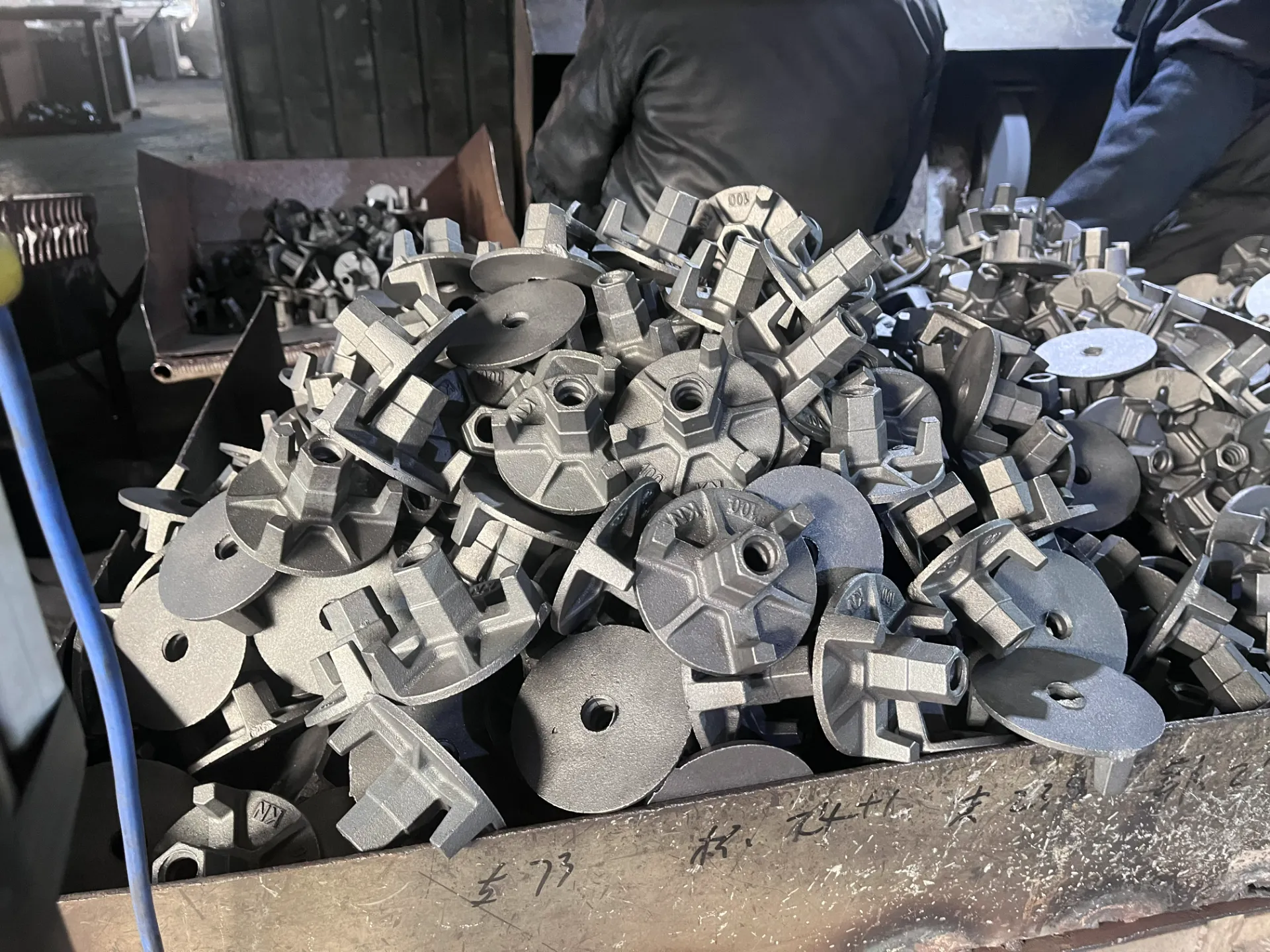
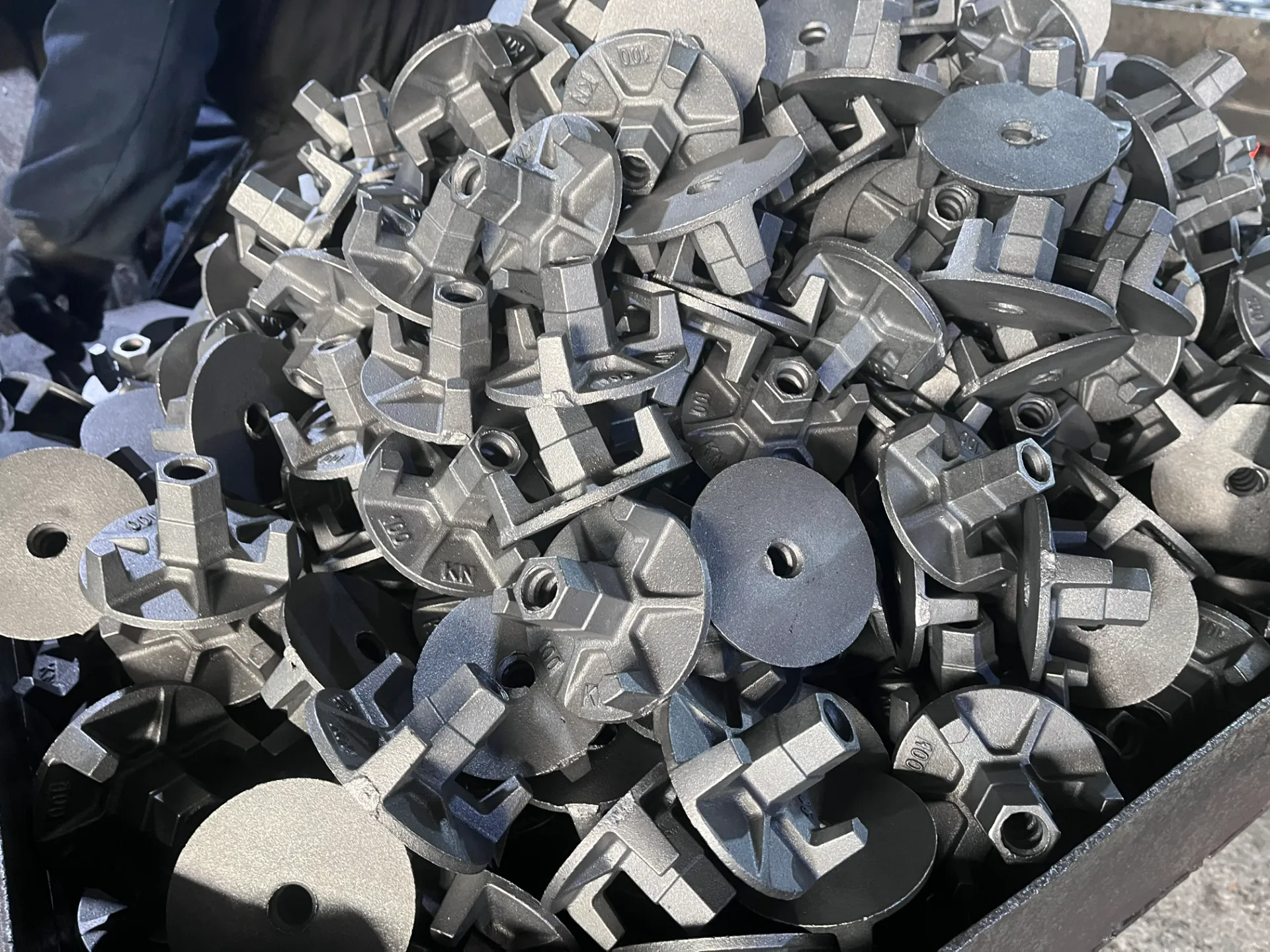
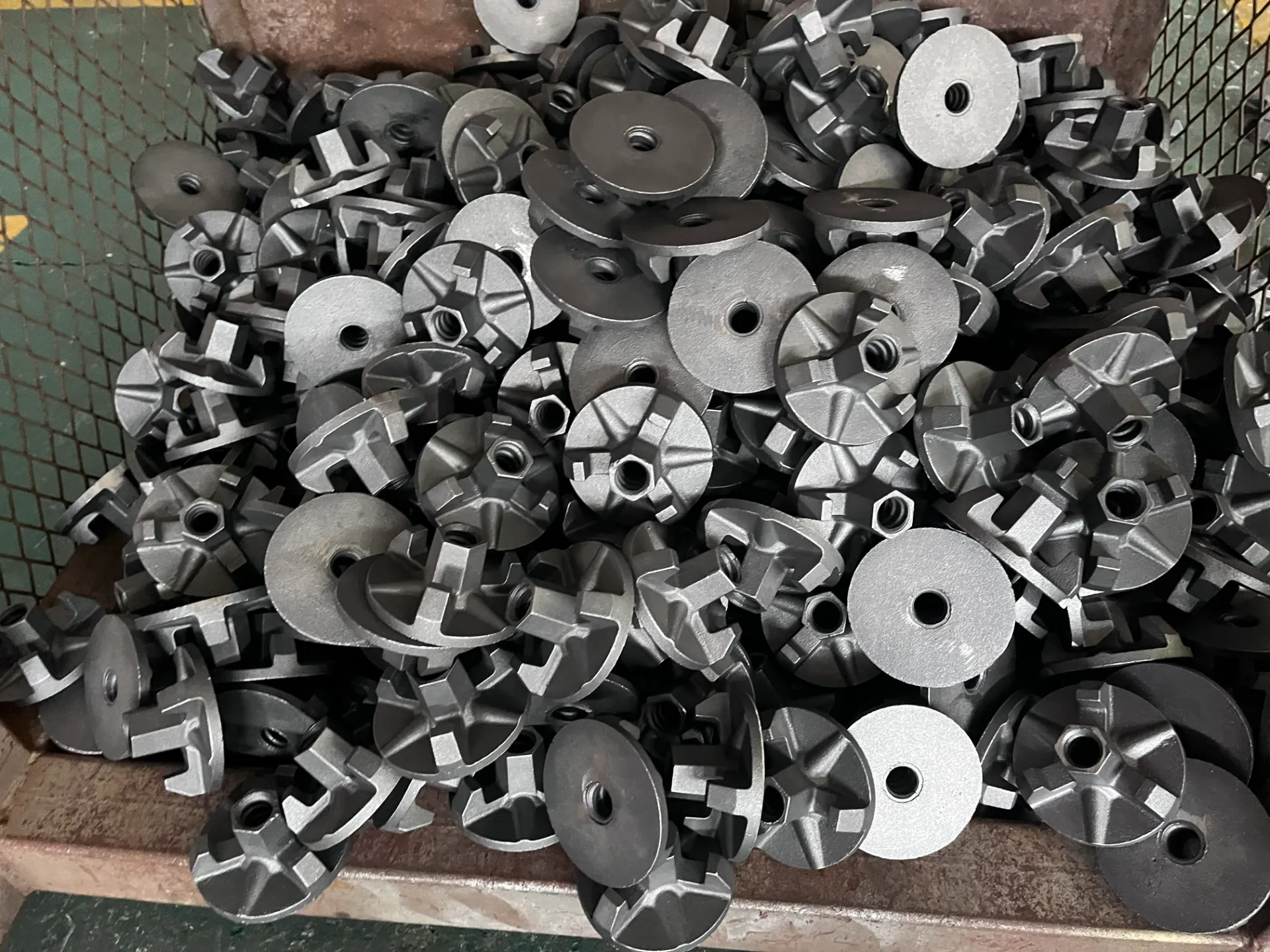
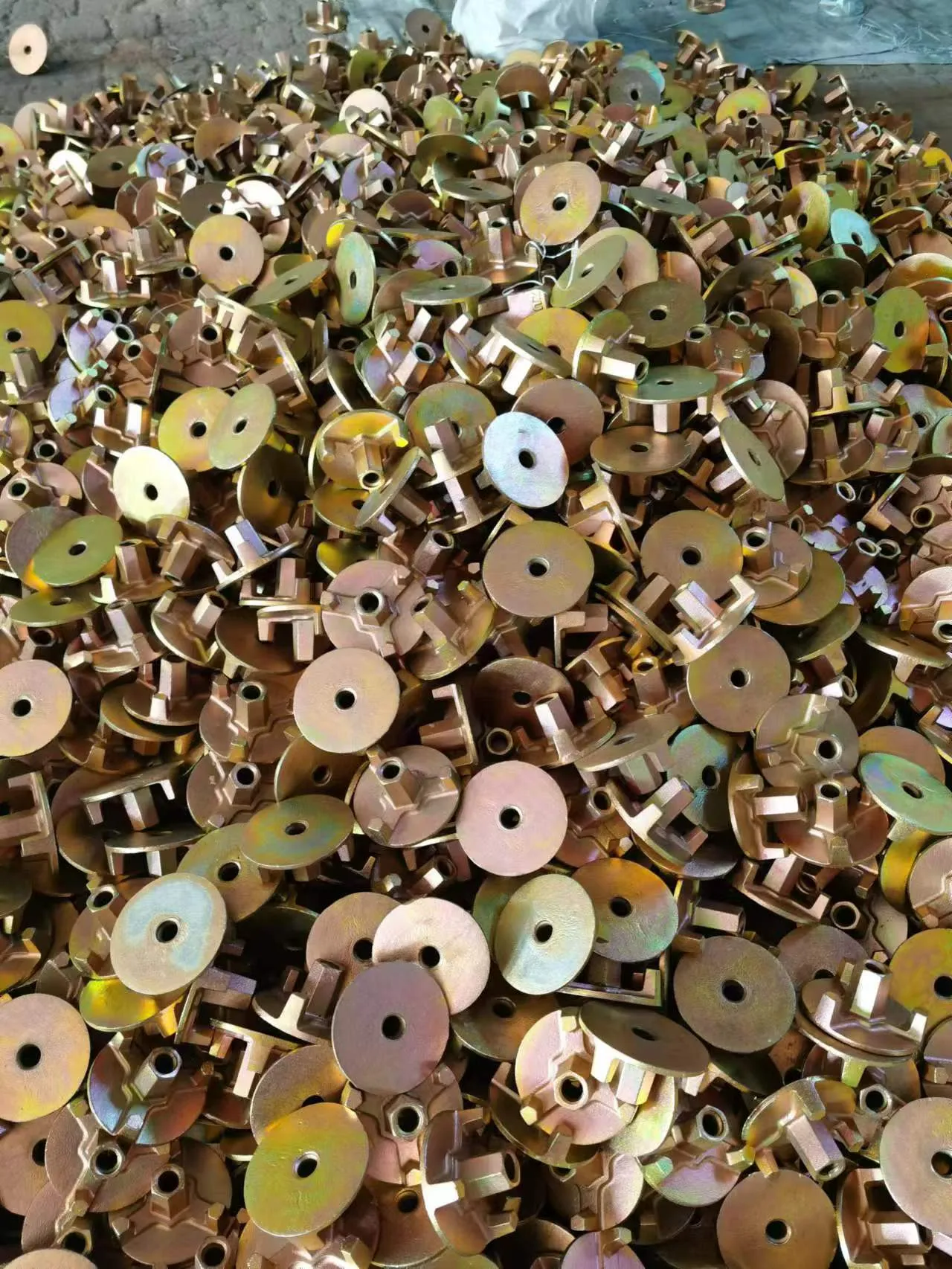
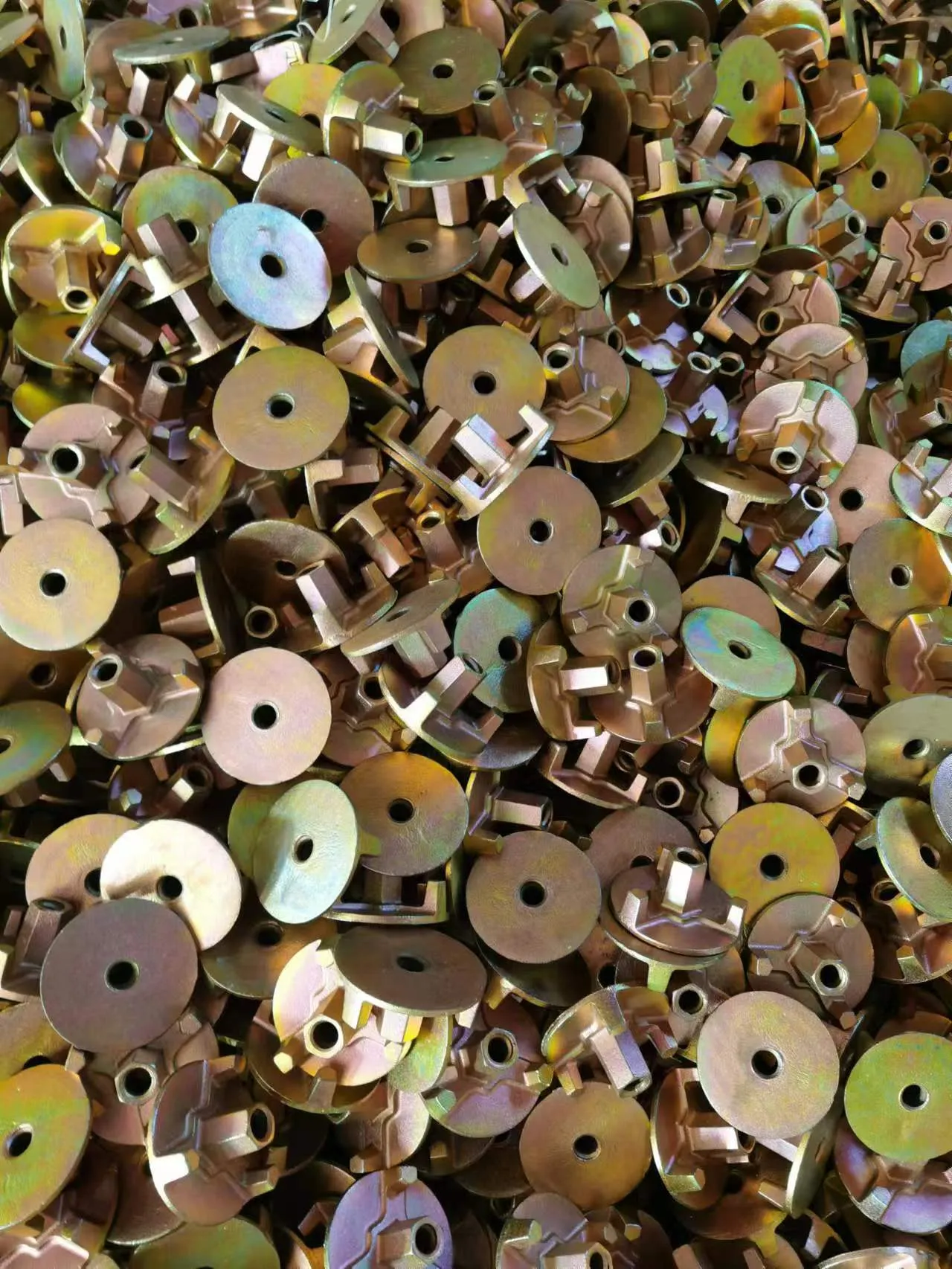
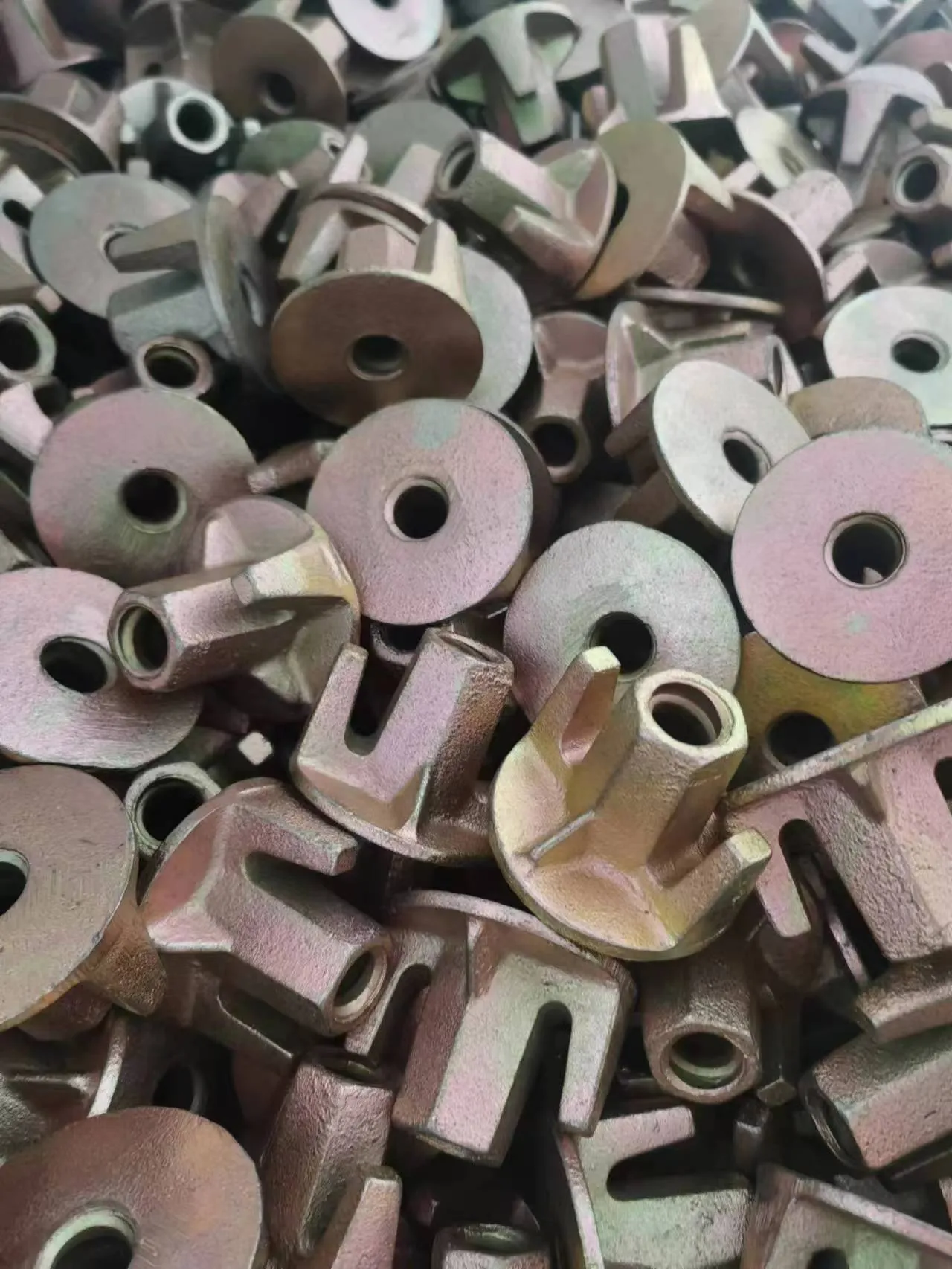
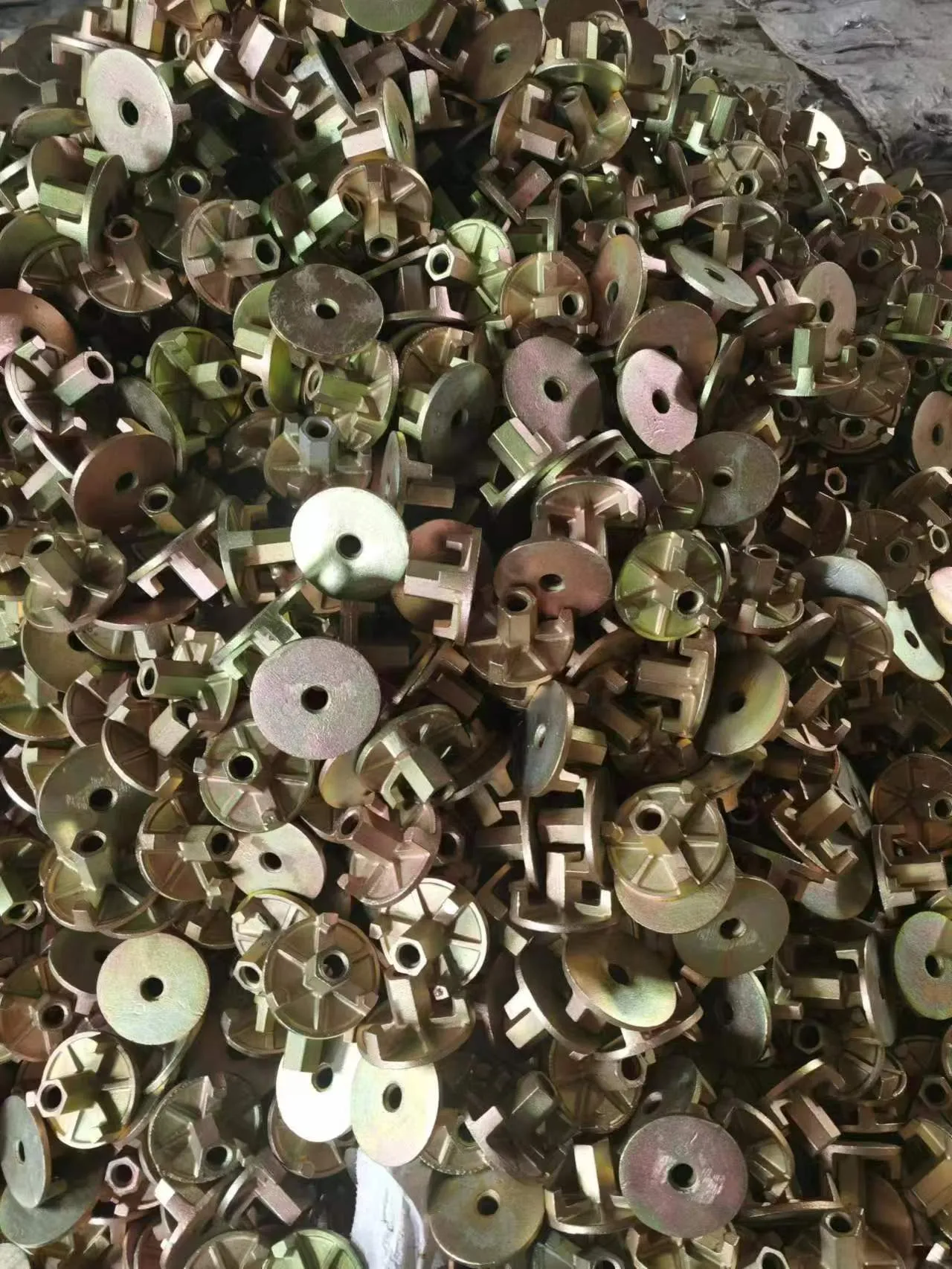
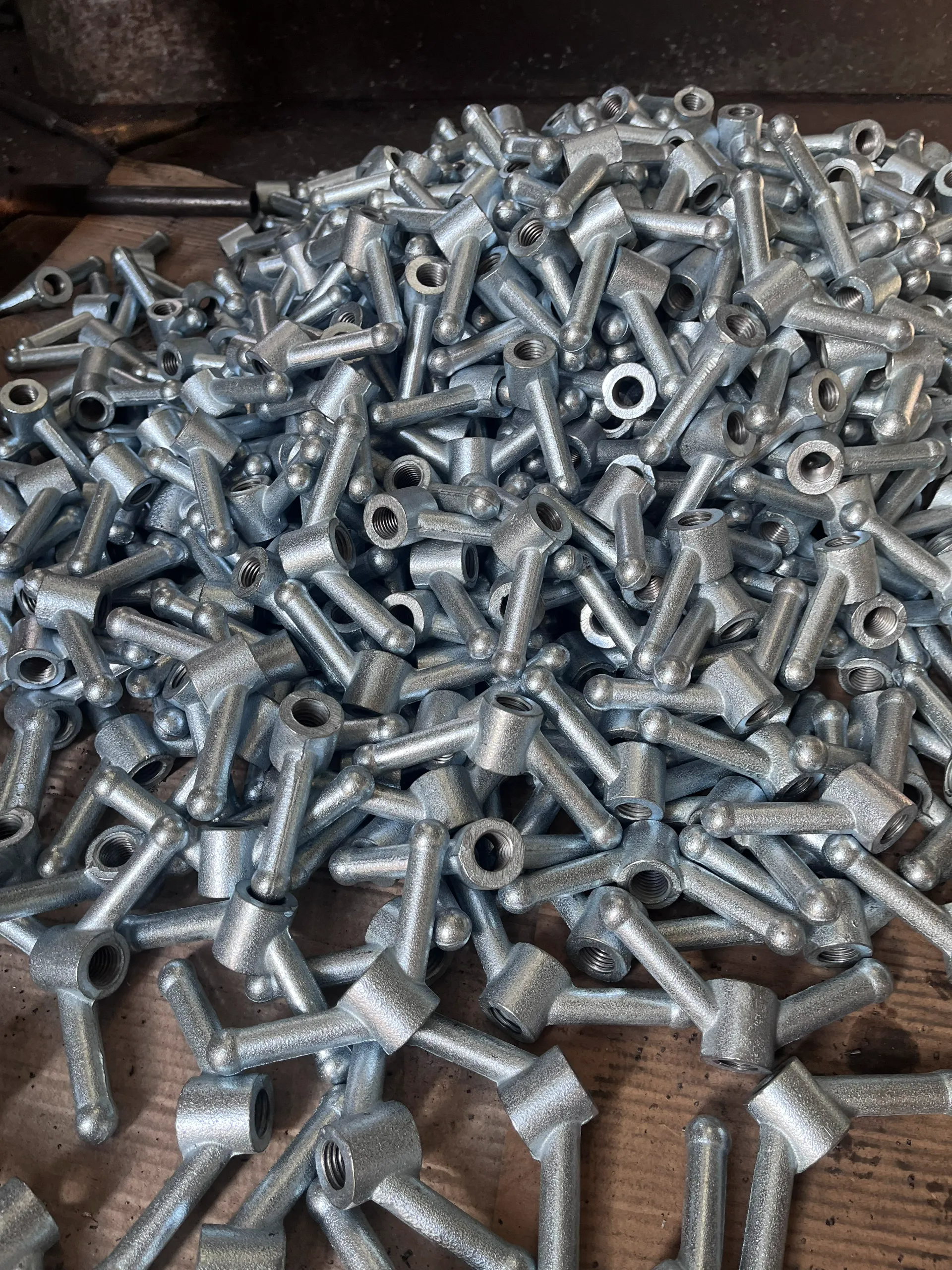
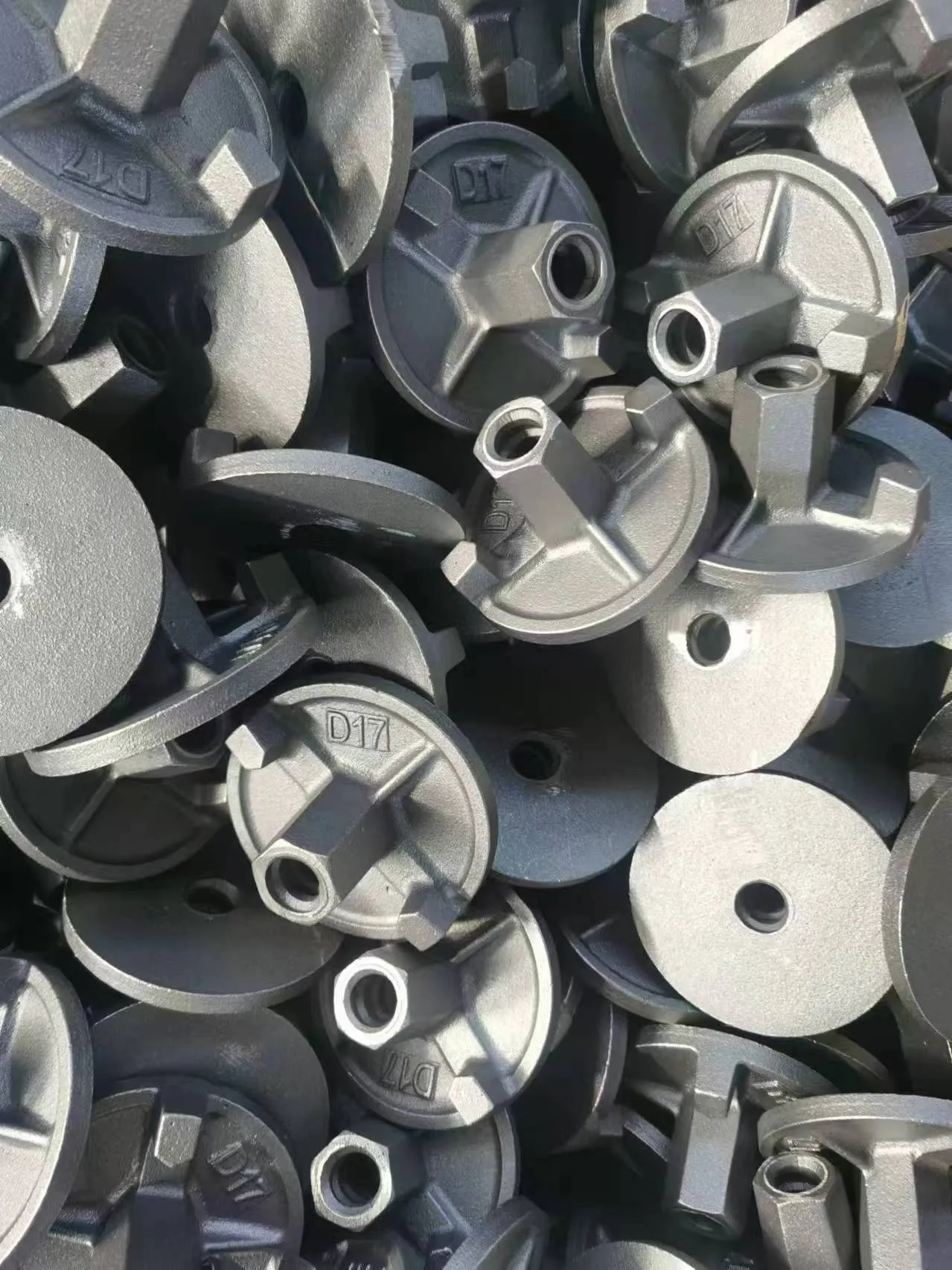
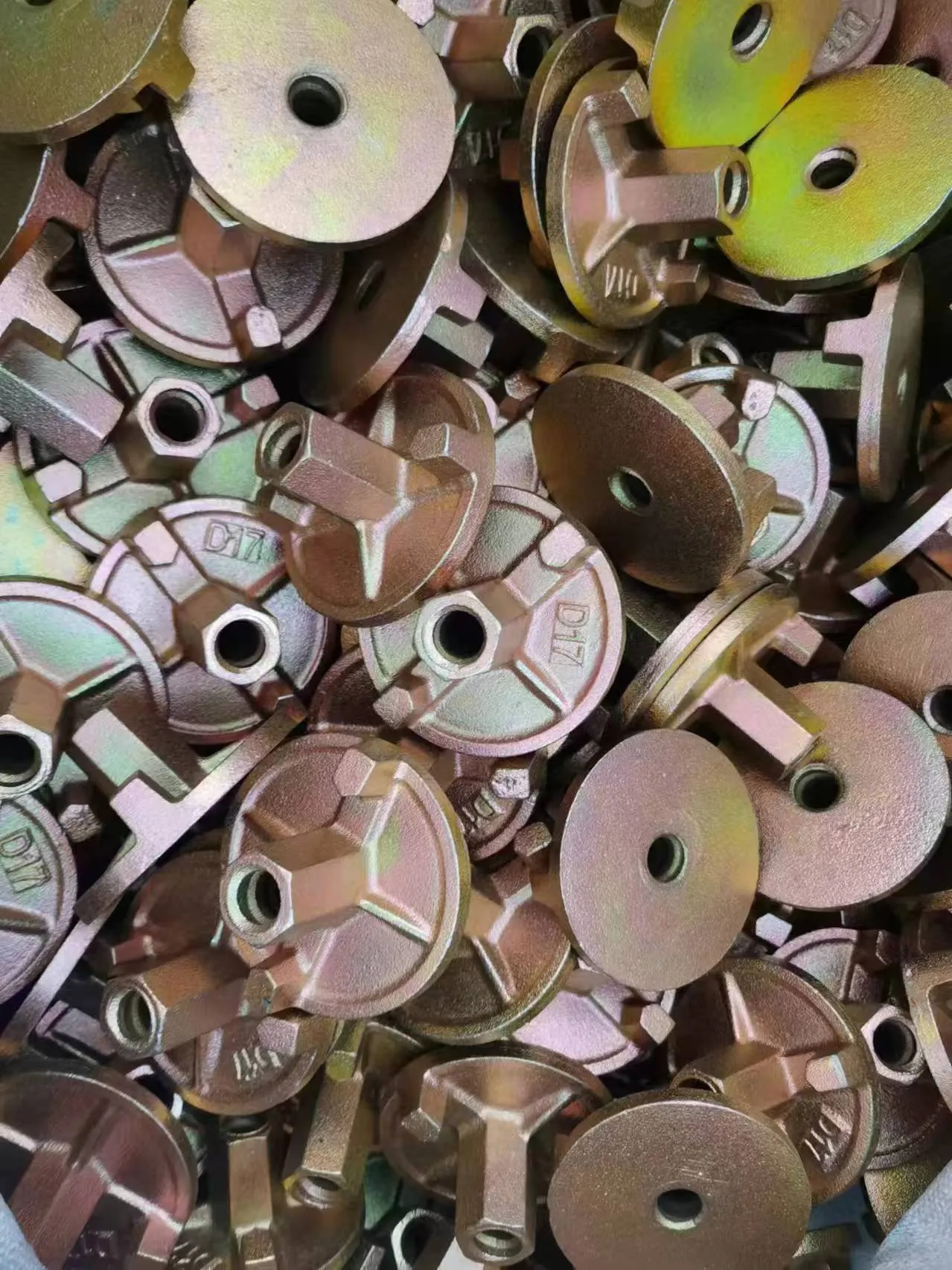
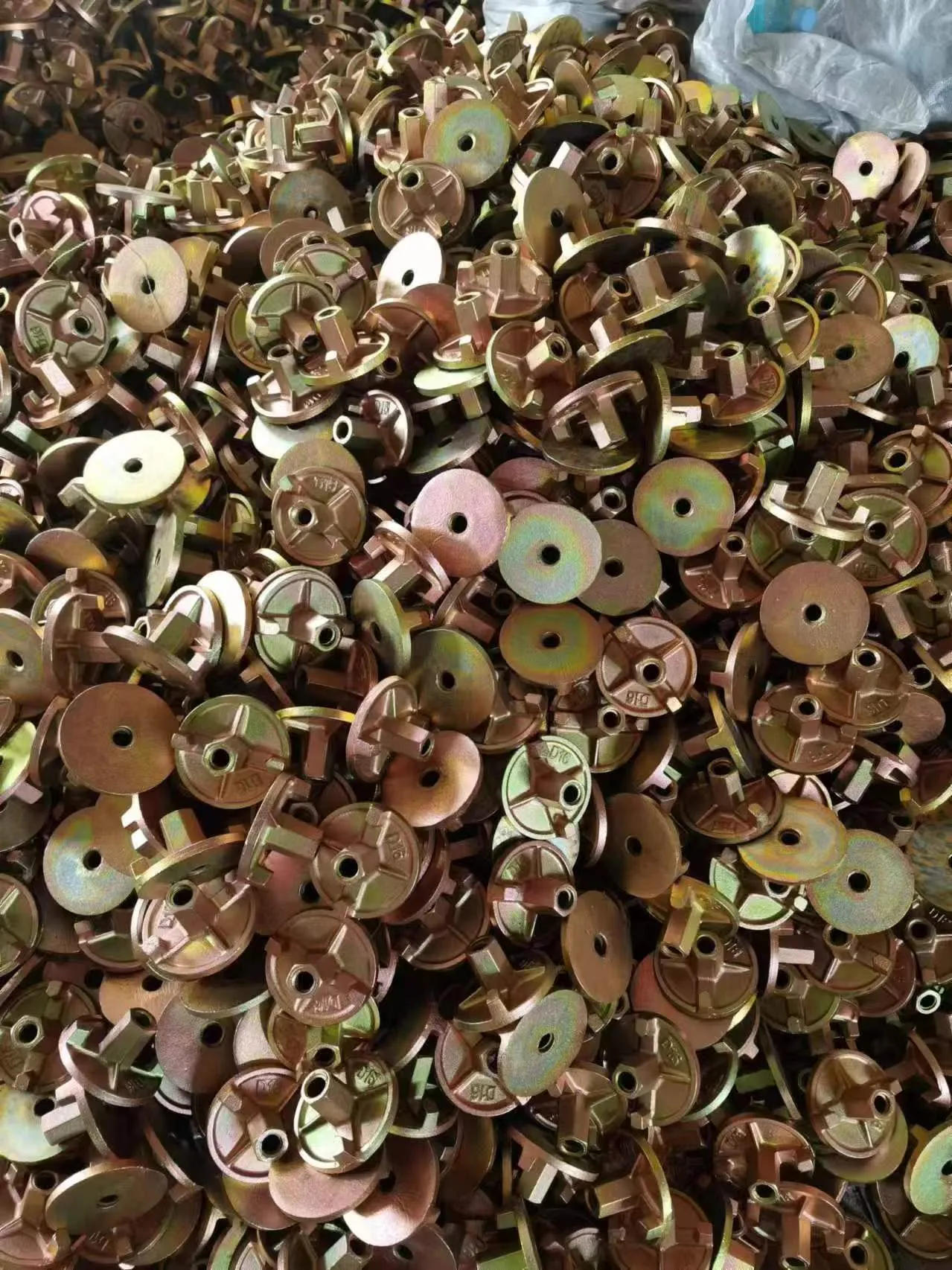
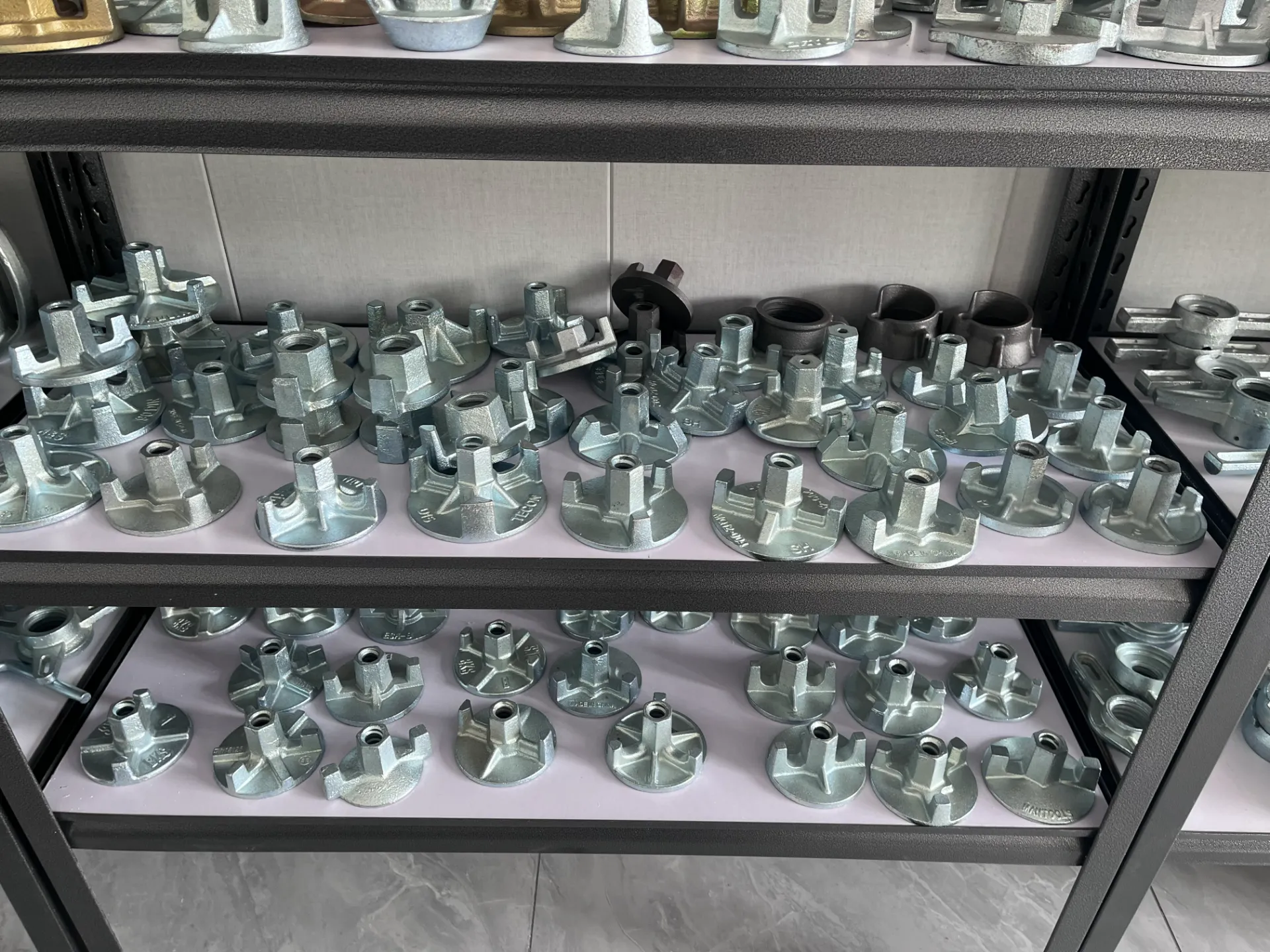
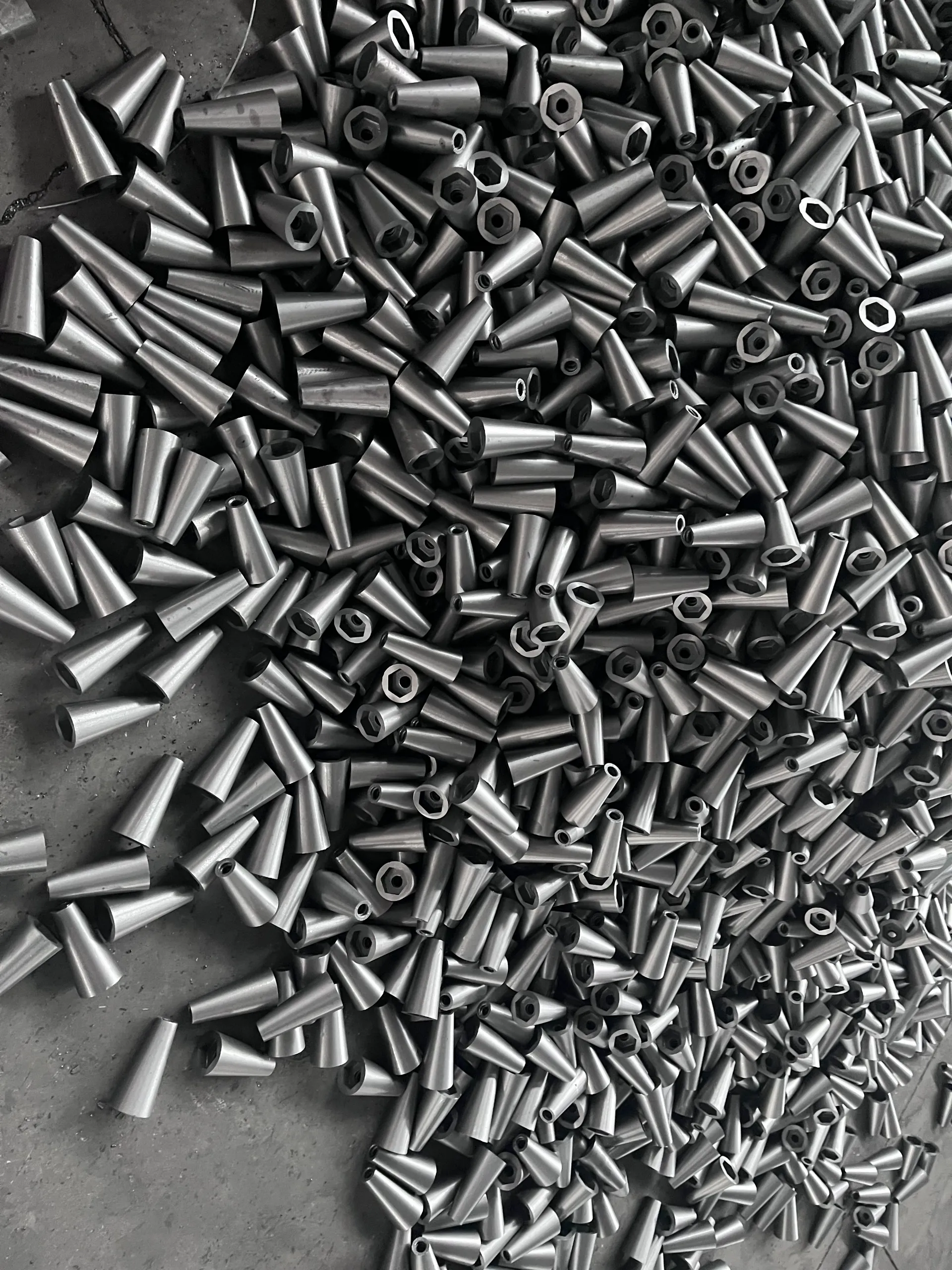
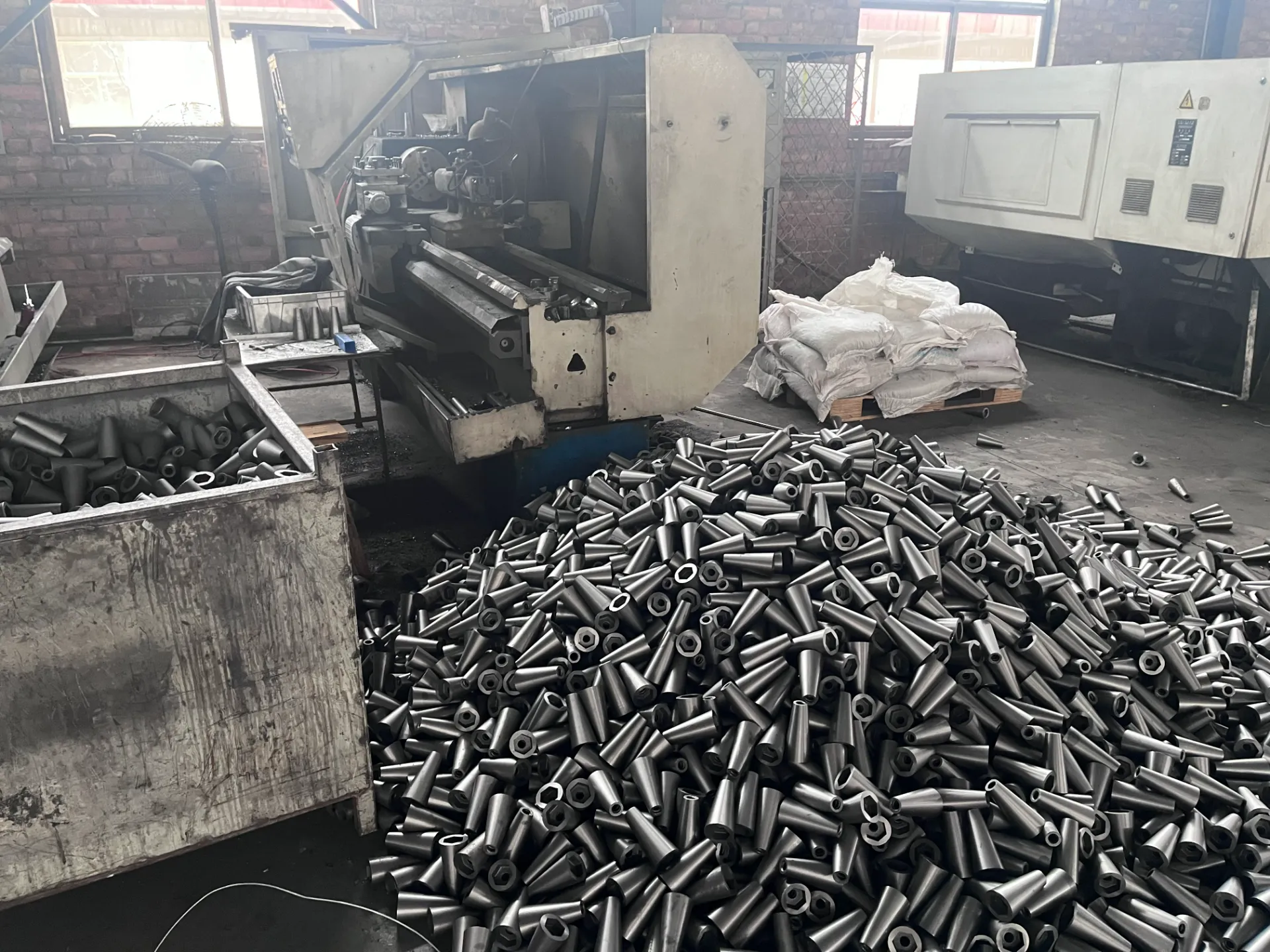
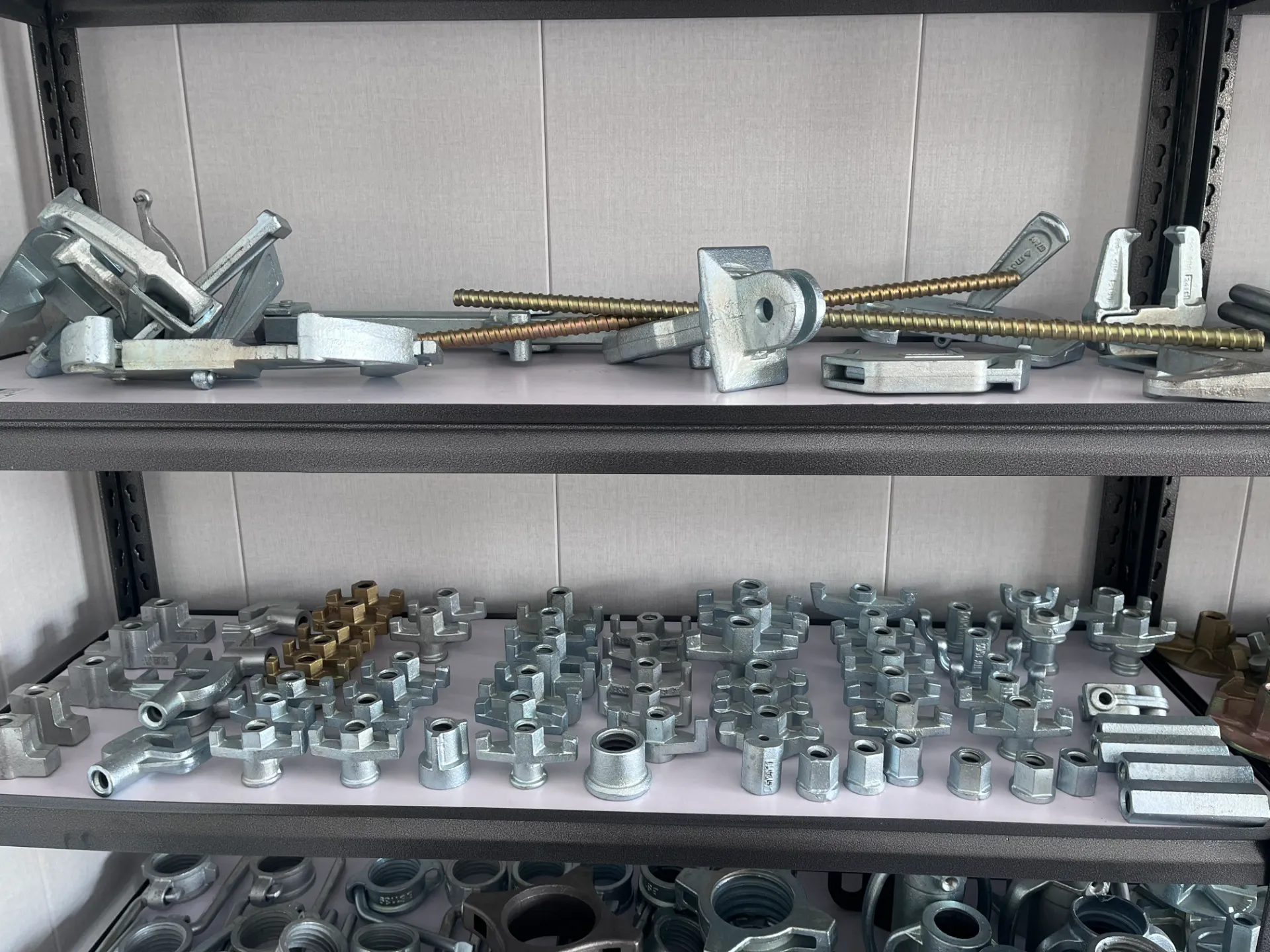
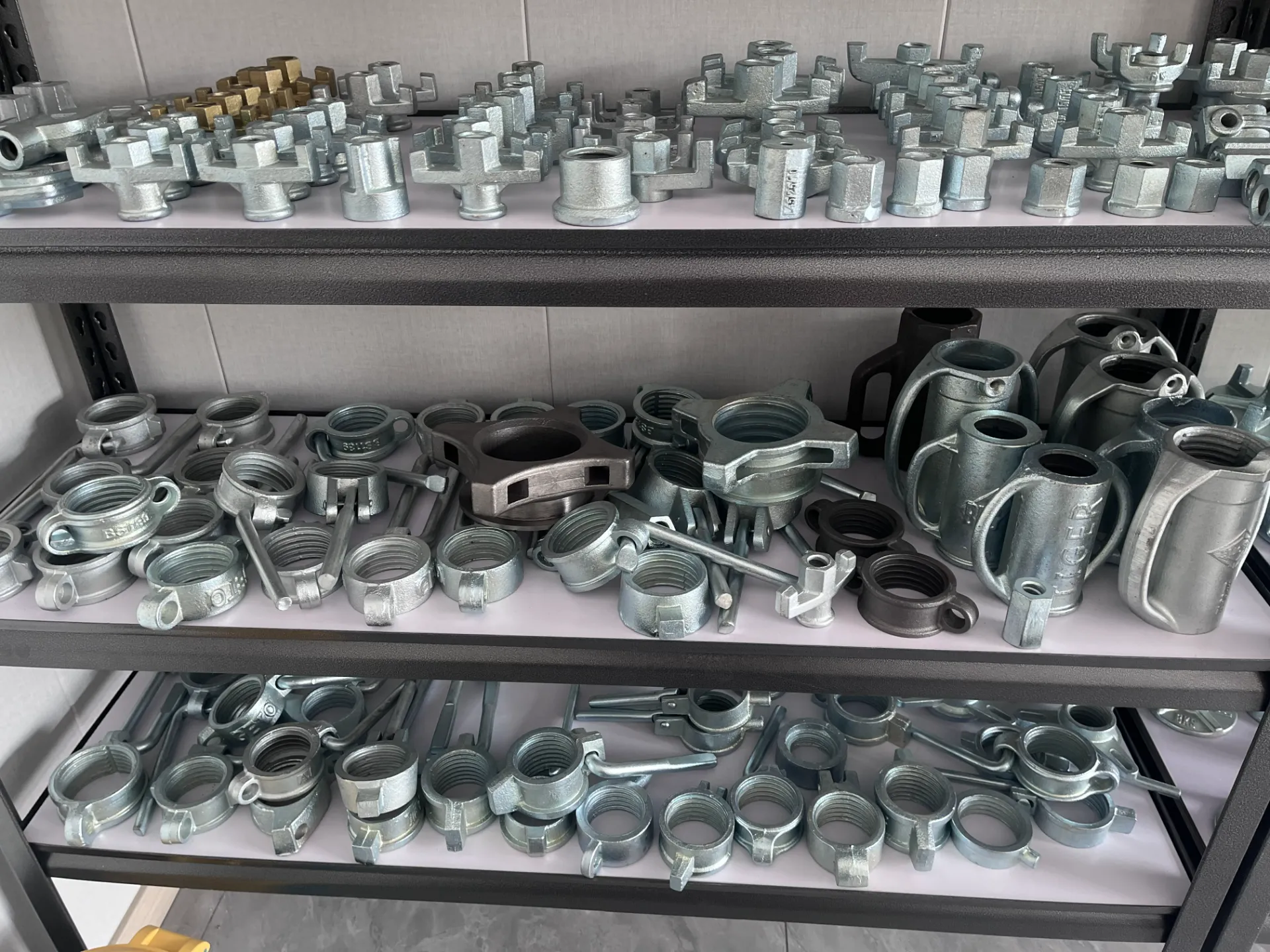
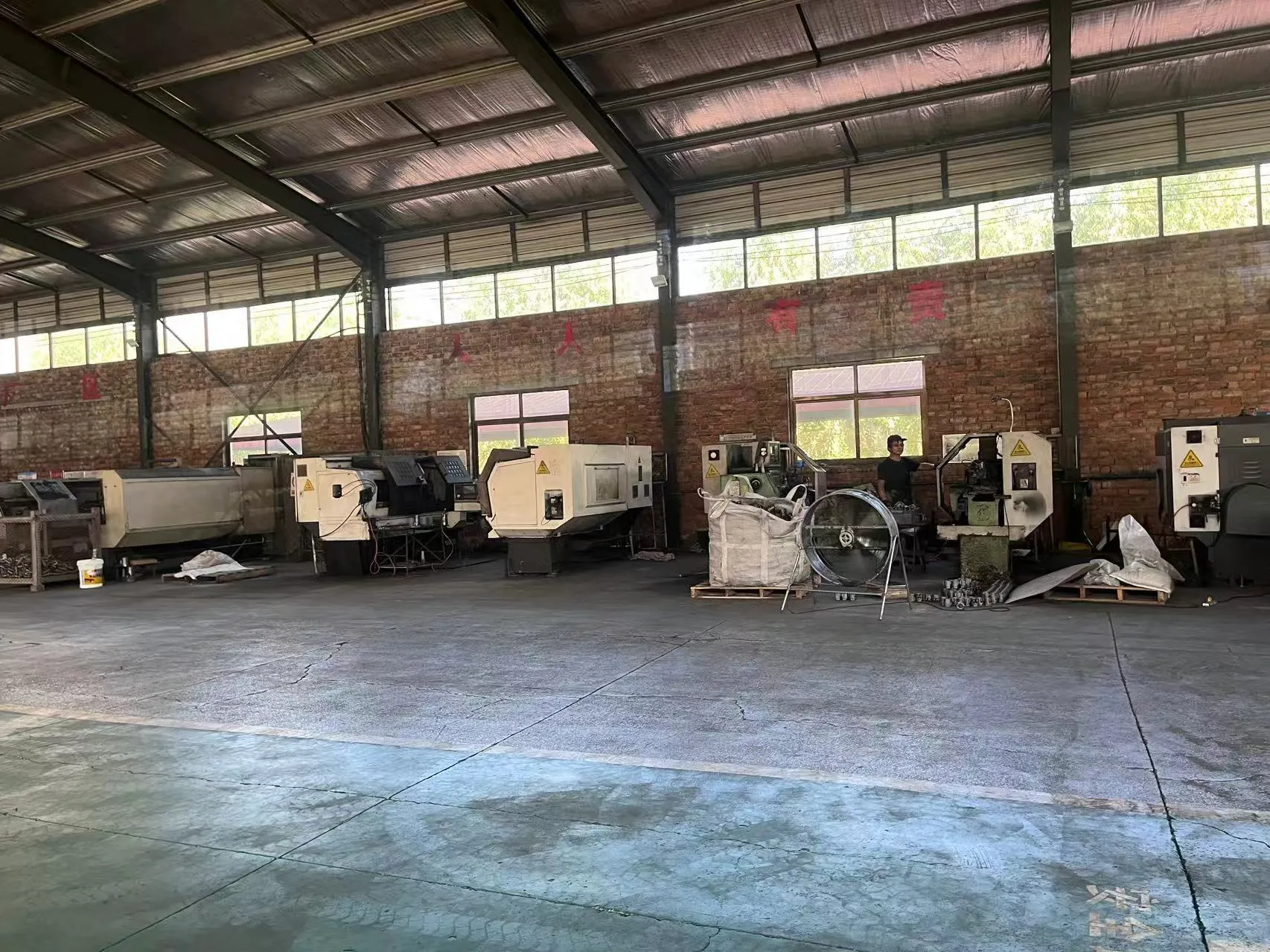
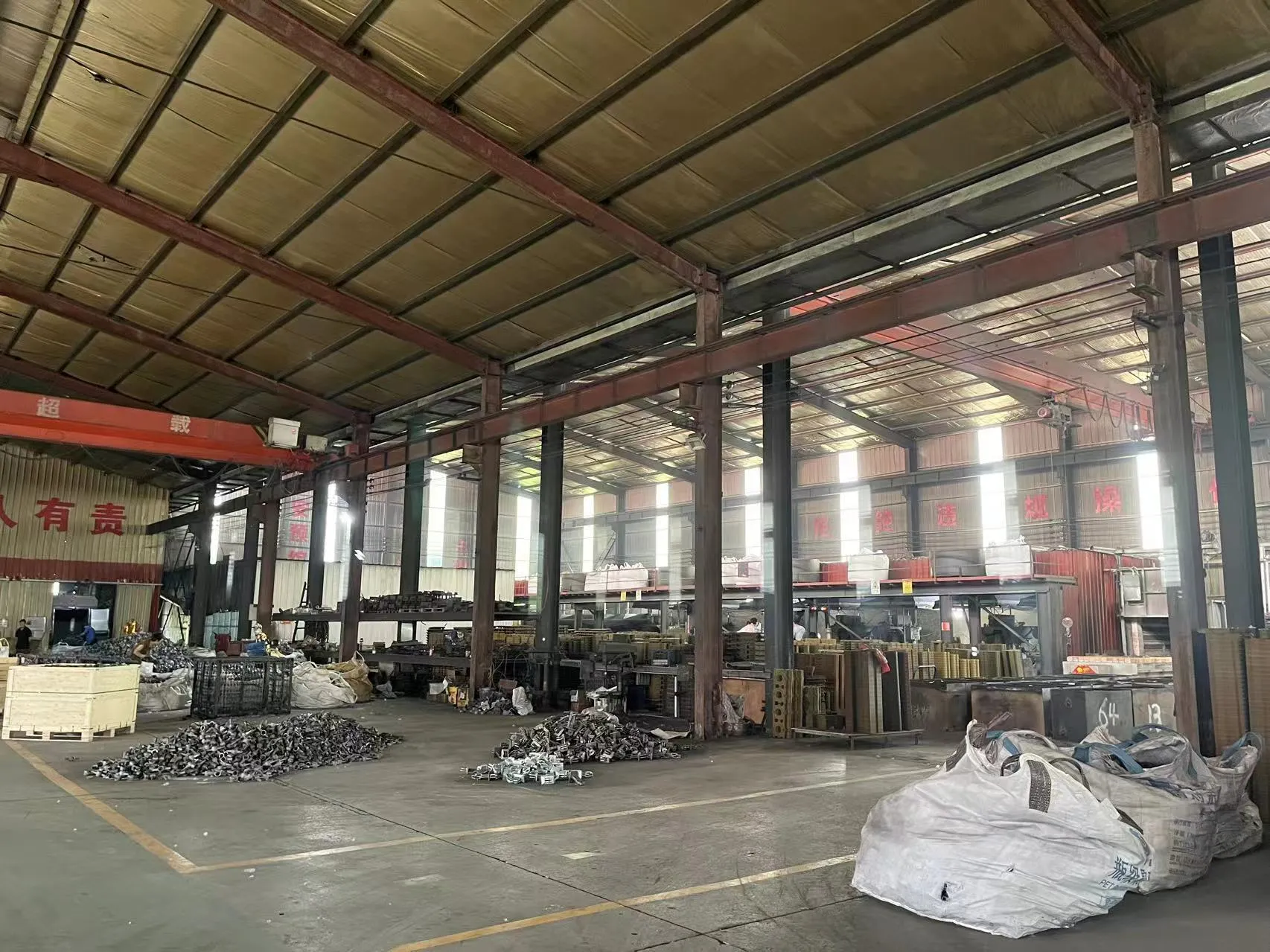
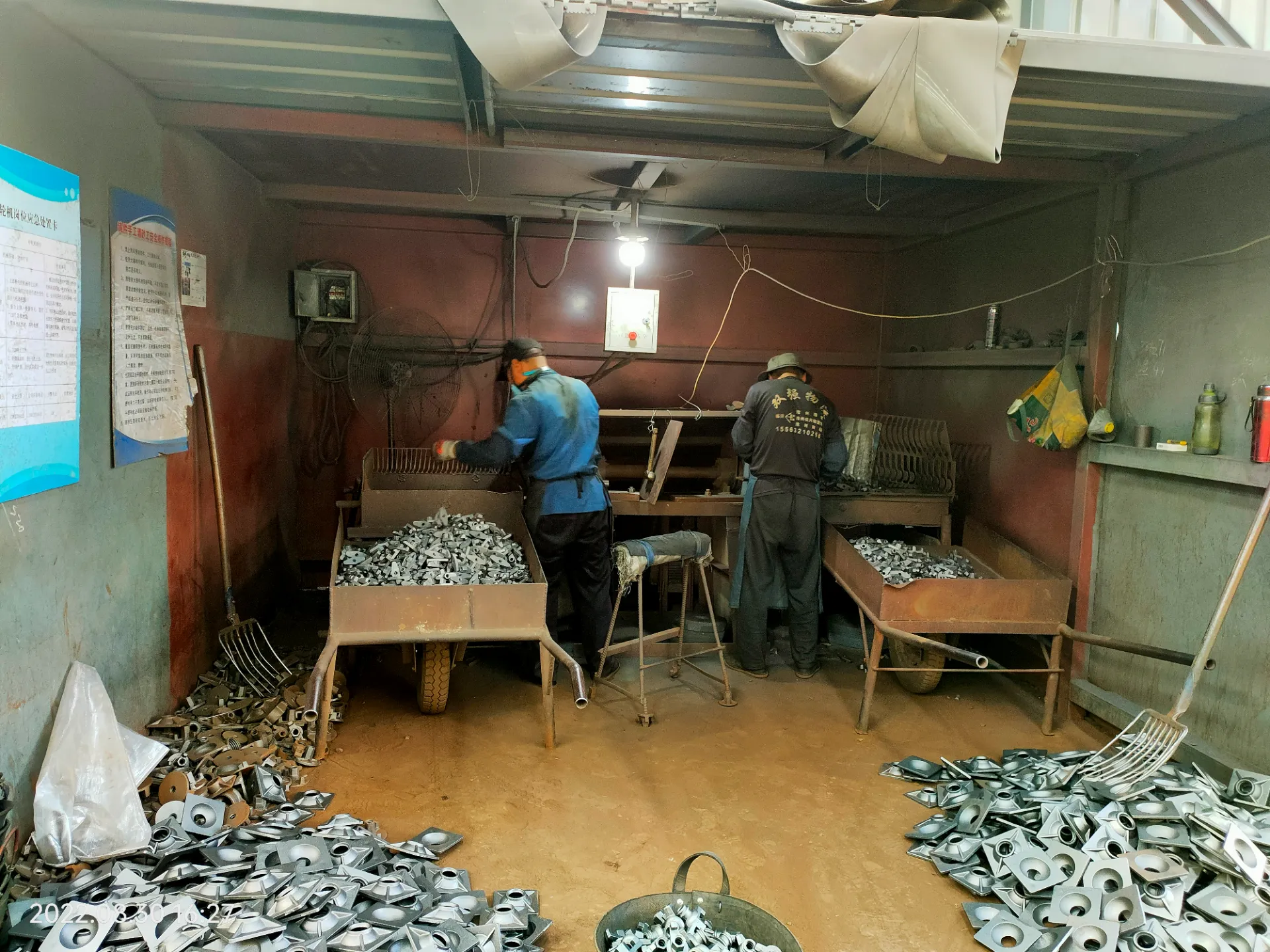
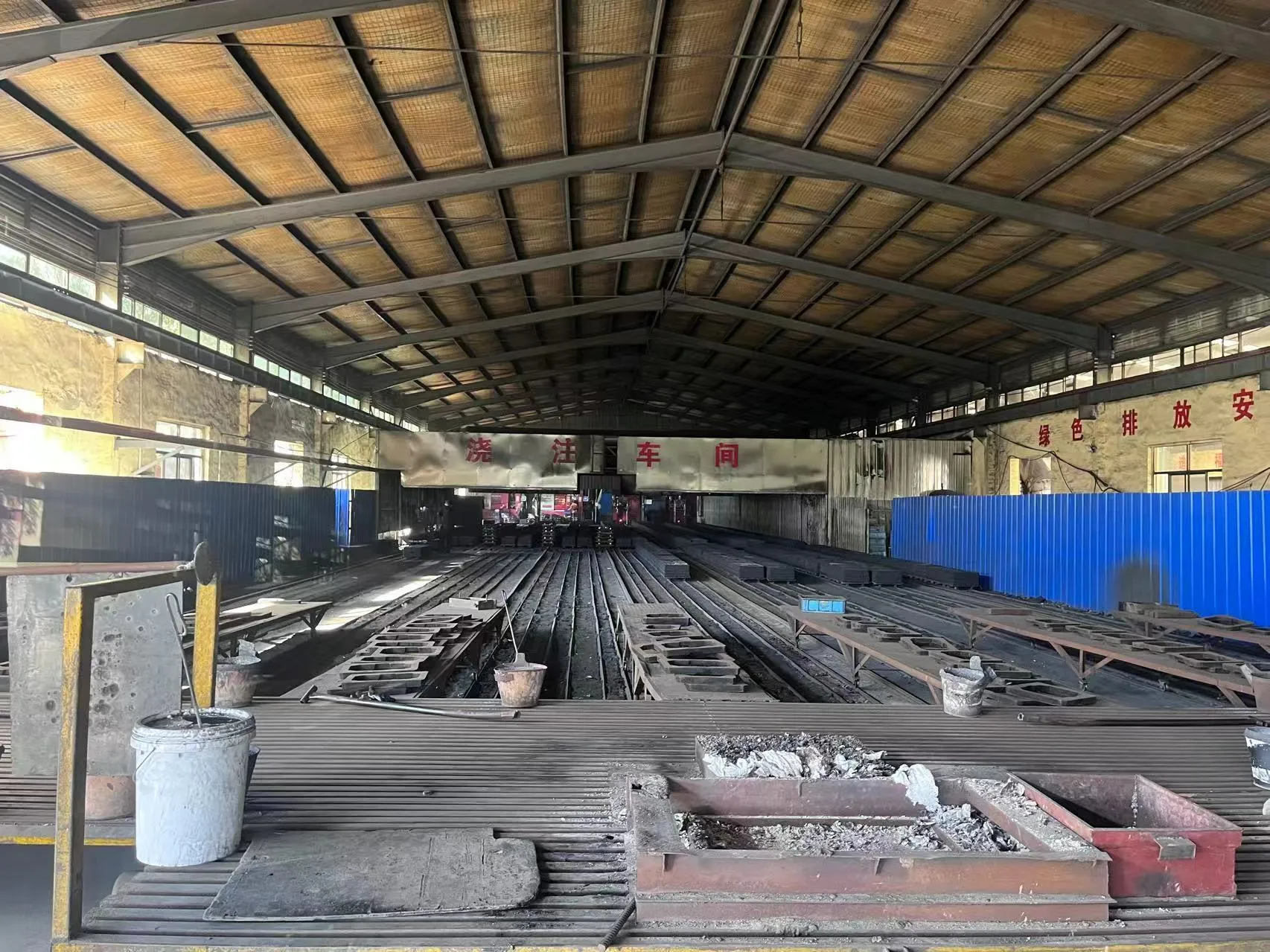
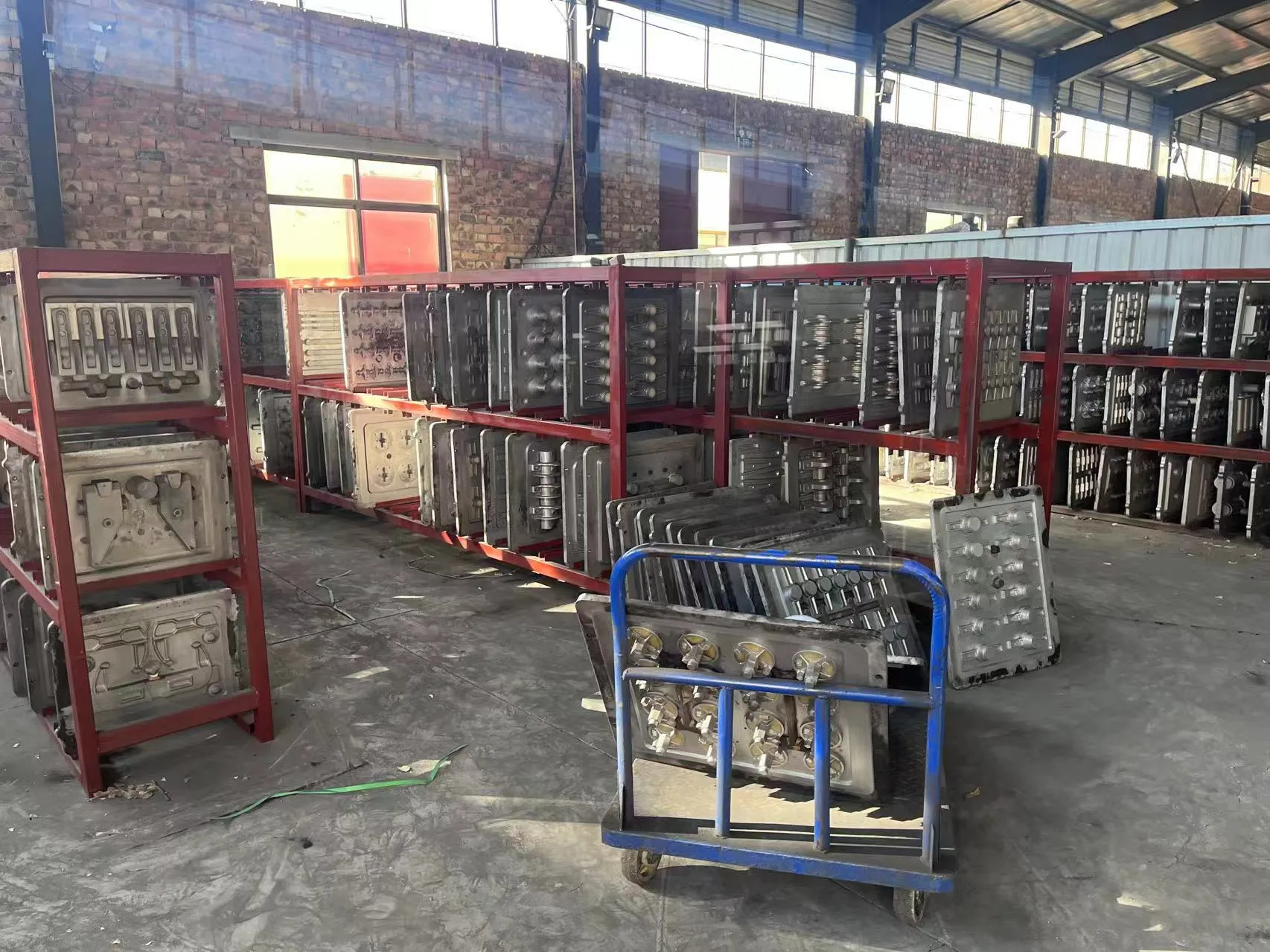
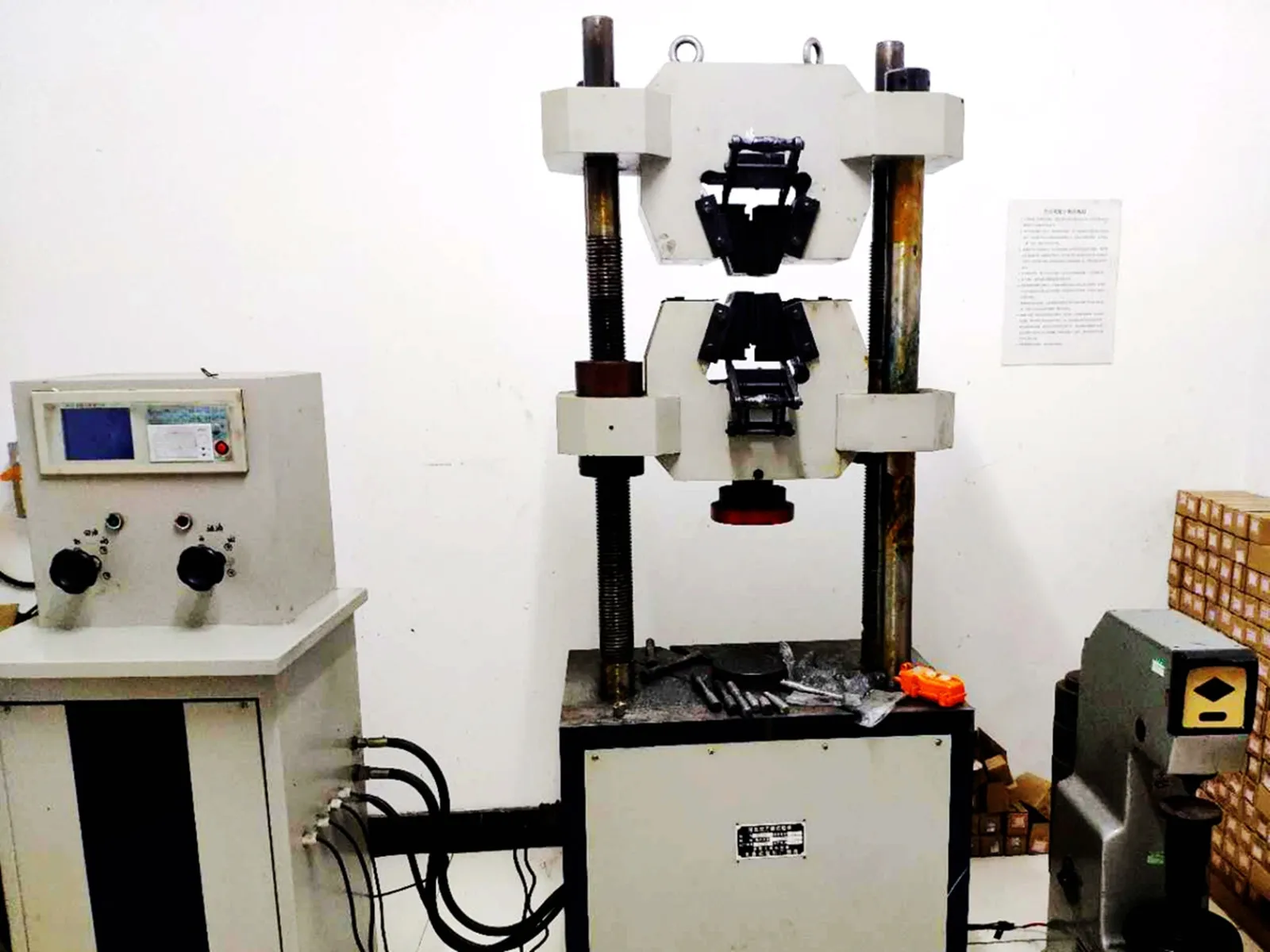
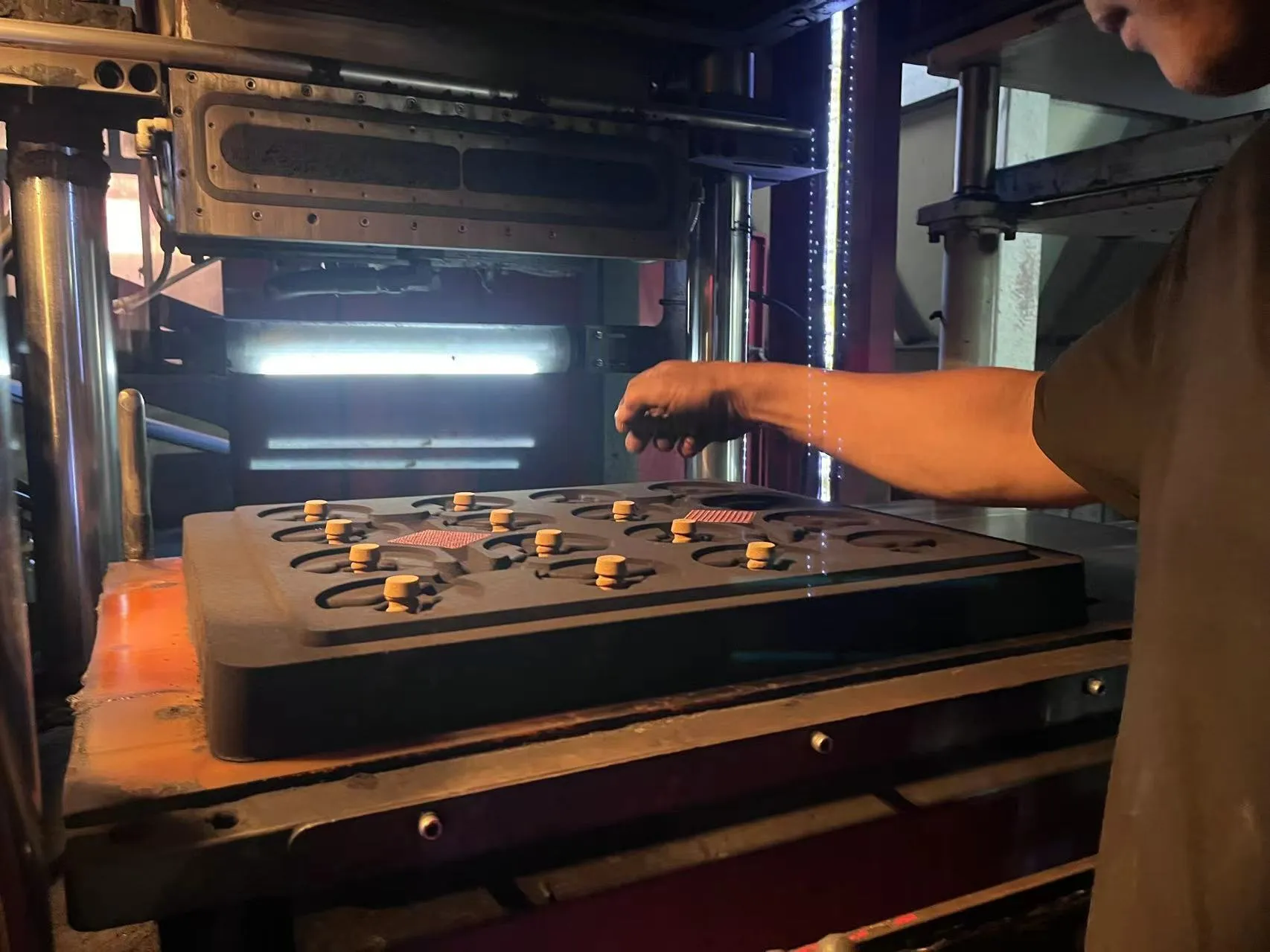
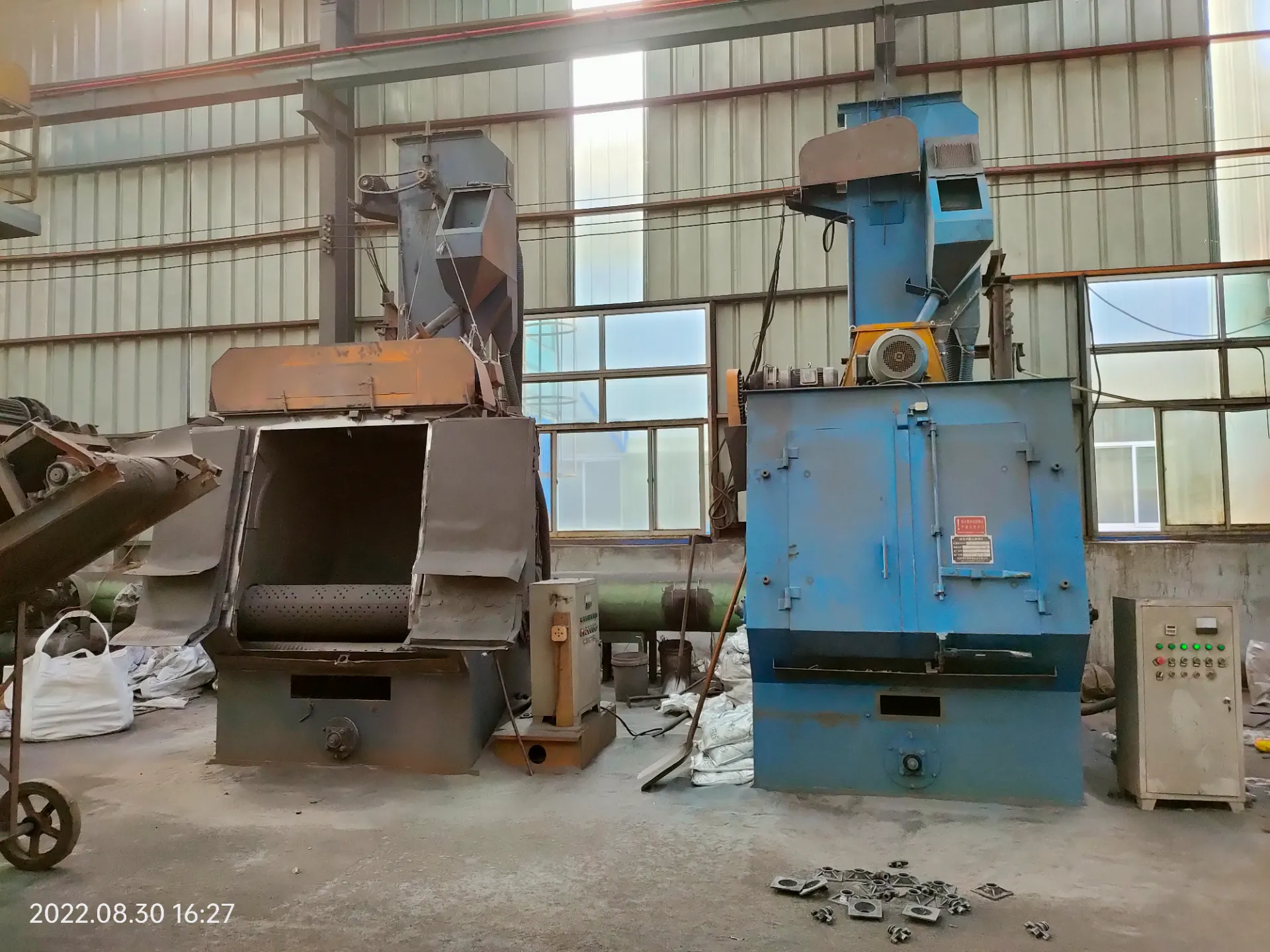
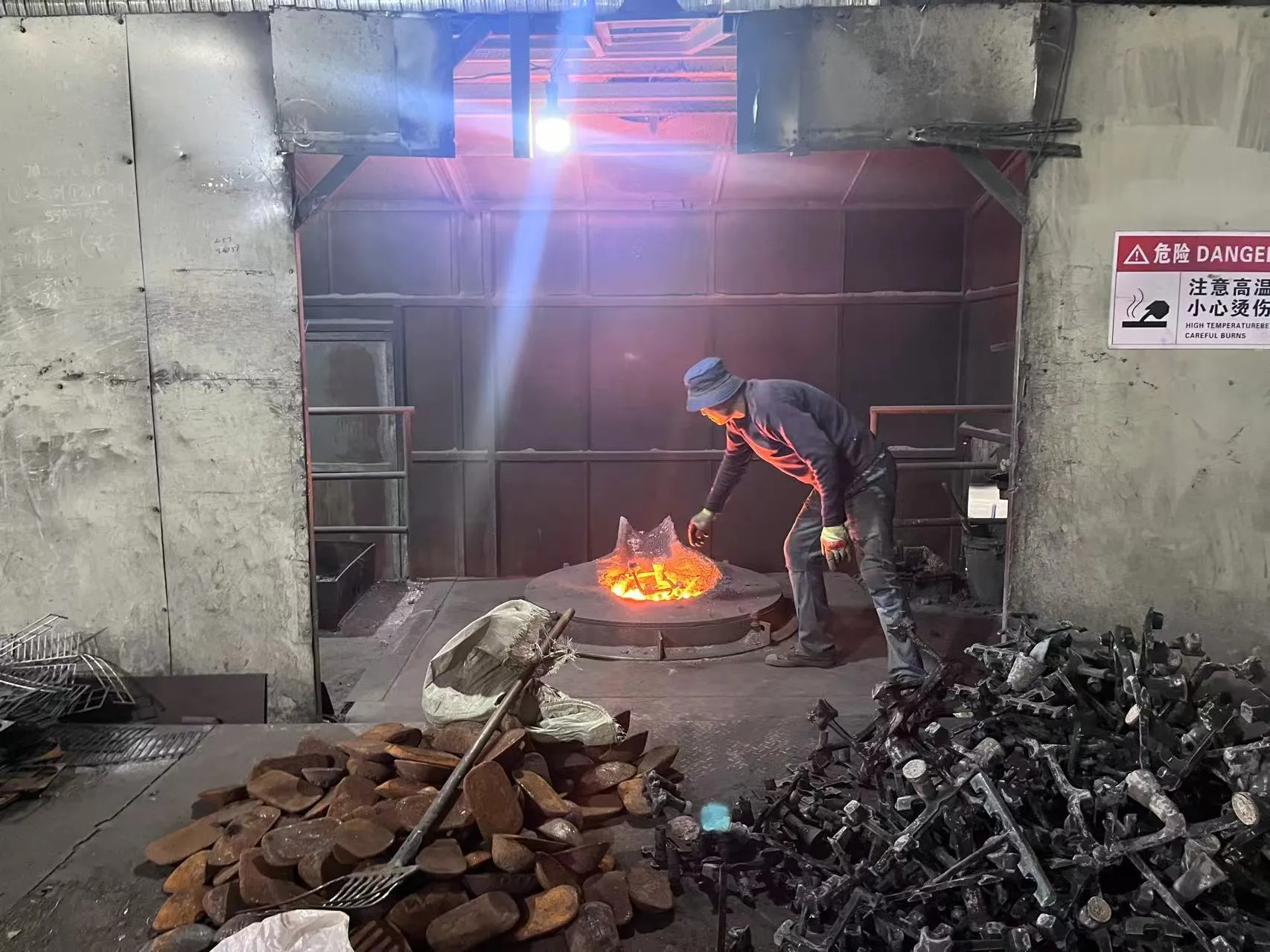
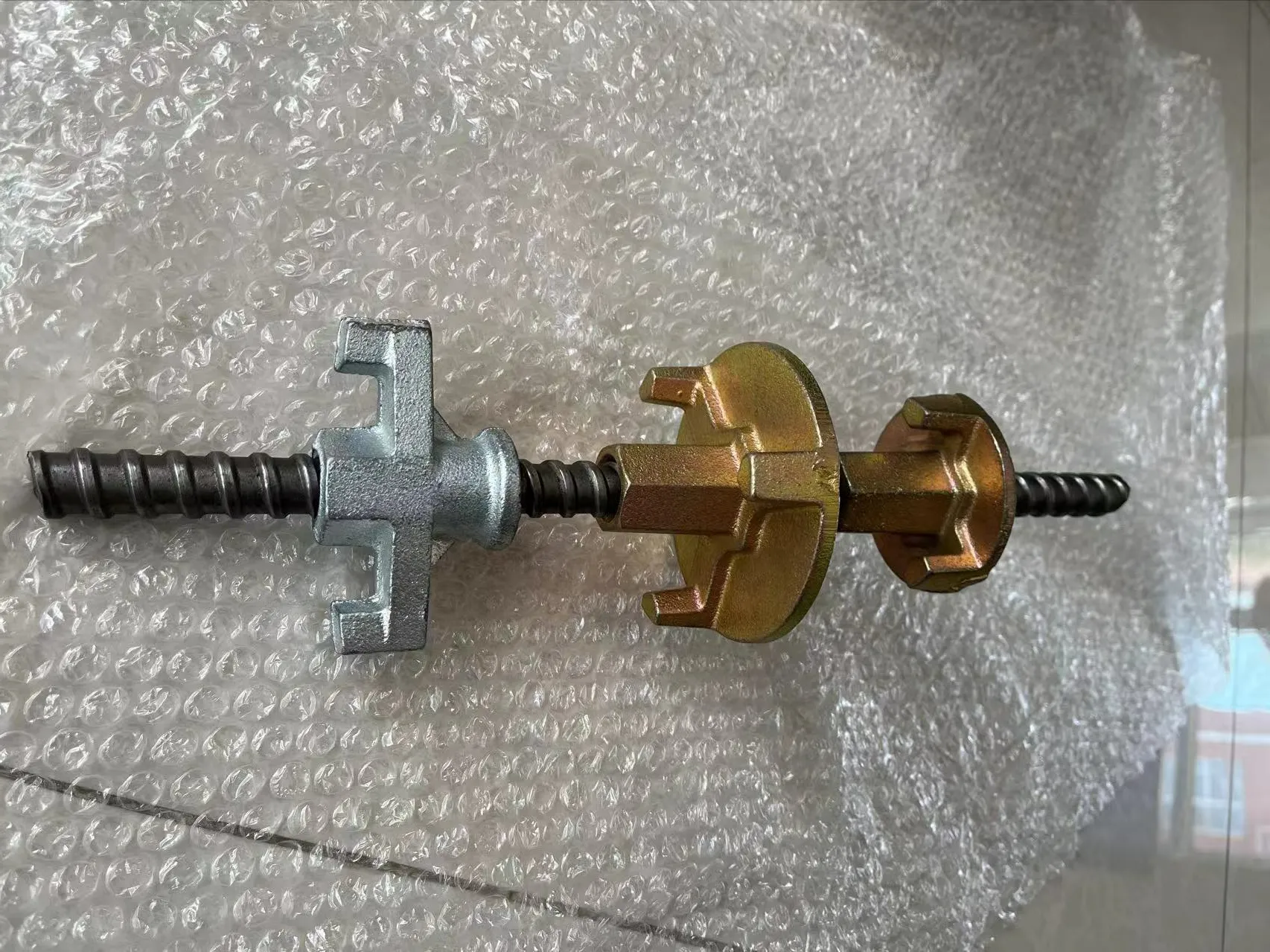
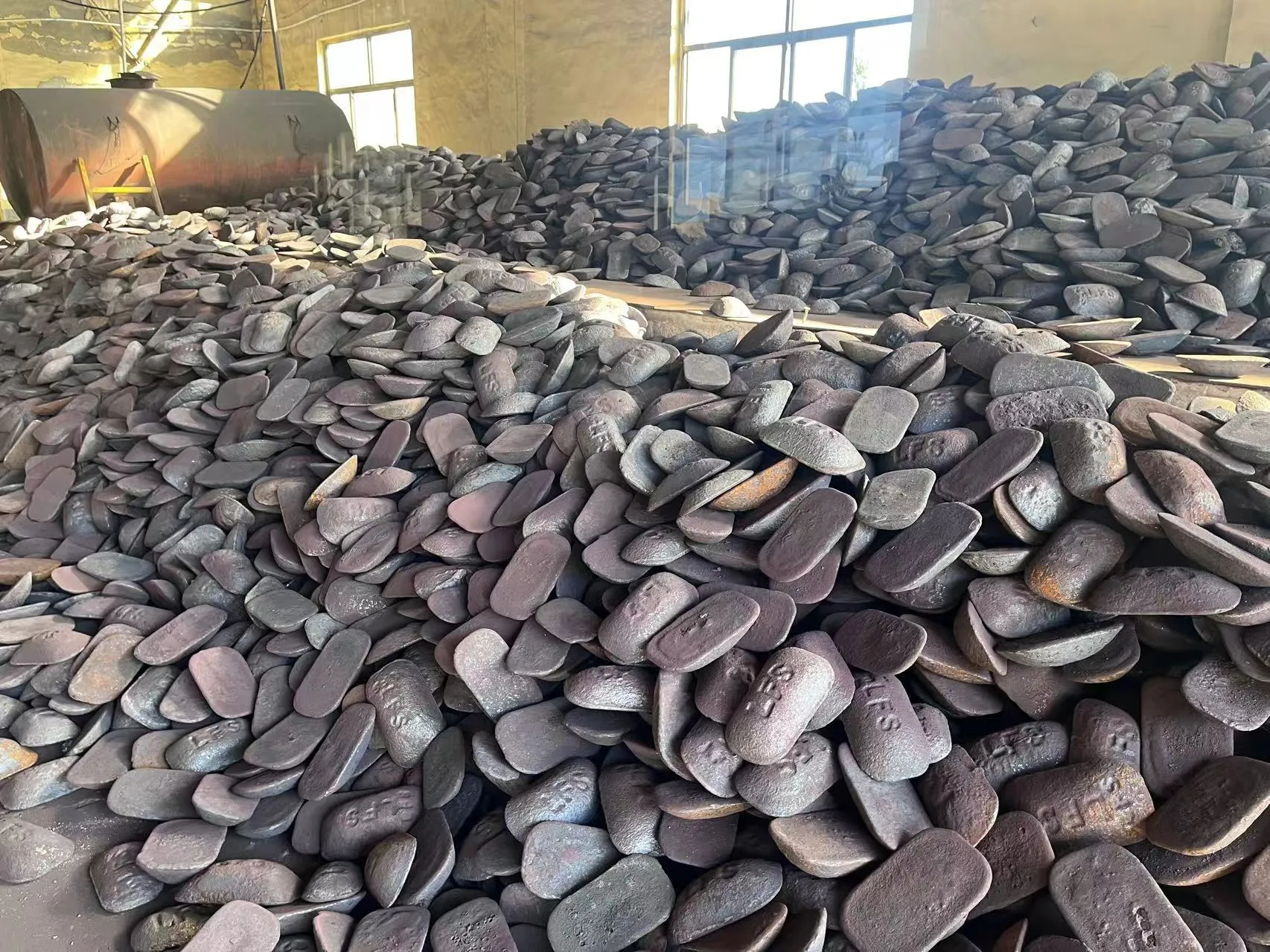
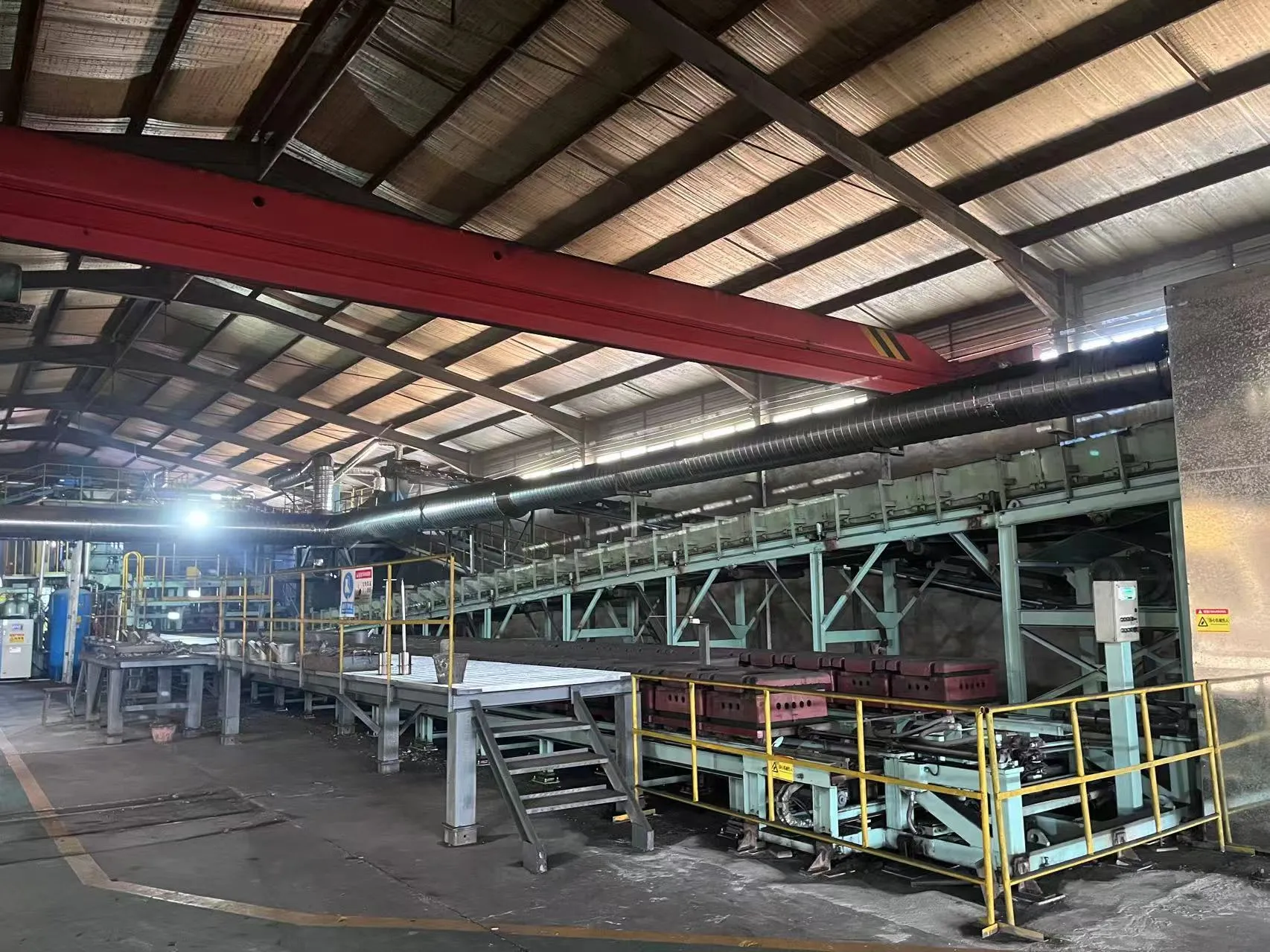
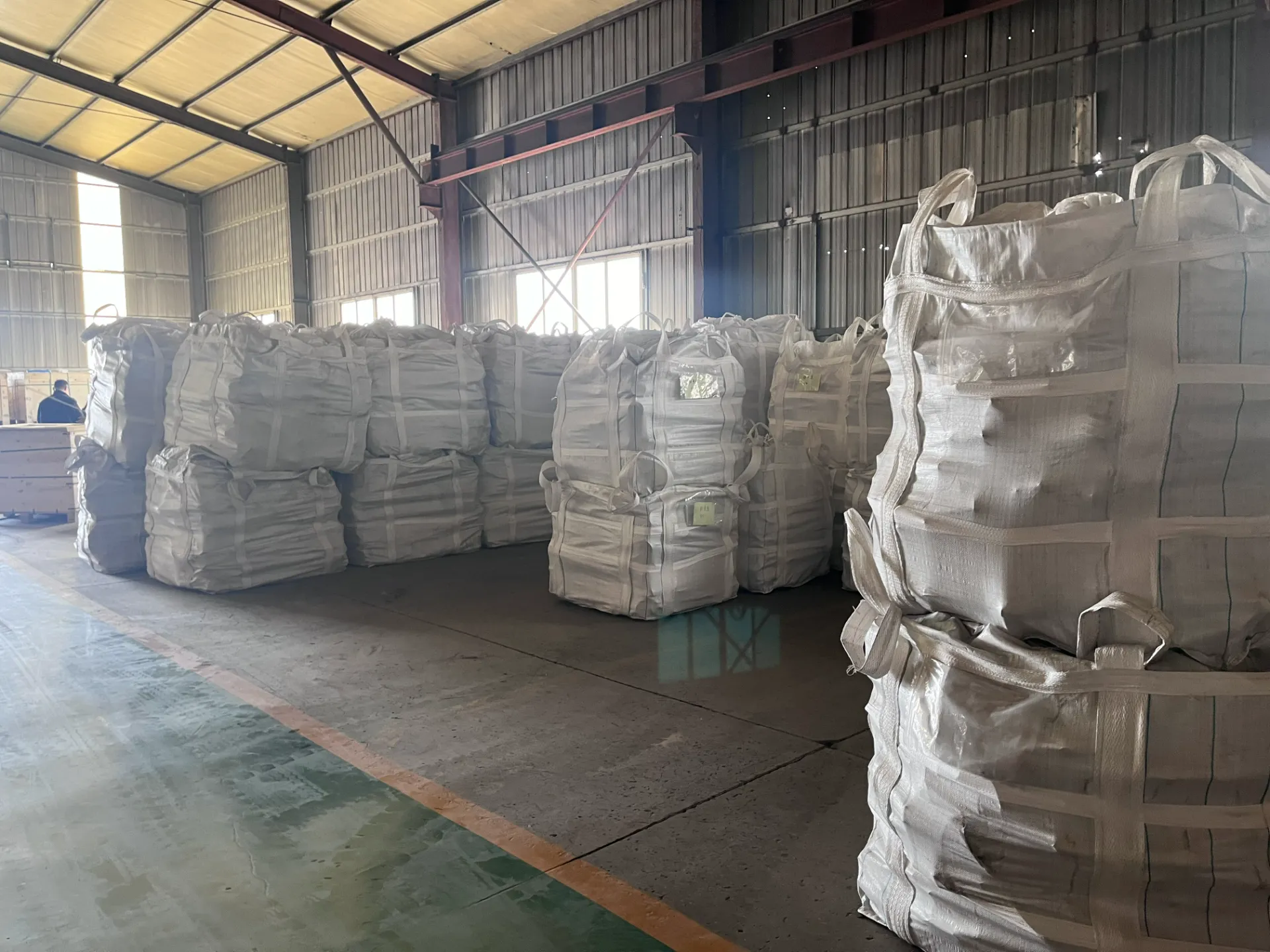



Types of Formwork Tie Rod Wing Nut
Formwork tie rod wing nuts are essential components in modern concrete formwork systems, providing secure fastening and easy adjustment during construction. At Cangzhou World Cup Trading Co., Ltd, we offer a range of high-quality wing nuts suitable for various tie rod systems, designed to enhance both safety and efficiency.
The first type is the standard wing nut, commonly used with tie rods in typical concrete wall or slab formwork. These wing nuts are manually tightened and loosened, allowing for quick assembly and disassembly without the need for additional tools. They are made from high-strength steel and often coated for corrosion resistance, ensuring durability in both indoor and outdoor projects.
The second type is the heavy-duty wing nut, designed for high-load applications such as high-rise buildings, bridge piers, or large industrial structures. Heavy-duty wing nuts have reinforced wings and thicker bodies to withstand the substantial lateral pressure of fresh concrete. They are often paired with robust tie rods and washers to ensure maximum stability and alignment of the formwork system.
Another type is the threaded wing nut with integrated washer seat, which combines the nut and washer into one component. This design simplifies installation, improves load distribution, and prevents localized stress on tie rods or formwork panels. It is particularly useful in projects requiring frequent adjustments or repetitive use, as it reduces labor time and potential hardware damage.
Additionally, there are coated or treated wing nuts, such as galvanized or black oxide variants, which provide superior corrosion resistance. These are ideal for environments exposed to moisture, chemicals, or outdoor conditions, extending the service life of the formwork assembly.
At Cangzhou World Cup Trading Co., Ltd, our wing nuts are compatible with various tie rod sizes and formwork systems, including ringlock scaffolding and modular concrete panels. Choosing the correct type of wing nut ensures structural stability, safety, and efficiency during concrete pouring operations.
Formwork Wing Nut Tie Rod: An Essential Tool for High-Rise Construction
In high-rise construction, precision, safety, and efficiency are critical. The formwork wing nut tie rod is an indispensable tool that ensures secure fastening of concrete formwork panels during the pouring and curing process. At Cangzhou World Cup Trading Co., Ltd, our products are designed to meet the demands of large-scale, high-rise projects worldwide.
High-rise structures require formwork systems that can withstand significant lateral pressure from fresh concrete. Tie rods act as the backbone of these systems, holding panels in place, while wing nuts allow for quick and secure fastening. The ergonomic wing design enables workers to tighten or loosen the nuts manually, saving time and reducing the need for additional tools.
The wing nut tie rod system provides adjustability, which is essential for high-rise construction where formwork panels must be precisely aligned and leveled at varying heights. This ensures that concrete walls, columns, and slabs set correctly, maintaining both structural integrity and aesthetic quality.
Durability is another critical factor. High-quality formwork wing nuts from Cangzhou World Cup Trading Co., Ltd are made of premium steel and often coated for corrosion resistance, making them suitable for repeated use and outdoor conditions. Their robust design ensures that even under heavy loads and continuous pressure, the tie rods and nuts maintain a secure grip, preventing deformation or failure.
The system also enhances worker safety. Properly secured tie rods and wing nuts reduce the risk of formwork collapse, panel movement, or accidents, which is especially important at great heights. They integrate seamlessly with other concrete accessories, including rapid clamps and washers, forming a complete and reliable fastening solution.
In conclusion, the formwork wing nut tie rod is a vital tool for high-rise construction, providing secure fastening, adjustability, durability, and safety. Its use ensures that concrete structures meet strict quality and safety standards while improving efficiency on the construction site.
Maintenance Tips for Formwork Tie Rod Wing Nut
Proper maintenance of formwork tie rod wing nuts is essential to ensure longevity, consistent performance, and safety during construction projects. At Cangzhou World Cup Trading Co., Ltd, we provide high-quality wing nuts that are durable, but regular care is necessary to maximize their service life.
The first maintenance tip is cleaning after use. Concrete residue, dust, and debris can accumulate on wing nuts and tie rods during construction, causing corrosion or thread damage. Cleaning with water and a soft brush, followed by drying, prevents buildup and ensures smooth operation in subsequent uses.
Second, inspect for wear and damage regularly. Check the wings for bending or cracks, the threads for stripping, and the overall nut body for signs of corrosion. Damaged wing nuts can compromise formwork stability and worker safety, so any worn-out components should be replaced immediately.
Third, apply protective coatings or lubricants. Light oil or anti-corrosion sprays can prevent rust, especially for nuts used in outdoor or humid environments. Galvanized or black oxide coated wing nuts already have enhanced corrosion resistance, but additional maintenance further extends their lifespan.
Fourth, store properly when not in use. Keeping wing nuts in a dry, organized storage area prevents accidental damage, misplacement, or exposure to moisture, which can reduce performance and longevity. Labeling by size and type also simplifies future selection and installation.
Fifth, avoid over-tightening during use. Excessive force can deform the wings or strip threads, reducing the effectiveness of the nut. Wing nuts are designed for manual tightening, and applying proper torque ensures consistent performance without damaging the hardware.
Lastly, periodically test compatibility with tie rods and other formwork accessories. Ensuring that the threads match and that nuts fit securely prevents slippage or loosening during concrete pouring.
In conclusion, proper maintenance of formwork tie rod wing nuts includes cleaning, inspection, protective coatings, correct storage, careful tightening, and compatibility checks. Following these tips helps ensure safety, durability, and reliable performance in every construction project.
concrete form tie
concrete formwork snap ties
concrete formwork ties
concrete wall form tie
form tie formwork system