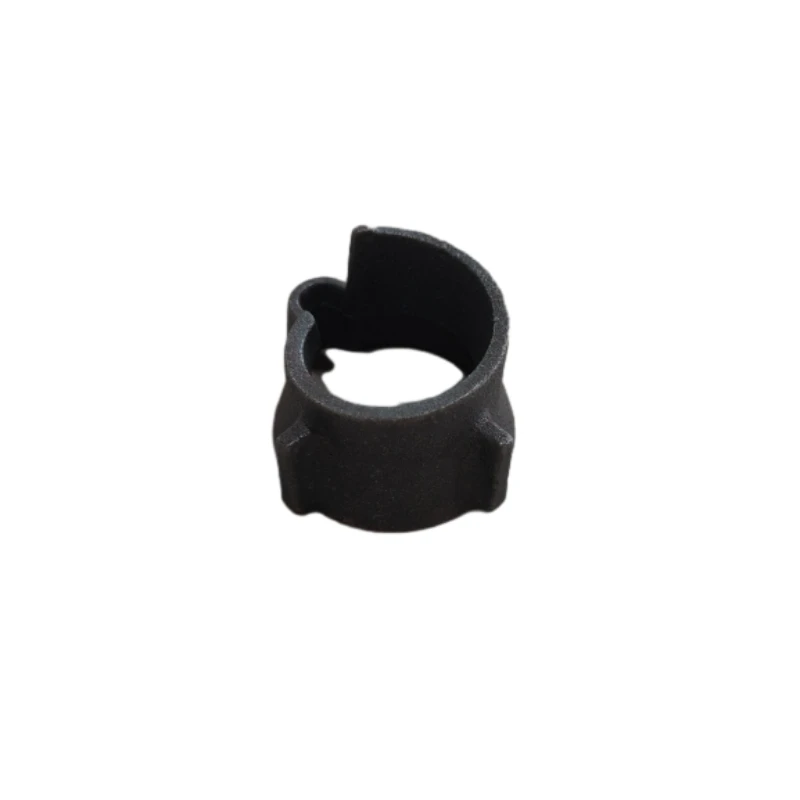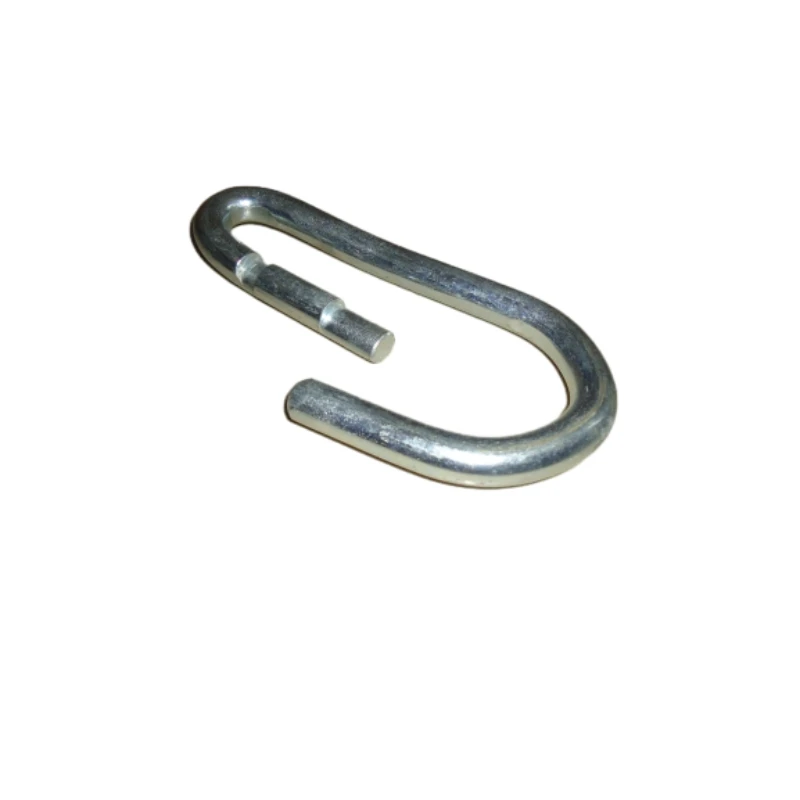
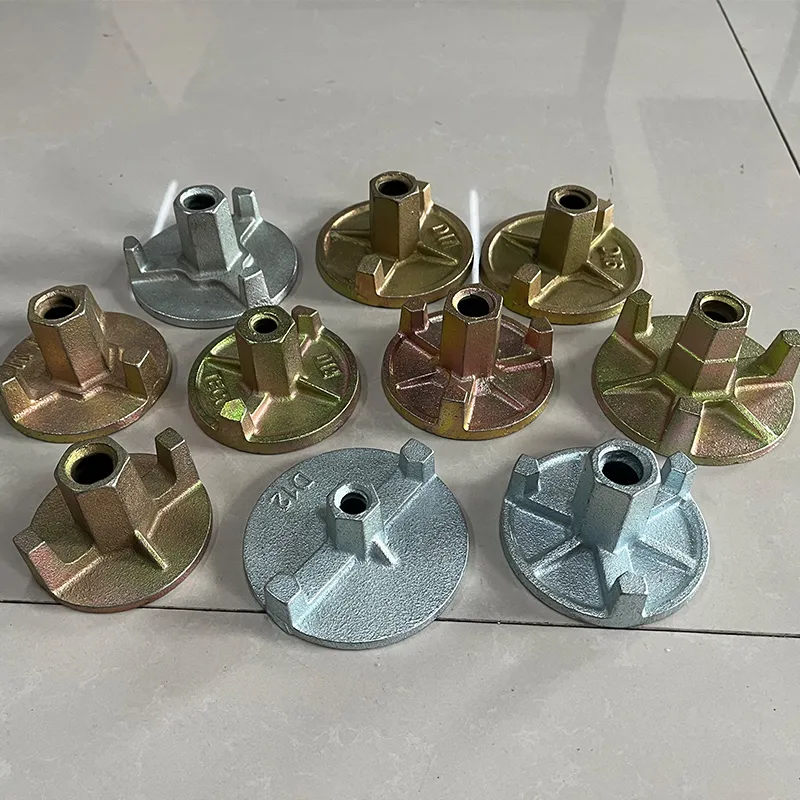
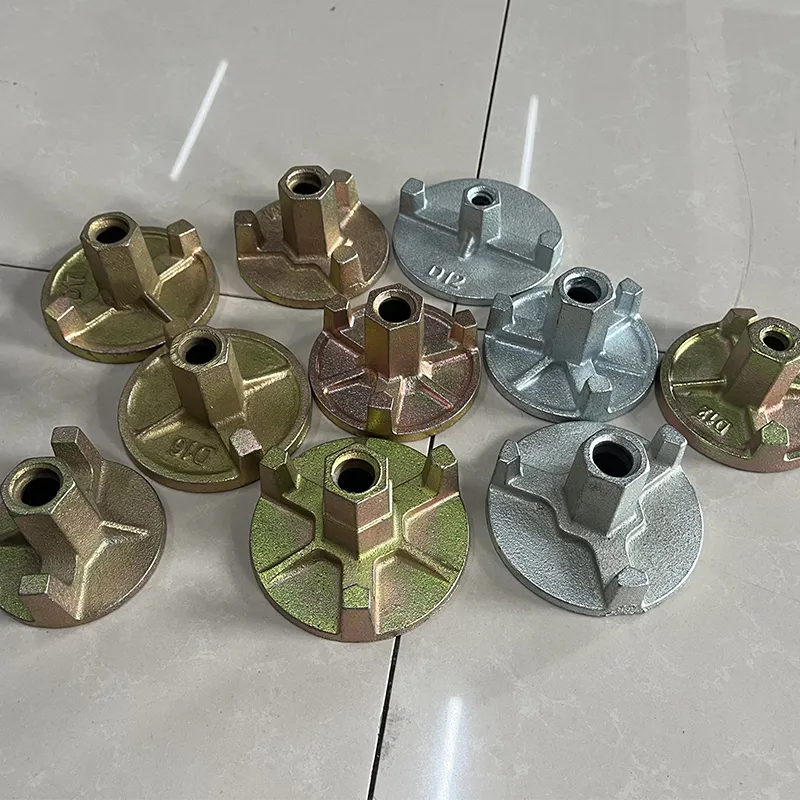
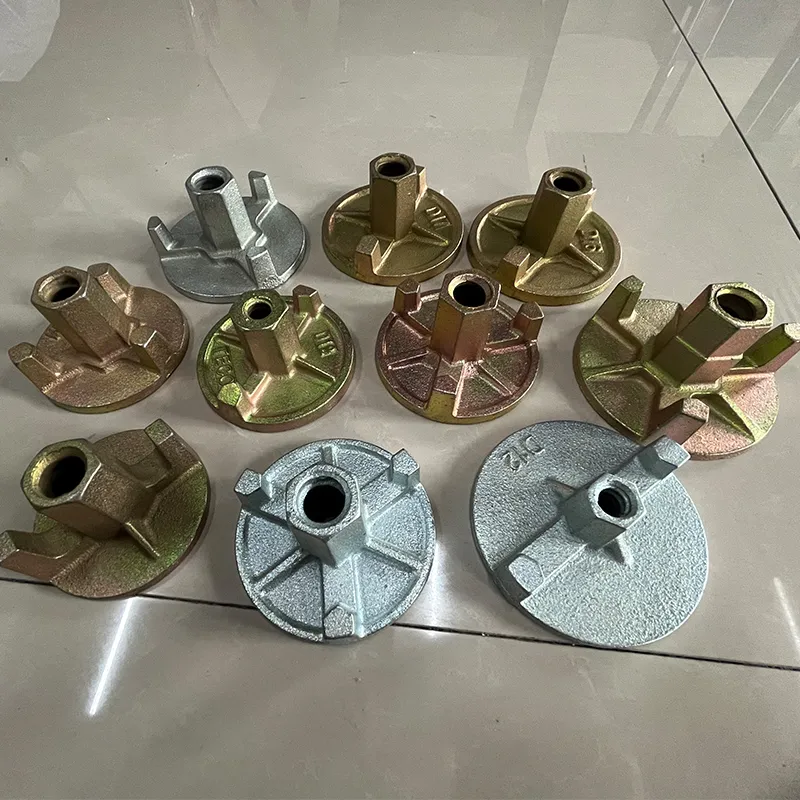
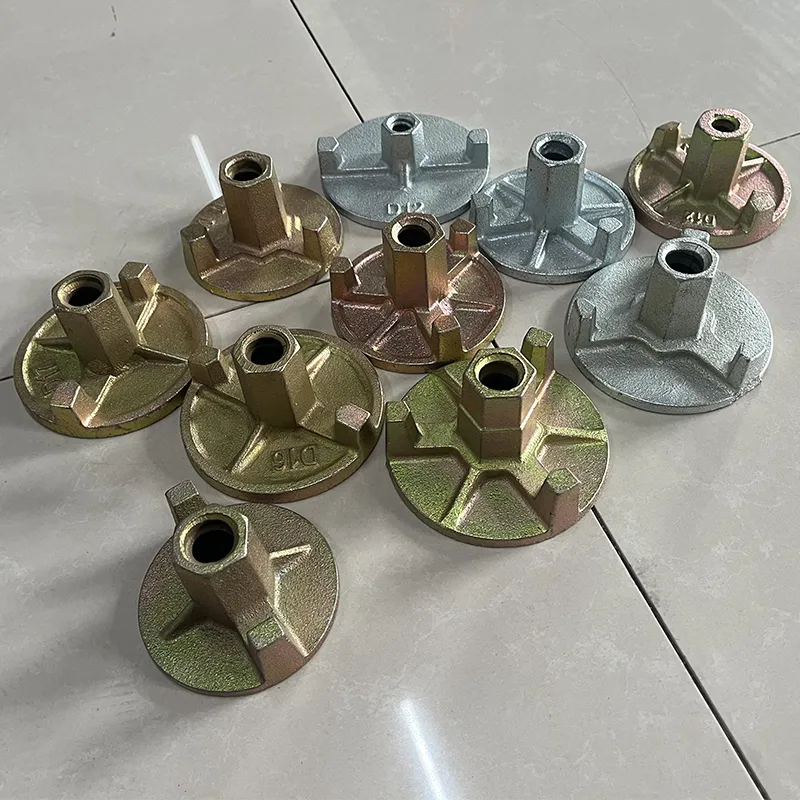
Cov txiv ntoo khi no yog tsim los ntawm cov hlau nplaum hlau (JIS FCD450) thiab paub txog lawv lub zog thiab ua haujlwm ntev. Lawv muaj nyob rau hauv ntau qhov sib txawv los ua kom haum rau ntau txoj hlua khi txoj kab uas hla, xws li 10mm, 12mm, 17mm (los yog D15), 21mm, 23mm (los yog D20), thiab ntau dua. Cov txiv ntseej tis yog tsim los nrog lub ntsej muag zoo li tis, tso cai rau kev tuav tes yooj yim yam tsis tas yuav tsum muaj cov cuab yeej ntxiv.
Cam khwb cia hlau formwork khi pas nrig tis txiv ntseej tuaj yeem ua tiav hauv nws tus kheej xim lossis zinc plated, thiab lawv tau tsim los siv dua tom qab unfastening. Lawv muaj cov qauv tsim uas tuaj yeem hloov kho kom ua tiav qhov xav tau nruj ntawm cov formwork panels.
Customization xaiv kuj muaj rau khi pas nrig tis txiv ntseej txoj kab uas hla, cov duab, thiab hom, tso cai rau tailoring rau tej kev tsim kho xav tau. Cov txiv ntseej tis kuj tau sib xws nrog ntau lub tshuab khi hlua thiab tuaj yeem siv nrog cov txheej txheem sib txawv ntawm cov vaj huam sib luag los muab kev sib txuas ruaj khov thiab ruaj ntseg.
Cam khwb cia hlau formwork khi pas nrig tis txiv ntoo ua lub luag haujlwm tseem ceeb hauv txoj kev tsim kho los ntawm kev ua kom muaj kev ruaj ntseg thiab kev ncaj ncees ntawm cov txheej txheem formwork thaum lub sij hawm ua vaj tse. Lawv durability, yooj yim ntawm kev siv, thiab customization xaiv ua rau lawv ib tug nrov kev xaiv ntawm kev tsim kho cov tub txawg.
WRK muaj ntau hom formwork khi txiv ntoo for customer’s different requirements, popular standard sizes as following specifications:
|
Loj |
D12 * 4mm |
D12 * 4mm |
OD 17 * 10mm |
OD 17 * 10mm |
OD 17 * 10mm |
OD 17 * 10mm |
OD 17 * 10mm D16 * 10mm |
OD 17 * 10mm |
OD 17 * 10mm |
D17 * 10mm |
D17 * 10mm |
D20 * 10mm |
|
Tsim |
|
|
|
|
|
|
|
|
|
|
|
|
|
Hnub Base. |
|
|
80 hli |
90mm ua |
90mm ua |
90mm ua |
95mm ua |
100 hli |
100 hli |
100 hli |
110 hli |
130 hli |
|
Qhov hnyav |
|
|
430g ua |
500 grams |
500 grams |
450 g yog ' |
500 grams |
530g ua |
530g ua |
600 g yog ' |
700 g yog ' |
940g ua |
|
Khoom siv |
cam khwb cia hlau JIS FCD450 |
|||||||||||
|
Nto |
Xwm / Yellow galvanized / Sliver galvanized |
|||||||||||
|
Pob ntawv |
Hnab / Pallets / ntoo rooj |
|||||||||||
|
Chaw thau khoom muaj peev xwm |
Ntau tshaj 180KN |
|||||||||||
|
Daim ntawv thov |
Formwork khi pas nrig system |
|||||||||||
|
Yam khoom |
Fomwork khi pas nrig, Waller phaj, Steel cone, hex txiv ntseej, ceev clamp thiab lwm yam. |
|||||||||||
|
OEM |
Customer’s design available |
|||||||||||
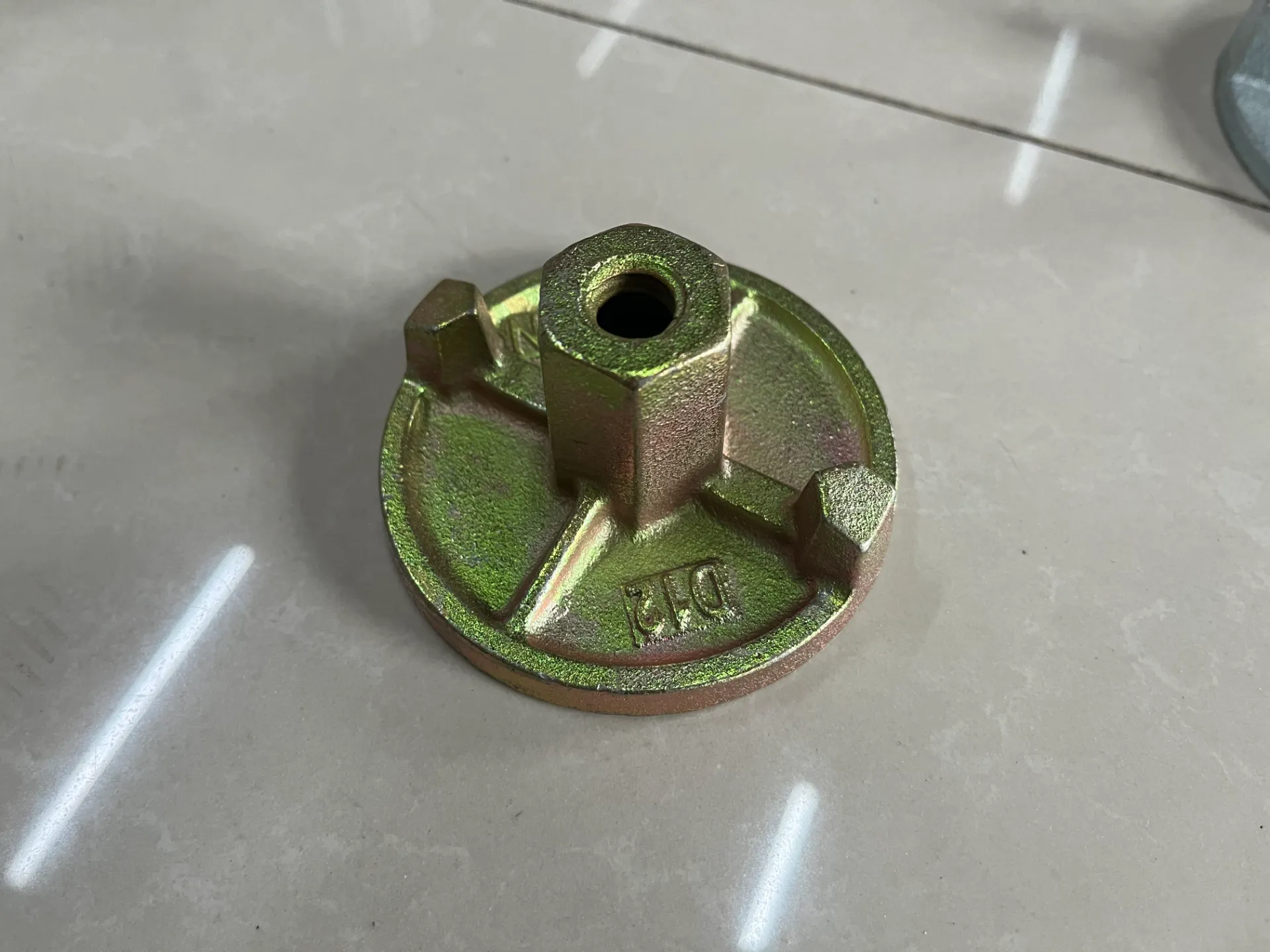
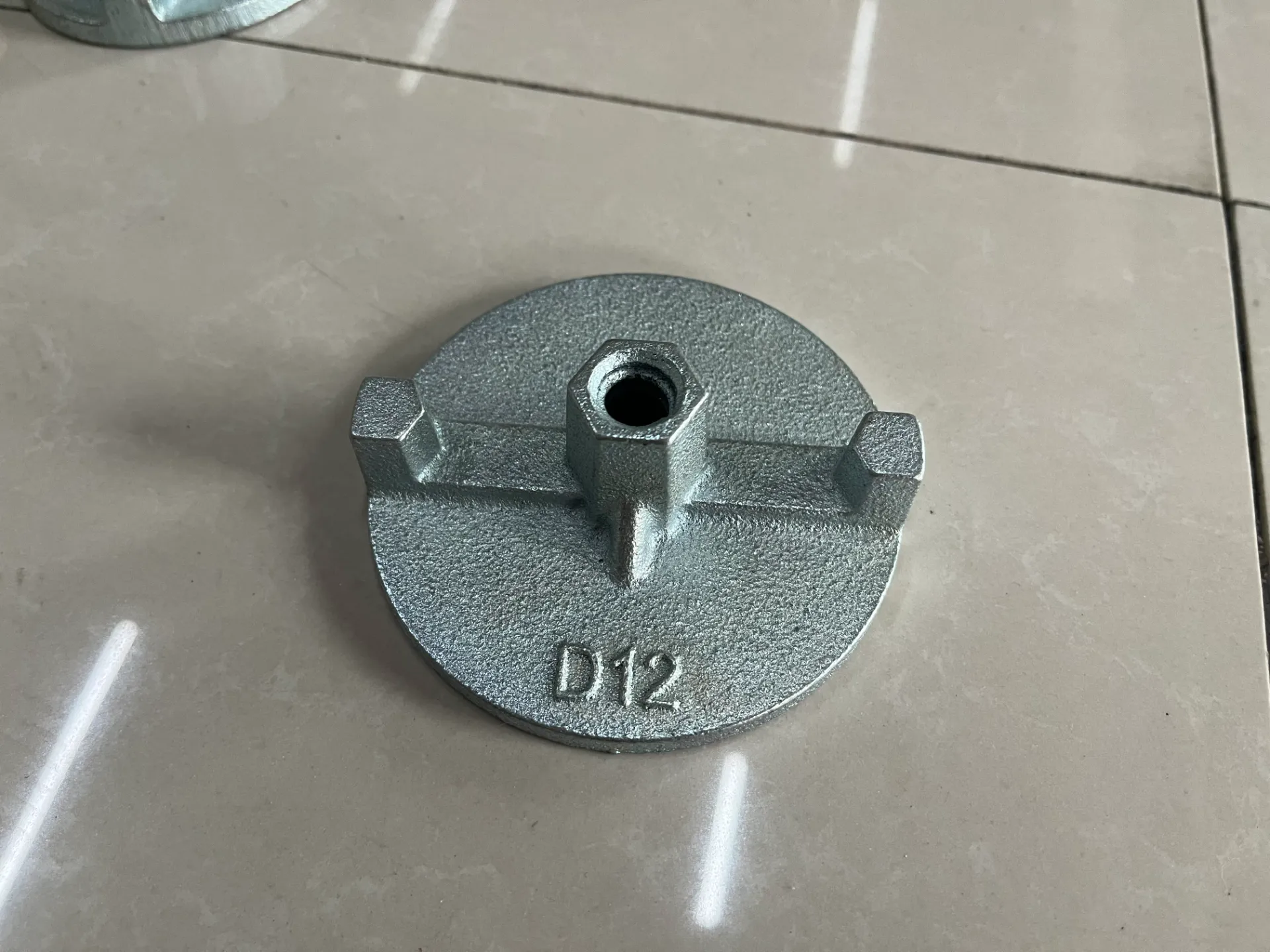
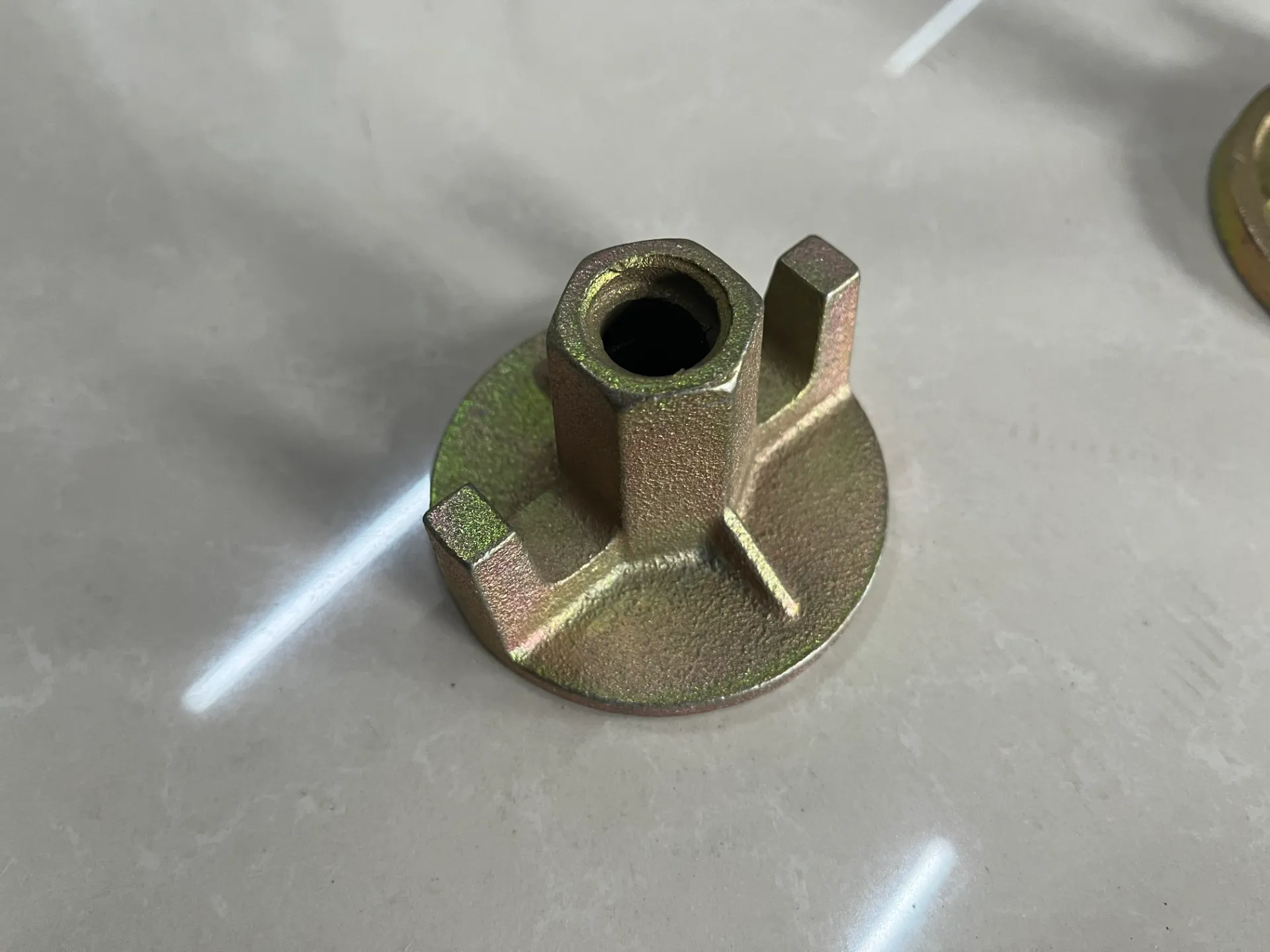
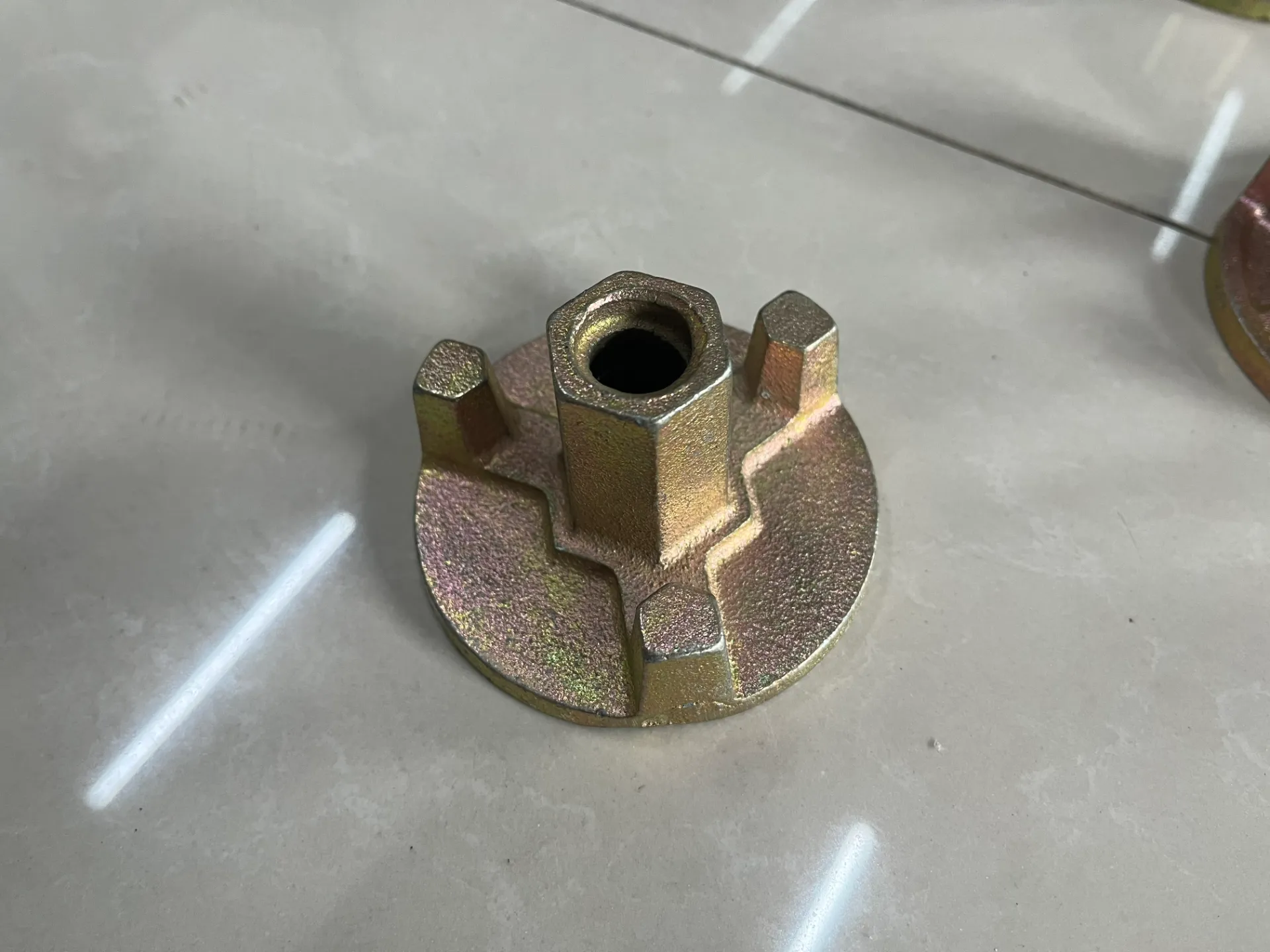
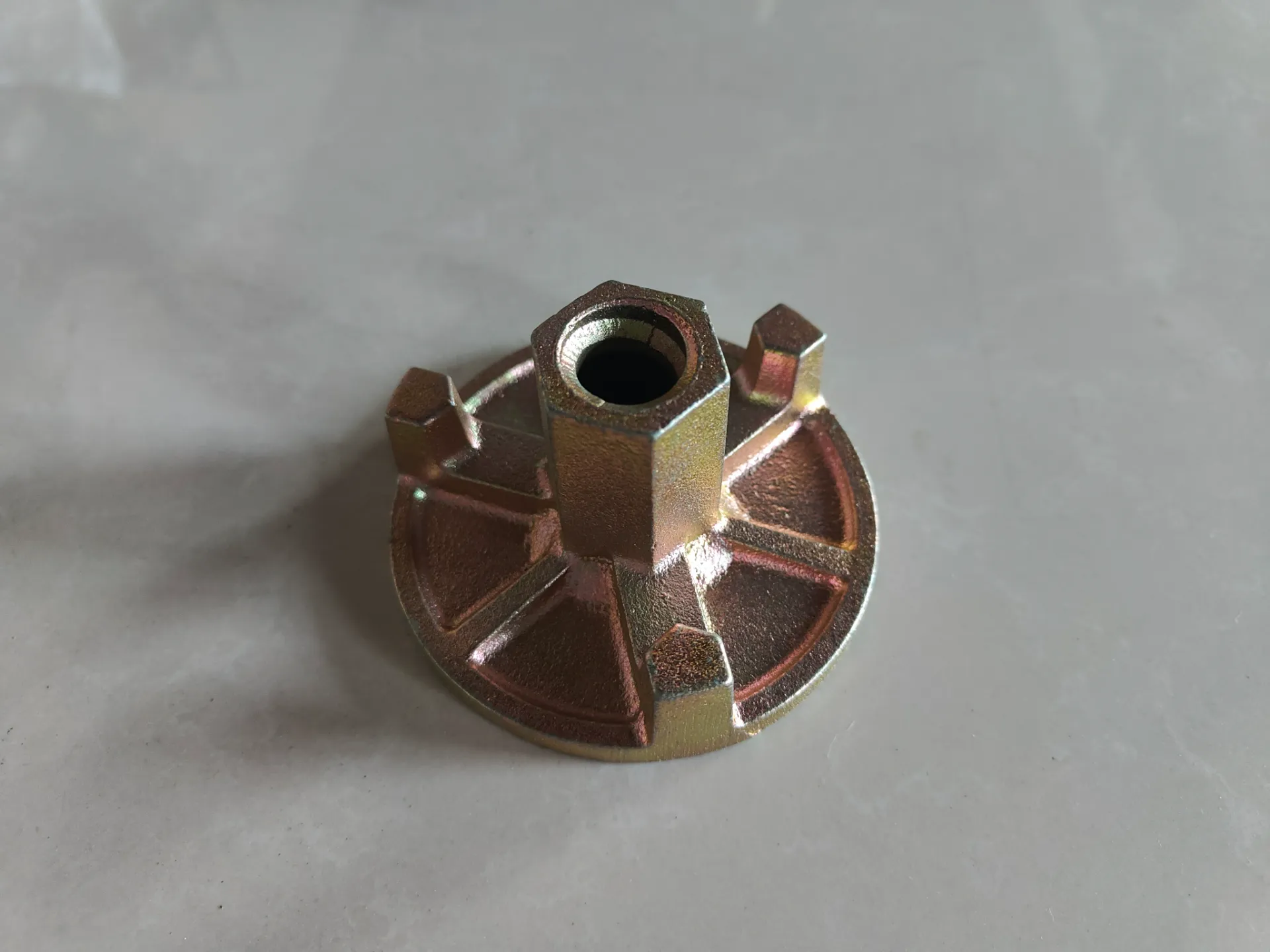
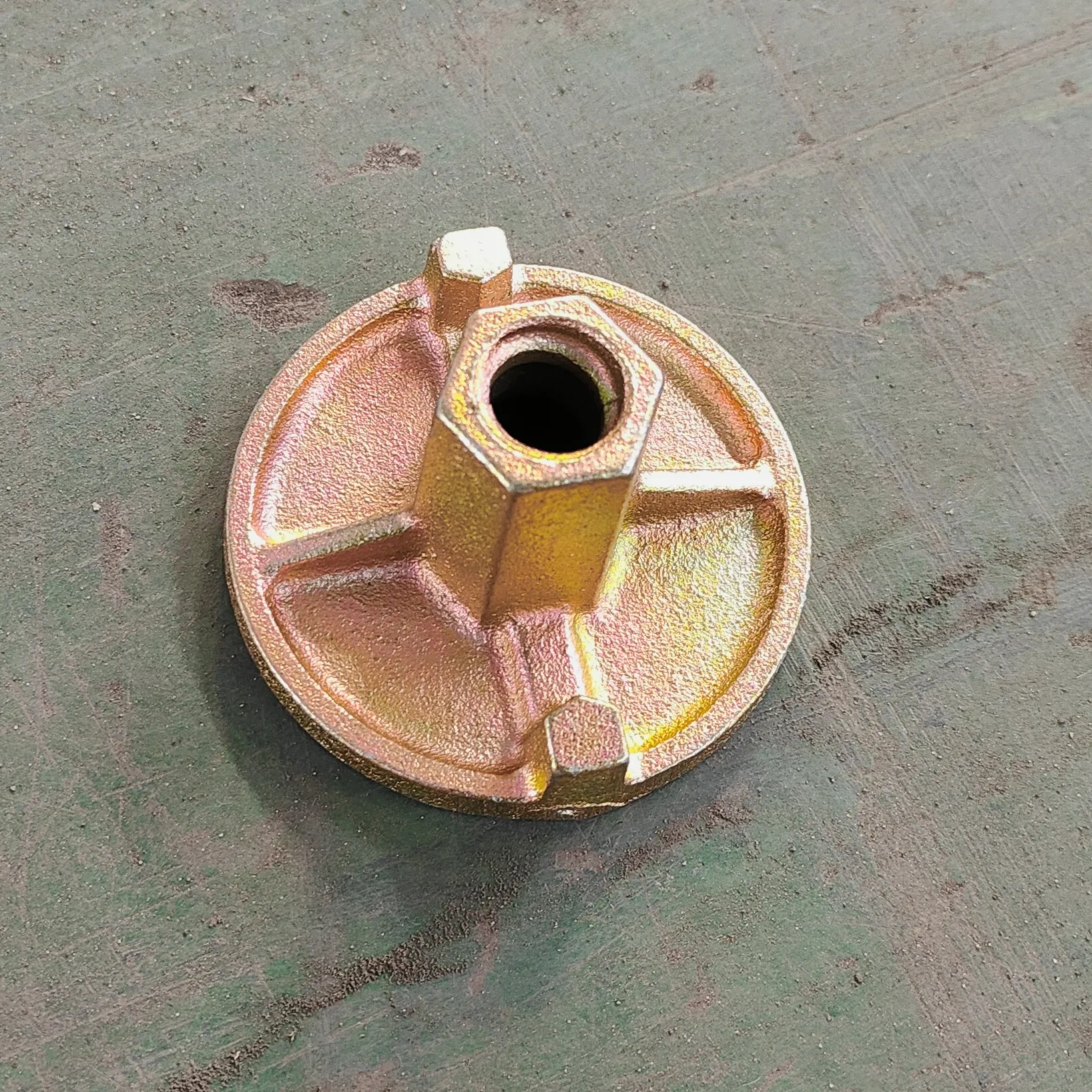
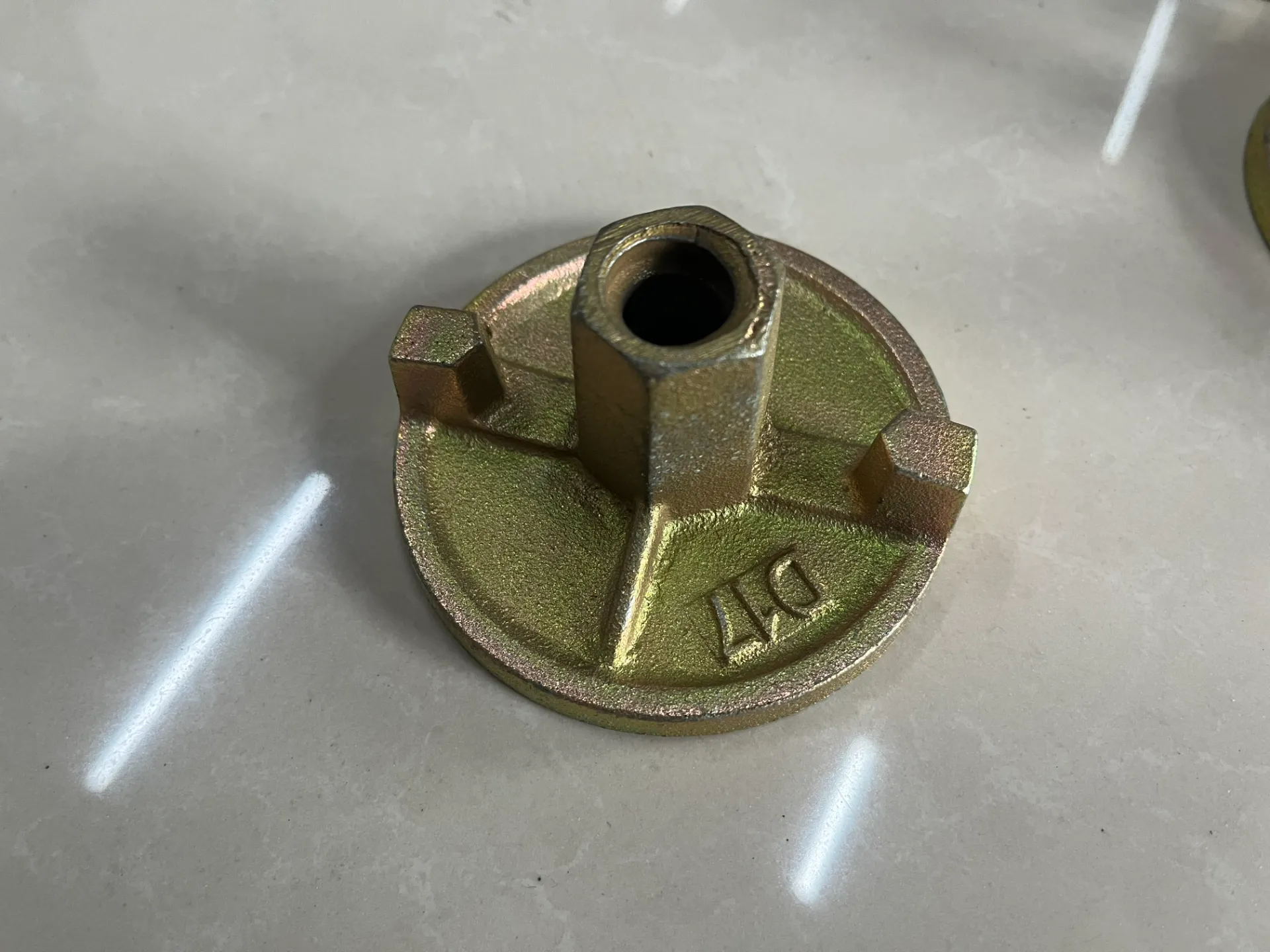
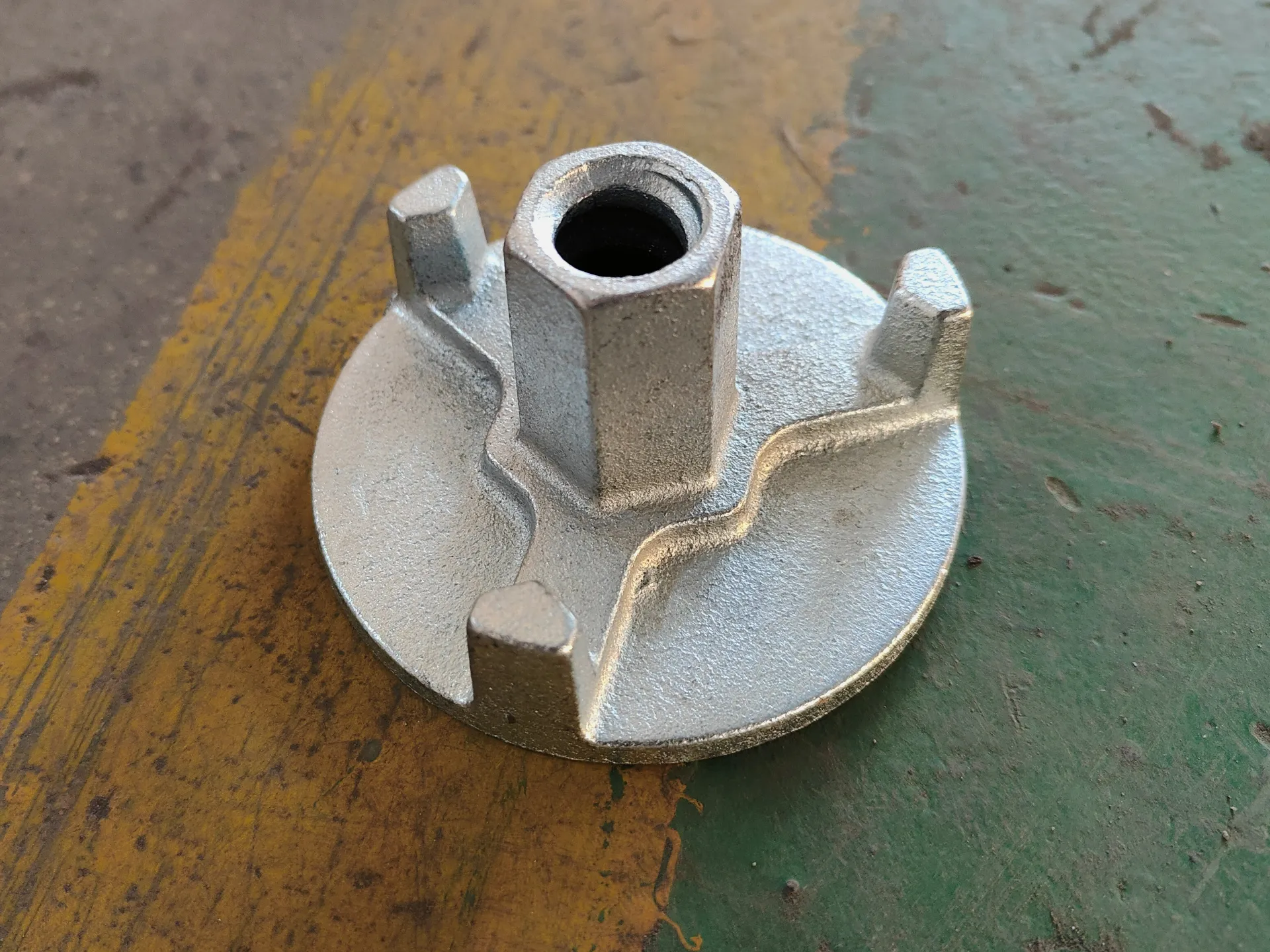
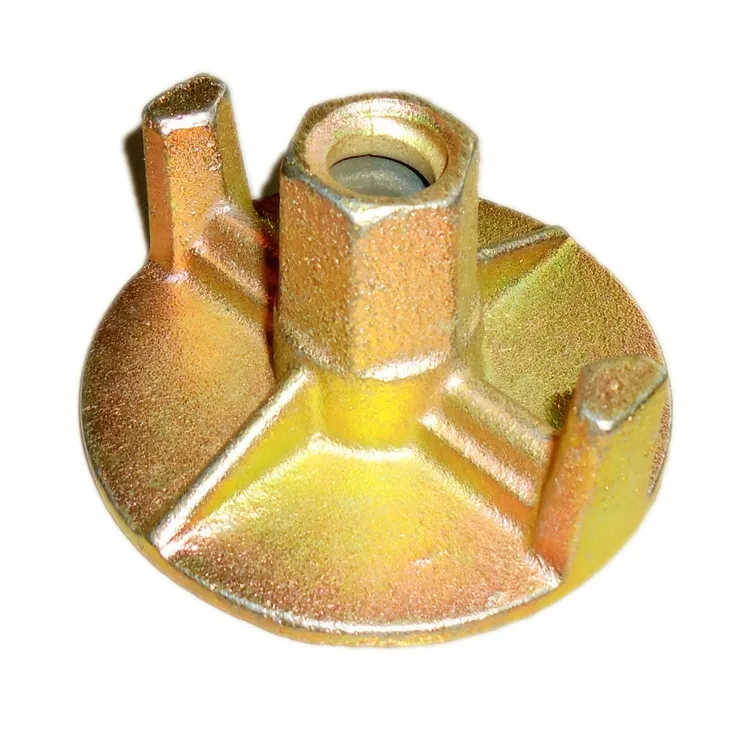
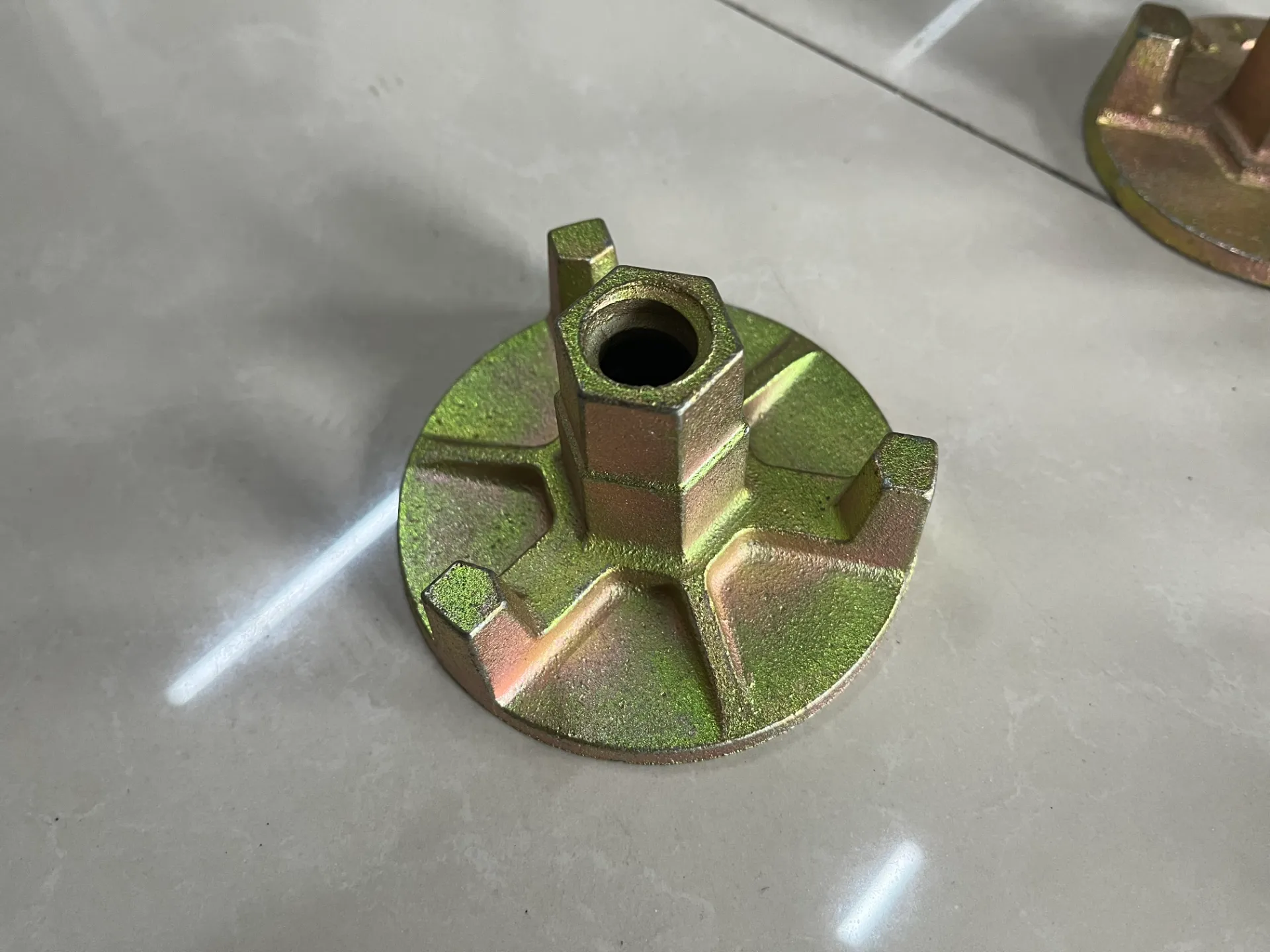
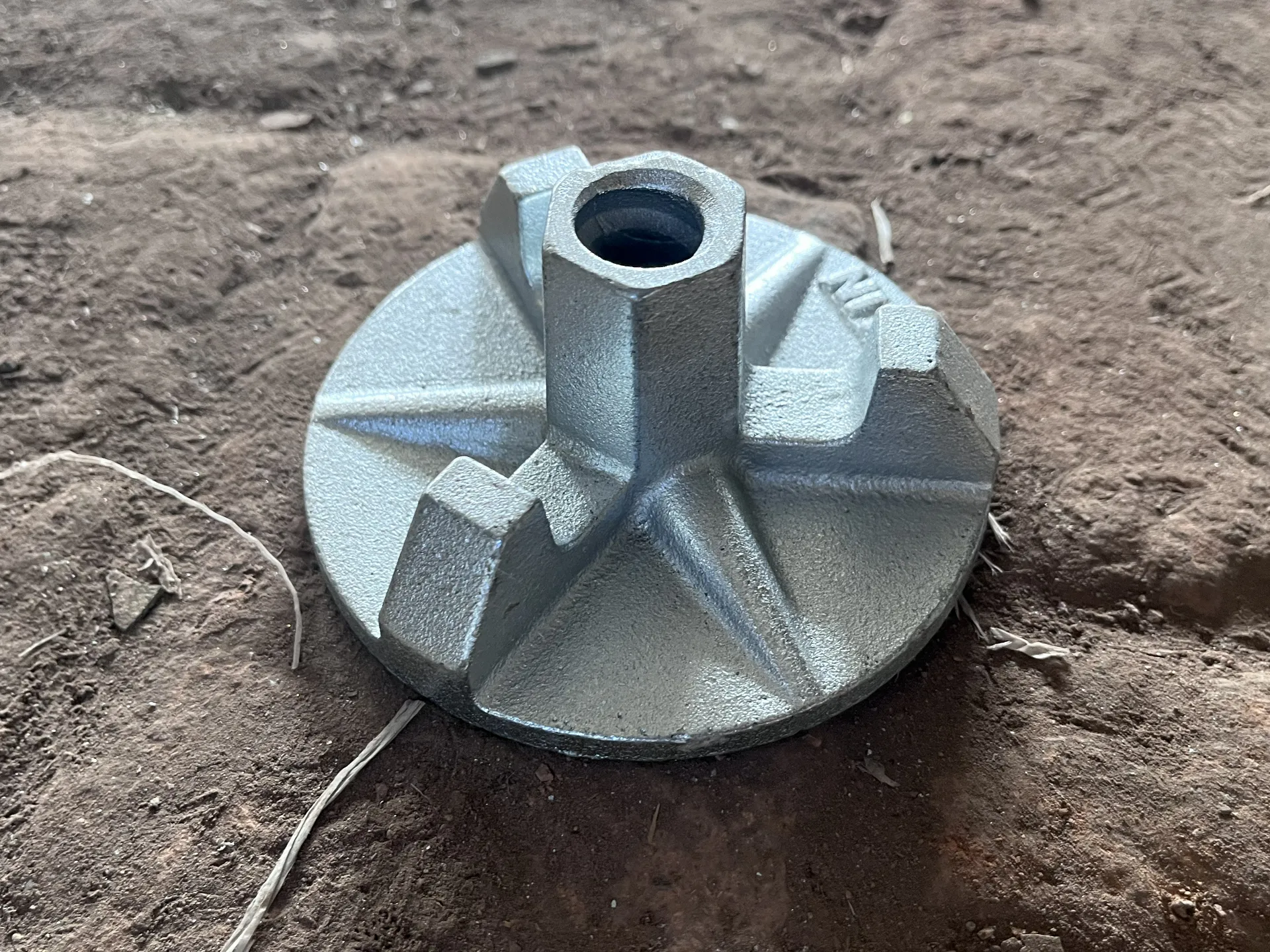
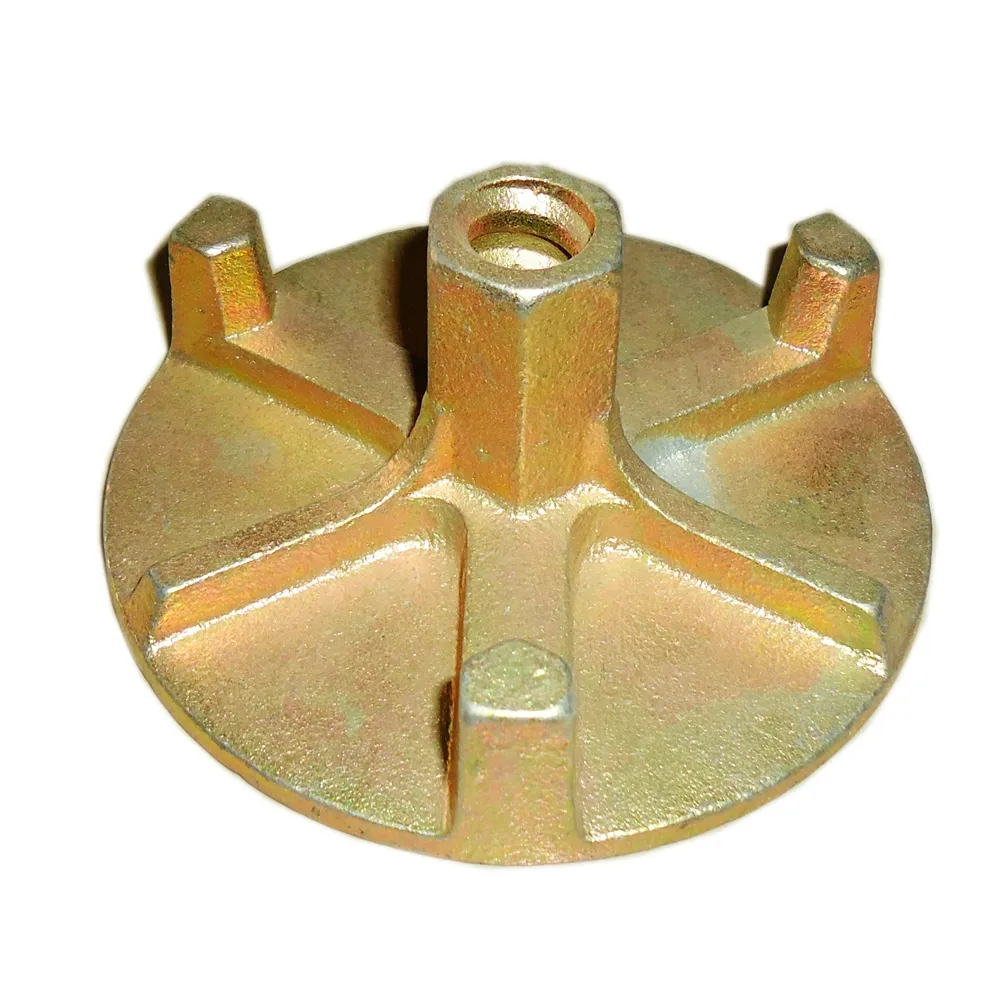
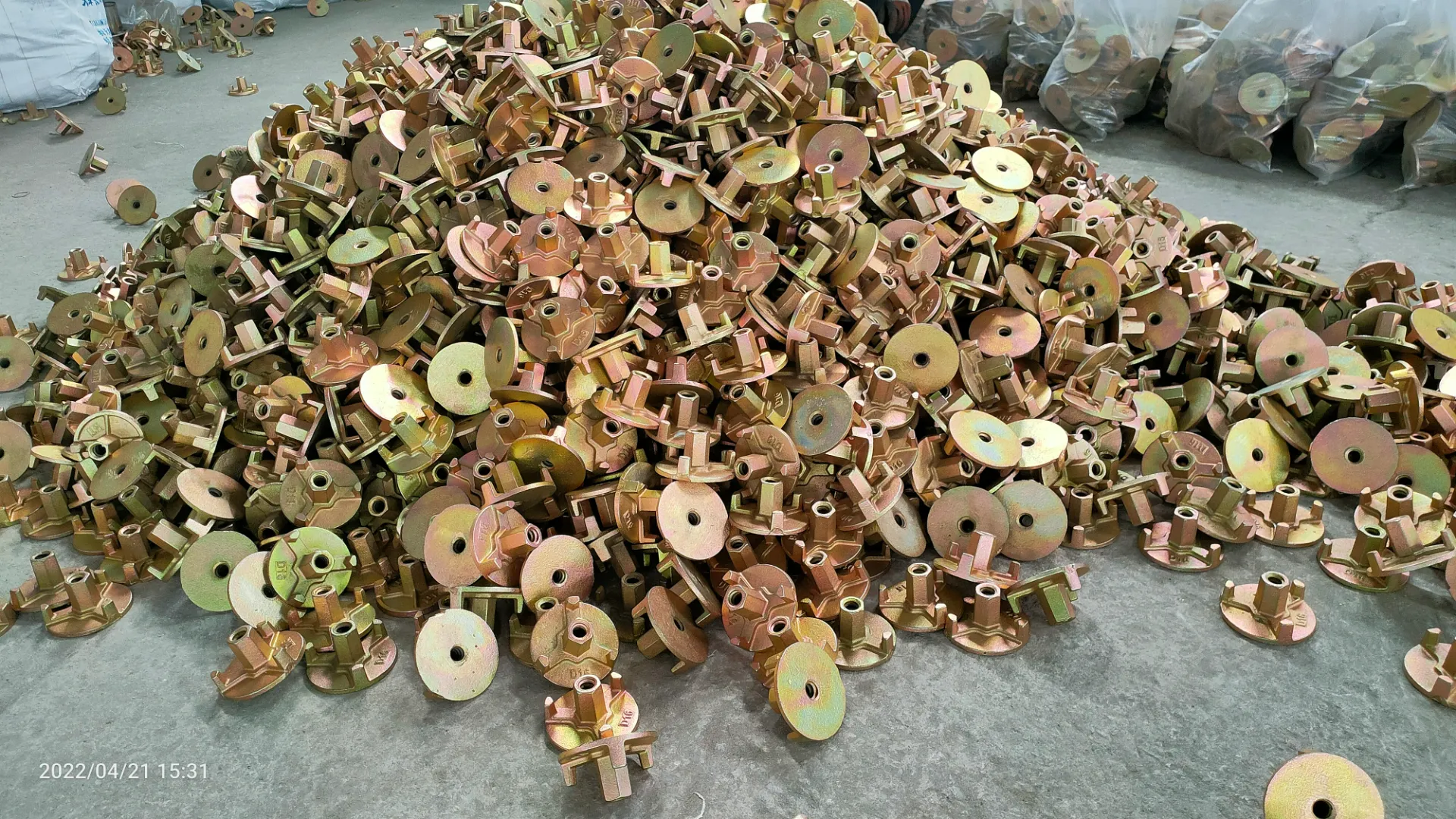
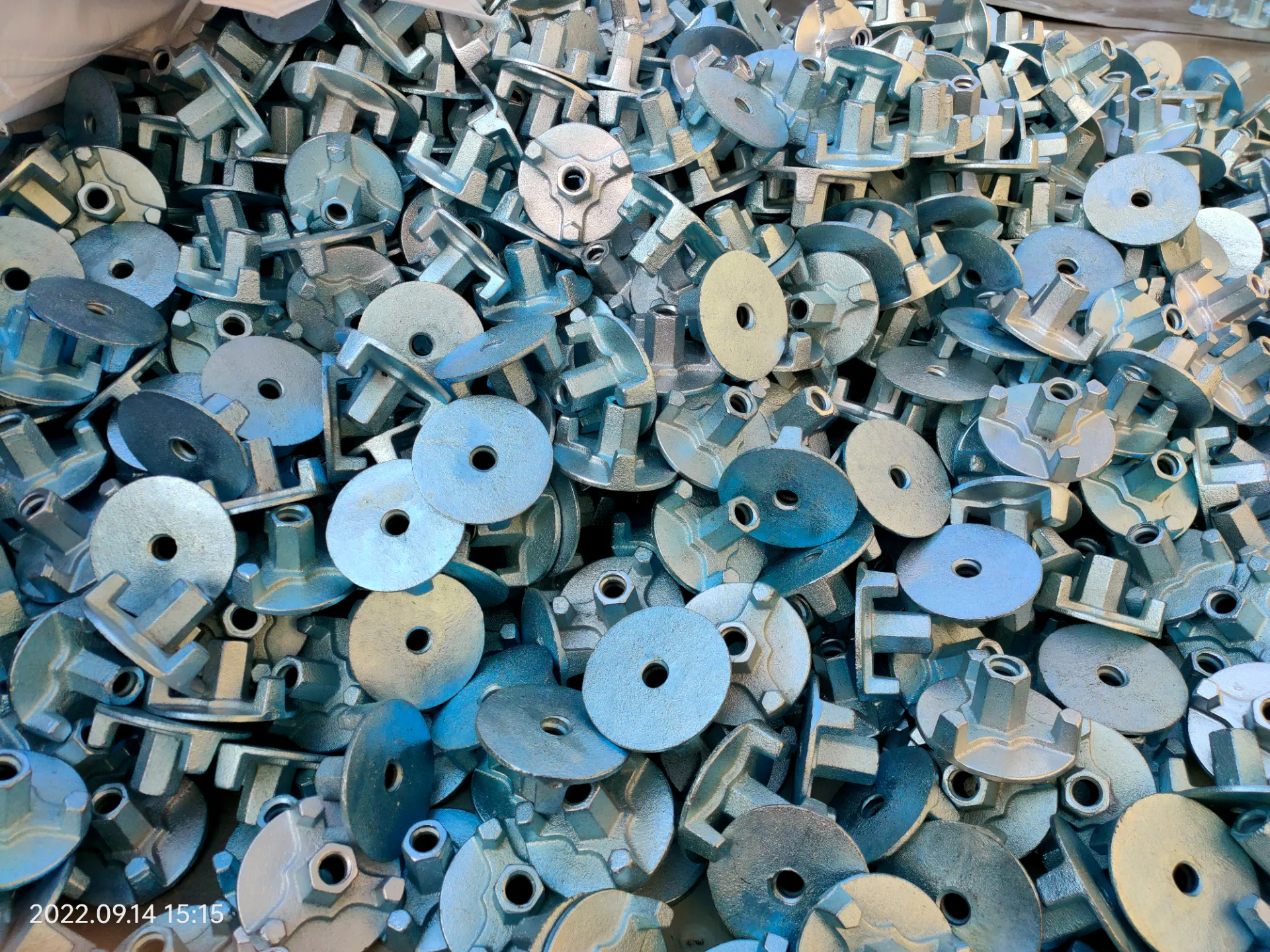
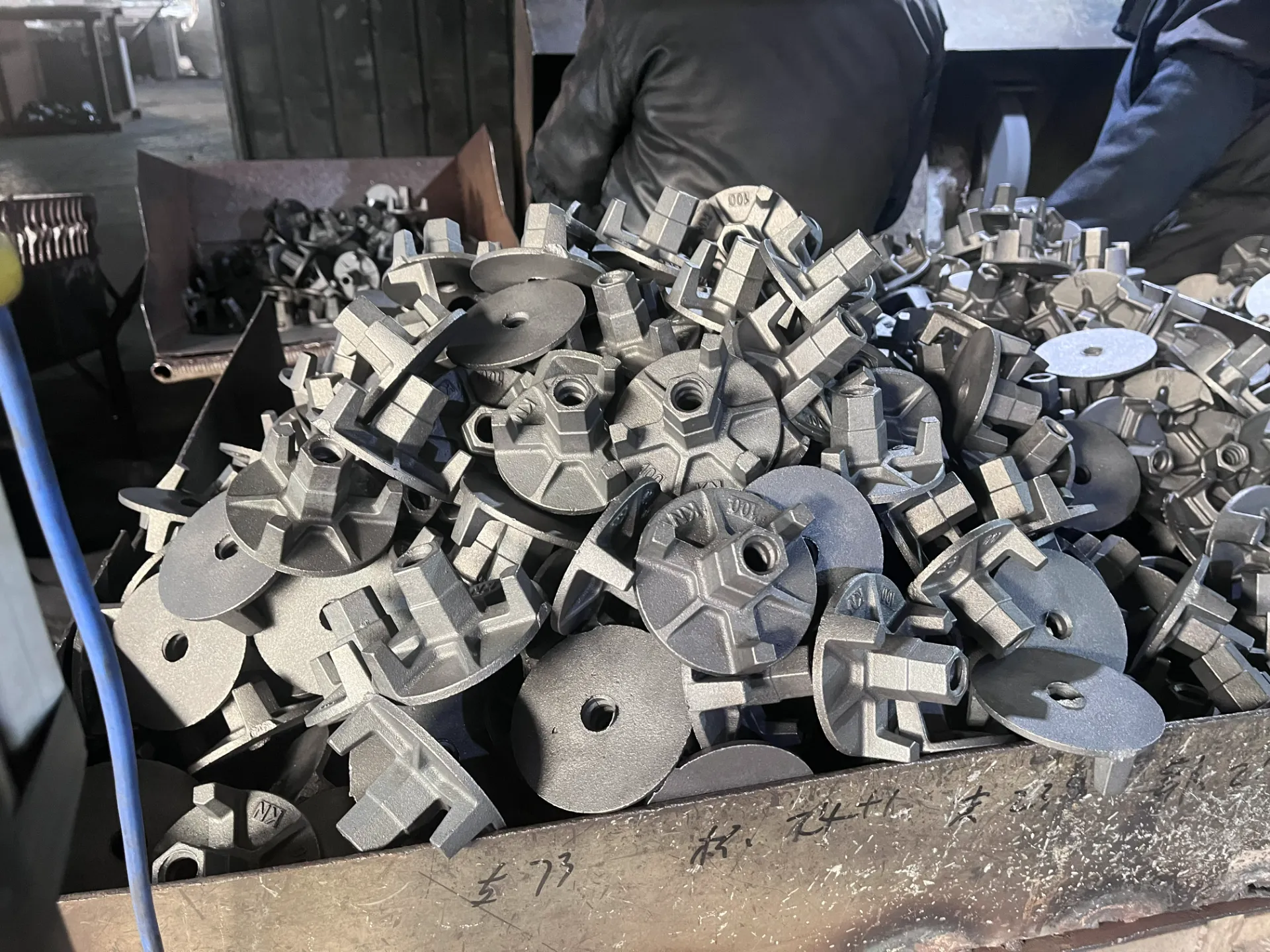
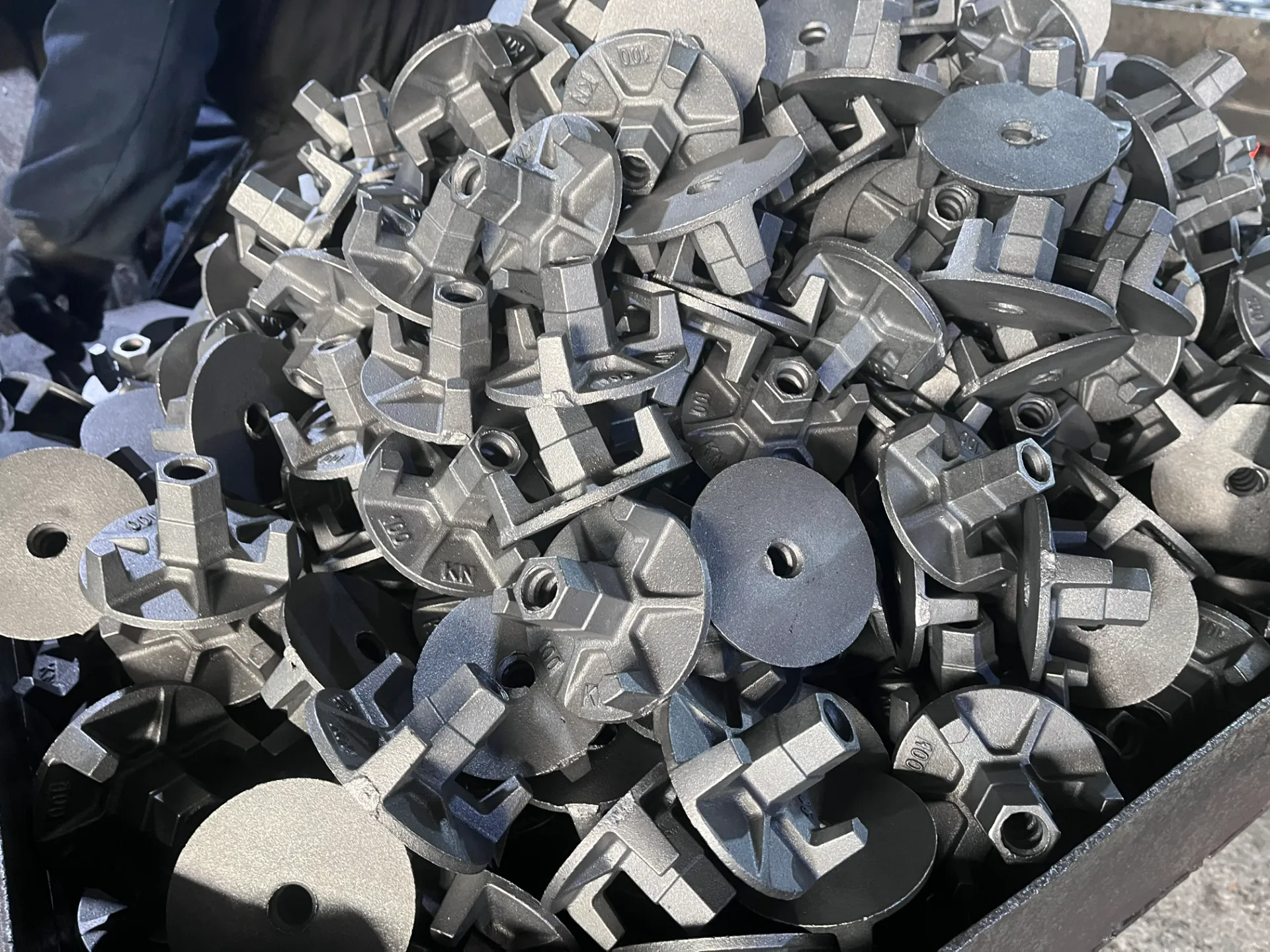
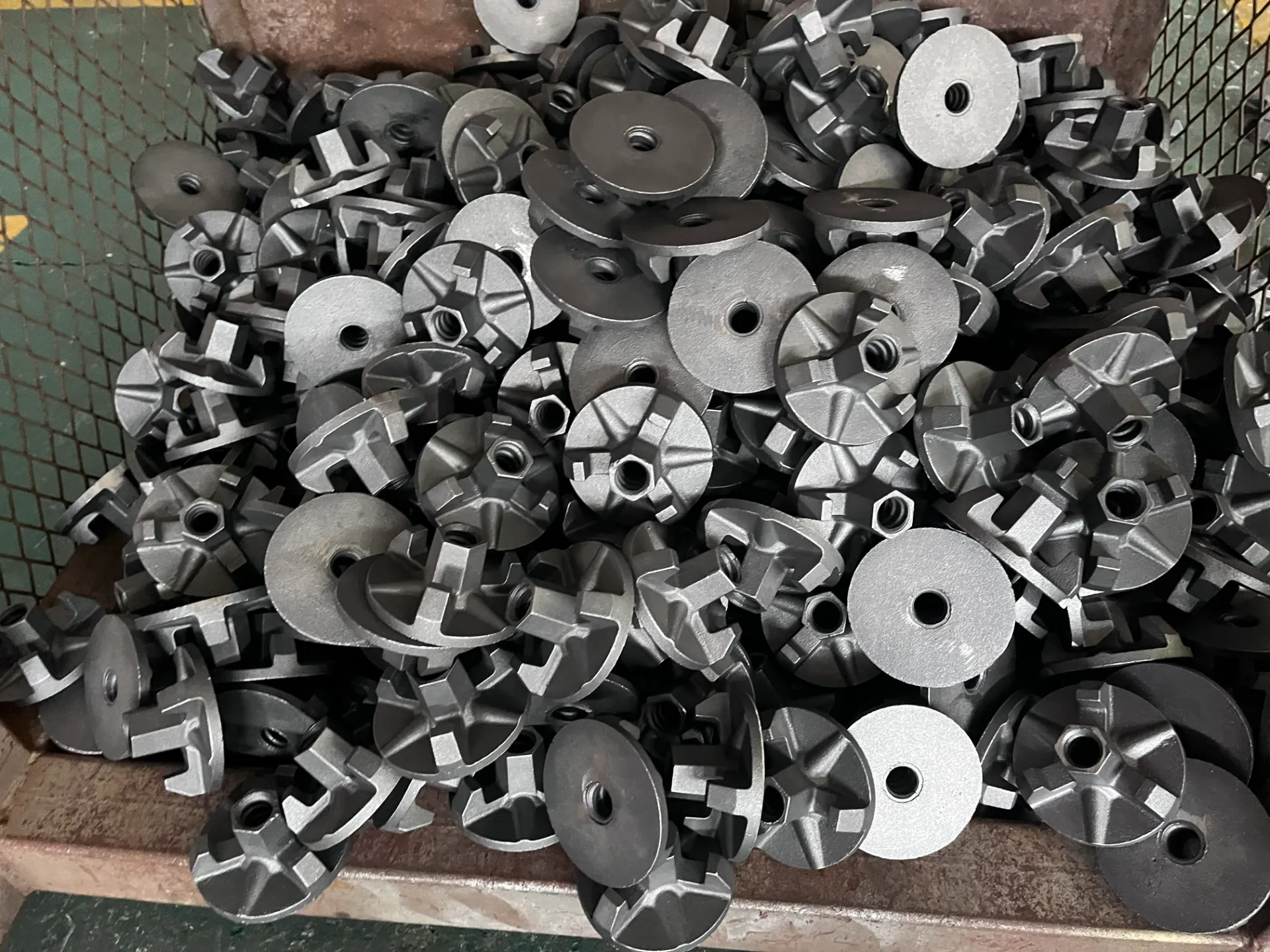
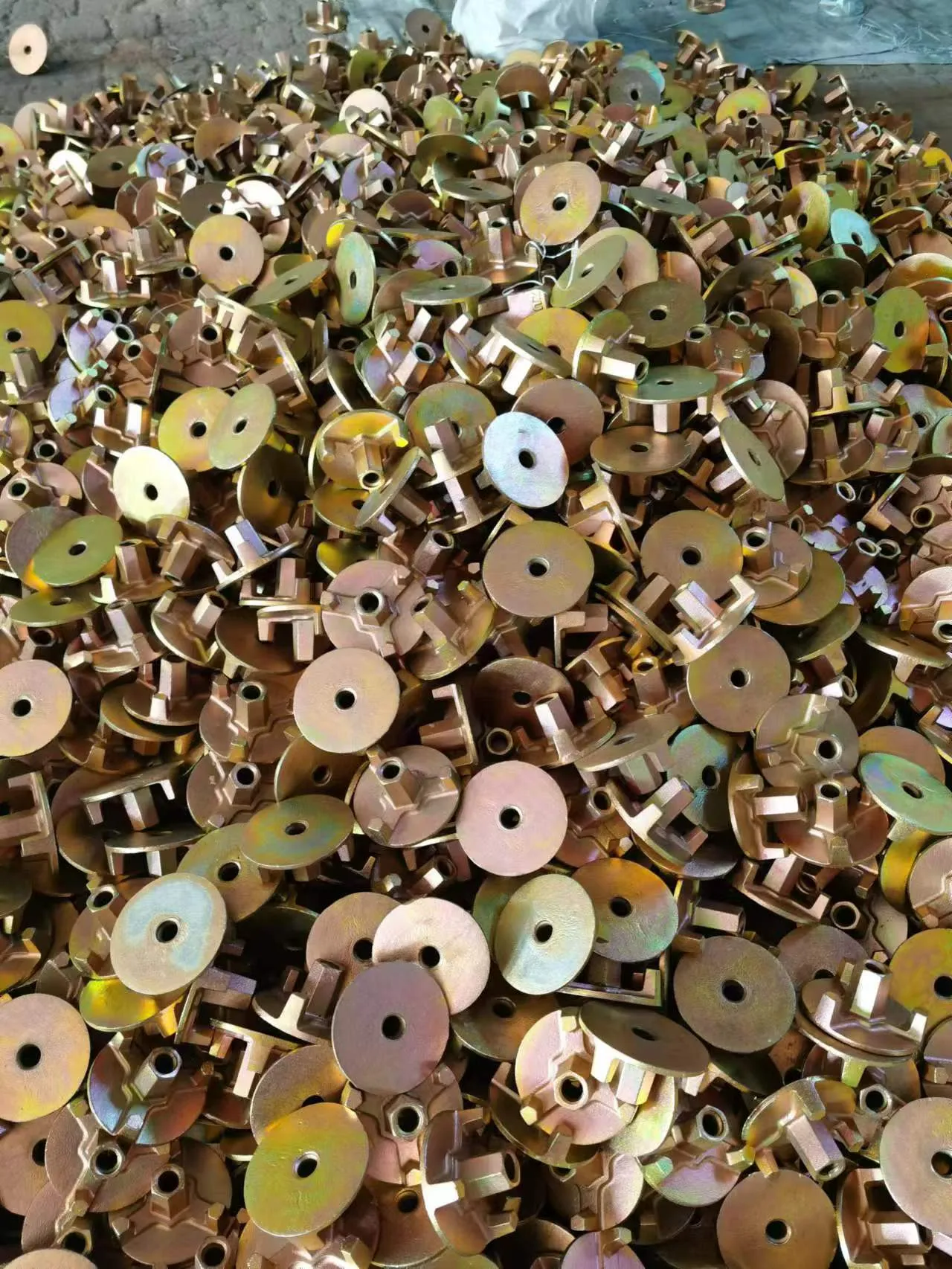
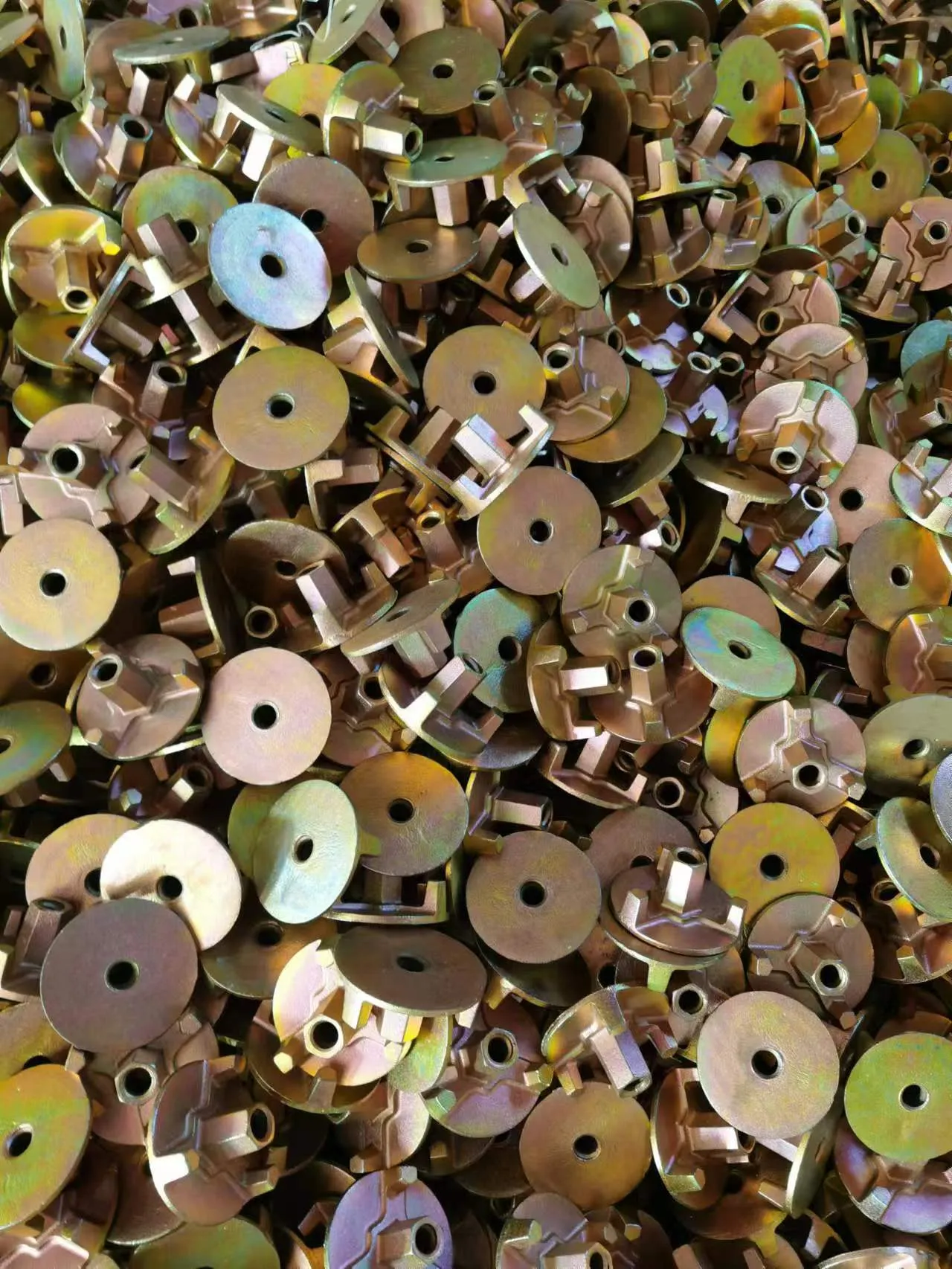
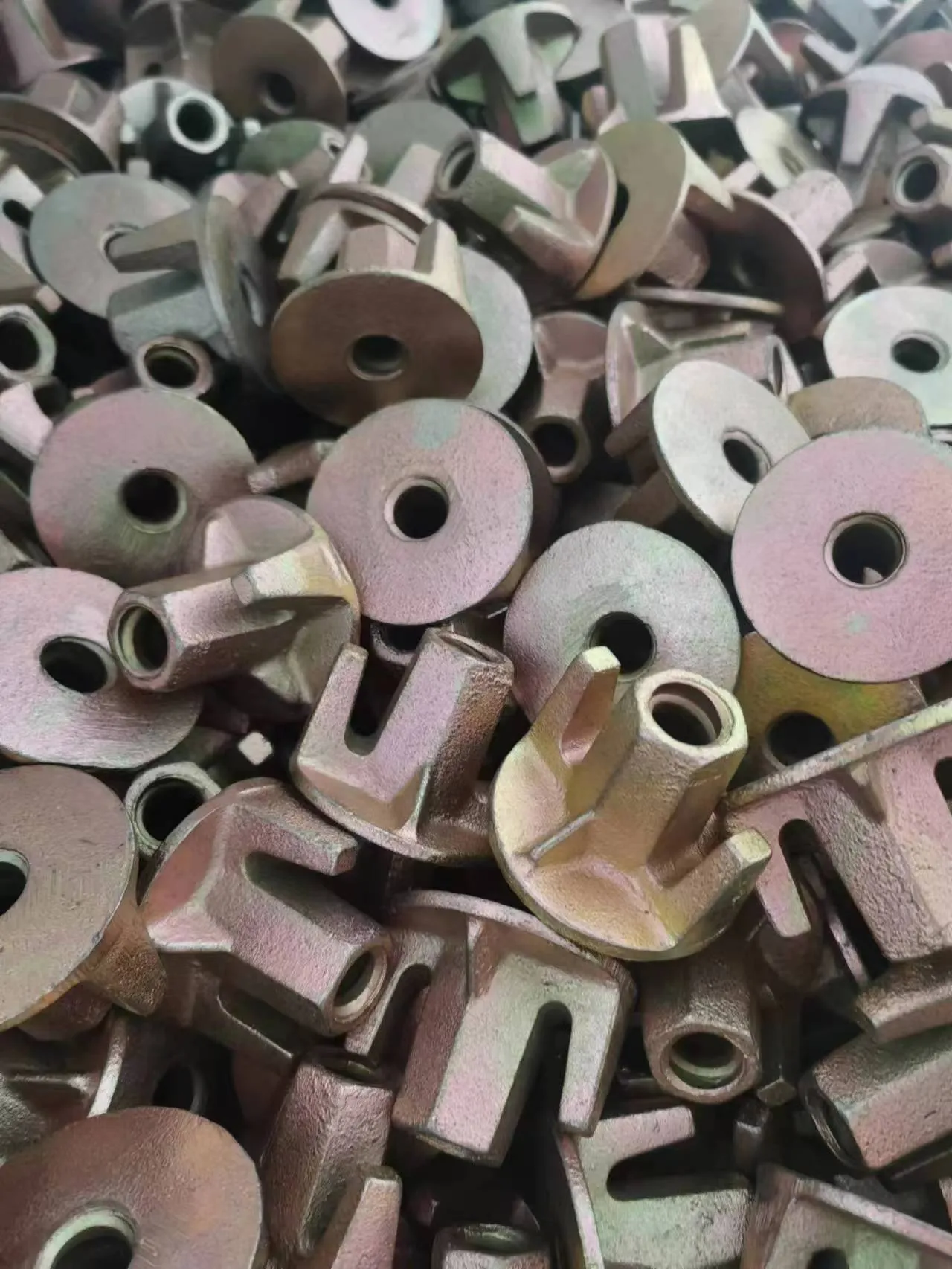
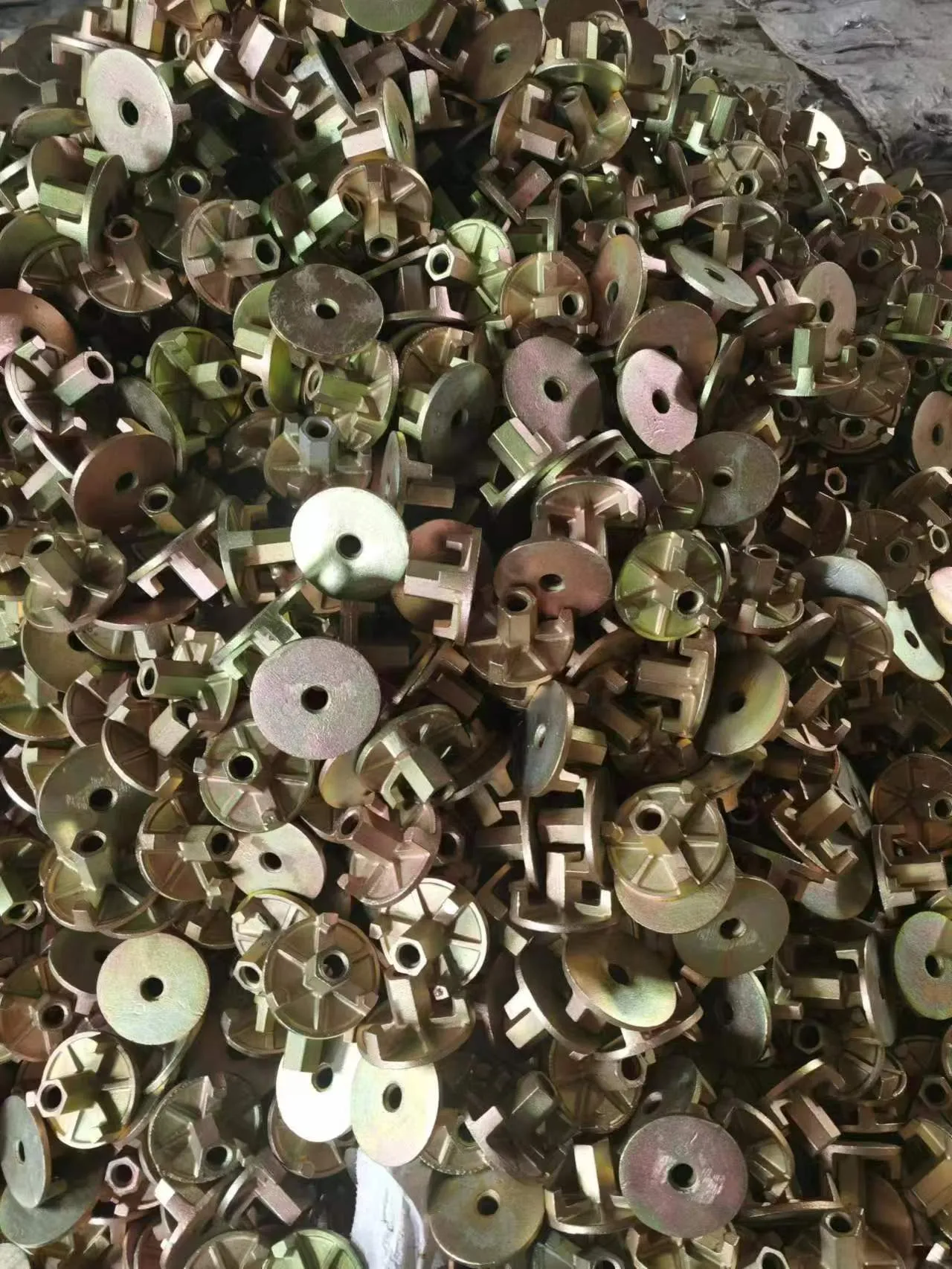
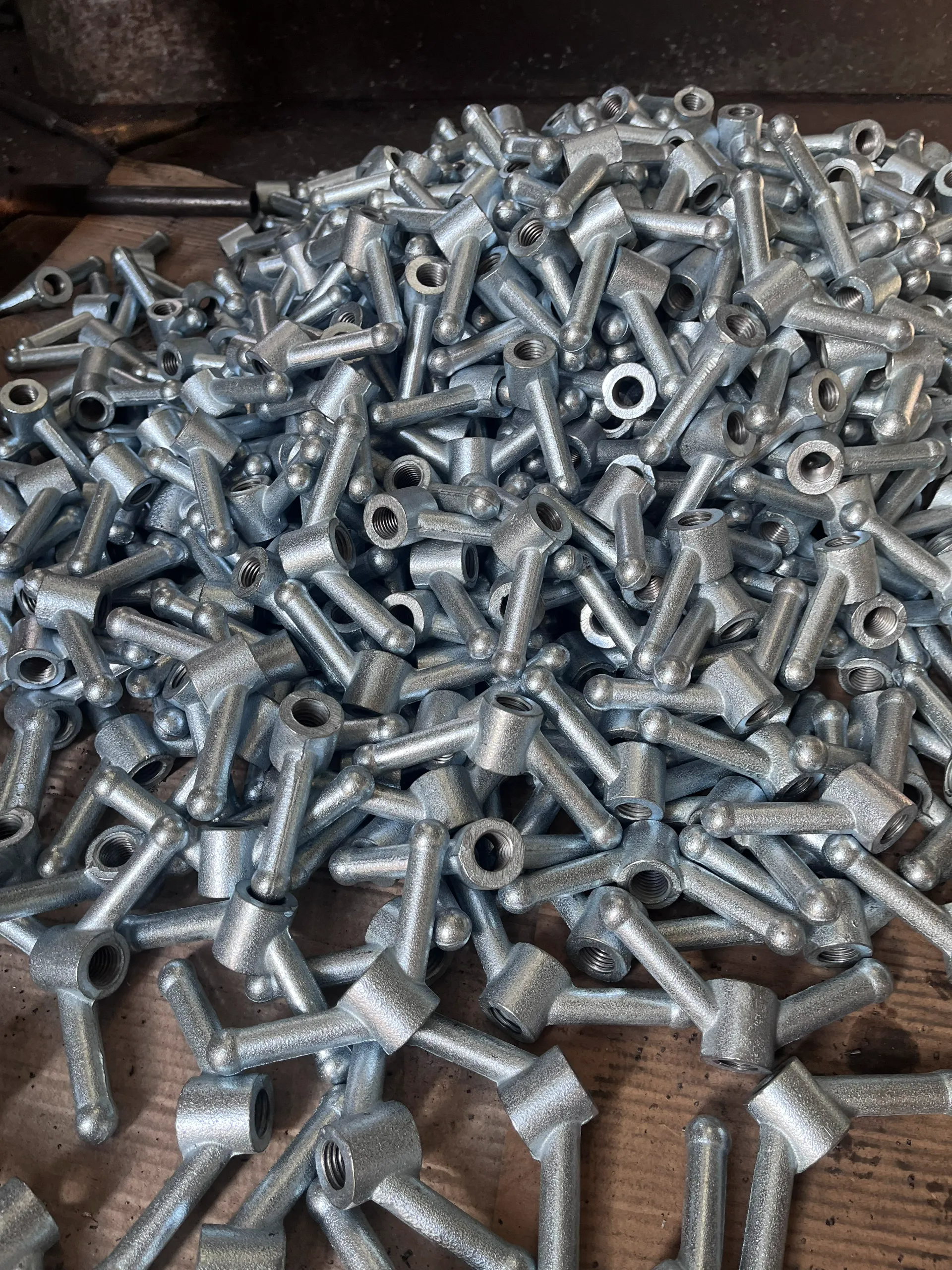
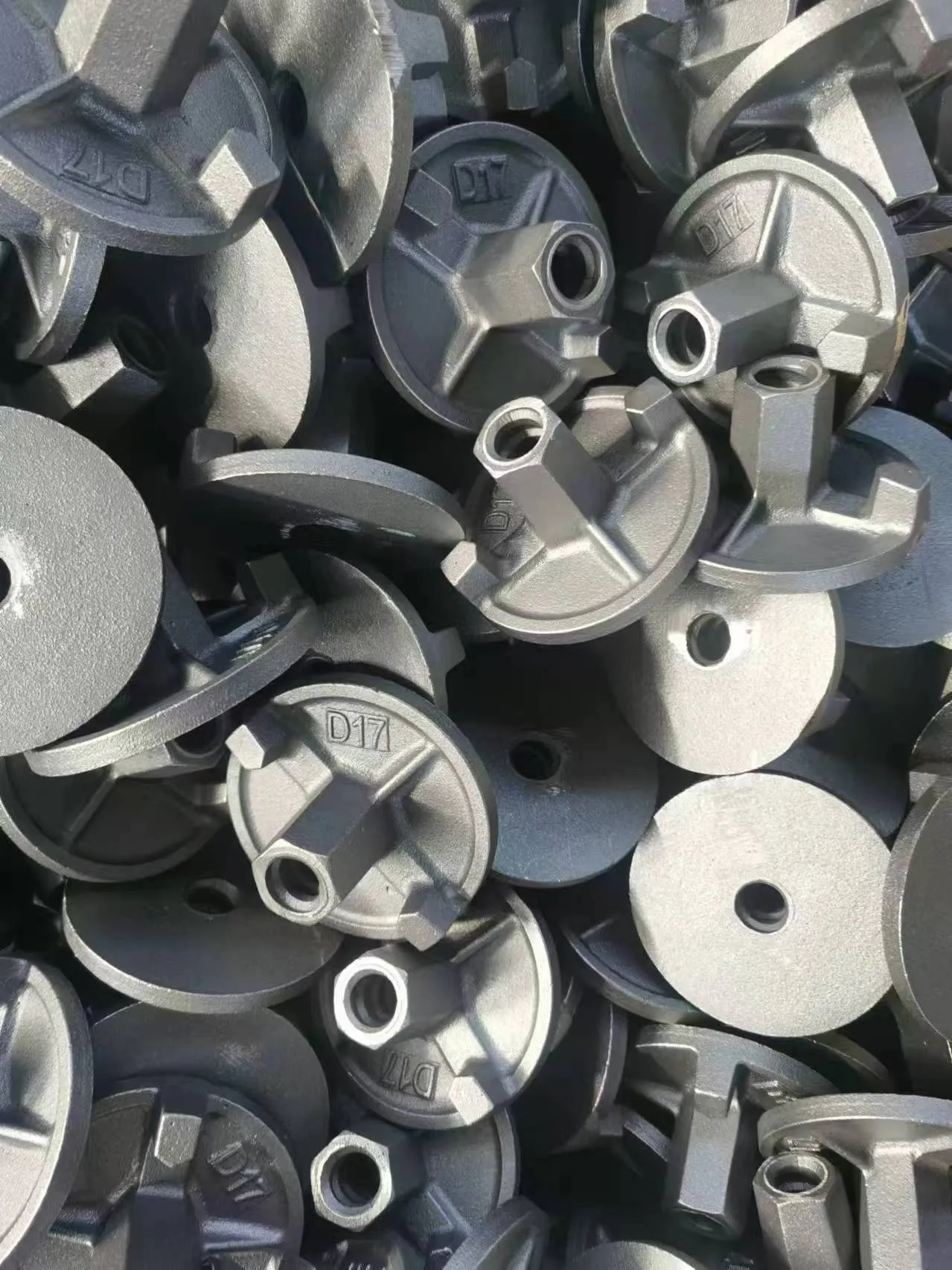
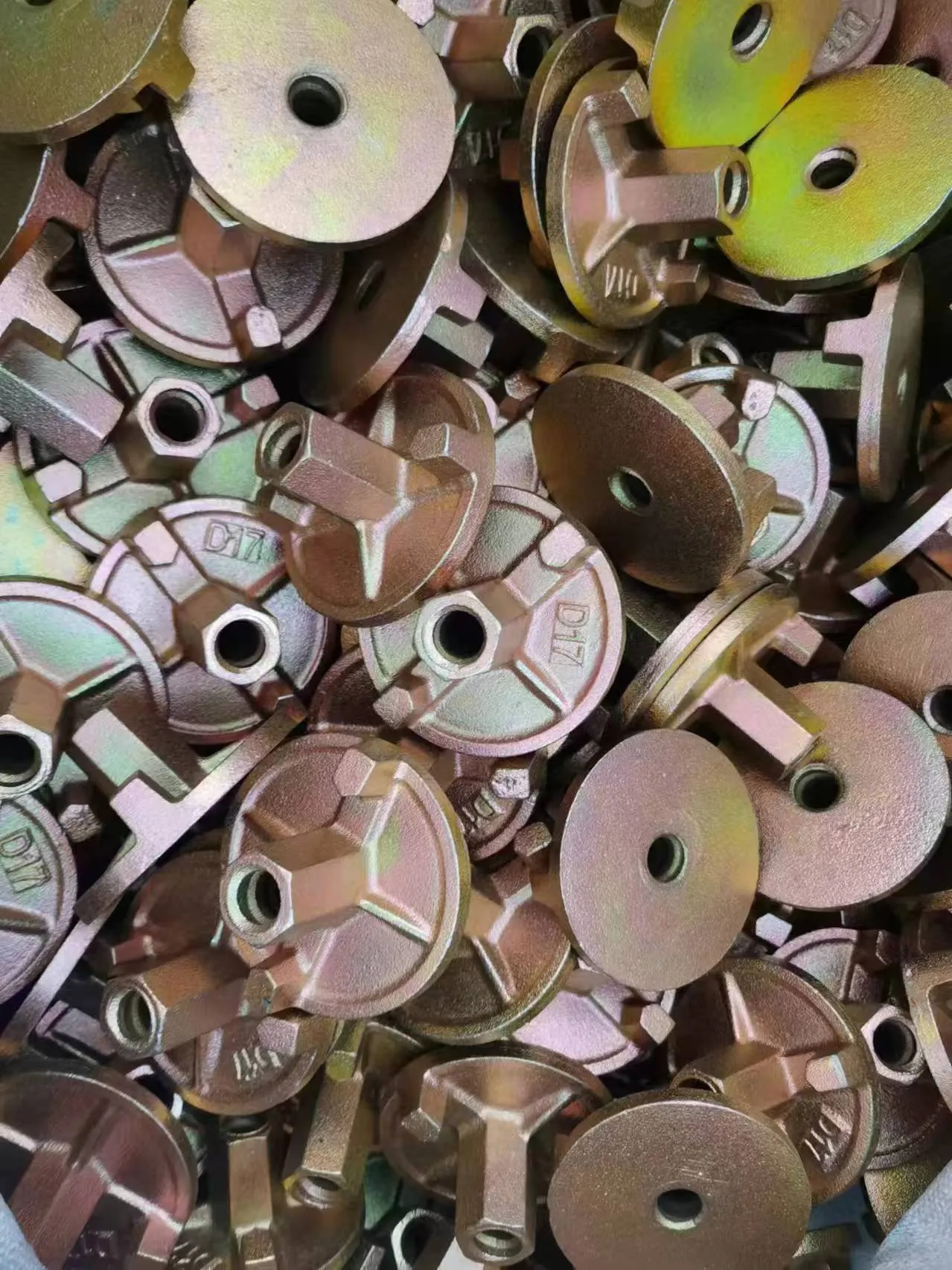
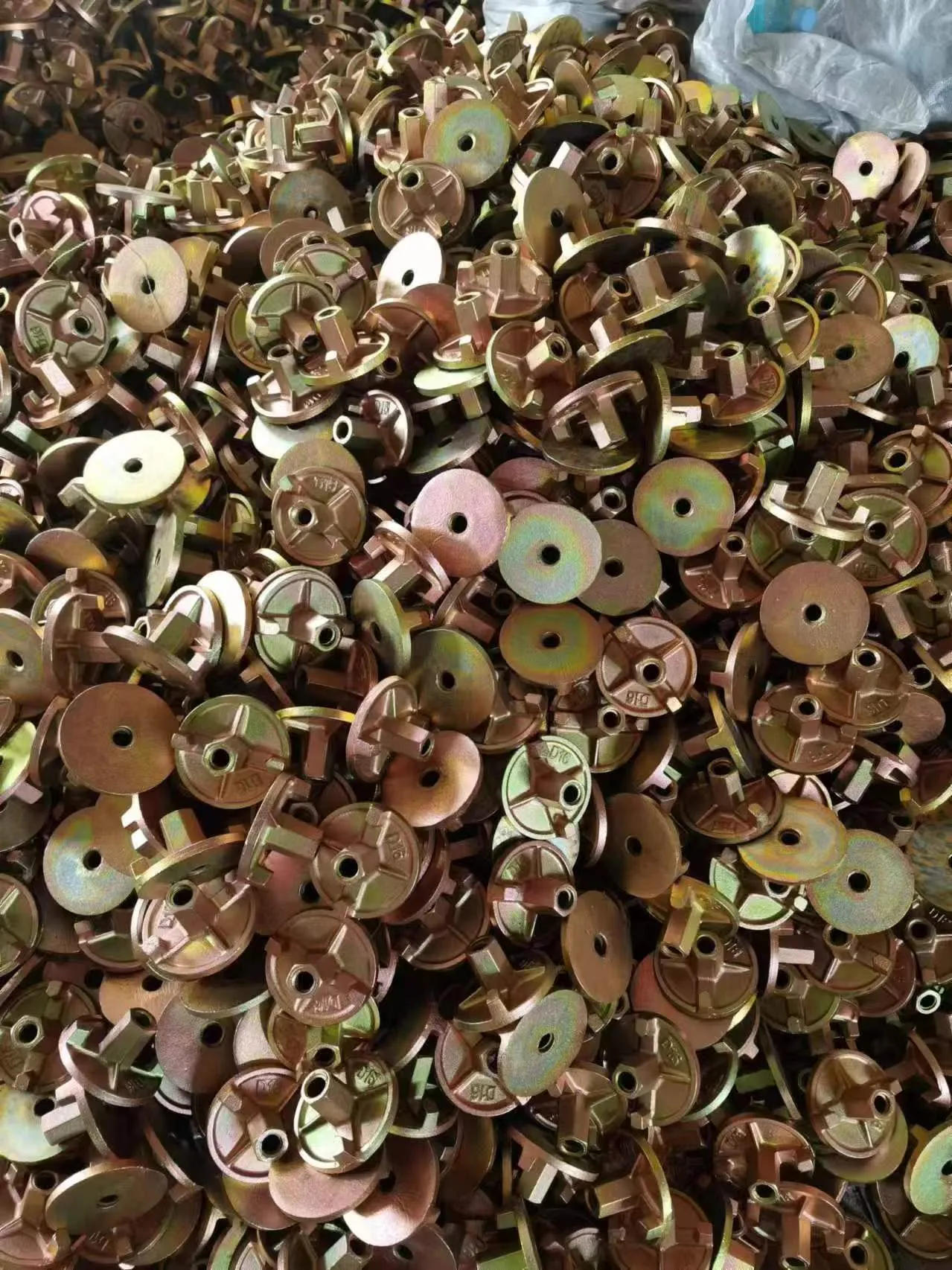
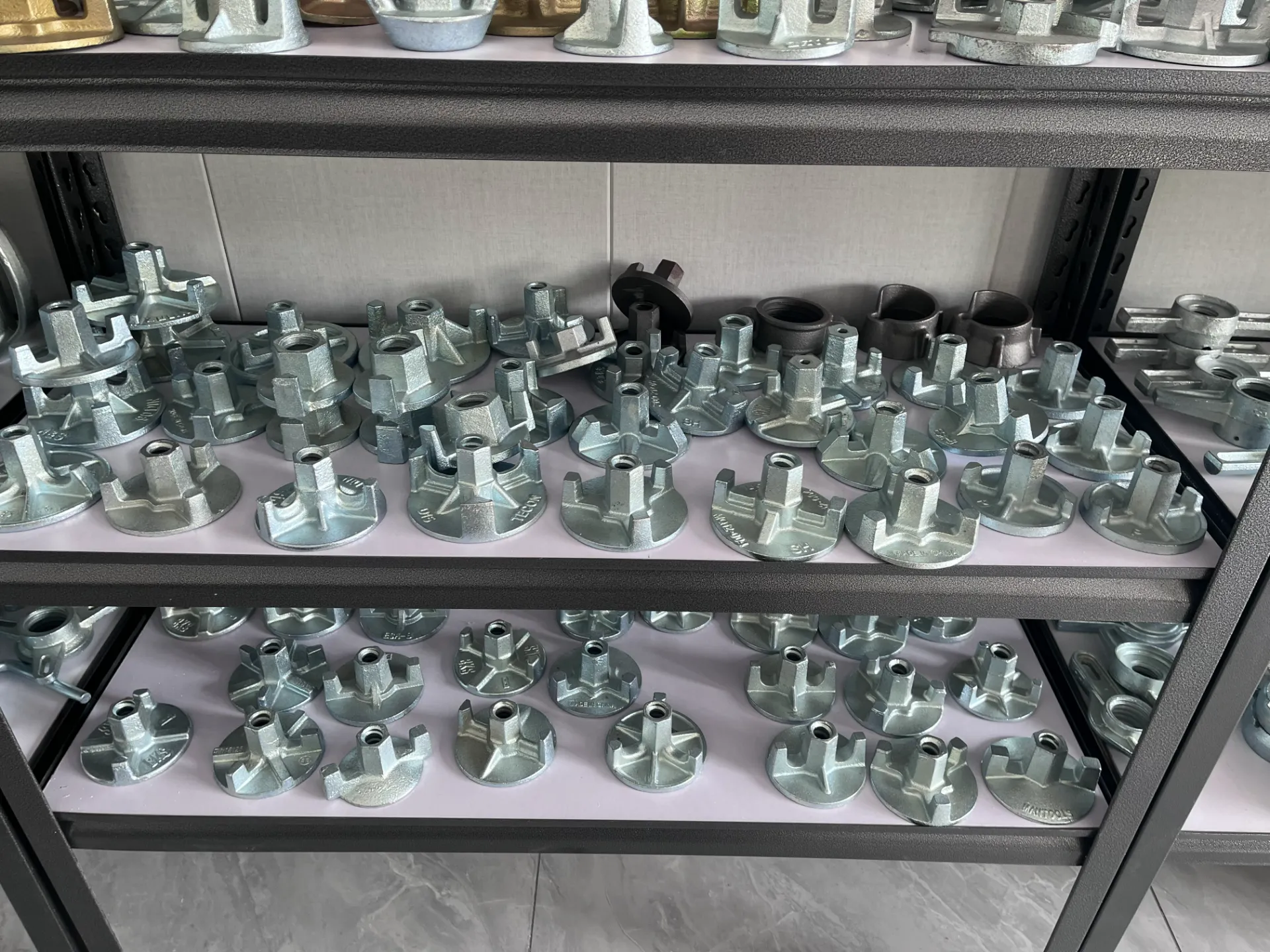
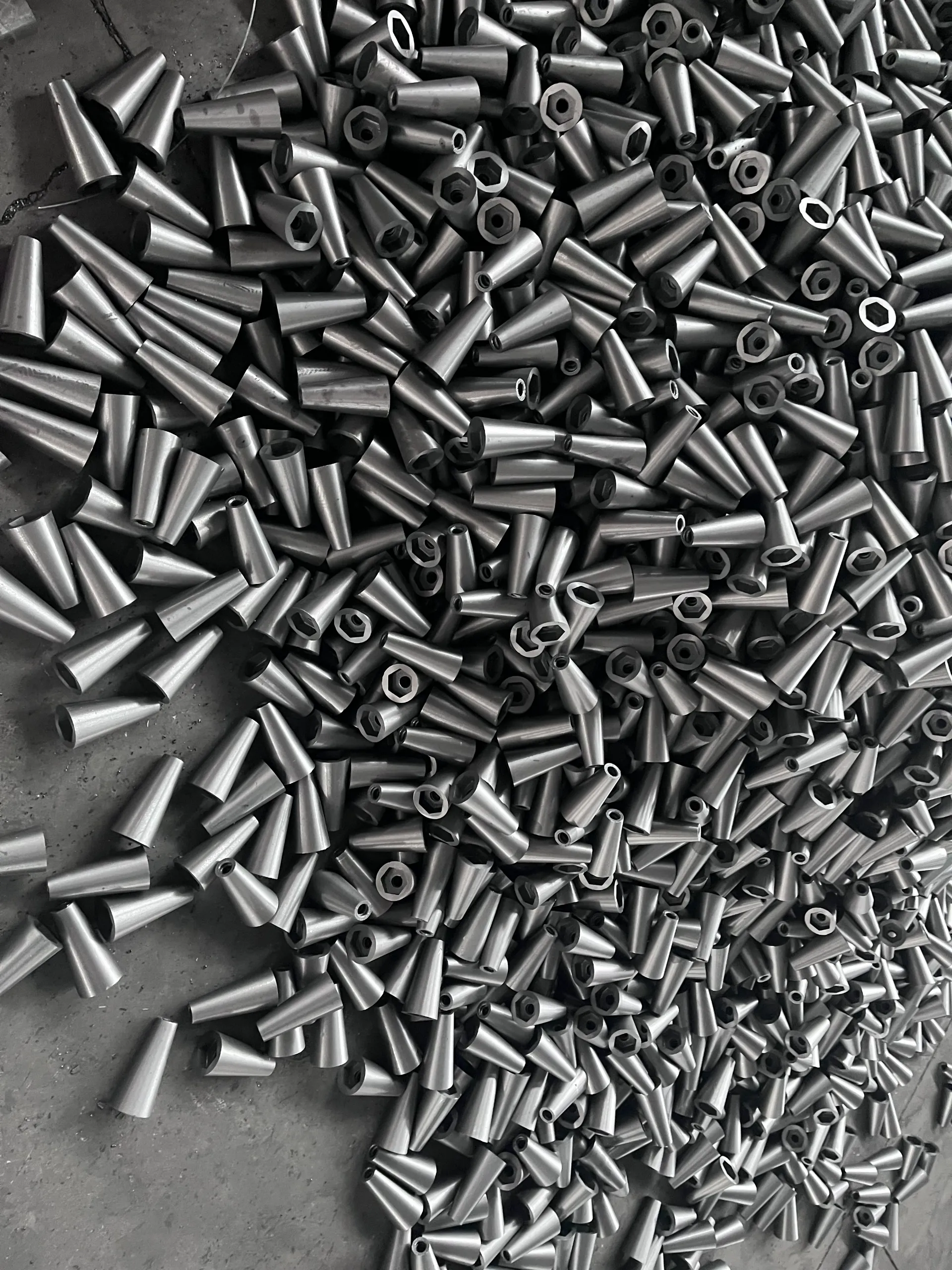
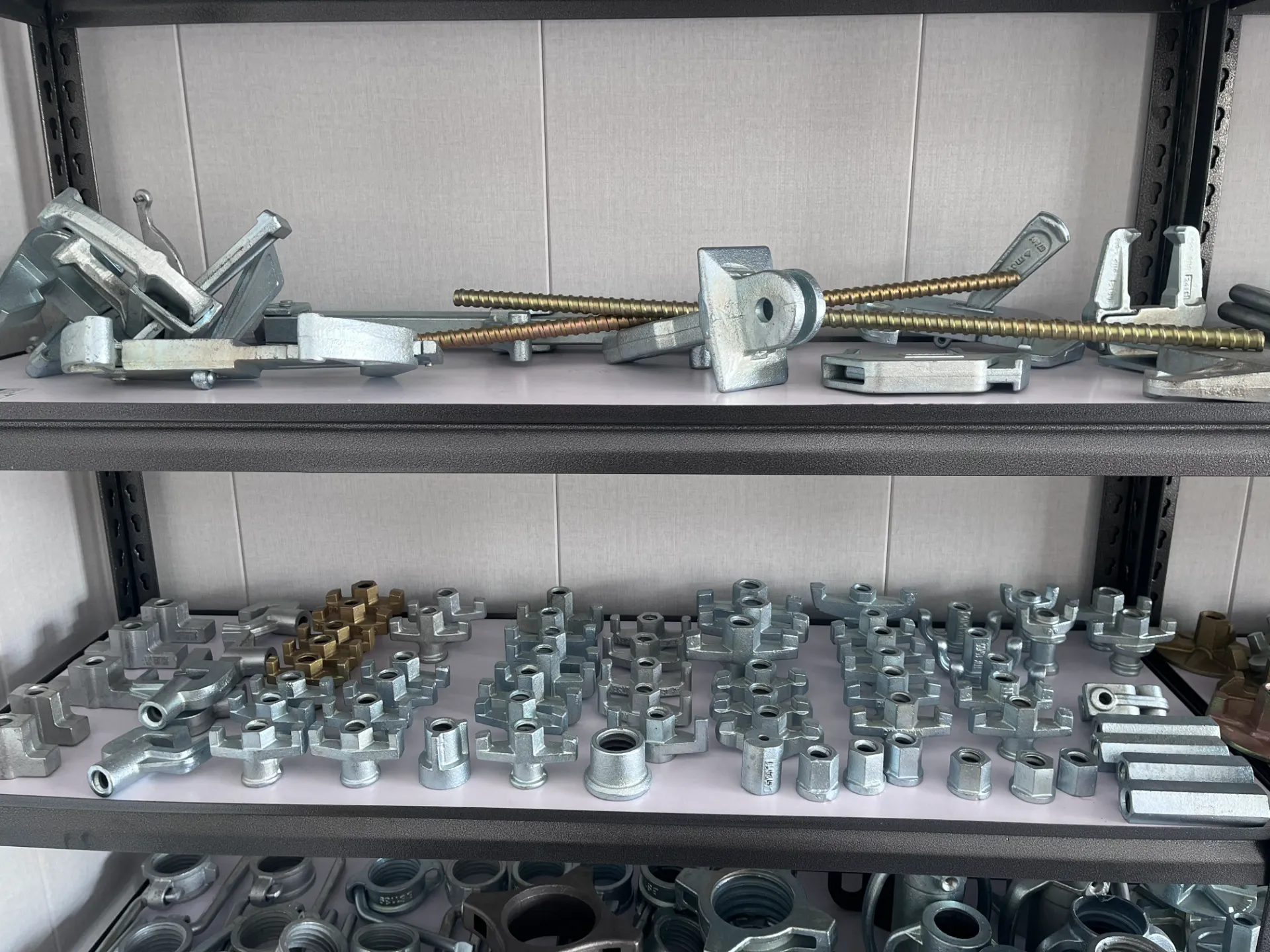
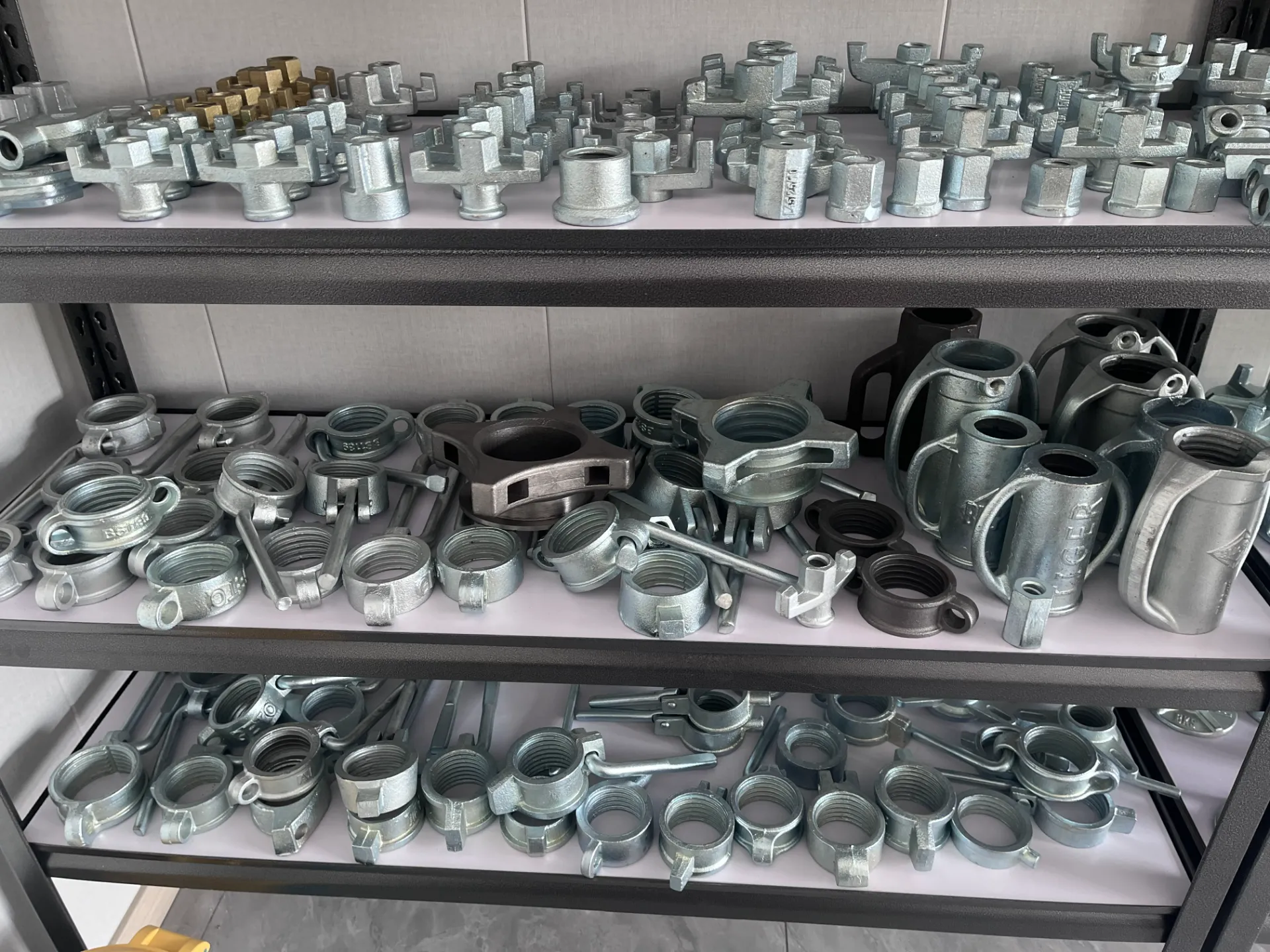
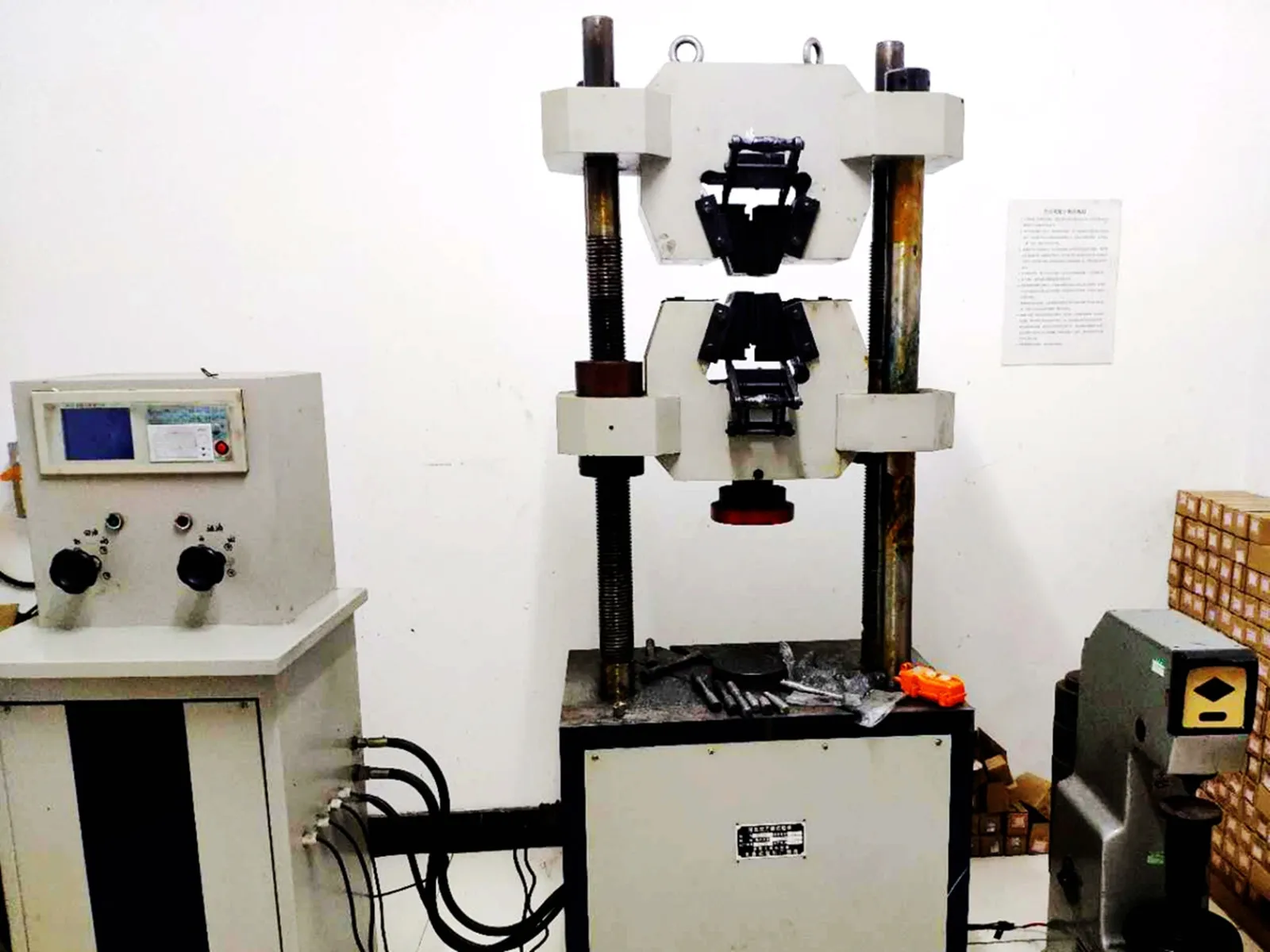
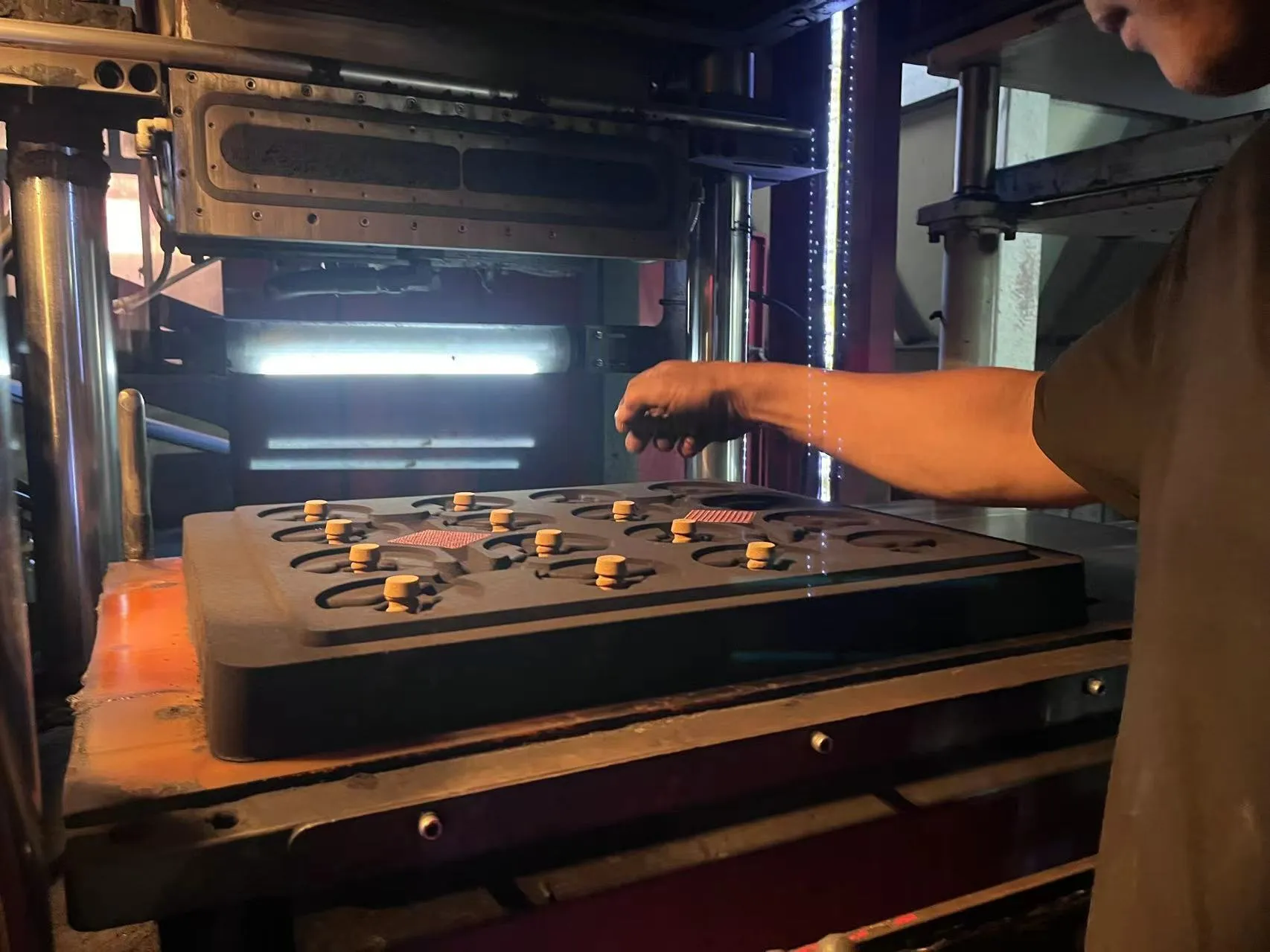
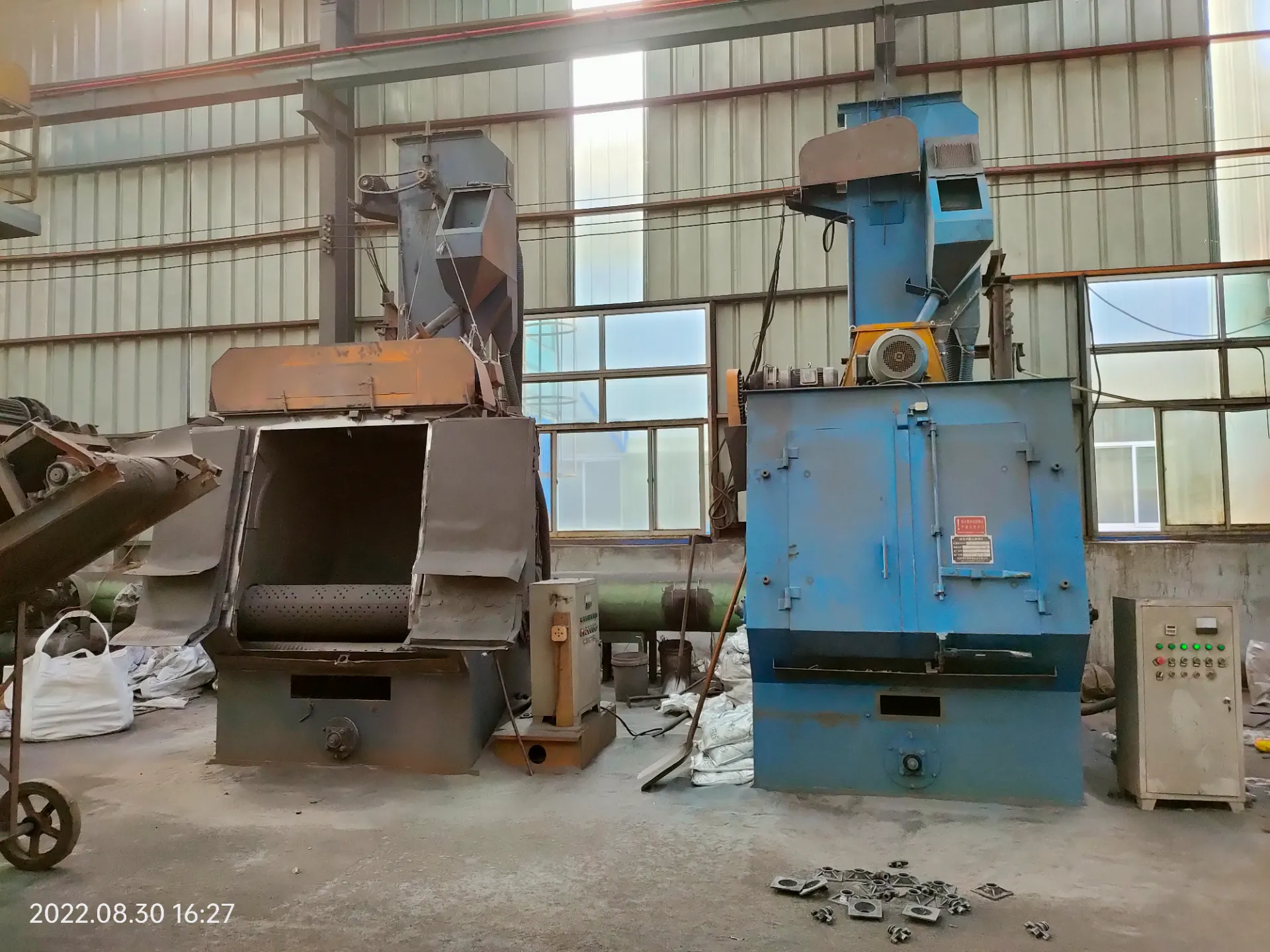
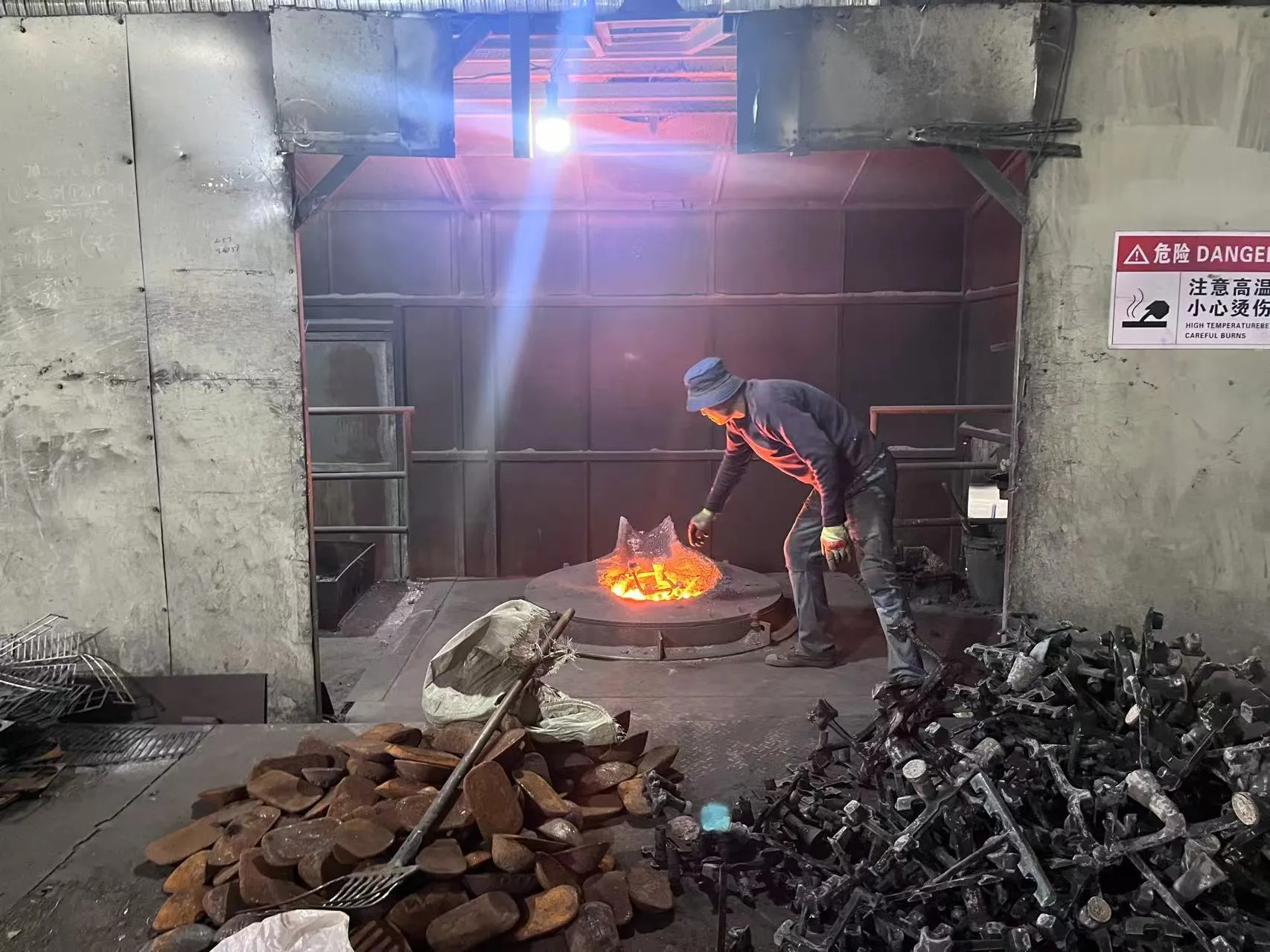
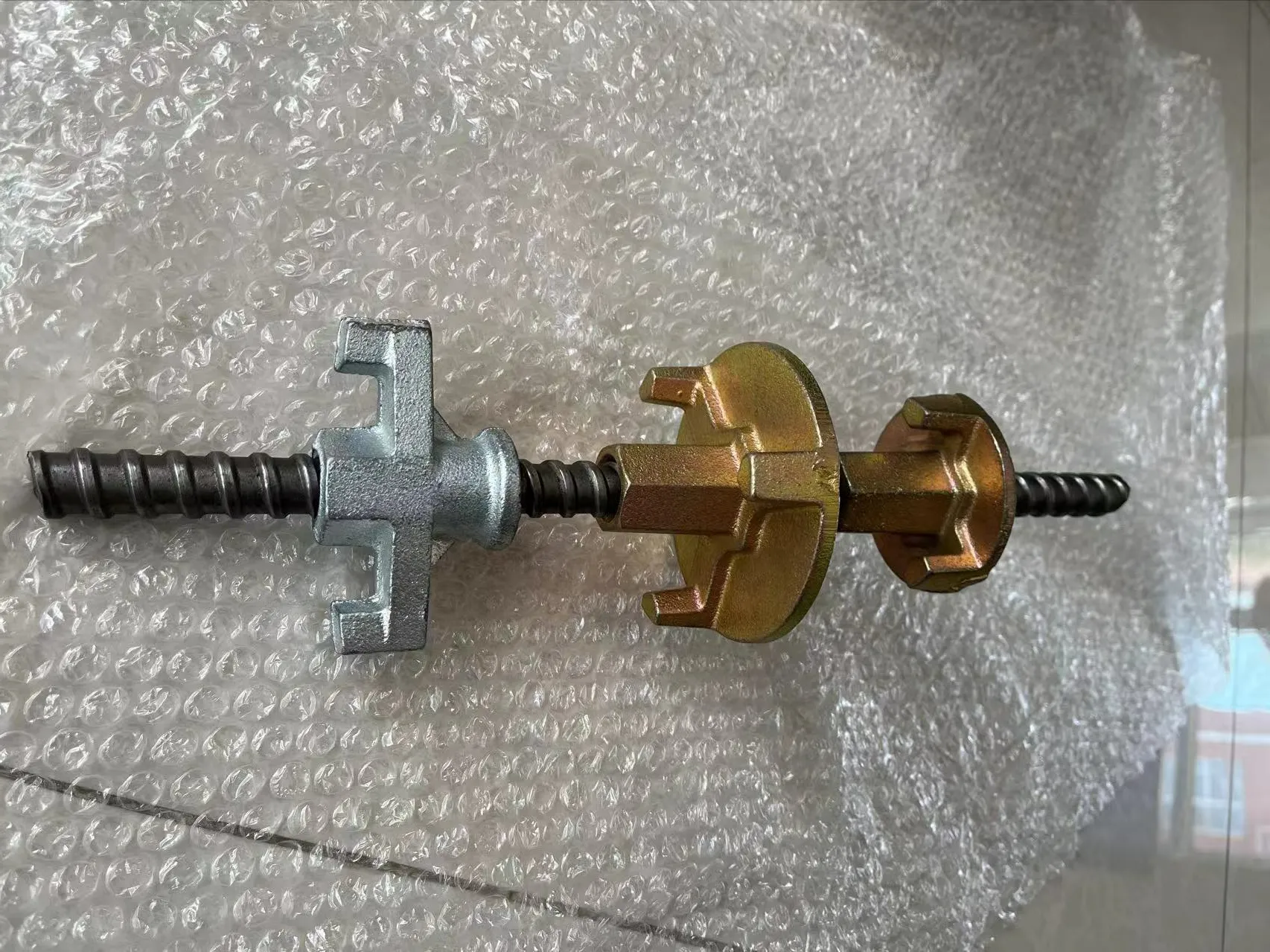
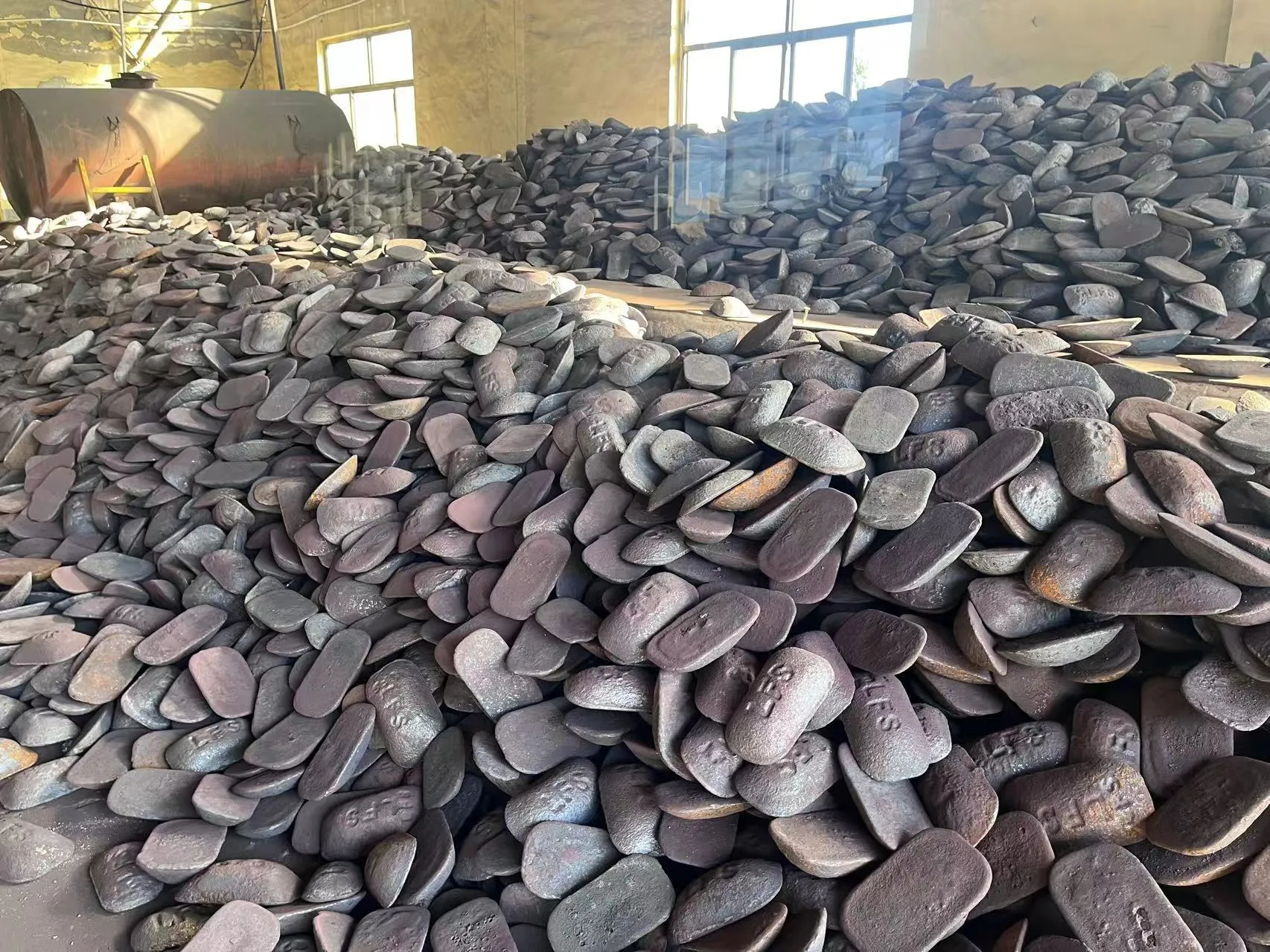
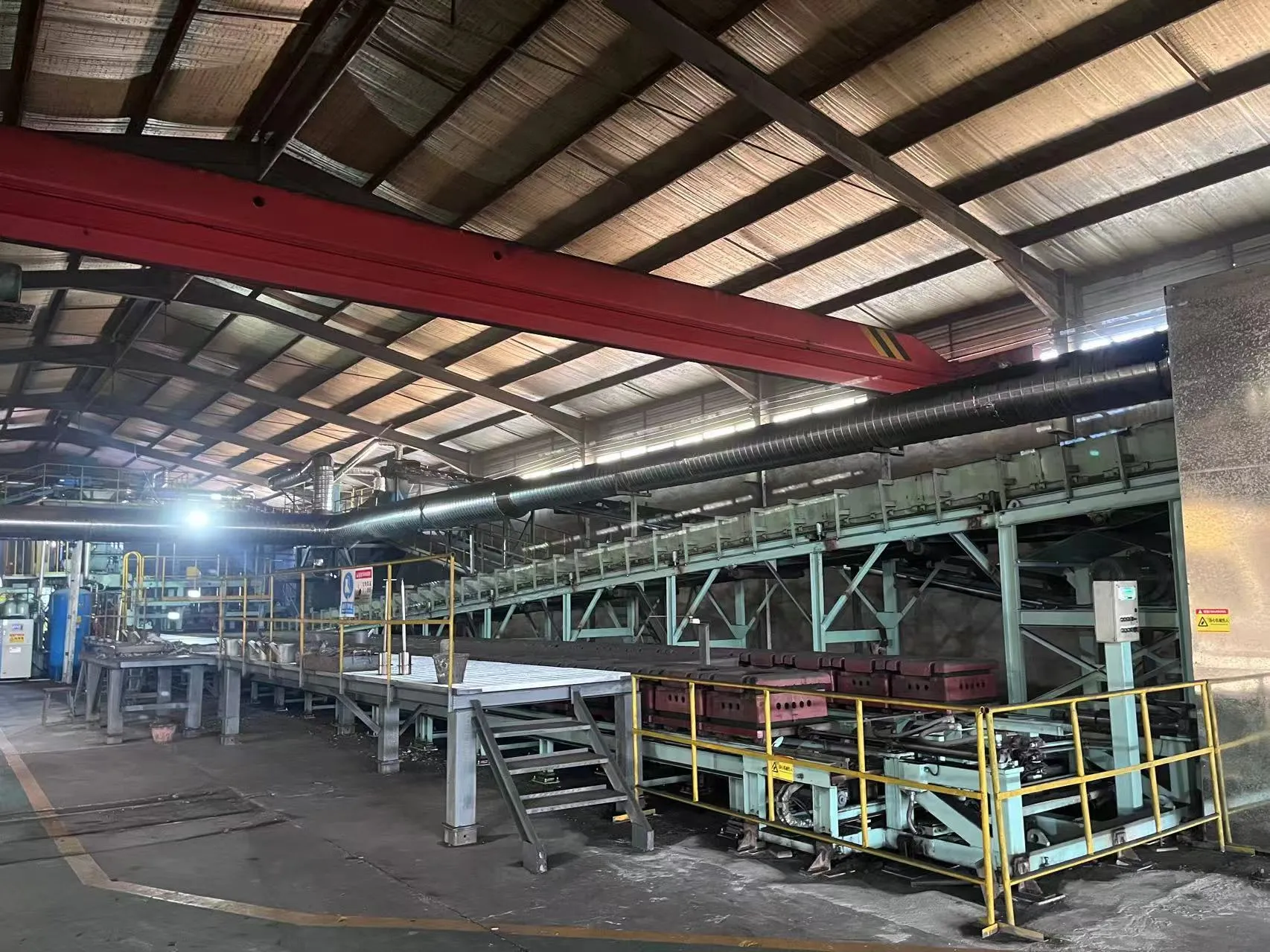
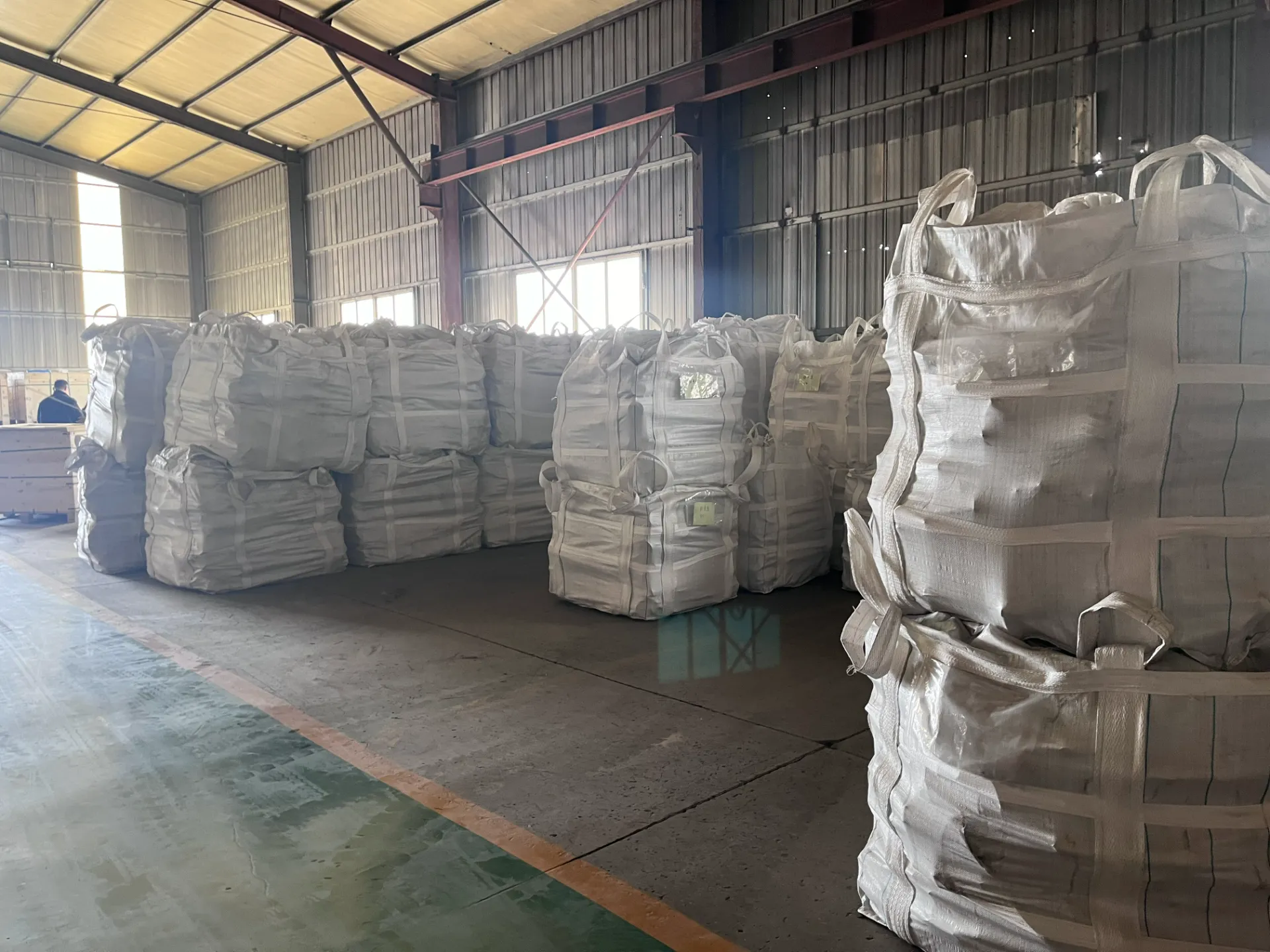
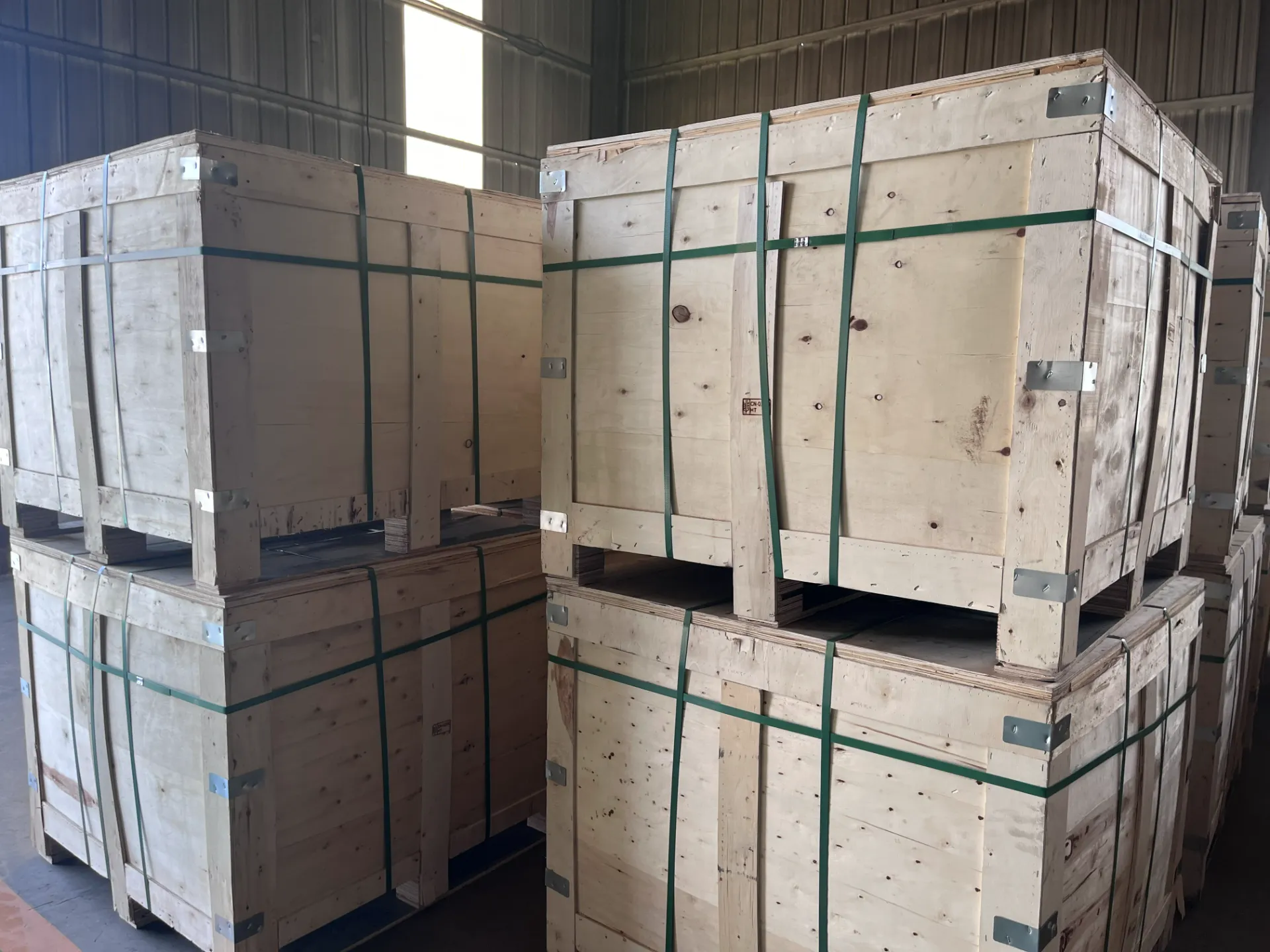
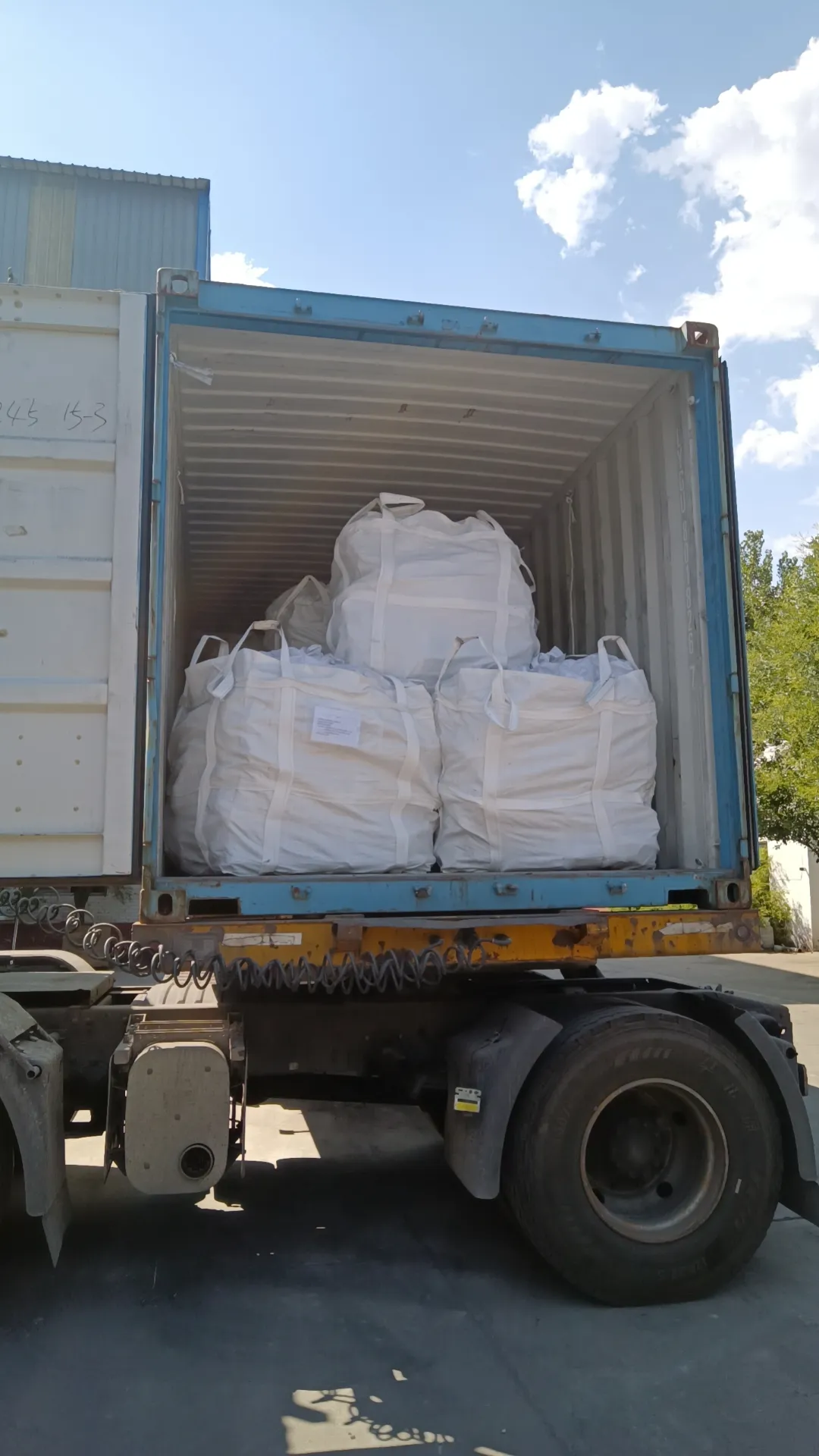
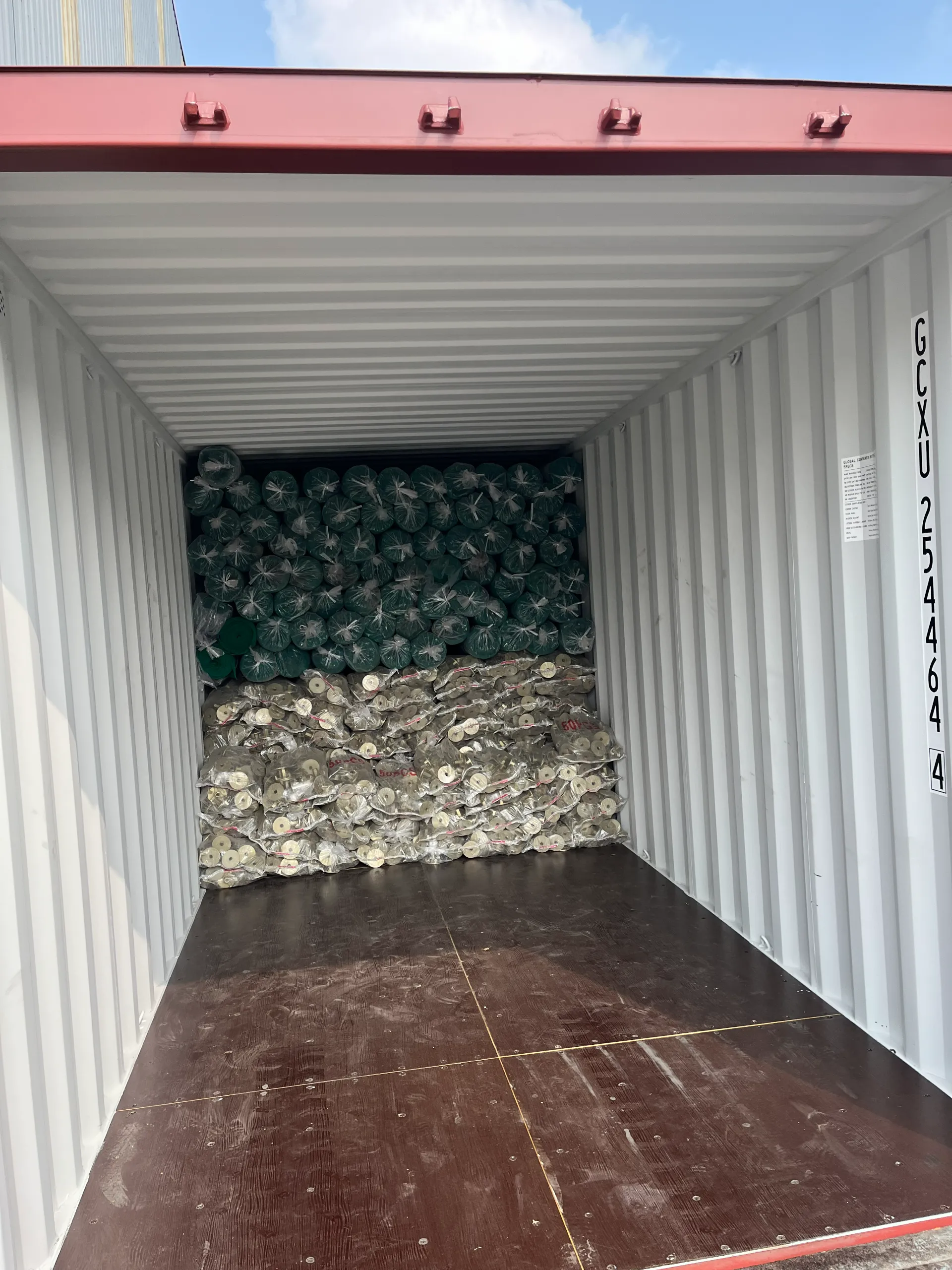
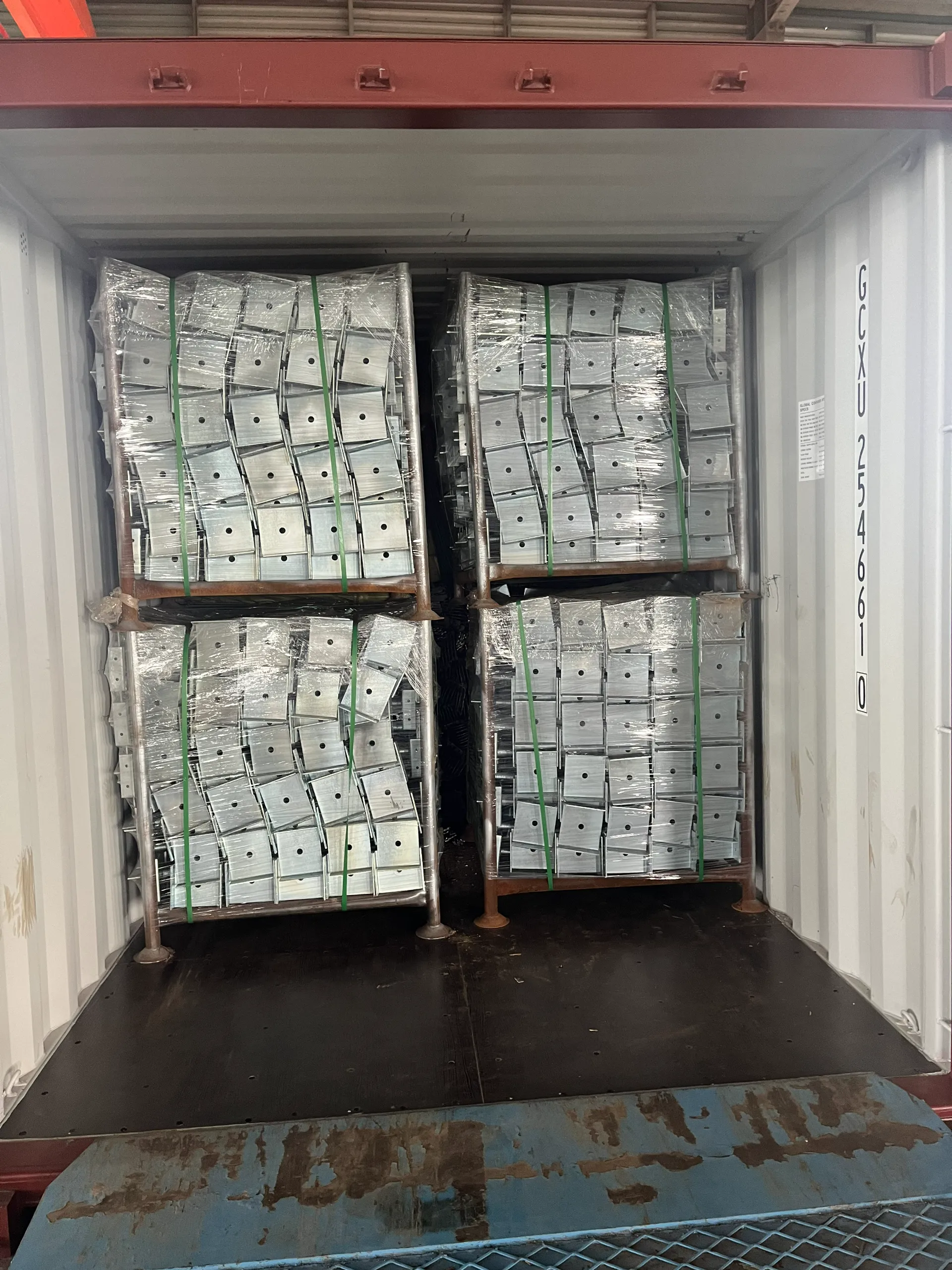



Types of Formwork Tie Rod Wing Nut
Formwork tie rod wing nuts are essential components in modern concrete formwork systems, providing secure fastening and easy adjustment during construction. At Cangzhou World Cup Trading Co., Ltd, we offer a range of high-quality wing nuts suitable for various tie rod systems, designed to enhance both safety and efficiency.
The first type is the standard wing nut, commonly used with tie rods in typical concrete wall or slab formwork. These wing nuts are manually tightened and loosened, allowing for quick assembly and disassembly without the need for additional tools. They are made from high-strength steel and often coated for corrosion resistance, ensuring durability in both indoor and outdoor projects.
The second type is the heavy-duty wing nut, designed for high-load applications such as high-rise buildings, bridge piers, or large industrial structures. Heavy-duty wing nuts have reinforced wings and thicker bodies to withstand the substantial lateral pressure of fresh concrete. They are often paired with robust tie rods and washers to ensure maximum stability and alignment of the formwork system.
Another type is the threaded wing nut with integrated washer seat, which combines the nut and washer into one component. This design simplifies installation, improves load distribution, and prevents localized stress on tie rods or formwork panels. It is particularly useful in projects requiring frequent adjustments or repetitive use, as it reduces labor time and potential hardware damage.
Additionally, there are coated or treated wing nuts, such as galvanized or black oxide variants, which provide superior corrosion resistance. These are ideal for environments exposed to moisture, chemicals, or outdoor conditions, extending the service life of the formwork assembly.
At Cangzhou World Cup Trading Co., Ltd, our wing nuts are compatible with various tie rod sizes and formwork systems, including ringlock scaffolding and modular concrete panels. Choosing the correct type of wing nut ensures structural stability, safety, and efficiency during concrete pouring operations.
Formwork Wing Nut Tie Rod: An Essential Tool for High-Rise Construction
In high-rise construction, precision, safety, and efficiency are critical. The formwork wing nut tie rod is an indispensable tool that ensures secure fastening of concrete formwork panels during the pouring and curing process. At Cangzhou World Cup Trading Co., Ltd, our products are designed to meet the demands of large-scale, high-rise projects worldwide.
High-rise structures require formwork systems that can withstand significant lateral pressure from fresh concrete. Tie rods act as the backbone of these systems, holding panels in place, while wing nuts allow for quick and secure fastening. The ergonomic wing design enables workers to tighten or loosen the nuts manually, saving time and reducing the need for additional tools.
The wing nut tie rod system provides adjustability, which is essential for high-rise construction where formwork panels must be precisely aligned and leveled at varying heights. This ensures that concrete walls, columns, and slabs set correctly, maintaining both structural integrity and aesthetic quality.
Durability is another critical factor. High-quality formwork wing nuts from Cangzhou World Cup Trading Co., Ltd are made of premium steel and often coated for corrosion resistance, making them suitable for repeated use and outdoor conditions. Their robust design ensures that even under heavy loads and continuous pressure, the tie rods and nuts maintain a secure grip, preventing deformation or failure.
The system also enhances worker safety. Properly secured tie rods and wing nuts reduce the risk of formwork collapse, panel movement, or accidents, which is especially important at great heights. They integrate seamlessly with other concrete accessories, including rapid clamps and washers, forming a complete and reliable fastening solution.
In conclusion, the formwork wing nut tie rod is a vital tool for high-rise construction, providing secure fastening, adjustability, durability, and safety. Its use ensures that concrete structures meet strict quality and safety standards while improving efficiency on the construction site.
Maintenance Tips for Formwork Tie Rod Wing Nut
Proper maintenance of formwork tie rod wing nuts is essential to ensure longevity, consistent performance, and safety during construction projects. At Cangzhou World Cup Trading Co., Ltd, we provide high-quality wing nuts that are durable, but regular care is necessary to maximize their service life.
The first maintenance tip is cleaning after use. Concrete residue, dust, and debris can accumulate on wing nuts and tie rods during construction, causing corrosion or thread damage. Cleaning with water and a soft brush, followed by drying, prevents buildup and ensures smooth operation in subsequent uses.
Second, inspect for wear and damage regularly. Check the wings for bending or cracks, the threads for stripping, and the overall nut body for signs of corrosion. Damaged wing nuts can compromise formwork stability and worker safety, so any worn-out components should be replaced immediately.
Third, apply protective coatings or lubricants. Light oil or anti-corrosion sprays can prevent rust, especially for nuts used in outdoor or humid environments. Galvanized or black oxide coated wing nuts already have enhanced corrosion resistance, but additional maintenance further extends their lifespan.
Fourth, store properly when not in use. Keeping wing nuts in a dry, organized storage area prevents accidental damage, misplacement, or exposure to moisture, which can reduce performance and longevity. Labeling by size and type also simplifies future selection and installation.
Fifth, avoid over-tightening during use. Excessive force can deform the wings or strip threads, reducing the effectiveness of the nut. Wing nuts are designed for manual tightening, and applying proper torque ensures consistent performance without damaging the hardware.
Lastly, periodically test compatibility with tie rods and other formwork accessories. Ensuring that the threads match and that nuts fit securely prevents slippage or loosening during concrete pouring.
In conclusion, proper maintenance of formwork tie rod wing nuts includes cleaning, inspection, protective coatings, correct storage, careful tightening, and compatibility checks. Following these tips helps ensure safety, durability, and reliable performance in every construction project.
concrete form tie
concrete formwork snap ties
concrete formwork ties
concrete wall form tie
form tie formwork system