Apr . 09, 2026 02:25 Back To List
Corner Metal for Drywall Guide for Perfect Professional Edges
Corner Metal for Drywall: The Ultimate Guide to Perfect Edges
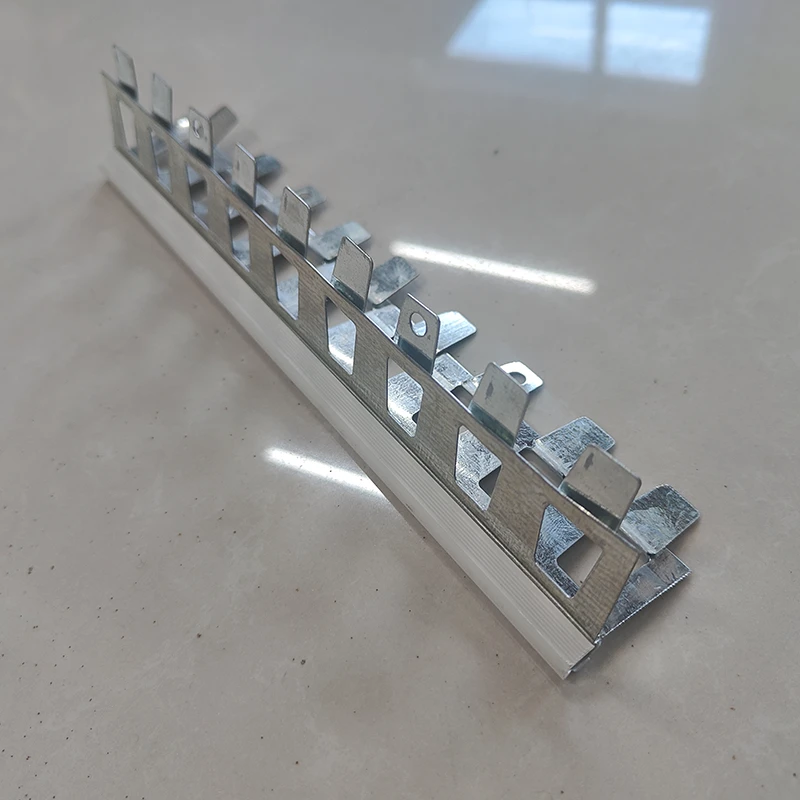
Achieving a flawless finish in interior construction often comes down to the details, and nothing is more critical than the edges. Using high-quality corner metal for drywall is the secret to preventing unsightly cracks and ensuring that your walls remain sharp and durable over time. Whether you are a professional contractor or a dedicated DIY enthusiast, understanding the different types of corner beads and their applications is essential for a professional result. In this guide, we will explore how the right metal reinforcements can transform your project from a standard build to a premium architectural finish.
Why Use Corner Metal for Drywall?
Drywall corners are naturally the most vulnerable parts of any room. They are prone to chipping, denting, and cracking due to daily wear and tear or structural settling. By installing corner metal for drywall, you provide a rigid skeleton that supports the joint compound and protects the gypsum core. This not only ensures a perfectly straight line for painting but also adds a layer of impact resistance that is vital in high-traffic areas like hallways and kitchens. Without this reinforcement, the cost of future repairs often outweighs the initial investment in quality metal beads.
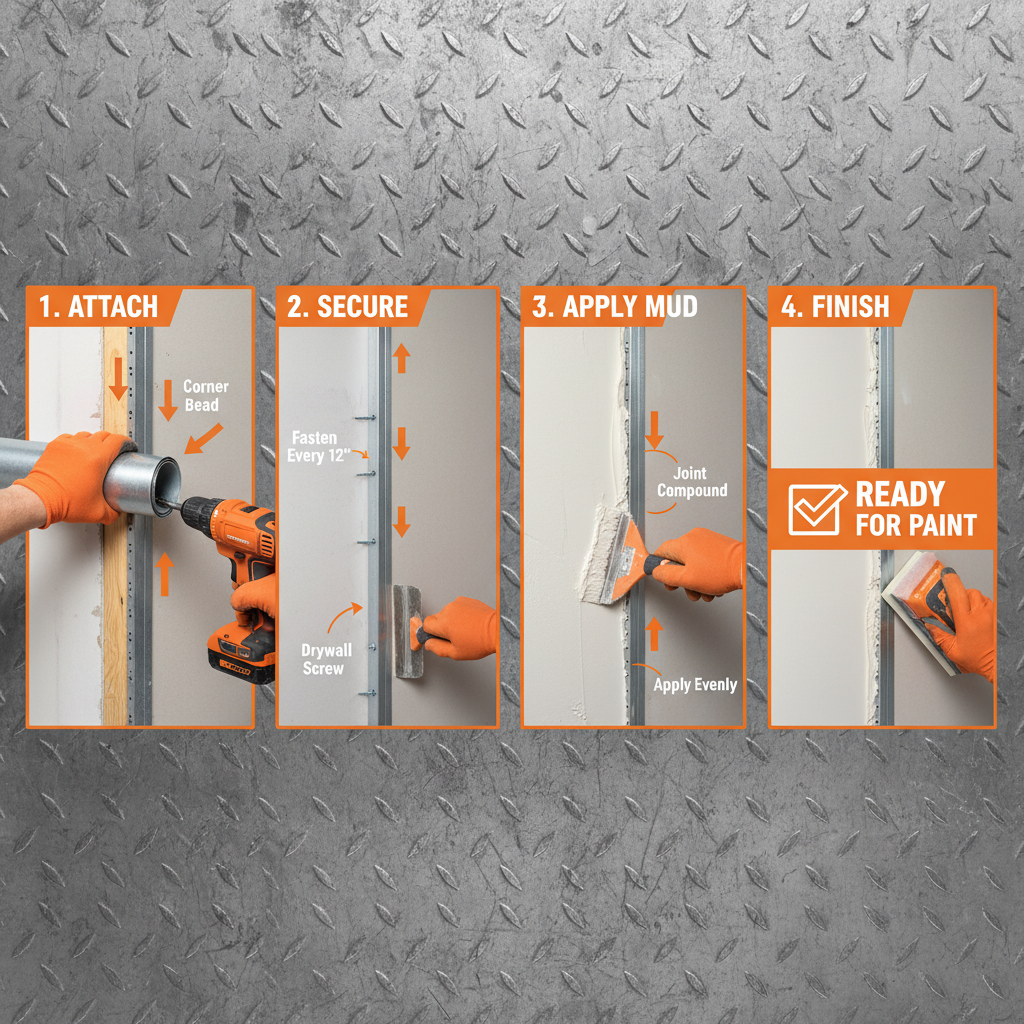
Pro Tip: Always ensure the corner metal is properly nailed or stapled to the studs before applying mud to prevent "bubbles" or gaps behind the bead.
Comparing Types of Corner Metal for Drywall
Not all corner reinforcements are created equal. Depending on the environment—whether it is a moisture-prone bathroom or a high-impact commercial lobby—the material choice varies. Galvanized steel is the industry standard for strength, while vinyl or PVC options are preferred for wet areas. When selecting corner metal for drywall, you must balance the need for structural rigidity with the requirement for corrosion resistance. The following table breaks down the most common options used in modern construction.
Installation Techniques for Metal Drywall Corners
Installing corner metal for drywall requires precision to avoid "waviness" in the final wall. The process typically starts with measuring the corner height and cutting the metal bead with aviation snips. Once positioned, the bead is secured using nails or staples every 12 inches. The most critical step is the application of the joint compound; applying a first coat to fill the gap, followed by a second and third coat to "feather" the edge into the wall. This creates a seamless transition that is invisible to the eye once painted.
Common Mistakes When Selecting Corner Metal
One of the most frequent errors is choosing a gauge of metal that is too thin. While thinner corner metal for drywall might be easier to install, it lacks the rigidity needed to maintain a straight edge under pressure. Another common mistake is neglecting the "flange" width. The flange is the part of the metal that sits flat against the drywall; if it is too narrow, it won't provide enough surface area for the joint compound to bond, leading to potential peeling. Always match the metal specifications to the thickness of your drywall panels for the best fit.
Product Specifications for Industrial Grade Corner Metal
For those sourcing materials for large-scale projects, adhering to technical specifications is non-negotiable. Industrial-grade corner metal for drywall is typically manufactured to strict tolerances to ensure consistency across thousands of linear feet. Whether you are looking for L-shaped beads or specialized bullnose corners, checking the coating thickness (such as zinc levels in galvanized steel) ensures the product will not rust inside the wall over several decades.
Maintenance and Long-term Care of Metal Edges
Even with the best corner metal for drywall, maintenance is key to longevity. In residential settings, using a high-quality primer and paint seal prevents moisture from seeping into the joint compound, which can eventually cause the metal bead to oxidize. If a corner does get dented, the metal reinforcement makes the repair much easier; you simply need to sand down the damaged area, apply a small amount of reinforcing mesh, and re-mud. This durability is why metal is consistently chosen over paper-faced alternatives in commercial environments.
Conclusion: Elevate Your Construction with Quality Metal
Investing in professional-grade corner metal for drywall is the most effective way to guarantee a high-end finish and long-term structural integrity. From the initial selection of material to the final coat of paint, these metal reinforcements provide the essential support that prevents cracking and resists impact. By choosing materials that meet industry standards, you ensure that your walls remain pristine for years to come. Don't let poor edges undermine your hard work—opt for the strength and precision of quality metal corner beads.
Frequently Asked Questions (FAQs)
What is the difference between metal and plastic corner beads?
The primary difference lies in strength and flexibility. Metal corner beads, especially galvanized steel, provide superior rigidity and impact resistance, making them ideal for corners that might be bumped frequently. Plastic or vinyl beads are more flexible and completely waterproof, which makes them the better choice for bathrooms or laundry rooms. However, for a perfectly straight, "architectural" edge that doesn't warp over time, metal is generally preferred by professional contractors.
Can I use corner metal for both inside and outside corners?
Actually, corner metal is specifically designed for outside corners. Inside corners are handled differently, usually utilizing joint tape (paper or mesh) and joint compound to create a smooth concave transition. Outside corners are convex and exposed, meaning they require the physical support and protective cap provided by corner metal for drywall to prevent chipping and maintain a sharp 90-degree angle.
How do I prevent the metal bead from rusting through the paint?
To prevent rust, it is crucial to use galvanized or stainless steel beads. Additionally, the "mudding" process must be thorough; ensure the metal is completely covered with joint compound so that no bare metal is exposed to the air. Finishing the wall with a high-quality alkali-resistant primer before painting provides an extra chemical barrier that seals the metal from moisture and oxygen, effectively eliminating the risk of rust bleed-through.
What tools are needed to install metal corner beads?
For a professional installation, you will need aviation snips to cut the metal, a hammer or staple gun to secure the bead to the studs, a 6-inch joint knife for the initial mud application, and a 10 or 12-inch knife for feathering the edges. Using a corner trowel can also help in achieving a more consistent finish. High-quality tools combined with premium corner metal for drywall ensure a smooth, professional result that requires minimal sanding.
Latest News
-
High Quality Drywall Corner Metal Strip for Perfect Wall EdgesNewsApr.16,2026
-
Comprehensive Guide to Corner Metal Drywall Installation and Material ChoicesNewsApr.07,2026
-
Comprehensive Guide to Corner Metal Bead for Durable Construction ProjectsNewsApr.04,2026
-
Comprehensive Guide to Corner Drywall Metal Installation and SelectionNewsMar.31,2026
-
Understanding Corner Bit Metal Applications and Sourcing for Robust StructuresNewsMar.28,2026