Nov . 30, 2025 07:00 Back To List
Comprehensive Guide to Concrete Wall Tie Rods – Strength, Applications & Trends
Concrete Wall Tie Rods: The Unsung Heroes of Structural Integrity
At first glance, concrete wall tie rods might sound like one of those incredibly niche building components you only hear about in specialized construction circles. But, honestly, these humble steel rods play a surprisingly pivotal role worldwide—holding together concrete walls by providing essential tensile support that keeps structures safe, stable, and durable.
With urbanization booming and the demand for safer infrastructure skyrocketing, understanding concrete wall tie rods is important for anyone even remotely connected to construction, architecture, or disaster relief housing. These rods aren’t just about strength; they represent reliability and longevity, helping builders meet strict global safety standards (think ISO 9001 and beyond) while navigating cost and environmental pressures.
Why Concrete Wall Tie Rods Matter Globally
Concrete is arguably the backbone of modern infrastructure. According to the World Bank, global cement production—which is closely linked to concrete use—surpassed 4 billion metric tons annually in recent years. But concrete alone isn't enough. Walls made purely of concrete tend to crack or fail under tension and lateral stress. That’s where tie rods step in, resisting forces that concrete by itself cannot handle.
On a global scale, from the megacities to emerging economies, the use of solid wall reinforcement technologies like concrete wall tie rods is critical. They improve building resilience against earthquakes, high winds, and other environmental stresses, reducing costly repairs and, more importantly, saving lives. In post-disaster zones, especially, these rods help provide the necessary structural integrity for emergency shelters or rebuilding efforts.
Summary takeaway:
- Concrete wall tie rods contribute to safer, longer-lasting structures worldwide.
- They help meet international construction and safety standards.
- Vital for disaster relief and rapidly growing urban environments.
What Exactly Are Concrete Wall Tie Rods?
Simply put, wall tie rods are slender steel bars designed to pass through or run alongside concrete walls, effectively tying sections of the structure together. Imagine them as the "spine" for a concrete wall where compressive strength alone isn’t enough to resist bending or pulling forces.
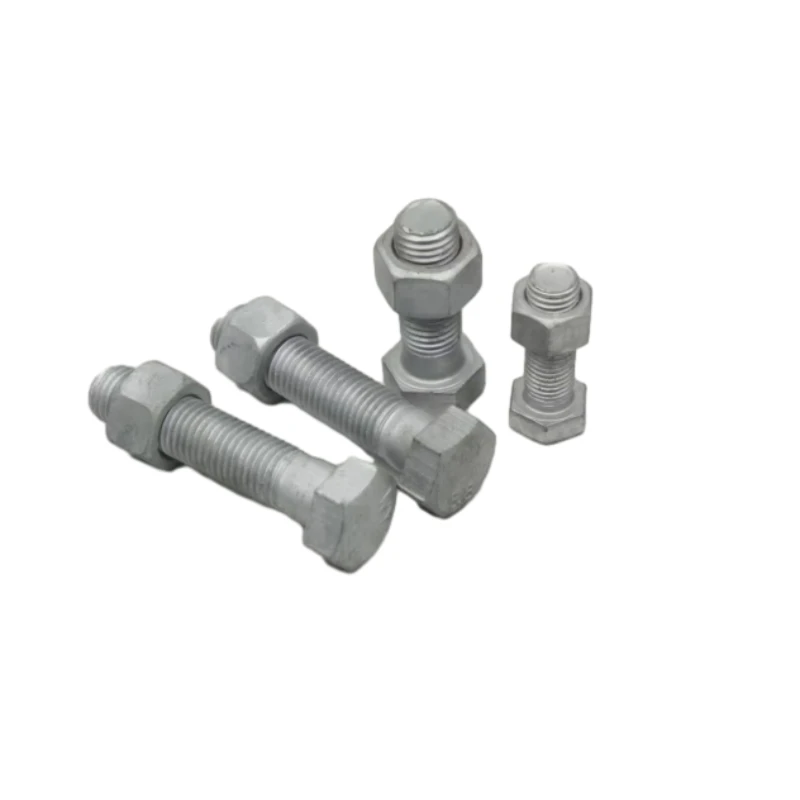
They’re usually threaded on one or both ends so that nuts or specialized fasteners can be used to tension them, making the structure behave more like a single solid element. This tensioning combats wall bulging or cracking under stress. You’ll often find these in retaining walls, high-rise buildings, or any concrete structure needing reinforcement against lateral loads.
Interestingly, their role goes beyond domestic construction; many humanitarian organizations integrate tie rod systems when deploying rapid-build concrete shelters or facilities in disaster zones, marrying robustness with speed—two factors critically important when lives depend on it.
Practical takeaway:
- They reinforce concrete by providing tensile strength to walls.
- Threaded ends allow for adjustable tension during or after installation.
- Used in everything from skyscrapers to emergency shelters.
Core Components and Key Features of Concrete Wall Tie Rods
1. Durability & Material Quality
Typically made from high-tensile steel, these rods must resist corrosion and fatigue. Most often, rods are galvanized or epoxy-coated to survive harsh environments—whether that’s salty coastal air or underground moisture. For engineers, balancing cost with longevity is always a consideration.
2. Load-Bearing Capacity
The tensile strength rating is critical. Standard rods can handle anywhere between 400 to 1,200 megapascals (MPa)—think of that as how much pulling force they can endure before snapping. This depends on the steel grade and diameter, which directly affects their intended use.
3. Adjustability
The threaded ends with nuts or turnbuckles allow on-site fine-tuning. This means walls can be "tensioned" or "tightened" even after placement, which is especially useful for large constructions where thermal expansion or settling occurs.
4. Compatibility & Ease of Installation
The rods come in standard lengths but can be customized. Some systems integrate with formwork or prefabricated panels, speeding up installation. Contractors often prefer products with well-documented installation guidelines and quality assurance backing.
5. Cost Efficiency in the Long Run
While initial investment might be higher than using plain concrete walls, tie rods help prevent expensive structural repairs later on—saving money and headaches. Also, by improving wall strength, they enable thinner walls, reducing overall material use.
Summary takeaway:
- Choose rods with high tensile strength for your specific application.
- Protective coatings extend lifespan substantially.
- Threaded adjustability adds flexibility during installation.
- Initial costs are offset by reduced maintenance and material savings.
Worldwide Applications and Concrete Wall Tie Rod Use Cases
Around the world, concrete wall tie rods are making a visible difference across many industries and scenarios:
- Urban Skyscrapers: High-rise buildings in cities like New York or Dubai depend heavily on tie rods for lateral seismic and wind load resistance.
- Retaining Structures: In mountainous or flood-prone regions—think the Alps or Bangladesh—retaining walls equipped with tie rods resist soil and water pressure better.
- Post-Disaster Rebuilding: NGOs often deploy tie rod-reinforced concrete prefab shelters in earthquake zones to ensure rapid yet resilient housing.
- Industrial Facilities: Heavy machinery foundations in mining or manufacturing sites use tie rods to maintain wall stability under vibration.
One particular case study from 2021 involved a recovery project in a tsunami-hit Asian village where utilizing reinforced concrete walls with tie rods allowed homes to be rebuilt in record time, withstanding aftershocks that followed.
Concrete Wall Tie Rod Specifications at a Glance
| Specification | Details |
|---|---|
| Material | High tensile carbon steel (galvanized/epoxy coated) |
| Diameter | 10mm–25mm (custom sizes available) |
| Yield Strength | 400–1200 MPa |
| Length | 1m–6m (extendable) |
| Threading | Fully or partially threaded on ends for tensioning |
| Coating | Hot-dip galvanization or epoxy resin |
Comparing Leading Vendors: Which Supplier Fits Your Project?
| Vendor | Material Quality | Coating Options | Customization | Pricing | Lead Time |
|---|---|---|---|---|---|
| SteelForm Inc. | High tensile steel (A615) | Galvanized, epoxy | Yes (size/thread length) | $$$ | 3-4 weeks |
| BuildStrong Ltd. | Standard tensile steel | Galvanized only | Limited | $$ | 2-3 weeks |
| TieRod Solutions | High tensile with corrosion resistance | Epoxy, galvanized, custom coatings | Extensive | $$$$ | 4-6 weeks |
Advantages and Lasting Value of Using Concrete Wall Tie Rods
Many engineers say the biggest benefit is structural reliability—knowing a wall won’t just crumble under strain. This is critical not only in everyday buildings but in extreme scenarios like earthquakes or hurricanes. Concrete wall tie rods add that layer of confidence that saves lives and reduces insurance costs.
Environmentally, they contribute indirectly by enabling thinner, lighter concrete usage without compromising strength. Less concrete means lower carbon emissions during production—an important nod to sustainable construction practices.
From a social angle, solid walls with proper reinforcement provide occupants peace of mind—a sense of safety that frankly everyone deserves. Plus, they reduce longer-term maintenance headaches, freeing up budgets for other community projects.
Emerging Trends & Innovations in Concrete Wall Tie Rod Technology
Oddly enough, innovation here isn’t just about steel strength but about how these rods are integrated digitally and environmentally.
- Smart Tie Rods: Sensors embedded in tie rods to monitor tension and detect early signs of structural stress are gaining traction, particularly in earthquake-prone areas.
- New Materials: The exploration of fiber-reinforced polymers (FRP) as alternatives for corrosion resistance is underway, reducing maintenance costs.
- Automated Installation: Robotics and drones are starting to assist in positioning and tensioning rods in difficult-to-access construction sites.
- Green Certifications: Products certified to ISO 14001 environmental standards are preferred as sustainability becomes more than just a buzzword.
Common Challenges & How Experts Tackle Them
Corrosion remains the perennial enemy of concrete wall tie rods. Even galvanized coatings eventually wear thin if moisture penetrates. Engineers often recommend cathodic protection systems or epoxy coatings, but these come with tradeoffs in cost and complexity.
Installation errors also crop up—like improper tensioning or misaligned threading. Training and certified installation protocols go a long way but require investment. Plus, supply chain delays for customized rods sometimes stall construction timelines.
Innovators suggest combining modular prefabrication with pre-tensioned rods to cut down installation time and errors. Still, widespread adoption of these solutions requires industry-wide education and more case data.
FAQ: Frequently Asked Questions About Concrete Wall Tie Rods
- Q: How do concrete wall tie rods prevent wall cracking?
- A: Tie rods provide tension that counteracts forces such as soil pressure or wind loads that would otherwise cause walls to bulge or crack. By balancing these stresses, the rods keep walls intact and stable.
- Q: Can concrete wall tie rods be reused or recycled?
- A: Steel rods can technically be recycled, but their reuse in new structures is generally not recommended due to fatigue and corrosion risks. Recycling, however, is common and environmentally beneficial.
- Q: What is the typical lifespan of a concrete wall tie rod?
- A: With proper corrosion protection, these rods often last 50 years or more. Longevity depends on environmental factors and maintenance, especially in harsh coastal or industrial settings.
- Q: Are there international standards for concrete wall tie rods?
- A: Yes, organizations like ISO and ASTM provide specifications for material properties, testing methods, and installation procedures to ensure consistency and safety globally.
- Q: How can I ensure correct installation of tie rods on site?
- A: Always rely on manufacturer guidelines, certified professionals, and perform tension checks at intervals. Using torque wrenches and regular inspections during construction reduces mistakes.
Wrapping It Up: Why Concrete Wall Tie Rods Are a Wise Investment
Concrete wall tie rods might not be the flashiest part of construction, but their impact is undeniable. They marry strength with flexibility, making concrete walls resilient without overspending or oversizing. This translates to safer buildings, more sustainable infrastructure, and a future-proof investment that communities can trust.
If you want to dig deeper or view products tailored to your construction needs, feel free to check out our detailed catalog at concrete wall tie rods. It’s a solid starting point for making smarter infrastructure choices today.
Final thought:
In real terms, these rods don’t just hold walls — they hold communities together.
References:
Latest News
-
Adjustable U Jack: Essential Guide to Specifications, Applications & VendorsNewsDec.03,2025
-
Adjustable U Head Jack: Essential Guide to Benefits, Specs & Global UseNewsDec.03,2025
-
What Is an Adjustable U Head? Benefits, Uses & Supplier Comparison in ConstructionNewsDec.03,2025
-
Steel Joint Connector Nut: Essential Fastening Solutions for Modern InfrastructureNewsDec.02,2025
-
Nut Connector: Key Roles, Applications & Innovations in Modern IndustryNewsDec.02,2025
-
Nut Adaptor: A Key Component Bridging Industry Standards and Enhancing Assembly EfficiencyNewsDec.02,2025