Nov . 30, 2025 08:35 Back To List
Formwork Cones: Precision Tools Shaping Modern Concrete Construction
Formwork Cones: The Backbone of Precision in Modern Construction
When you stroll past a construction site, chances are you’re witnessing dozens of unseen miracles — one of which might just be the humble formwork cones. These are not your everyday tools; they’re crucial to shaping, aligning, and securing concrete forms, enabling engineers to pour complex structures with precision and reliability. But what makes formwork cones so critical globally? Why do countless industries and humanitarian projects depend on them? Let’s dive in.
Global Context: Why Formwork Cones Matter More Than You Think
On a worldwide scale, the construction industry is booming — with global spending expected to top $15 trillion by 2030, according to the World Bank. Nearly every building, bridge, or transport hub requires concrete pouring and form shaping, where precision matters deeply. The International Standards Organization (ISO) sets rigorous guidelines about formwork quality, which includes components like formwork cones. But the challenge is bigger than just big projects: in humanitarian crises and post-disaster recovery zones, rapid and reliable form shaping can mean the difference between fast shelter builds and prolonged instability.
Unfortunately, flawless concrete casting is easier said than done. Challenges such as uneven pressure distribution, misalignment, or poor sealing often lead to costly structural issues. Enter formwork cones — the silent champions ensuring that forms hold firm and align perfectly, reducing errors, and boosting the structural lifespan of concrete works globally.
Understanding Formwork Cones: What Are They, Exactly?
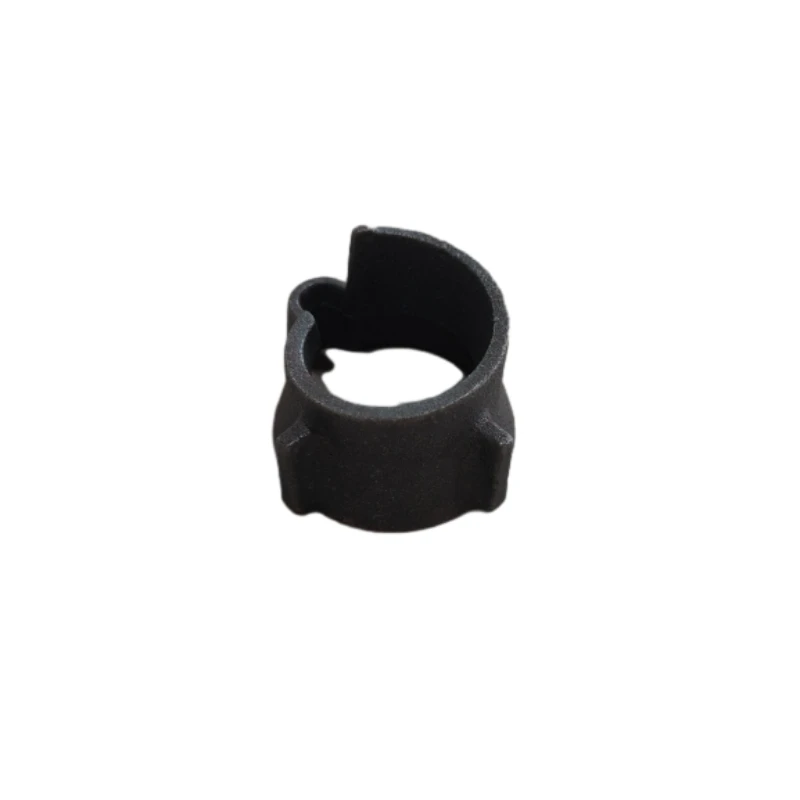
Simply put, formwork cones are precision-aligned plastic or metal cones used to create holes or openings in concrete forms. They’re inserted into the formwork shutter before concrete pouring. Once the concrete sets, these holes allow for ties or rods to pass through, holding the formwork panels together tightly. After curing, the cones facilitate easy removal of ties, leaving clean, burr-free openings — a neat little detail that saves huge headaches later on.
This simple-looking device plays a pivotal role in the concrete casting process. Aside from the core construction realm, they’re vital in rapid shelter building during humanitarian crises where speed, accuracy, and reuse of materials can impact thousands of displaced families.
Key Aspects of Formwork Cones That Every Engineer Should Know
1. Durability
Manufactured mainly from high-impact plastics or coated metals, formwork cones must withstand not only the pressure of wet concrete but also repeated use on site. In tough climates or disaster zones, durability translates directly into time saved and fewer material replacements.
2. Scalability & Versatility
Formwork cones come in various sizes suitable for different tie rods and panel thicknesses. Whether you're casting a narrow retaining wall in Europe or a massive bridge column in Asia, the cones can be adapted accordingly. Some vendors even offer bespoke cones tailored for unique project specifications.
3. Cost Efficiency
Compared to the cost of structural failures, rework, or delays, investing in high-quality formwork cones offers excellent value. They’re affordable, reusable, and reduce wastage by leaving neat edges that simplify finishing works.
4. Environmental Impact
With growing emphasis on sustainability, many formwork cones are now made from recyclable or biodegradable polymers. This shift responds not only to environmental concerns but also to regulations in developed markets aiming to minimize construction waste.
5. Ease of Use
Quick installation and removal save valuable man-hours onsite. Plus, well-designed cones prevent concrete leakage through tie holes, preserving concrete surface integrity.
How Formwork Cones Are Shaping Global Construction and Humanitarian Efforts
Globally, their usage spans from luxury skyscrapers in Dubai to earthquake recovery housing in Nepal. In developing nations, formwork cones help streamline the construction of schools, clinics, and water reservoirs funded by agencies like the UN and Red Cross. Meanwhile, in industrialized countries, they speed up precast concrete production, aligning with ISO standards to ensure safety and longevity.
Picture a post-disaster relief camp where time is ticking and shelter is paramount. Fast yet reliable formwork technology, including formwork cones, enables rapid erecting of concrete foundations — a sturdy base for transitional shelters. Similarly, remote industrial zones, where importing materials is costly, leverage reusable formwork cones to reduce waste and accelerate pipeline or facility installations.
Product Specification Table
| Specification | Typical Range | Standard Usage |
|---|---|---|
| Material | HDPE Plastic, Galvanized Steel | Deform resistant, recyclable |
| Diameter Size | 12mm - 50mm | Fits mostly tie rods & wires |
| Max Temperature Resistance | Up to 80°C (Plastics) | Sufficient for normal curing phases |
| Reusability | 5-10 cycles depending on use | Cost-saving over single-use sleeves |
Comparing Leading Formwork Cone Vendors
| Vendor | Material Quality | Customization | Lead Time | Price Range (per 1000) |
|---|---|---|---|---|
| Contex Products | High-density polyethylene | Standard sizes; limited custom | 2-3 weeks | $120 - $150 |
| GlobalFormworks Ltd. | Galvanized steel and plastic | Full customization available | 4-6 weeks | $180 - $220 |
| EcoCone Systems | Biodegradable polymer | Limited sizes; eco focus | 3-5 weeks | $200 - $250 |
Why Should You Invest in High-Quality Formwork Cones?
Beyond the stats and specs, formwork cones bring tangible, long-term value.
- Cost Savings: Reduce costly concrete damage and avoid rework.
- Sustainability: Support circular construction through reusable and eco-friendly materials.
- Safety and Trust: Guarantee secure formwork assembly, minimizing onsite hazards.
- Speed: Faster setup and tear-down, especially critical in disaster response.
- Innovation: Keeping up with digital construction methods and prefab techniques.
Engineers who’ve worked with multiple suppliers often mention “peace of mind” as a hidden but key advantage. It feels like a smart, unglamorous win.
Emerging Trends & Innovations in Formwork Cone Design
Innovation never rests. Recent developments include:
- Smart Materials: Cones embedded with sensors to monitor curing temperature and pressure in real-time.
- 3D Printing: Rapid prototyping of customized cones tailored to project-specific needs.
- Green Manufacturing: Shifting to biodegradable, low-impact polymers that meet strict ISO sustainability guidelines.
- Automation-Friendly Design: Cones designed for compatibility with robotic assembly lines and modular prefabrication.
These advances reflect the broader digital transformation sweeping the construction industry — marrying precision hardware with smart software for next-level efficiency.
Challenges Faced and How to Solve Them
Not all is perfect. Common issues include:
- Damage During Handling: Plastic cones can break if mishandled; solution: tougher polymer blends or protective packaging.
- Size Mismatch: Using the wrong cone size causes leaks or poor form tension; solution: training and clear onsite guidelines.
- Environmental Degradation: Long exposure to UV or chemicals weakens cones; solution: UV inhibitors and regular quality checks.
With proper procurement and training, these hurdles are usually small bumps rather than roadblocks.
FAQ: Practical Questions About Formwork Cones
- Q: How do formwork cones improve concrete surface quality?
- A: By creating clean, leak-proof openings for tie rods, formwork cones prevent concrete seepage and uneven surfaces. This leads to smoother finishes and reduces the need for costly repairs.
- Q: Can formwork cones be reused across multiple projects?
- A: Yes. High-quality cones typically last through 5-10 pours if handled properly, making them cost-effective and eco-friendly over time.
- Q: Are there standards regulating formwork cones?
- A: While ISO provides general guidelines for formwork components, specific standards vary by region. Top vendors often ensure compliance with ASTM, BS EN, or local building codes.
- Q: How do I select the right cone size?
- A: Match the cone diameter to your tie rod thickness and panel width. Consulting vendor charts or experts often helps avoid common sizing pitfalls.
- Q: Can formwork cones be used in prefabricated concrete elements?
- A: Definitely. Many prefab producers incorporate cones during casting to facilitate modular assembly and improve joint quality.
Wrapping Up: The Unsung Hero of Concrete Construction
In the grand orchestra of construction equipment, formwork cones might seem like the background musicians — unnoticed but vital. Their role in ensuring precision, durability, and speed spans every continent and every scale of build, from soaring skyscrapers to makeshift shelters protecting families after disaster.
If you want to experience the difference that high-quality formwork cones provide firsthand, take a peek at our site. Trust me, it’s where formwork meets finesse.
Latest News
-
Adjustable U Jack: Essential Guide to Specifications, Applications & VendorsNewsDec.03,2025
-
Adjustable U Head Jack: Essential Guide to Benefits, Specs & Global UseNewsDec.03,2025
-
What Is an Adjustable U Head? Benefits, Uses & Supplier Comparison in ConstructionNewsDec.03,2025
-
Steel Joint Connector Nut: Essential Fastening Solutions for Modern InfrastructureNewsDec.02,2025
-
Nut Connector: Key Roles, Applications & Innovations in Modern IndustryNewsDec.02,2025
-
Nut Adaptor: A Key Component Bridging Industry Standards and Enhancing Assembly EfficiencyNewsDec.02,2025