Nov . 30, 2025 10:10 Back To List
Comprehensive Guide to Tie Rod Formwork: Applications, Benefits & Innovations
Understanding Tie Rod Formwork: Why It Matters Globally
When you walk past a construction site, you probably don't pause to wonder about the subtle details holding the concrete structures together. But right behind those smooth surfaces lies a system that ensures safety, efficiency, and durability: tie rod formwork. Tie rod formwork might sound like a niche engineering term, but it plays a critical role worldwide—from urban skyscrapers in New York to rapidly built shelters in disaster zones.
So, why does understanding tie rod formwork matter? With global urbanization projected to increase by 2.5 billion people by 2050 (UN Habitat), construction efficiency and sustainability are paramount. Tie rod formwork offers a balance of strength and flexibility, helping projects stay on schedule and budgets intact. Plus, these systems are often reusable, which supports greener construction practices.
An Industry Essential in a Growing World
The construction industry is the backbone of modern infrastructure and economic growth, contributing roughly 6% to global GDP (World Bank). Yet, despite technological advances, many projects face delays and cost overruns due to formwork challenges. Tie rod formwork addresses some of these pain points by providing a reliable method to hold concrete molds firmly in place during curing.
Imagine trying to build a complex concrete wall faster but without compromising on strength. Traditional methods can struggle with flexibility or reusability. The tie rod system resolves this by distributing pressure more evenly and allowing for quicker dismantling. This is why governments and aid organizations increasingly rely on tie rod formwork, especially where speed and reliability are of the essence.
What Exactly Is Tie Rod Formwork?
Simply put, tie rod formwork is a construction technique where steel rods—called tie rods—hold wooden or metal form panels tightly together while concrete hardens within. The rods act like the laces on a sneaker, pulling the formwork tight so the concrete doesn’t bulge or leak.
This system is often used in projects ranging from residential buildings to bridge piers and retaining walls. Its strength and adaptability make it a go-to solution, not just in cities but in humanitarian contexts, where rapidly built, durable structures are needed for refugees or disaster relief.
Core Components of Tie Rod Formwork
1. Durability
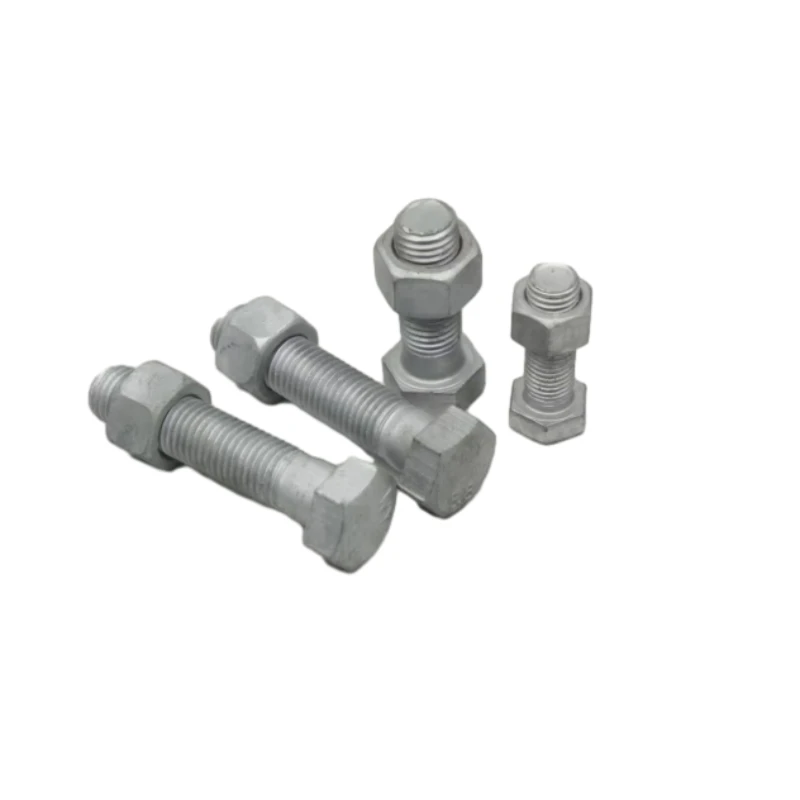
Tie rods are typically made of galvanized steel to resist rust and withstand substantial pressure from fresh concrete. Their longevity means they can be reused many times, cutting costs and waste.
2. Scalability
The tie rod system can be adapted to various project sizes—be it a small foundation or a massive high-rise floor slab. Engineers can easily adjust rod length and strength to match the load.
3. Cost Efficiency
While initial costs for tie rods and accessories aren’t negligible, their reusable nature and quicker turnaround times often save money in the long term.
4. Ease of Assembly and Disassembly
Thanks to standardized components and user-friendly hardware, construction teams can erect and dismantle forms swiftly, a crucial advantage on tight schedules.
5. Safety
By securely holding formwork, tie rods reduce the risks of structural failure during pouring—a major hazard in construction.
Mini takeaway:
Tie rod formwork is more than just "rods and panels"; it's a system designed for strength, flexibility, and reuse, resonating with today’s demand for smarter building methods.
From Metropolises to Remote Zones: Global Applications
The versatility of tie rod formwork shines across continents and climates. In developing regions of Africa and Asia, where infrastructure growth is booming, this system supports affordable housing projects that accommodate growing populations. NGOs in humanitarian sectors use tie rod formwork to build temporary yet sturdy shelters after earthquakes or floods—think of rapid deployments in Nepal post-2015 earthquake relief.
In industrial zones—from the oil fields of the Middle East to mining sites in Australia—tie rod formwork enables quick construction of foundations and protective retaining walls, enduring harsh environmental conditions.
Mini takeaway:
Whether rebuilding after a disaster or erecting a commercial complex, tie rod formwork adapts with surprising ease, proving its global relevance.
Advantages & Long-Term Value of Tie Rod Formwork
- Cost Savings: Reduced material waste and repeated use mean budgets stretch farther.
- Environmental Responsibility: Longevity and recyclability align with green building standards (ISO 14001).
- Social Impact: Faster build times translate to quicker shelter or workplace delivery, ensuring safety and dignity.
- Reliability: Less on-site failure from pressure imbalance translates to fewer accidents and delays.
Moreover, the psychological sense of security in knowing the structure is well-formed and stable cannot be underestimated—workers and residents alike gain trust in the built environment.
Product Specifications at a Glance
| Specification | Typical Value | Remarks |
|---|---|---|
| Material | Galvanized Steel | Resists corrosion |
| Diameter Range | 12 - 30 mm | Adjustable for load requirements |
| Maximum Length | 6 m | Can be coupled for longer spans |
| Tensile Strength | > 500 MPa | Suits heavy concrete pressure |
| Reusable Cycles | 20+ | Dependant on maintenance |
Comparing Popular Tie Rod Formwork Vendors
| Vendor | Regions Served | Material Quality | Customization Options | Typical Lead Time |
|---|---|---|---|---|
| FormLink Systems | North America, Europe | Galvanized Steel ASTM A123 | Standard & custom lengths | 3 weeks |
| SteelTie Solutions | Asia, Middle East | Hot-dip galvanized steel | Variable diameters and finishes | 2-4 weeks |
| Global Formworks Inc. | Worldwide | Stainless and galvanized steel | Fully custom solutions | 5 weeks |
What the Future Holds: Innovations & Trends in Tie Rod Formwork
It's an exciting time. New smart sensors embedded in tie rods can now monitor stress and temperature in real time, helping engineers react immediately if something’s off during concrete curing—kind of like a health monitor for your wall. There’s also a growing push for eco-friendly materials, like advanced composite rods that reduce steel use and weight, helping lower carbon footprints even further.
Automation in assembly, including robotic tightening and positioning, is making formwork installation faster and safer—less heavy lifting, fewer human errors. Sustainability certifications and stricter global building codes are pushing manufacturers to innovate, too. It feels like tie rod formwork is quietly stepping into a high-tech future while still holding on to the basics that got it there.
Challenges & How Experts Are Tackling Them
Of course, no system is perfect. One issue is the risk of corrosion if rods aren’t maintained or properly coated. That said, improved galvanization methods and corrosion inhibitors now extend lifespan considerably.
Another challenge is logistics—transporting long rods to remote sites can get tricky. To combat this, modular and couplable rod sections have become popular, allowing easier packing and on-site assembly.
Finally, ensuring workers are trained on installation best practices remains crucial. Many firms now invest in onsite training or augmented reality guides to reduce human error.
Frequently Asked Questions About Tie Rod Formwork
- How long can tie rod formwork be reused?
- Generally, tie rods can be reused 20 times or more with proper care and maintenance, including cleaning and storage to prevent rust.
- Is tie rod formwork suitable for seismic zones?
- Yes, tie rod formwork can be adapted for seismic-resistant designs by selecting appropriate rod strengths and arranging reinforcements accordingly.
- Can I customize the length of tie rods for my project?
- Absolutely. Most vendors offer a variety of standard sizes and custom lengths, often with couplers to extend rod length as needed.
- What safety precautions should be taken during installation?
- Proper PPE, correct tensioning procedures, and thorough inspection during assembly are essential to prevent failures and accidents.
- Where can I learn more about tie rod formwork design standards?
- International standards like EN 1992-1-1 and ASTM specifications provide valuable guidelines. Additionally, industry training and vendor manuals help.
Wrapping Up: Why Tie Rod Formwork Should Be on Your Radar
In real terms, mastery of tie rod formwork means achieving solid construction faster, safer, and often more sustainably. Whether you’re working on urban towers, rural schools, or emergency shelters, these steel rods silently support the future. If you haven’t already, check out more about these systems — including options and innovations — by visiting tie rod formwork. You might be surprised how much difference the right formwork makes.
Here's to building a safer, smarter world—one rod at a time.
References
Latest News
-
Adjustable U Jack: Essential Guide to Specifications, Applications & VendorsNewsDec.03,2025
-
Adjustable U Head Jack: Essential Guide to Benefits, Specs & Global UseNewsDec.03,2025
-
What Is an Adjustable U Head? Benefits, Uses & Supplier Comparison in ConstructionNewsDec.03,2025
-
Steel Joint Connector Nut: Essential Fastening Solutions for Modern InfrastructureNewsDec.02,2025
-
Nut Connector: Key Roles, Applications & Innovations in Modern IndustryNewsDec.02,2025
-
Nut Adaptor: A Key Component Bridging Industry Standards and Enhancing Assembly EfficiencyNewsDec.02,2025