Nov . 30, 2025 11:45 Back To List
Concrete Form Ties for Plywood: Essential Guide for Durable & Efficient Concrete Formwork
What Are Concrete Form Ties for Plywood and Why Do They Matter?
If you’re familiar with construction—especially concrete structure making—you might know how pivotal concrete form ties for plywood really are. But even if you're new to this, they’re those unsung heroes that ensure concrete walls keep their shape until they set firm. Globally, with urbanization and infrastructure booming, understanding these components is crucial. They aren’t just small metal bits; they’re the backbone of safety and durability in modern concrete forming.
Why care? Because these ties influence everything from environmental impact to structural integrity, affecting millions of buildings worldwide—whether in skyscrapers, bridges, or even quick-build shelters in disaster zones.
Mini takeaway: Concrete form ties for plywood might seem niche, but they’re vital cogs in global construction safety and quality.
Concrete Form Ties for Plywood: Global Industry Context
On a global scale, the construction sector represents roughly 13% of the world’s GDP according to the World Bank. Within this massive share, formwork systems—where concrete form ties come in—have evolved significantly. The International Organization for Standardization (ISO) certifies safety norms that these ties help meet. Challenges such as faster construction cycles and sustainability pressures push manufacturers and engineers to rethink these components’ design and materials.
Meanwhile, natural disasters, especially in developing countries, have put a spotlight on the need for rapid yet reliable concrete forming solutions. Form ties—particularly those designed for plywood formwork—offer the balance between strength and removability essential in these contexts.
Mini takeaway: Worldwide demands are reshaping the role of concrete form ties for plywood to be smarter, faster, and greener.
Understanding Concrete Form Ties for Plywood
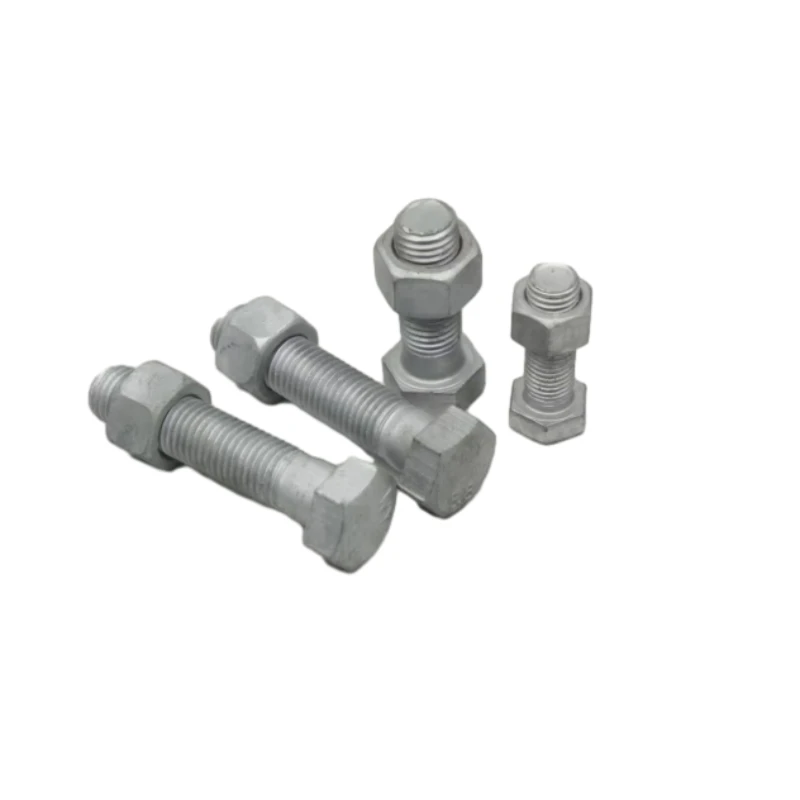
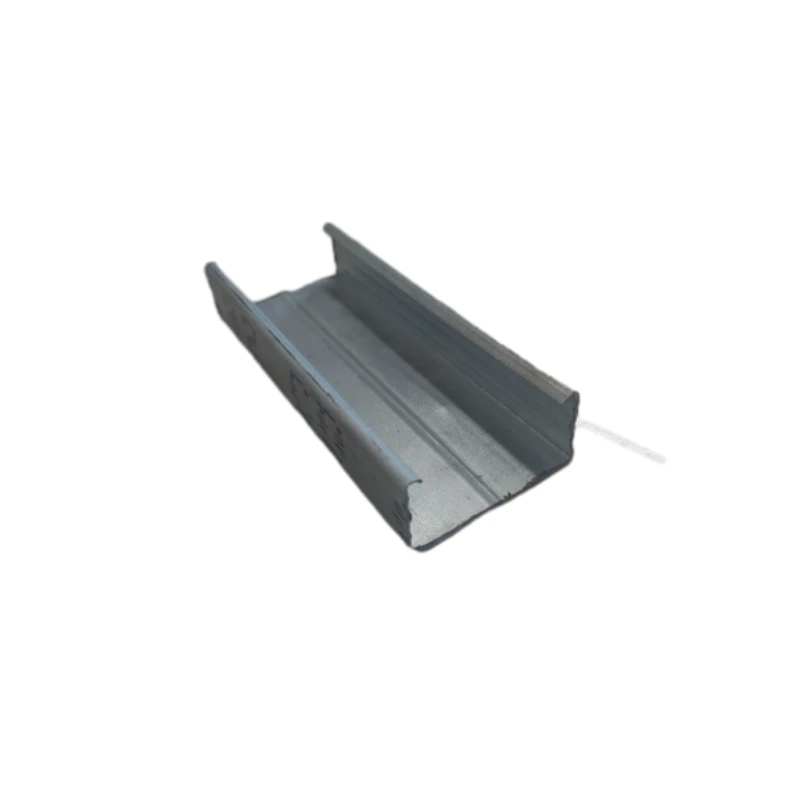
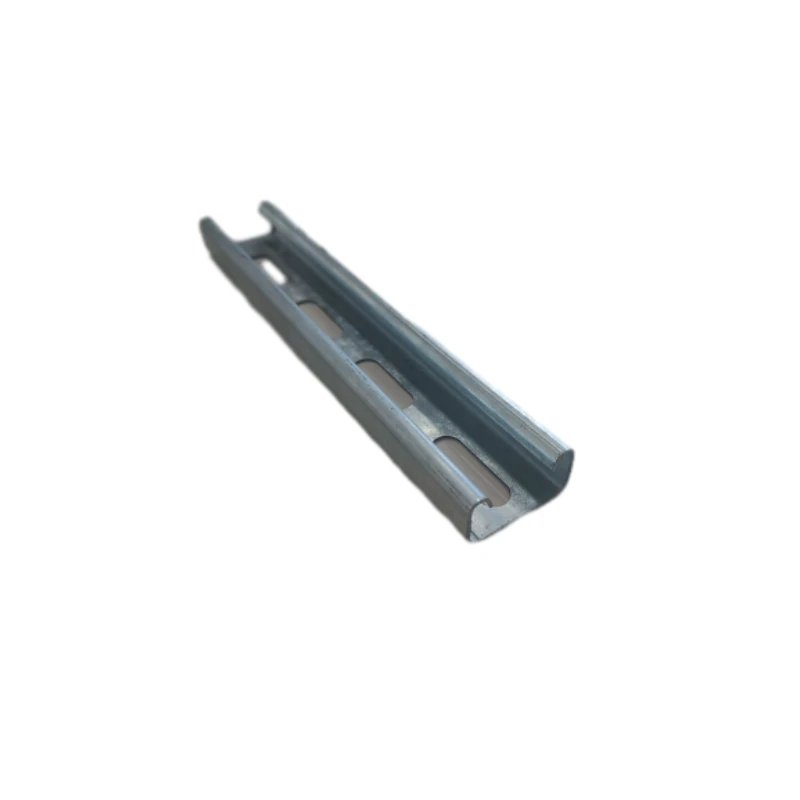
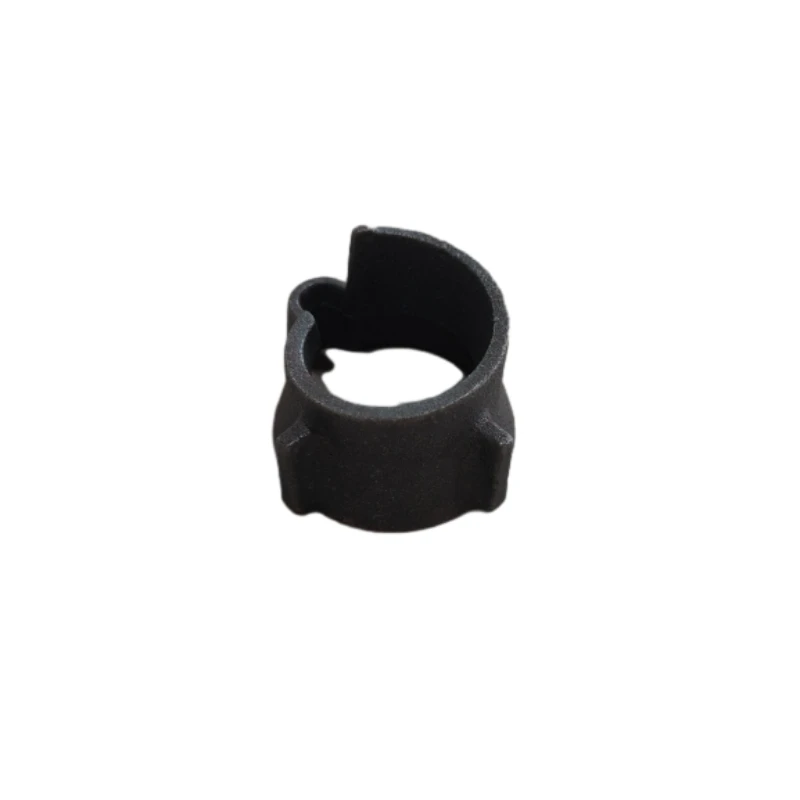
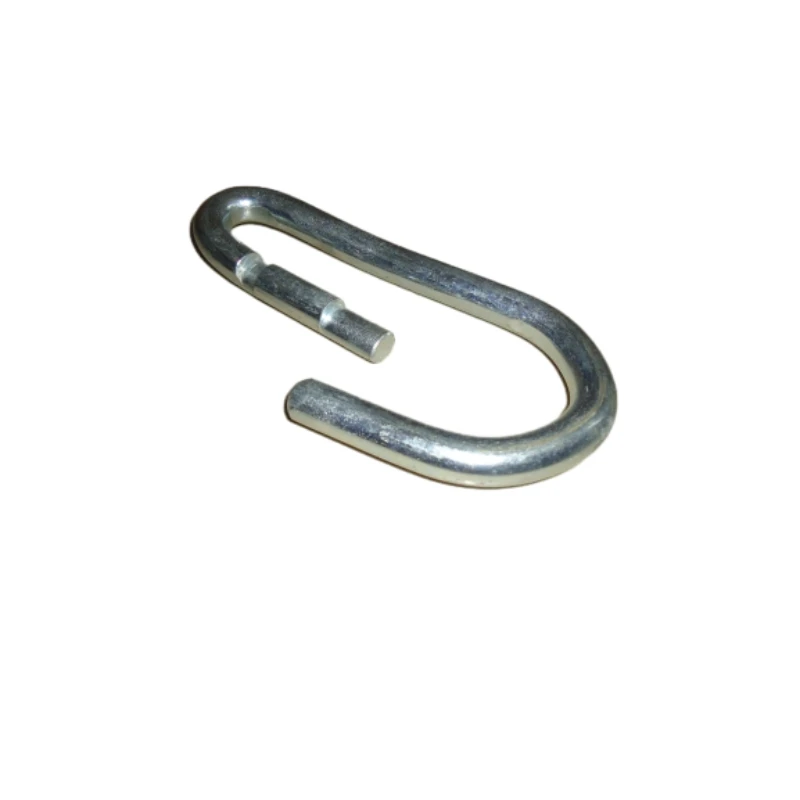
Simply put, concrete form ties are metal rods or wire systems used to hold together plywood panels that form a mold (or “formwork”) where concrete is poured. After the concrete cures, these ties are removed or broken off. Without them, the pressures exerted by wet concrete would bow or rupture the formwork.
Their design and material composition connect deeply to modern industry goals—think modular construction, renewable materials, and safety compliance—while also serving humanitarian needs: quick-deployment shelters, sewer structures, or water systems in remote zones, for example.
Mini takeaway: At their core, these ties marry metal strength with just enough flexibility to keep concrete forms stable — a quiet yet complex engineering dance.
Key Factors Behind Effective Concrete Form Ties for Plywood
Durability and Strength
The ties must withstand immense lateral pressure from the poured concrete, sometimes exceeding 5000 psi in structural applications. Steel ties, often galvanized or epoxy-coated, resist rust and corrosion—critical in wet or humid environments.
Compatibility with Plywood Systems
Concrete form ties are tailored to fit standard plywood thicknesses and panel sizes, ensuring tight, gap-free molds. The hardware should allow for easy installation and removal without damaging the plywood, preserving panel life and saving money.
Adjustability and Scalability
Some ties feature adjustable lengths or reusable clips, catering to various form sizes—from small foundations to large bridge piers—offering flexibility on-site.
Cost Efficiency
With multiple pours on job sites, reusable ties reduce costs. But even disposables have competitive pricing when factoring in labor savings and reduced form damage.
Environmental Impact
Sustainable engineering favors ties made from recyclable or lower-carbon footprint materials, while innovations in coatings reduce harmful chemical use—all to meet evolving ISO standards.
Safety and Compliance
Robust design minimizes form blowouts, protecting workers and structural integrity. Many ties adhere to local standards like ASTM or EN norms.
Mini takeaway: For engineers and site managers, choosing concrete form ties for plywood boils down to balancing strength, flexibility, economy, and eco-friendliness.
Worldwide Applications: From Metropolises to Remote Fields
Concrete form ties for plywood find use everywhere concrete goes up. In North American cities, they support high-rise foundations. European contractors depend on standardized form ties to maintain efficiency under tight regulations. In Asia, fast urbanization demands scalable, cost-effective systems to meet skyscraper timelines.
Oddly enough, they’re equally critical in humanitarian zones. For example, NGOs repairing bridges post-earthquake in Nepal rely on ties compatible with local plywood forms to speed relief infrastructure. In sub-Saharan Africa, form ties enable water tank construction with limited heavy equipment.
Mini takeaway: The humble form tie quietly underpins projects—from mega-malls to emergency shelters—proving their global versatility.
Advantages and Long-Term Value of Concrete Form Ties for Plywood
- Cost Savings: Reusable ties reduce waste and allow more efficient labor.
- Durability: Quality materials mean fewer failures and safer structures.
- Sustainability: Advances in materials and design cut carbon footprints and improve recyclability.
- Operational Efficiency: Quick assembly and removal save days on projects.
- Social Impact: Reliable formwork supports housing and infrastructure that improve lives worldwide.
There’s also an emotional component: knowing that the form ties ensure workers and future occupants' safety can’t be underestimated. Trust in construction materials goes beyond specs—it’s about human lives.
Mini takeaway: The value of concrete form ties for plywood is both measurable and deeply felt, blending engineering with human need.
Future Trends & Innovations in Concrete Form Tie Technology
Lately, we see interesting shifts: form ties integrating sensors to monitor stress during curing, reducing failures before they happen. Biodegradable coatings and low-carbon steel alloys offer greener lifecycles.
Automation in fabrication and digital tracking ensures ties are recycled or reused optimally—cutting waste. Plus, additive manufacturing (3D printing) hints at custom form ties made on site—imagine near-zero inventory needs.
Mini takeaway: The future of concrete form ties for plywood is a blend of smart tech and sustainability—building smarter, lighter, and greener.
Common Challenges and How Experts Are Tackling Them
Despite advances, issues persist: rust on ties stored improperly, inconsistent quality in cheap imports, labor unfamiliarity with new systems, and variable plywood panel standards can cause failures or delays.
Contractors increasingly rely on certified suppliers and training to overcome these issues. Innovations in durable coatings help with corrosion, while modular tie designs simplify usage. Cross-industry collaborations (between formwork manufacturers and plywood producers) improve compatibility.
Mini takeaway: Each challenge pushes innovation further, but nobody denies that expertise and material quality still play outsized roles.
Product Specification Table: Typical Concrete Form Ties for Plywood
| Specification | Details |
|---|---|
| Material | Carbon steel, galvanized or epoxy coated |
| Length Range | 300mm to 1500mm adjustable |
| Tensile Strength | 550 MPa (typical) |
| Coating | Hot-dip galvanization or epoxy resin |
| Compatibility | Designed for 15–21 mm plywood thickness |
| Reusable | Yes, with proper handling |
Comparing Popular Vendors of Concrete Form Ties for Plywood
| Vendor | Key Offerings | Price Range (per 100 units) | Lead Time | Geographic Reach |
|---|---|---|---|---|
| FormTie Pro | Galvanized steel, adjustable length | $150 - $200 | 2-3 weeks | North America, Europe |
| TieMaster Inc. | Epoxy-coated, reusable clips | $140 - $180 | 1 week | Global |
| SteelLink Solutions | Cost-effective, standard sizes | $120 - $160 | 3-4 weeks | Asia, Europe |
Frequently Asked Questions About Concrete Form Ties for Plywood
- Q1: How do concrete form ties for plywood improve construction speed?
- A: These ties simplify panel alignment and reduce form failure risk, enabling faster pours and less rework. Their adjustability and ease of installation also cut setup time, which accelerates entire project workflows.
- Q2: Can concrete form ties be reused safely across multiple construction projects?
- A: Yes, if handled correctly. Reusable form ties made from coated steel can last several cycles but must be inspected for corrosion or deformation to ensure safety and effectiveness.
- Q3: Are there eco-friendly options available for concrete form ties for plywood?
- A: Absolutely. Manufacturers now offer ties with lower-carbon steel, biodegradable coatings, and designs that facilitate recycling. This aligns with green building certifications and evolving environmental standards.
- Q4: What standards cover concrete form ties for plywood?
- A: ASTM standards like ASTM A47 govern the steel wire used, while EN 1542 covers formwork accessories. Compliance ensures quality and safety across most jurisdictions.
- Q5: How do I select the right length and type of tie for my plywood formwork?
- A: Selection depends on concrete thickness and panel spacing. Adjustable ties offer flexibility, but always consult manufacturer charts or an engineer to match tie length and strength to your project's specs.
Conclusion: Why Investing in Quality Concrete Form Ties for Plywood Pays Off
Long story short, concrete form ties for plywood are more than just everyday materials; they’re foundations of safety, efficiency, and sustainable construction practices worldwide. Whether you’re an engineer, contractor, or project manager, paying attention to these details saves money, time, and potentially lives.
Curious to learn more or upgrade your formwork systems? Don’t forget to check out our range at https://www.wrkformwork.com — your partner in smarter, safer concrete forming.
References:
1. World Bank - Urban Development Data
2. Wikipedia - Formwork
3. International Organization for Standardization (ISO)
Latest News
-
Adjustable U Jack: Essential Guide to Specifications, Applications & VendorsNewsDec.03,2025
-
Adjustable U Head Jack: Essential Guide to Benefits, Specs & Global UseNewsDec.03,2025
-
What Is an Adjustable U Head? Benefits, Uses & Supplier Comparison in ConstructionNewsDec.03,2025
-
Steel Joint Connector Nut: Essential Fastening Solutions for Modern InfrastructureNewsDec.02,2025
-
Nut Connector: Key Roles, Applications & Innovations in Modern IndustryNewsDec.02,2025
-
Nut Adaptor: A Key Component Bridging Industry Standards and Enhancing Assembly EfficiencyNewsDec.02,2025