Dec . 02, 2025 01:10 Back To List
Formwork Tie Nut: The Essential Connector in Modern Construction
Understanding the Formwork Tie Nut: Essential in Modern Construction
When it comes to construction, especially concrete structures, the phrase formwork tie nut might not come up in everyday conversation, but its role is nothing short of vital. Globally, formwork systems are the unsung heroes, shaping buildings, bridges, and infrastructure projects we rely on daily. The tie nut itself, while small, is central to ensuring these temporary molds hold fast during concrete pouring. So why does understanding this simple component matter? Because it directly influences the safety, durability, and efficiency of construction projects worldwide.
Introduction: The Global Importance of Formwork Tie Nuts
Concrete remains the world’s most widely used construction material — accounting for nearly 30 billion tons annually (Wikipedia). Behind every concrete pour is a complex assembly of formwork components, and tie nuts are the connectors keeping it all together under immense pressure. Despite the humble appearance, failing formwork leads to structural defects or dangerous accidents, raising costs and endangering lives.
The United Nations’ stance on resilient infrastructure (SDG 9 – Industry, Innovation and Infrastructure) highlights sustainable and strong construction as a priority. Formwork tie nuts, therefore, aren’t just hardware—they’re crucial in meeting quality and safety standards globally. Countries investing in infrastructure—from rapidly growing urban centers in Asia to post-disaster reconstruction zones—rely heavily on trusted formwork components like these.
What is a Formwork Tie Nut?
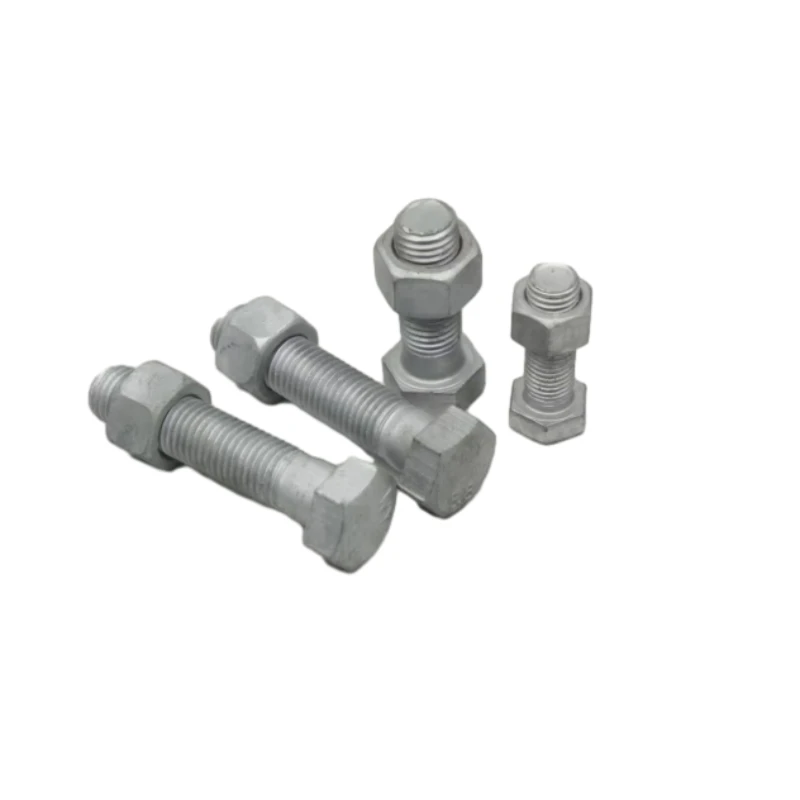
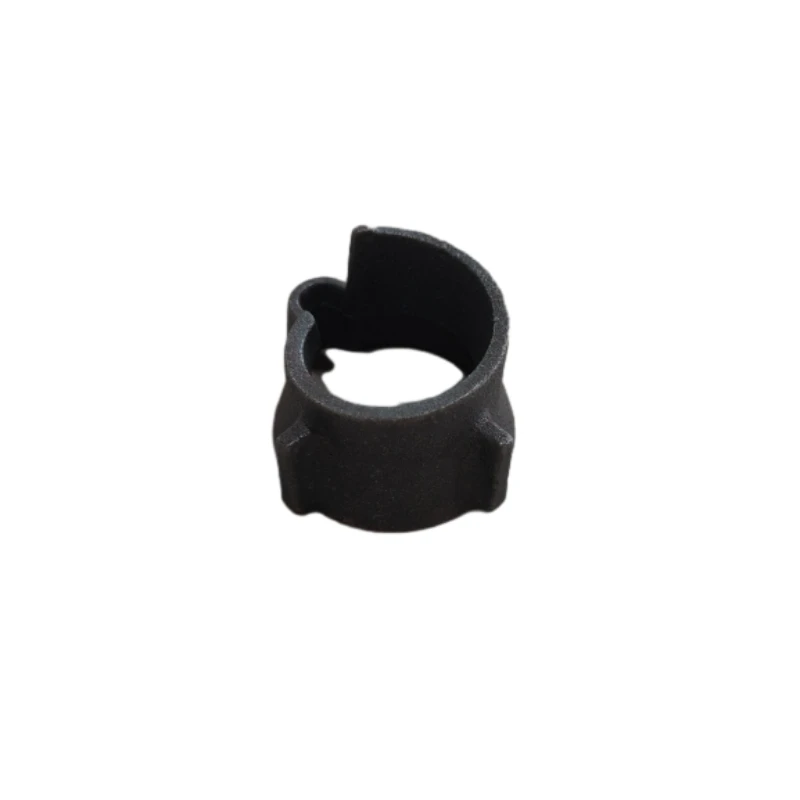
Put simply, a formwork tie nut is a fastening device used to secure formwork ties—steel rods or wires that hold opposing formwork panels together. When concrete is poured, it pushes outward with great force, and these tie nuts help resist this pressure by locking the ties in place, preventing the forms from bowing or bursting.
The connection might sound mundane, but it’s actually a key part of modern construction processes. From skyscrapers to quick-deploy humanitarian shelters, formwork tie nuts enable the creation of stable molds that support concrete setting properly and on schedule.
Core Components and Characteristics of Formwork Tie Nuts
- Durability: Typically made from galvanized steel or high-strength alloys, these nuts resist corrosion and rust, essential on job sites exposed to the elements.
- Compatibility: Designed to fit specific tie rod diameters, ensuring a snug, secure fit that won’t loosen under vibration or pressure.
- Ease of Use: Often threaded with standard profiles so workers can quickly assemble or dismantle formwork efficiently.
- Load Capacity: Engineered to withstand specific tensile forces, critical for preventing formwork failure.
- Reusability: Good quality tie nuts often can be cleaned and reused multiple times, improving cost-efficiency and sustainability.
In real terms, these features translate to faster construction cycles, fewer safety hazards, and lower material waste — quite a win-win.
Product Specifications at a Glance
| Specification | Detail |
|---|---|
| Material | Galvanized Steel, Stainless Steel |
| Thread Size | M20, M24 (common sizes) |
| Tensile Strength | ≥ 600 N/mm² |
| Surface Finish | Hot-dip galvanized or zinc-plated |
| Applications | Residential, Commercial, Infrastructure Projects |
How Formwork Tie Nuts Are Used Around the World
In Asia’s booming construction markets, especially China and India, formwork systems equipped with reliable tie nuts speed up large-scale urban development projects. Likewise, European standards (like ISO 9001 for quality management) push manufacturers to develop nuts with traceable certifications for safer construction.
Post-disaster recovery scenarios are another critical application. For example, after the 2010 earthquake in Haiti, quick-assembly concrete shelters required sturdy formwork components to rebuild homes swiftly and safely. Even remote industrial sites in Africa or South America rely on modular construction, where formwork tie nuts help piece together rigid molds despite challenging logistics.
In short, if there’s concrete, there’s a need — and anywhere from highway bridges in the USA to flood-resistant homes in Southeast Asia, formwork tie nuts quietly bear the load.
Comparing Popular Formwork Tie Nut Vendors
| Vendor | Material Quality | Price Range (USD) | Certifications | Lead Time |
|---|---|---|---|---|
| WRK Formwork | Galvanized Steel (AISI 304 option) | $$ | ISO 9001, CE | 1-2 weeks |
| ConTech Supplies | Standard Steel, Zinc-Plated | $ | ISO 14001 | 2-3 weeks |
| GlobalForm | Stainless Steel Options | $$$ | CE, AISC | 3-4 weeks |
Advantages and Long-Term Benefits
The right formwork tie nut offers more than just a secure hold. There’s a real emotional side to it—knowing that the structure will be safe, that workers aren’t put at unnecessary risk, and that the project stays on schedule. From a financial standpoint, reusable and corrosion-resistant tie nuts drastically reduce costs in repairs and replacements.
Socially, solid infrastructure fosters community trust and dignity. For example, when NGOs build housing after natural disasters, sturdy formwork—and by extension, reliable tie nuts—means families can move into safe and lasting homes faster.
What’s Next? Future Trends & Innovations
Looking ahead, the industry is exploring lighter, stronger materials like composites or recycled alloys to make tie nuts that weigh less but hold more. Digitally, there’s talk of smart components fitted with sensors that monitor load and stress in real time during concrete curing—a game-changer for quality assurance.
And of course, sustainability is front and center. Hot-dip galvanizing processes are being improved to reduce environmental impact, and manufacturers are leaning on ISO 14001 standards to elevate eco-consciousness across production lines.
Challenges & Solutions
Though indispensable, formwork tie nuts face issues like corrosion in salty coastal environments or damage from repeated use. Experts recommend careful maintenance regimes and standardized thread specifications to minimize failure rates. Automation in threading and quality inspection is also helping catch defects earlier, mitigating onsite risks.
FAQ: Common Questions About Formwork Tie Nuts
- Q: How does a formwork tie nut differ from a regular nut?
A: Formwork tie nuts are specifically designed to lock formwork tie rods securely to resist heavy concrete pressure. They feature robust threading and corrosion resistance, unlike standard nuts meant for lighter applications. - Q: Can formwork tie nuts be reused after a project?
A: Yes, high-quality tie nuts can often be cleaned and reused multiple times, provided they are inspected for wear or damage, improving cost-effectiveness. - Q: What standards ensure the quality of formwork tie nuts?
A: Certifications such as ISO 9001 for quality management and CE marking indicate that the tie nuts comply with international safety and material standards. - Q: Are formwork tie nuts suitable for all concrete projects?
A: Generally, yes. However, specific sizes and materials are matched to project requirements, such as load demands and environmental conditions. - Q: Where can I find trusted suppliers of formwork tie nuts?
A: Trusted vendors like WRK Formwork provide certified, tested products with support services tailored to global construction needs.
Conclusion: Building Stronger Futures, One Tie Nut at a Time
To sum up, the formwork tie nut might seem a tiny piece in the vast puzzle of construction—but the whole structure depends on this component holding firm under pressure. Its impact stretches from local building sites to international humanitarian projects, improving safety, efficiency, sustainability, and trust. If you want to explore trusted options or learn more about cutting-edge formwork solutions, don’t hesitate to visit our website at WRK Formwork. Because in construction, even the smallest parts build the biggest stories.
Mini takeaway: Quality formwork tie nuts not only secure concrete forms—they secure the success and safety of entire projects globally.
References:
1. Concrete - Wikipedia
2. United Nations Sustainable Development Goal 9
3. ISO Standards Database, ISO 9001 Quality Management
Latest News
-
Adjustable U Jack: Essential Guide to Specifications, Applications & VendorsNewsDec.03,2025
-
Adjustable U Head Jack: Essential Guide to Benefits, Specs & Global UseNewsDec.03,2025
-
What Is an Adjustable U Head? Benefits, Uses & Supplier Comparison in ConstructionNewsDec.03,2025
-
Steel Joint Connector Nut: Essential Fastening Solutions for Modern InfrastructureNewsDec.02,2025
-
Nut Connector: Key Roles, Applications & Innovations in Modern IndustryNewsDec.02,2025
-
Nut Adaptor: A Key Component Bridging Industry Standards and Enhancing Assembly EfficiencyNewsDec.02,2025