Dec . 01, 2025 23:45 Back To List
Complete Guide to Formwork Anchor Nut in Modern Construction
Understanding the Formwork Anchor Nut: A Key to Modern Construction Stability
When you think about large concrete structures—skyscrapers, bridges, or even simple foundations—you might not immediately consider the humble component that supports them all: the formwork anchor nut. Yet, this small but mighty piece plays a pivotal role in ensuring structural integrity during construction phases worldwide. Why does this simple fastener matter so much on a global scale? Well, the formwork anchor nut is essential not just for holding formwork securely but also for enabling safer, faster, and more cost-efficient concrete construction.
A better grasp of this component translates to improved project outcomes from high-end commercial buildings in New York to emergency shelters in earthquake zones. Let's dive in.
Introduction: The Global Context of Formwork Anchor Nut
Concrete is the most widely used man-made material globally, with estimates suggesting that humanity produces over 10 billion tons annually — a statistic highlighted by the Wikipedia page on cement. This vast volume depends heavily on efficient and reliable formwork systems to shape and support concrete until it solidifies.
Modern construction projects span every continent, from developed urban hubs to remote infrastructure sites. The formwork anchor nut is a vital part of this ecosystem. By securing the connection between the formwork and the base structure, it addresses challenges like:
- Preventing formwork displacement under hydraulic pressure
- Reducing labor time with easier assembly and dismantling
- Maintaining safety margins on unstable or uneven sites
Moreover, global standards like those from ISO (International Organization for Standardization) emphasize the need for quality fastening components to ensure overall structural safety.
What Exactly Is a Formwork Anchor Nut?
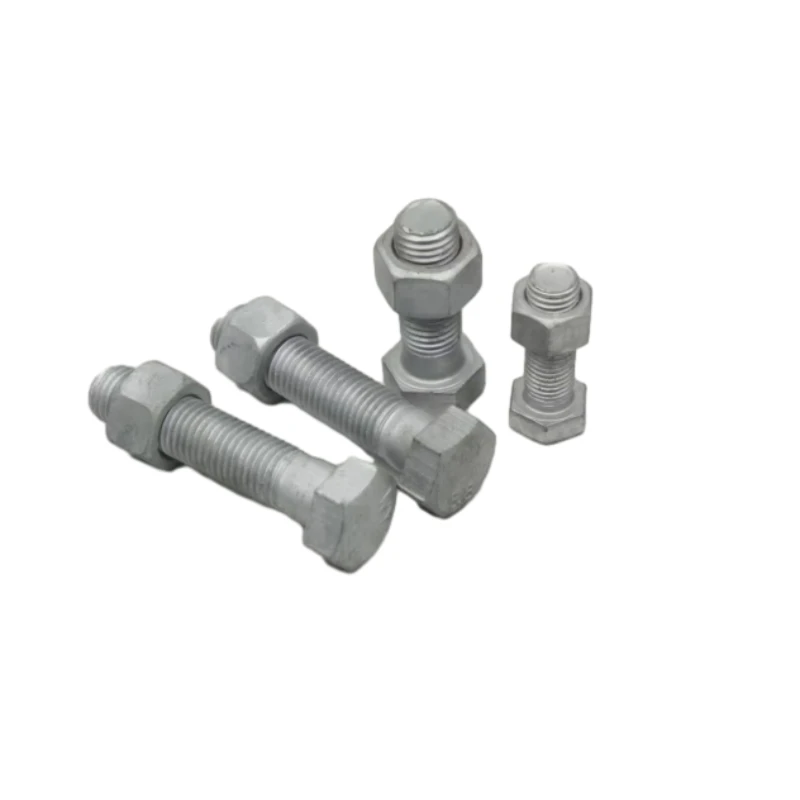
In simple terms, a formwork anchor nut is a threaded fastener designed to secure the formwork panels to anchor bolts embedded in concrete or other substrates. It acts like the lock on the anchor bolt, ensuring the formwork stays tightly in place during the critical curing period of concrete.
Think of the formwork anchor nut as the unsung hero, holding the temporary molds that shape concrete structures until they gain enough strength to stand alone — a concept fundamental to modern construction and large-scale projects like hospitals, dams, and even temporary shelters in humanitarian relief.
Core Components and Key Features of Formwork Anchor Nuts
1. Durability and Material Strength
These nuts are usually made from high-grade steel, often galvanized to resist corrosion. Since formwork is exposed to moisture, chemicals, and outdoor elements, durability is non-negotiable. The nuts must maintain strength under consistent load and resist wear from frequent installation cycles.
2. Threading and Compatibility
The thread design—sometimes coarse, sometimes fine—is crucial. It must match the bolts perfectly to avoid slippage. In real terms, improper threading can lead to accidents or project delays.
3. Ease of Use and Safety
A well-designed formwork anchor nut allows quick tightening and loosening with minimal tools, reducing labor hours. Also, safety features such as chamfered edges prevent injuries. In chaotic sites, these little details count.
4. Cost Efficiency
While cheap nuts might save upfront, they often lead to higher long-term costs due to replacement and failure risks. The balance between quality and cost is a frequent engineering debate.
5. Scalability for Different Project Sizes
From small residential projects to mega bridges, the nut sizes and specifications vary, and flexibility is key.
Product Specification Table: Typical Formwork Anchor Nut Details
| Specification | Description |
|---|---|
| Material | Carbon steel, galvanized or stainless steel options |
| Thread size | Common sizes: M16, M20, M24 |
| Surface finish | Hot-dip galvanized for corrosion resistance |
| Standard compliance | ISO 4014, ASTM A193, EN 14399 |
| Load rating | Up to 50 kN (depending on spec) |
Global Applications and Use Cases
Formwork anchor nuts have their place on every construction site worldwide. Here are some prominent examples:
- Urban High-Rises: In cities like Shanghai or Dubai, these nuts secure complex formworks subject to wind load and large concrete pours.
- Post-Disaster Relief Structures: NGOs use modular formwork anchored with reliable nuts to build shelters rapidly after earthquakes or hurricanes in regions like Southeast Asia or Central America.
- Remote Industrial Projects: Mining or oil extraction platforms in harsh climates rely on durable formwork anchor nuts that tolerate environmental extremes.
- Bridge and Infrastructure Projects: The nuts help keep the shaping molds steady during the curing of massive piers and decks — think California’s infrastructure retrofits or European motorway expansions.
It's fascinating how such a small piece travels across continents and industries, you know?
Vendor Comparison Table: Leading Formwork Anchor Nut Suppliers
| Vendor | Material Quality | Pricing | Lead Time | Special Features |
|---|---|---|---|---|
| WRK Formwork | High-grade galvanized steel | Competitive | 2-3 weeks | Custom sizing, eco-friendly packaging |
| GlobalFasteners Ltd. | Stainless steel options | Mid-range | 1-2 weeks | Bulk discounts |
| BuildSecure Inc. | Varied steel grades | Higher end | 3-4 weeks | Special anti-corrosion treatment |
Advantages and Long-Term Value of Formwork Anchor Nuts
Why focus on these nuts at all? The tangible benefits are easy to see:
- Safety: A secure formwork fastening reduces costly accidents and structural failure risks.
- Cost Savings: Durable nuts reduce replacement needs and downtime.
- Sustainability: Reusable formwork systems supported by quality anchor nuts cut down on waste.
- Social Impact: In humanitarian projects, speed and reliability mean safer shelters and dignified living spaces under emergency conditions.
Oddly enough, these nuts embody a quiet innovation enabling trust between architects, engineers, and workers. They're the foundation of confidence in every concrete pour.
Future Trends & Innovations
The construction machinery landscape is evolving. Emerging technologies will shape formwork components too, including:
- Advanced Coatings: Nanotechnology-based anti-corrosion layers to extend nut lifespan.
- Material Innovation: Lightweight alloys or composite materials for easier handling without sacrificing strength.
- Digital Monitoring: Smart nuts embedded with sensors to track tension and environmental conditions in real-time.
- Green Manufacturing Practices: Sustainable steel sourcing and recycling integrated into production to reduce environmental footprints.
These shifts suggest formwork anchor nuts won’t just hold molds—they'll also hold data and materialized sustainability values.
Challenges & Practical Solutions
A few challenges keep popping up. Corrosion remains a nemesis especially in saline or humid climates. Some formworks face misalignment due to improper tightening or low-quality nuts. Also, sourcing consistent quality nuts in remote areas can be tricky.
Expert advice: Always partner with reputable suppliers like WRK Formwork, and prioritize training onsite teams for correct installation.
FAQ: Frequently Asked Questions About Formwork Anchor Nuts
- Q: How do I choose the right formwork anchor nut size?
A: Match the nut size to the anchor bolt diameter and expected load. For typical concrete formworks, M16 to M24 sizes are common. Check manufacturer specs to ensure compatibility. - Q: Can formwork anchor nuts be reused?
A: Yes, if inspected for damage or corrosion. High-quality nuts with anti-corrosion coating withstand multiple uses, making them cost-effective over time. - Q: Are stainless steel nuts better in marine environments?
A: Generally, yes. Stainless steel offers superior corrosion resistance in salty environments but comes at a higher price. It’s a trade-off between durability and budget. - Q: What tools are recommended for tightening formwork anchor nuts?
A: Standard wrenches or torque wrenches designed for your nut size are best. Torque control ensures nuts aren’t over-tightened, reducing damage risk. - Q: How quickly can formwork anchored with these nuts be dismantled?
A: Thanks to their design, formworks can often be stripped within 24-48 hours after pouring, depending on concrete curing time and site conditions.
Conclusion: Why Formwork Anchor Nuts Matter Long-Term
Looking back, formwork anchor nuts might seem like a technical footnote, but their influence is everywhere. They support not just concrete but entire infrastructures that shape economies, communities, and safety. Investing in quality formwork anchor nuts means investing in reliable, sustainable construction and impactful humanitarian work.
If you want to explore reliable solutions tailored to your projects, don’t hesitate to visit our website where high-quality products and expert guidance await.
In the end, it’s those little nuts that keep our big buildings standing strong.
References:
Latest News
-
Adjustable U Jack: Essential Guide to Specifications, Applications & VendorsNewsDec.03,2025
-
Adjustable U Head Jack: Essential Guide to Benefits, Specs & Global UseNewsDec.03,2025
-
What Is an Adjustable U Head? Benefits, Uses & Supplier Comparison in ConstructionNewsDec.03,2025
-
Steel Joint Connector Nut: Essential Fastening Solutions for Modern InfrastructureNewsDec.02,2025
-
Nut Connector: Key Roles, Applications & Innovations in Modern IndustryNewsDec.02,2025
-
Nut Adaptor: A Key Component Bridging Industry Standards and Enhancing Assembly EfficiencyNewsDec.02,2025