Dec . 01, 2025 23:05 Back To List
What Is a Formwork Wing Nut? Essential Guide for Construction Professionals
Understanding the Formwork Wing Nut: Small Component, Big Impact
When you first hear “formwork wing nut,” you might think, “Just another nut and bolt, right?” But in the world of construction and concrete molding, this tiny hardware piece is a linchpin—literally. Its role in holding formwork systems together affects everything from building safety to project efficiency. Globally, with infrastructure booming and sustainability goals rising, knowing why this unsung hero matters can save time, money, and headaches on-site. This article unpacks the formwork wing nut and why understanding it is more relevant than ever.
Why Formwork Wing Nuts Matter Globally
The demand for resilient, cost-effective construction has never been higher. According to the World Bank, global infrastructure investment is expected to reach nearly $94 trillion by 2040, especially in developing regions. A big chunk of this involves concrete structures, relying heavily on formwork assembly and disassembly. ISO standards increasingly emphasize construction safety and sustainability, where even small components come under scrutiny.
One nagging issue contractors face worldwide is the downtime caused by inefficient or faulty formwork connections. A formwork wing nut addresses this directly. Because they are designed for quick hand-tightening without special tools, construction crews can speed up assembly lines and reduce labor strain. This matters especially in disaster relief or rapid urban development zones, where time literally means lives and livelihoods.
Mini Takeaway:
- Formwork wing nuts play a vital global role in faster, safer concrete construction.
- They contribute to meeting rising infrastructure needs with efficient, user-friendly design.
What Is a Formwork Wing Nut?
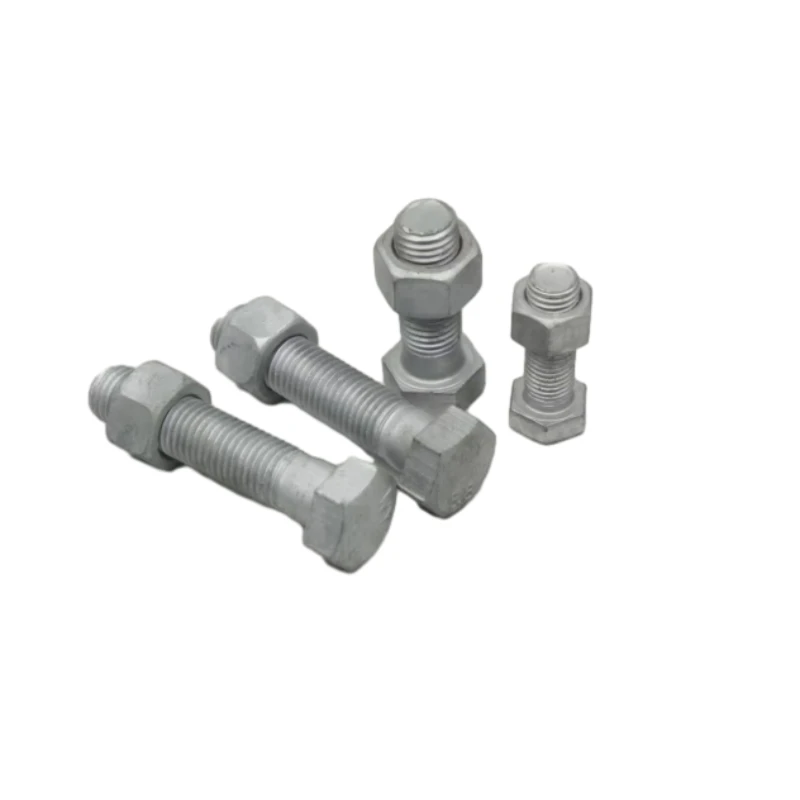
Simply put, a formwork wing nut is a specialized fastener with two opposing “wings” that allow it to be tightened or loosened by hand. It's a critical fixture used in construction formwork systems to secure tie rods that hold concrete molds in place until the slab cures.
Unlike standard nuts, these wing nuts eliminate the need for wrenches during disassembly, which is a huge plus on variable construction sites. The connection is firm but accessible, a balance that’s essential for both speed and safety. Oddly enough, this humble piece ties directly into modern humanitarian challenges: rapid construction in disaster zones, sustainable building techniques, and modular construction.
Mini Takeaway:
- Formwork wing nuts enable tool-free, quick assembly and dismantling of concrete forms.
- They bridge traditional construction methods with emerging industry needs like modularity and speed.
Core Aspects of Formwork Wing Nuts
Durability
Manufactured generally from high-strength steel or sometimes galvanized steel, formwork wing nuts resist corrosion and stress from concrete pressure. Durability ensures they don’t fail mid-project, which could cause dangerous collapses or costly delays. Hot-dip galvanizing is common for projects exposed to harsh weather, boosting longevity significantly.
Ergonomic Design
The “wings” provide a grip friendly to manual tightening—this reduces worker fatigue, especially when hundreds of nuts are involved. Engineers emphasize how ergonomic design both improves efficiency and safety because workers no longer risk injury fumbling with slippery tools or tight spaces.
Compatibility
These nuts match with standard tie rod diameters (often M12 or M16 sizes) and fit modular systems like formwork wing nut assemblies specifically. This compatibility avoids costly custom orders and allows interchangeability across brands and projects.
Cost Efficiency
While a bulk order of formwork wing nuts is an upfront expense, the reduced labor costs—thanks to quick hand tightening—and the reusable nature of these nuts amplify savings over large projects. Plus, less downtime means quicker project turnaround, which stakeholders love.
Specification Table: Typical Formwork Wing Nut
| Specification | Detail |
|---|---|
| Material | Galvanized Steel (Grade 4.6 or 8.8) |
| Standard Sizes | M12, M16 |
| Finish | Hot-Dip Galvanized or Zinc Plated |
| Wing Span | Approx. 40-50 mm |
| Weight | ~50-70 grams |
| Load Capacity | Up to 5 kN (depends on rod size) |
Global Applications & Real-World Use
In fast-growing construction markets like Southeast Asia and Africa, formwork wing nuts support rapid urban expansions. Massive housing projects rely on reliable formwork to keep costs low and timetables on track.
In post-disaster relief efforts—think earthquakes or floods—NGOs choose formwork systems with wing nuts to build shelters quickly and safely, often in challenging environments. The hand-operated design means specialist tools aren't a dependency, easing logistics. For example, Habitat for Humanity cites such components as crucial in their modular home builds.
Industrial zones in colder climates such as Northern Europe use heavy-duty wing nuts with galvanized finishes to withstand freezing temperatures and aggressive chemical exposure from de-icing salt. It’s a niche but vital application.
Mini Takeaway:
- Formwork wing nuts enable construction agility in diverse environments — from megacities to disaster sites.
- They help humanitarian organizations accelerate response times with resilient, simple hardware.
Advantages & Long-Term Benefits of Formwork Wing Nuts
- Cost-saving: Less need for tools and less labor time translate directly into project savings.
- Safety: Easier hand tightening reduces workplace injuries from wrenches or power tools in tight quarters.
- Reusable: Their durability means they withstand multiple project cycles, promoting sustainability.
- Flexibility: Adapt easily to different tie rods and formwork systems due to standardized sizes.
- Social impact: Faster construction means quicker housing and infrastructure for needy communities.
Emotionally speaking, knowing that these little nuts help keep crews safe and projects on schedule adds a sort of quiet dignity to their role—no one thinks about them until they’re missing, of course.
Future Trends: Innovations in Formwork Wing Nuts
Green construction demands continue shaping materials. Newer wing nuts are emerging from stainless steel alloys with added corrosion inhibitors, cutting down on galvanizing chemicals. Also, additive manufacturing (3D metal printing) offers rapid customization of wing nut designs for specialty jobs — odd-sized or reinforced versions tailored per project.
Automation is creeping in, too: digitally tracked formwork kits include smart fastening components that alert supervisors if nuts loosen beyond set thresholds—ideal for large, complex builds.
Addressing Challenges & Finding Solutions
Common issues include occasional cross-threading and corrosion on less expensive units. Experts recommend rigorous quality checks and sourcing from reputable vendors to avoid compromise. For tight spaces where wings get snagged, low-profile variations exist, though a tradeoff with ease of hand tightening is possible.
One innovative approach is integrating wear-resistant coatings combined with ergonomic wing redesigns based on workers’ feedback — a small human-centered design revolution hidden in nuts.
Formwork Wing Nut FAQ
Q1: How do formwork wing nuts improve construction speed compared to traditional nuts?
A1: The wing nut’s hand-operated wings allow for quick tightening and removal without specialized tools, drastically reducing assembly and disassembly times on site. This saves labor hours and simplifies logistics, especially in areas with limited tool availability.
Q2: What materials are best for formwork wing nuts in corrosive environments?
A2: Hot-dip galvanized steel and stainless steel alloys are preferred for resistance against rust and chemical exposure. For harsh environments like coastal or winter maintenance zones, these finishes extend hardware lifespan significantly.
Q3: Can formwork wing nuts be reused safely across multiple projects?
A3: Yes, when inspected for wear and damage, wing nuts are designed for reusability. Proper cleaning and maintenance between uses ensure they retain their strength and durability, supporting sustainability.
Q4: Are custom sizes for wing nuts available for unique formwork systems?
A4: Many manufacturers offer custom fabrication options to accommodate non-standard tie rod sizes or specific ergonomic needs, often through add-on processes like 3D metal printing.
Q5: How do NGOs typically source formwork wing nuts for international disaster relief?
A5: NGOs often partner with specialized suppliers who provide certified and pre-packaged formwork kits, ensuring compatibility and rapid deployment. International import requires compliance with customs and quality standards, which reliable vendors support.
Vendor Comparison Table: Leading Formwork Wing Nut Suppliers
| Supplier | Material Options | Size Range | Certifications | Price Range (per 100 pcs) |
|---|---|---|---|---|
| WRK Formwork | Galvanized, Stainless Steel | M12–M20 | ISO 898-2, CE | $120 – $180 |
| BuildTek Supplies | Galvanized Steel | M10–M16 | ISO 898-2 | $100 – $140 |
| SafeForm Solutions | Stainless Steel Only | M12–M18 | CE, REACH Compliant | $160 – $220 |
Wrapping It Up: Why Formwork Wing Nuts Deserve a Second Look
It surprises some people how much of a ripple effect a small, simple piece of hardware like the formwork wing nut can have on the construction world. From speeding up workflows to boosting safety and long-term sustainability, these nuts are quietly vital.
If you’re involved in concrete construction, infrastructure projects, or even humanitarian relief builds, it’s worth checking out the formwork wing nut options available. Investing in quality here means fewer headaches down the line—and maybe a faster build than you thought possible.
Thanks for sticking with this little dive into something so nuts-and-bolts-ish yet so essential. Projects are complicated, but sometimes the simplest solutions are the best ones.
References:
Latest News
-
Adjustable U Jack: Essential Guide to Specifications, Applications & VendorsNewsDec.03,2025
-
Adjustable U Head Jack: Essential Guide to Benefits, Specs & Global UseNewsDec.03,2025
-
What Is an Adjustable U Head? Benefits, Uses & Supplier Comparison in ConstructionNewsDec.03,2025
-
Steel Joint Connector Nut: Essential Fastening Solutions for Modern InfrastructureNewsDec.02,2025
-
Nut Connector: Key Roles, Applications & Innovations in Modern IndustryNewsDec.02,2025
-
Nut Adaptor: A Key Component Bridging Industry Standards and Enhancing Assembly EfficiencyNewsDec.02,2025