Dec . 01, 2025 22:30 Back To List
Tie Rod for Shuttering Price: A Comprehensive Guide to Global Construction Essentials
Understanding Tie Rods for Shuttering Price: Why It Matters Globally
At first glance, "tie rod for shuttering price" might sound like a dry, niche topic. But dig a bit deeper, and it’s tied to something quite important worldwide: concrete construction. Tie rods are critical components in formwork systems that shape and hold concrete in place during building – think pillars, walls, and slabs. Knowing the price aspects of tie rods isn’t just about dollars and cents; it influences construction budgets, project timelines, and quality standards across industries and humanitarian efforts alike.
Globally, the construction sector accounts for nearly 13% of the world’s GDP according to the World Bank, representing trillions of dollars. Efficient shuttering with cost-effective tie rods keeps projects viable and sustainable, especially in emerging economies with rapid urban growth or disaster recovery zones where speed and safety are paramount.
Global Industry Context: Why Tie Rod Costs Are Under the Spotlight
If you've ever walked past a building site, you know shuttering — the temporary molds for concrete — is everywhere. Behind the scenes, tie rods are the unsung heroes binding these molds tight. But here’s the kicker: price fluctuates based on steel quality, availability, and global demand, with interruptions like tariffs or transport costs rippling through entire regions.
UN data highlights that infrastructure investment gaps in developing nations often boil down to material costs, among other factors. So, understanding tie rod for shuttering price practically means understanding construction feasibility where growth or reconstruction is most urgent. Without cost control, projects risk delays or scaling down—hardly ideal when building for resilience or growth.
What Exactly Does “Tie Rod for Shuttering Price” Mean?
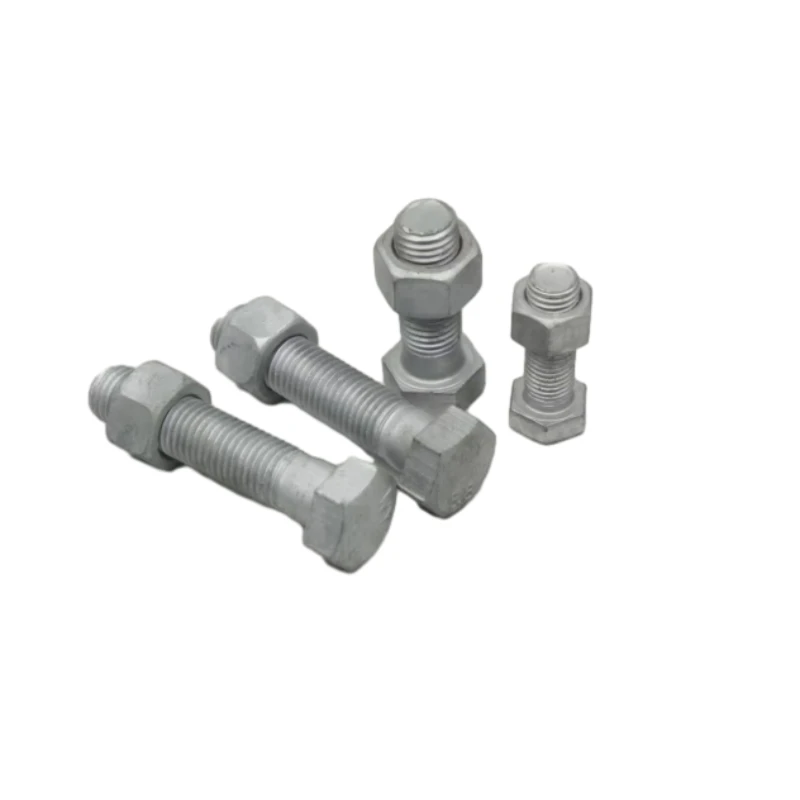
Simply, a "tie rod for shuttering" is a steel bar used to hold and secure shuttering formwork during concrete works. The price tag attached reflects the material grade, manufacturing processes, and market dynamics. But it’s more than numbers. These rods ensure the formwork withstands the immense pressure of wet concrete, keeping everything aligned and safe.
Modern construction increasingly relies on standardized components like tie rods not only for quality but even humanitarian projects, such as post-disaster shelter rebuilds, where fast, robust concrete elements save lives and bring dignity to displaced communities.
Key Factors Influencing Tie Rods and Their Price
1. Material Quality & Grade
The backbone of any tie rod is its steel quality. Higher-grade steel—often conforming to ISO standards—promises durability and strength but costs more. Some manufacturers offer treated rods that resist corrosion, ideal for humid or coastal sites, slightly upping the price but saving future repair expenses.
2. Dimensions & Load Capacity
Tie rods come in varying diameters and lengths depending on the shuttering size. Larger projects call for thicker rods that can withstand more tension, naturally leading to increased material costs.
3. Manufacturing Process
Cold-rolled versus hot-rolled rods, threading, and finishing treatments impact cost and performance. For example, precision threading required for certain nuts and couplers adds to manufacturing complexity—and the final price.
4. Market Demand & Supply Chain
Steel price volatility can’t be overstated. Political factors, global demand surges (say, a building boom in Asia or Africa), and transport bottlenecks also influence tie rod prices unpredictably.
5. Vendor Reliability & Warranty
Choosing a vendor with quality assurance and support might cost more upfront but prevents costly failures or downtime later, particularly on major infrastructure projects.
Typical Product Specifications of Tie Rod for Shuttering
| Specification | Typical Range | Remarks |
|---|---|---|
| Steel Grade | SAE 1018 to 1020 | Common low carbon steel for strength |
| Diameter | 10mm to 30mm | Depends on shuttering size |
| Length | 0.5m to 3m+ | Customizable per project needs |
| Finish | Galvanized, Painted, Plain | For corrosion resistance |
| Tensile Strength | 400 – 550 MPa | Ensures anchor capability |
Global Vendors: A Quick Comparison
Picking a supplier? Here’s a glance at some popular tie rod vendors worldwide. Obviously, pricing varies greatly by volume, logistics, and customization.
| Vendor | Price Range (per 1m rod) | Steel Grade Offered | Shipping Regions | Warranty & Support |
|---|---|---|---|---|
| Global Steel Co. | $12 - $18 | 1018, 1020 | Worldwide | 2 years, on-call |
| RapidForm Solutions | $15 - $22 | Treated Steel | Asia, Africa | 3 years, onsite support |
| EcoBuild Manufacturers | $13 - $20 | Galvanized Steel | Europe, NA | 5 years, extended warranties |
Real-World Uses of Tie Rods in Shuttering
Whether you’re building a skyscraper in Dubai, a hospital in Kenya, or emergency shelters after floods in Southeast Asia, tie rods keep everything tight, aligned, and safe.
- Post-Disaster Recovery: Fast, reliable shuttering helps rebuild housing and public infrastructure quickly. Tie rods ensure that temporary forms don’t fail under pressure.
- Industrial Zones: In remote areas—where replacing faulty parts is costly—durable tie rods reduce downtime during construction.
- Urban Development: Rapid urbanization in developing cities depends on consistent materials priced affordably to meet ambitious timelines.
Mini Takeaway:
Understanding tie rod pricing isn't just accounting—it reflects larger economic and social dynamics worldwide. It’s a piece of a puzzle that builds shelters, hospitals, homes, offices...
The Advantages of Optimized Tie Rod Pricing
When tie rods are affordable yet reliable, the benefits ripple.
- Cost Efficiency: Lower overall project expenses without sacrificing safety.
- Sustainability: Better quality often means longer lifespan and less waste.
- Social Impact: Enables broader access to durable infrastructure, uplifting communities.
- Reliability: Confidence for engineers and laborers alike, reducing risk.
Frankly, saving a few cents on each rod can free budgets for better designs, safety features, or even workforce training. It’s a human story as much as a technical one.
What’s Next? Innovations on the Horizon
Here’s where things get exciting: modern manufacturing and new materials will redefine tie rod pricing and performance. Smart sensors embedded in rods can monitor tension in real-time, digital inventories ease supply chains, and eco-friendly treatments reduce environmental footprints. The push for greener steel production could soon reshape costs too.
Oddly enough, while automation is common elsewhere, many shuttering materials manufacturing plants still rely on manual labor—this will soon change and hopefully lower costs while improving consistency.
Facing Challenges Head-On
Cost aside, sourcing quality tie rods during supply chain crunches or in isolated regions can halt big projects. Corrosion in tropical climates remains a challenge despite galvanization. Plus, mismatched sizes or sub-standard specs from cheaper vendors can cause costly delays or safety hazards.
Experts recommend thorough vendor vetting, real-world testing, and flexible inventory planning to counter these issues. Selecting manufacturers familiar with local conditions often pays dividends.
FAQ: Tie Rod for Shuttering Price
- Q1: How can I estimate tie rod requirements and costs for a mid-sized construction project?
- A1: Start by assessing the shuttering size and load requirements. Consult engineering specs for rod diameters and lengths needed. Multiply by current market prices, allowing for 10-15% contingency on supply fluctuations.
- Q2: Are galvanized tie rods worth the extra price in humid climates?
- A2: Absolutely. Galvanization extends rod lifespan by preventing rust, reducing long-term maintenance costs—especially critical in coastal or tropical areas.
- Q3: Can tie rod prices vary significantly by region?
- A3: Yes. Factors like local steel production, tariffs, transport logistics, and vendor competition cause notable price differences worldwide.
- Q4: What standards ensure the quality of tie rods?
- A4: ISO 6935 and ASTM A615 are among the key standards specifying mechanical properties and chemical composition of steel rods.
- Q5: How do volume purchases affect tie rod pricing?
- A5: Bulk orders usually attract discounts and better shipping terms. Planning purchases ahead can lock in rates and avoid shortages.
Conclusion
The price of tie rods for shuttering — a seemingly small detail — actually carries substantial weight (pun intended) in the global construction ecosystem. Understanding its nuances helps engineers, buyers, and planners make smarter decisions that balance cost, quality, and timelines. Whether you’re erecting a high-rise or rebuilding a village, the right tie rod can keep the project firmly on track.
If you want to stay ahead of the curve on tie rod for shuttering price and related formwork solutions, do check out our website where we’re constantly updating resources and offers tailored to your needs.
Final Mini Takeaway:
Cost, quality, and availability of tie rods are interwoven threads in the fabric of safe, sustainable construction. Knowing your price point might just be the smartest foundation to start from.
References
Latest News
-
Adjustable U Jack: Essential Guide to Specifications, Applications & VendorsNewsDec.03,2025
-
Adjustable U Head Jack: Essential Guide to Benefits, Specs & Global UseNewsDec.03,2025
-
What Is an Adjustable U Head? Benefits, Uses & Supplier Comparison in ConstructionNewsDec.03,2025
-
Steel Joint Connector Nut: Essential Fastening Solutions for Modern InfrastructureNewsDec.02,2025
-
Nut Connector: Key Roles, Applications & Innovations in Modern IndustryNewsDec.02,2025
-
Nut Adaptor: A Key Component Bridging Industry Standards and Enhancing Assembly EfficiencyNewsDec.02,2025