Jan . 27, 2026 17:55 Back To List
Comprehensive Guide to Water Stopper PVC Selection and Application
Choosing the Right Water Stopper PVC for Your Project
Effective water management is crucial in a variety of construction and infrastructure projects. A key component of this is the proper implementation of water stopper PVC, designed to prevent water ingress in concrete structures. This article will provide a comprehensive overview of water stopper PVC, its applications, benefits, types, and how to select the best option for your specific needs. Understanding these details ensures the longevity and integrity of your construction projects, minimizing costly repairs and maintenance.
What is Water Stopper PVC?
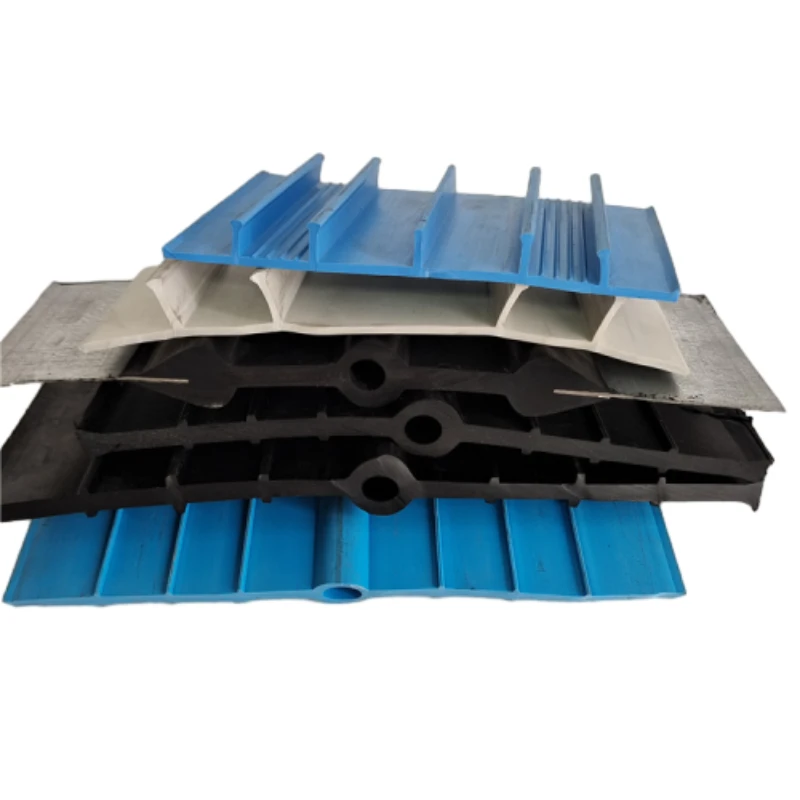
Water stopper PVC, also known as waterstop profiles, are flexible strips typically made from Polyvinyl Chloride (PVC) materials. They're embedded in concrete joints to prevent water from penetrating through cracks and gaps. These are strategically placed within concrete structures during construction, forming a watertight barrier. They’re commonly used in foundations, tunnels, water treatment plants, dams, and other infrastructure where waterproof construction is essential. The flexibility of PVC allows it to accommodate movement and settlement in the concrete, maintaining the water seal over time.
Key Benefits: Prevents water ingress, enhances structural integrity, increases lifespan of concrete structures, cost-effective water management solution.
Types of Water Stopper PVC
Several types of water stopper PVC are available, each designed for specific applications. Understanding the differences is vital for optimal performance. Common types include:
- Center Bulb Waterstop: Features a raised center section (bulb) for enhanced sealing pressure.
- Side Bulb Waterstop: The bulb is located on one or both sides of the strip, offering versatility in placement.
- Flat Waterstop: A simple, flat strip used for non-critical applications.
- Cap Waterstop: Designed for covering existing joints or cracks.
- T-shaped Waterstop: Used in situations where the waterstop needs to span a wider gap or intersect with another waterstop.
Choosing the Right Type:
• Consider the water pressure and potential movement in the joint.
• The type of concrete being used.
• The construction method and joint configuration.
• Consult with a structural engineer for complex applications.
Applications of PVC Waterstops
The versatile nature of water stopper PVC makes it suitable for a broad spectrum of projects. Here are some key applications:
- Foundations & Basements: Preventing water seepage into basements and foundation walls.
- Water Treatment Plants: Ensuring watertight compartments and preventing contamination.
- Dams & Reservoirs: Sealing concrete structures against significant water pressure.
- Tunnels: Preventing groundwater infiltration during construction and operation.
- Swimming Pools: Maintaining watertight pool structures.
- Sewage Treatment Facilities: Ensuring watertight joints in concrete tanks and channels.
PVC Waterstop Specifications & Comparison
Understanding the specifications of PVC waterstops is critical for selecting the right product. Here's a comparison of common specifications:
Installation Best Practices
Proper installation is crucial for the effectiveness of water stopper PVC. Follow these best practices:
- Surface Preparation: Ensure the concrete surface is clean and free of debris.
- Placement: Position the waterstop accurately in the joint before concrete pouring.
- Coverage: Ensure adequate concrete coverage around the waterstop.
- Fixing: Use appropriate fixing methods (e.g., clips, wires) to hold the waterstop in place during pouring.
- Continuous Run: Ensure a continuous, uninterrupted run of the waterstop throughout the joint.
Conclusion: Ensuring Watertight Construction with Quality Waterstops
Investing in high-quality water stopper PVC and following proper installation procedures are essential for durable and watertight concrete structures. WRK Formwork provides a wide range of PVC waterstops to meet your specific project needs. Don’t compromise on quality – choose reliable waterstop solutions for long-lasting performance.
Frequently Asked Questions (FAQs)
What is the expected lifespan of a PVC waterstop?
The lifespan of a PVC waterstop typically ranges from 50 to 100 years, assuming proper installation and exposure to normal environmental conditions. PVC is highly resistant to chemical degradation and weathering, contributing to its longevity. However, exposure to extreme UV radiation or aggressive chemicals can shorten its lifespan. Regular inspections are recommended to identify any signs of deterioration.
Can PVC waterstops be used in saltwater environments?
Yes, PVC is generally resistant to saltwater, making it suitable for marine applications and structures exposed to seawater. However, it’s recommended to use a PVC formulation specifically designed for marine environments to ensure optimal resistance to corrosion and degradation. Proper installation and regular maintenance are still vital for long-term performance.
What is the best way to join PVC waterstops?
Joining PVC waterstops typically involves using a specialized adhesive or welding technique. Overlapping and gluing is a common method for straight runs. For more complex configurations, heat welding provides a stronger, more watertight seal. Always follow the manufacturer's instructions for the specific adhesive or welding process to ensure a secure and reliable connection.
How do I determine the correct size of waterstop for my project?
The correct size of waterstop depends on several factors, including the width and depth of the joint, the expected water pressure, and the potential for movement. It's generally recommended to consult with a structural engineer or waterstop supplier to determine the appropriate size and type for your specific application. Proper sizing is critical to ensure effective sealing and long-term performance.
Latest News
-
High Quality Drywall Corner Metal Strip for Perfect Wall EdgesNewsApr.16,2026
-
Corner Metal for Drywall Guide for Perfect Professional EdgesNewsApr.09,2026
-
Comprehensive Guide to Corner Metal Drywall Installation and Material ChoicesNewsApr.07,2026
-
Comprehensive Guide to Corner Metal Bead for Durable Construction ProjectsNewsApr.04,2026
-
Comprehensive Guide to Corner Drywall Metal Installation and SelectionNewsMar.31,2026
-
Understanding Corner Bit Metal Applications and Sourcing for Robust StructuresNewsMar.28,2026