Nov . 29, 2025 06:50 Back To List
Concrete Form Tie Rods: Essential Strength for Modern Construction
Why Concrete Form Tie Rods Matter in the Modern Construction World
Concrete form tie rods are those unsung heroes in construction, quietly doing their job of holding concrete forms together through the toughest pours. You might not notice them on a sunny construction site, but understanding how these rods work—and why they matter—has ripple effects from structural safety to global infrastructure development. With growing urbanization and the demand for speedy, cost-effective construction, knowing about concrete form tie rods is more than just technical jargon for engineers; it’s critical in building safer, more durable cities worldwide.
The Global Context: Concrete Form Tie Rods and Construction Challenges
Look around – according to the UN, nearly 70% of the global population is projected to live in urban areas by 2050. That’s a colossal amount of infrastructure requiring robust formwork systems to support concrete construction safely. From skyscrapers in Dubai to bridges in emerging economies, concrete form tie rods play a vital role. These components help control form shape against the intense pressures of wet concrete, which can otherwise burst or deform forms, leading to structural flaws or costly delays.
Yet, here’s the wrinkle: many rapidly developing regions face challenges sourcing reliable, cost-efficient tie rods, resulting in safety compromises or over-engineered solutions that inflate budgets. That’s where modern concrete form tie rods come into play, balancing performance and affordability in both commercial and humanitarian projects.
What Exactly Are Concrete Form Tie Rods?
At their core, concrete form tie rods are metal rods inserted horizontally to hold formwork panels in place against the pressure of poured concrete. If you imagine the concrete form as a sturdy box, the tie rods are the tension members holding the sides from pushing outward while the concrete sets.
They’re typically made from steel or sometimes fiberglass, designed for strength and longevity. The rods are integral to construction projects of all sizes, from small housing developments to massive infrastructure like dams or tunnels. Without these rods, forms would simply blow out, causing failures or delays.
Moreover, concrete form tie rods serve humanitarian needs too. In war-torn or disaster-stricken areas, rapid shelter building relies on reusable formwork systems stiffened by these tie rods for speed and reliability.
Key Characteristics of Excellent Concrete Form Tie Rods
Durability and Strength
Steel tie rods must withstand not just the hydrostatic pressure of poured concrete but also multiple cycles of reuse. Corrosion resistance, tensile strength, and flexibility impact their longevity on construction sites.
Ease of Installation
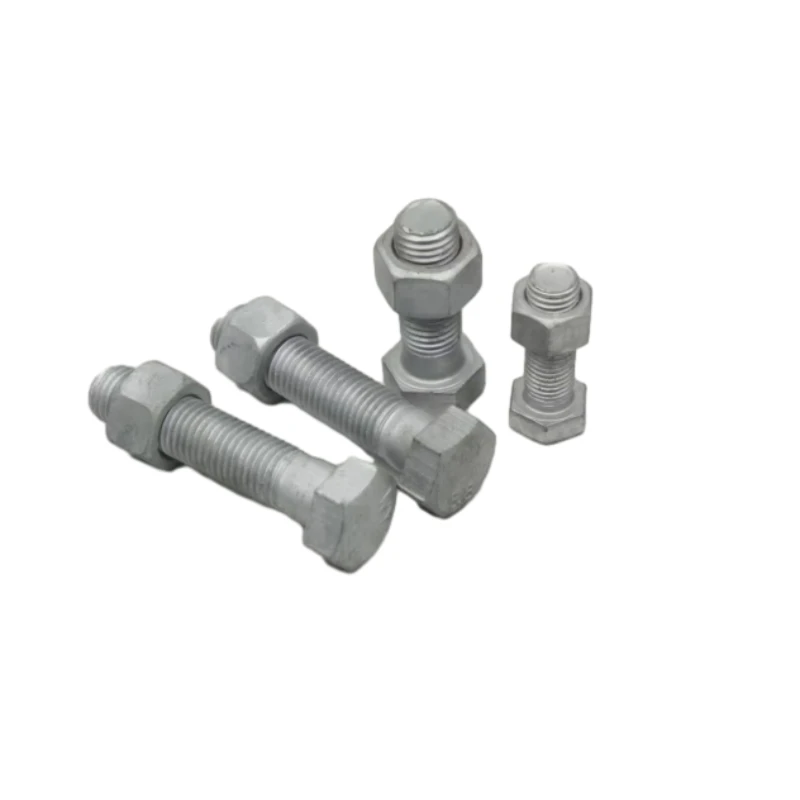
Time is money in construction. Tie rods that allow quick assembly and disassembly – sometimes with proprietary locking nuts or collars – speed up project timelines. Some rods come pre-galvanized or threaded for better handling.
Scalability and Versatility
Tie rods range in diameter and length to fit various form sizes, from tiny residential projects to multi-story concrete walls. Their modularity means they can adapt to diverse structural shapes.
Cost Efficiency
Considering the sheer number of tie rods used on a job, price per unit adds up quickly. Economical tie rods with minimal maintenance extend building budgets without compromising safety.
Sustainability
Green construction increasingly demands recyclable materials. Steel tie rods are recyclable, and innovations in coatings reduce environmental impact. Fiberglass variants offer corrosion resistance and lighter weight but bring disposal concerns.
Where You’ll Find Concrete Form Tie Rods at Work
- Urban Infrastructure Projects: Key to building city bridges, tunnels, and high-rise foundations worldwide.
- Disaster Relief Construction: NGOs use durable formwork systems with tie rods to erect shelters fast after earthquakes or floods.
- Remote Industrial Sites: Mining camps or energy plants depend on rapid, reliable concrete forming enabled by tie rods suited for harsh environments.
- Residential and Commercial Building: Everyday apartments, offices, and retail spaces count on these humble rods to keep walls true and strong.
For example, in Southeast Asia’s flood-prone regions, quick deployment of concrete flood barriers often hinges on formwork stabilized by quality tie rods. Similarly, post-hurricane rebuilding efforts in the Caribbean prioritizes reusable, rust-resistant rods for resilience.
Benefits Beyond the Build: The Long-Term Advantages of Solid Tie Rod Solutions
Cost savings, sure—but also consider safety and trust. Strong, well-made concrete form tie rods reduce the risk of failures or injuries on-site. This translates to fewer delays and claims, which clients, engineers, and contractors appreciate.
They also contribute to sustainability by enabling reusable formwork systems, reducing scrap and waste. Finally, there’s peace of mind knowing your structure’s concrete is properly contained, avoiding costly rework or weakness.
Emerging Trends — What’s Next for Concrete Form Tie Rods?
The construction world isn’t static, and neither are tie rods. Innovations include fiberglass rods with superior corrosion resistance and significantly lower weight, which reduce transport energy and ease handling.
Digitization and automation also creep into formwork, with smart sensors integrated on tie rods to monitor tension and pressure in real-time—a neat trick that promises improved safety and efficiency.
Lastly, sustainability pressures push manufacturers to explore coatings and materials compliant with ISO environmental standards to offer longer service life and recyclability.
Facing Challenges: Problems and Practical Solutions
Despite their importance, concrete form tie rods sometimes fall victim to easy but harmful shortcuts—using undersized rods, reusing damaged ones, or ignoring corrosion risk. That leads to failures that ripple through project timelines.
Experts recommend regular inspection, proper storage, and investing in high-quality rods designed for specific applications. On a larger scale, working with reputable vendors familiar with regional conditions proves invaluable.
Quick FAQs About Concrete Form Tie Rods
- What types of concrete form tie rods are best for coastal regions?
- Galvanized steel or fiberglass tie rods are preferred due to corrosion resistance from salt air exposure. Standard steel rods risk rusting quickly, compromising structural integrity.
- How do tie rods affect concrete curing times?
- While tie rods don’t change curing times directly, they prevent form deformation during curing, ensuring walls and slabs cure to designed shapes which affects overall structural performance.
- Are reusable tie rods truly cost-effective?
- In many cases, yes. Though initial costs are higher, reusable rods reduce long-term expenses related to purchasing and disposal. Proper maintenance extends their life substantially.
- Can NGOs import these solutions internationally?
- Absolutely. Many vendors offer export-ready packages. NGOs should consider certification, shipping logistics, and local building codes when selecting tie rods for global projects.
Product Specifications: Example of a Standard Concrete Form Tie Rod
| Specification | Details |
|---|---|
| Material | High tensile steel, galvanized finish |
| Diameter | 16 mm (5/8 inch) |
| Length | Up to 3.6 meters (12 feet), customizable |
| Tensile Strength | At least 500 MPa |
| Corrosion Resistance | Galvanized layer, can last 5+ years outdoor |
Vendor Comparison: Popular Concrete Form Tie Rod Suppliers
| Vendor | Material Options | Customization | Lead Time | Price Range |
|---|---|---|---|---|
| SteelForm Co. | Steel, Galvanized Steel | Standard lengths & diameters | 2-4 weeks | $$ |
| FibraTie Solutions | Fiberglass, Composite | Custom lengths & tensile ratings | 3-5 weeks | $$$ |
| Global Tie Rods Ltd. | Steel, Galvanized Steel, Custom Coatings | Full customization available | 1-3 weeks | $$$ |
Wrapping It Up: Why Invest in Quality Concrete Form Tie Rods?
Concrete form tie rods might seem like a minor player in the massive landscape of construction, but they’re really the linchpin for safe, efficient concrete forming. From the tight corners of global urban growth to urgent humanitarian efforts, they offer a simple solution to a complex problem — holding things together when it counts most.
When you choose quality rods and trusted suppliers, you’re investing not only in a project’s stability but in long-term safety and sustainability. So if you’re wondering where to start or upgrade your formwork, concrete form tie rods are worth a closer look.
Thanks for reading — don’t underestimate the small parts. Sometimes, it’s the rods beneath the surface that hold your whole future up.
References
Latest News
-
Adjustable U Jack: Essential Guide to Specifications, Applications & VendorsNewsDec.03,2025
-
Adjustable U Head Jack: Essential Guide to Benefits, Specs & Global UseNewsDec.03,2025
-
What Is an Adjustable U Head? Benefits, Uses & Supplier Comparison in ConstructionNewsDec.03,2025
-
Steel Joint Connector Nut: Essential Fastening Solutions for Modern InfrastructureNewsDec.02,2025
-
Nut Connector: Key Roles, Applications & Innovations in Modern IndustryNewsDec.02,2025
-
Nut Adaptor: A Key Component Bridging Industry Standards and Enhancing Assembly EfficiencyNewsDec.02,2025