Nov . 29, 2025 08:25 Back To List
Comprehensive Guide to Concrete Formwork Tie Bars – Strength & Sustainability
Why Concrete Formwork Tie Bars Matter: A Quick Overview
Concrete formwork tie bars might sound like just another piece of construction jargon — but they’re actually essential to building safe, lasting structures worldwide. These seemingly simple metal rods play a crucial role in holding formwork in place during concrete pours, preventing catastrophic failures and ensuring everything lines up perfectly.
Globally, as urbanization ramps up and infrastructure projects expand, knowing about concrete formwork tie bars—and using them correctly—can save money, time, and lives. Plus, their role is growing more important with rising sustainability standards and evolving construction methods, so understanding their benefits today means staying ahead tomorrow.
The Global Context: Why Are Concrete Formwork Tie Bars So Relevant?
Across continents, from sprawling cities to rural development sites, concrete formwork tie bars help keep construction safe and on schedule. According to ISO standards, formwork systems must meet strict mechanical integrity requirements—tie bars make that possible by resisting pressure from wet concrete.
Globally, the concrete industry consumes roughly 4.1 billion tons of cement per year, which means the demand for robust formwork solutions remains sky-high (source: World Cement Association). Yet challenges persist: improper tie bar use can lead to costly form blowouts or dangerous onsite accidents. Often, projects in emerging markets face even greater risks due to limited access to quality materials or skilled labor.
What Exactly Are Concrete Formwork Tie Bars?
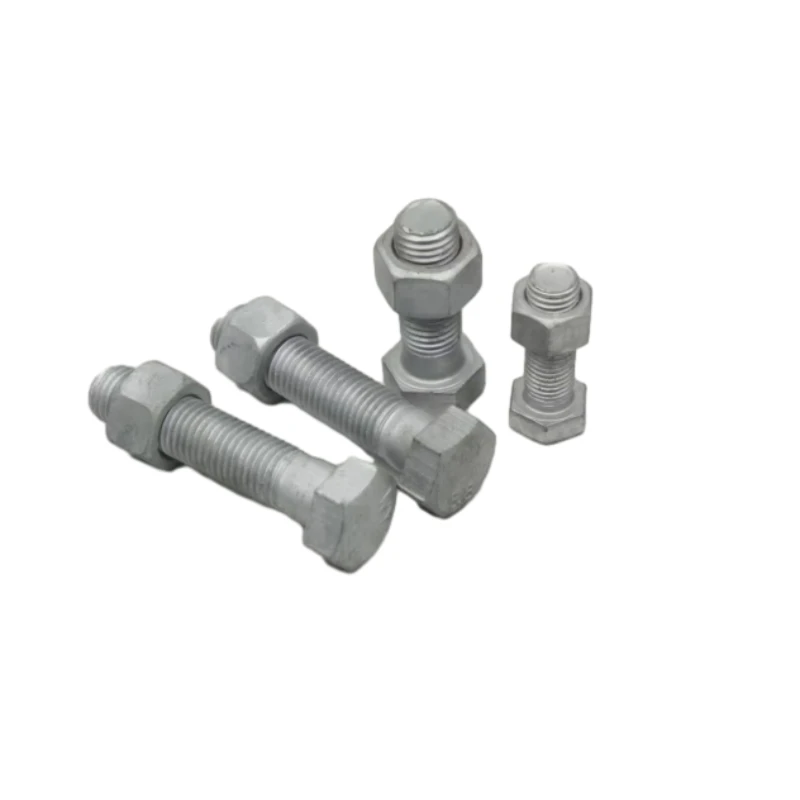
At the core, concrete formwork tie bars are steel rods threaded through formwork panels, holding them tightly together against the heavy pressure of poured concrete. Like the spine of a sturdy book, they keep all the pieces aligned, allowing concrete to cure correctly and gain strength.
In modern construction, tie bars are indispensable — especially in high-rise buildings, bridges, and tunnels. They also meet critical humanitarian needs: in disaster zones or refugee housing projects, quick yet reliable concrete formwork with proper tie bars can mean safe shelters going up fast.
Key Features That Define Effective Tie Bars
1. Durability and Strength
Tie bars are typically made of high-strength steel designed to withstand tensile forces exceeding the pressure of fresh concrete. This durability ensures that during the critical curing phase, formwork won’t bulge or fail unexpectedly.
2. Scalability and Flexibility
Concrete projects come in all shapes and sizes — from giant dams to small footings. Tie bars come in various lengths and diameters, making them adaptable to different formwork designs. Some systems also allow easy reusability, which cuts waste and cost.
3. Cost Efficiency
Good quality tie bars balance upfront cost and long-term savings. Poorly chosen or installed bars can lead to form failure, project delays, or even accidents. On the other hand, the right tie bars reduce labor hours and material waste.
4. Compatibility with Environmental Standards
Increasingly, manufacturers offer galvanized or epoxy-coated tie bars to resist corrosion, especially in harsh climates or marine environments. This aligns with growing sustainability and durability goals in modern construction.
5. Ease of Use and Logistics
Lightweight yet strong tie bars optimize transport and onsite handling. Some innovative systems have quick-connect features for faster assembly — useful in fast-track projects or remote locations.
Mini Takeaway:
Think of concrete formwork tie bars as the unsung heroes holding concrete dreams together — toughness, adaptability, cost sense, and sustainability all rolled into slender steel rods.
Where Are Concrete Formwork Tie Bars Making an Impact Globally?
From mega infrastructure projects in Asia to quick-deploy housing in African communities, tie bars hold an essential spot:
- Urban construction hubs — skyscrapers and underground metro tunnels require intensive formwork support.
- Disaster relief — fast-setting shelters with concrete shells depend on reliable tie bar systems to speed up construction despite resource constraints.
- Remote industrial sites — mining and energy facilities benefit from modular formwork solutions incorporating adaptable tie bars, especially where labor or equipment is limited.
- Bridges and highways — long-span concrete decks demand tie bars that maintain strict tolerances under dynamic loads.
For humanitarian agencies, incorporating concrete formwork tie bars into shelter programs offers safety and dignity for displaced populations — a reminder that these rods are more than steel; they’re a foundation for resilience.
Advantages and The Long-Term Value of High-Quality Tie Bars
Why do professionals swear by premium tie bars? Beyond simply holding formwork, here’s what makes them invaluable:
- Cost savings — fewer form failures translate to less downtime, fewer repairs.
- Sustainability — reusable, corrosion-resistant bars reduce waste and environmental impact.
- Safety and trust — they guarantee structural integrity during critical phases, boosting worker confidence and project reputation.
- Social impact — in developing regions, reliable formwork saves time and resources, helping communities build resilient infrastructure faster.
Emotionally speaking, these bars represent innovation meeting responsibility — the balance that modern engineering strives to perfect.
Concrete Formwork Tie Bars: Future Trends and Innovations
As the construction industry embraces digital and green shifts, tie bars aren’t being left behind:
- Advanced materials — composites and fiber-reinforced polymers promise even lighter but stronger tie bars, especially for specialized projects.
- Automation — robotic assembly and 3D-printed tie bar connectors are starting to appear, lowering labor intensity.
- Sustainability pushes — more manufacturers offer coatings and treatments to extend bar lifecycle, aligning with circular economy goals.
- Smart monitoring — embedded sensors in tie bars could one day track stress and strain in real time, preventing failures before they happen.
Challenges in Using Concrete Formwork Tie Bars (And How to Overcome Them)
Of course, no system is perfect. Some common hurdles include:
- Corrosion risks — especially in coastal or wet environments.
- Improper sizing or installation — leading to formwork leakage or hazards.
- Logistical delays — sourcing the right tie bars on time can affect project schedules.
Solutions? Opt for corrosion-resistant coatings or stainless steel bars; train crews for proper installation techniques; work with trusted suppliers who offer just-in-time delivery and customization options. Many engineers say that upfront planning and quality control make all the difference.
Product Specification Table: Typical Concrete Formwork Tie Bars
| Specification | Detail |
|---|---|
| Material | Carbon steel, galvanized or epoxy-coated options |
| Diameter Range | 12 mm to 25 mm |
| Length Range | 1 m to 4 m (custom lengths available) |
| Tensile Strength | Minimum 500 MPa |
| Coating Types | Hot-dip galvanizing, epoxy, powder coating |
| Assembly | Threaded ends with nuts and washers for secure grip |
Vendor Comparison Table: Leading Concrete Formwork Tie Bar Suppliers
| Supplier | Product Range | Delivery Speed | Pricing | Customization Options |
|---|---|---|---|---|
| WRK Formwork | Standard and custom tie bars, corrosion resistant | 3 - 5 days | Mid-range | Full custom length and diameter options |
| SteelForm Ltd. | Broad catalog, emphasis on heavy duty bars | 1 - 2 weeks | Premium | Limited customization |
| QuickTie Innovations | Lightweight polymer-coated bars, quick assembly | 5 - 7 days | Mid-low | Connectors and length customization |
Frequently Asked Questions About Concrete Formwork Tie Bars
Q1: How do I choose the right tie bar length and diameter for my project?
A1: The choice depends primarily on the formwork thickness and expected concrete pressure. Generally, longer tie bars are required for thicker forms, and diameter should be sufficient to resist tensile forces per engineering specs. Consulting formwork manuals or suppliers can help you select the correct size.
Q2: Can tie bars be reused in multiple concrete pours?
A2: Yes, many tie bars are designed for reuse, especially when they have protective coatings and are inspected for damage. Reusing bars reduces waste and cuts costs — but ensure they remain corrosion-free and structurally sound before each use.
Q3: What are the risks of using untreated steel tie bars in wet environments?
A3: Untreated steel tends to corrode quickly when exposed to moisture, risking weakening and potential formwork failure. For wet or marine conditions, galvanized or epoxy-coated tie bars drastically improve durability and safety.
Q4: Are threaded-end tie bars better than smooth bars?
A4: Threaded ends provide easier adjustment and secure tightening of nuts, improving the stability of the formwork. Smooth bars might be cheaper but often can’t provide as strong or reliable fastening.
Q5: How can NGOs source quality tie bars for emergency housing projects?
A5: NGOs should partner with reputable manufacturers offering customization and fast delivery like WRK Formwork. Planning logistics carefully and ordering in bulk ensures timely arrival for rapid shelter construction.
Wrapping Up: The Bottom Line on Concrete Formwork Tie Bars
Concrete formwork tie bars might be humble components, but they do heavy lifting behind the scenes of infrastructure worldwide. From big cities to fragile refugee camps, their strength, adaptability, and reliability keep concrete where it belongs. Investing in quality tie bars pays off in safety, sustainability, and long-term performance — something to think about next time you see a formidable concrete structure rising up.
Curious to explore options? Visit our website: https://www.wrkformwork.com for specs, custom solutions, and support.
References
Latest News
-
Adjustable U Jack: Essential Guide to Specifications, Applications & VendorsNewsDec.03,2025
-
Adjustable U Head Jack: Essential Guide to Benefits, Specs & Global UseNewsDec.03,2025
-
What Is an Adjustable U Head? Benefits, Uses & Supplier Comparison in ConstructionNewsDec.03,2025
-
Steel Joint Connector Nut: Essential Fastening Solutions for Modern InfrastructureNewsDec.02,2025
-
Nut Connector: Key Roles, Applications & Innovations in Modern IndustryNewsDec.02,2025
-
Nut Adaptor: A Key Component Bridging Industry Standards and Enhancing Assembly EfficiencyNewsDec.02,2025