Nov . 29, 2025 10:00 Back To List
Everything You Need to Know About Form Tie Rods for Modern Construction
Understanding Form Tie Rods: A Keystone in Modern Construction
Today’s construction industry — in fact infrastructure worldwide — relies heavily on countless small but mighty components. Among these, the form tie rod stands out as an unsung hero. If you’re wondering why it matters on a global scale, think about every high-rise, bridge, or water reservoir that’s humming with life. These structures need reliable, sturdy formwork during concrete pouring, and form tie rods are crucial in holding that formwork together. Without them, walls might bow, concrete could leak, and safety risks could skyrocket. Understanding form tie rods? It’s not just about hardware. It’s about building safer communities.
Why Form Tie Rods Matter Globally: Industry & Infrastructure Challenges
Globally, rapid urbanization and infrastructural expansion — collated data from the United Nations Urbanization Reports — show a 55% city dwelling trend, climbing steadily. That means more concrete structures, faster build times, and a higher demand for efficient, safe formwork solutions. Form tie rods help address a core challenge: how to maintain structural integrity during concrete curing without adding excessive costs or build time.
Moreover, in disaster-prone or resource-limited regions, there's a pressing need for reliable, reusable, and easy-to-manage formwork parts. Form tie rods, when designed smartly, can be reused or recycled, offering a sustainable edge to construction practices. The International Organization for Standardization (ISO) also underlines performance requirements for concrete formwork systems to improve safety and sustainability, with tie rods being a vital element.
What Exactly Is a Form Tie Rod?
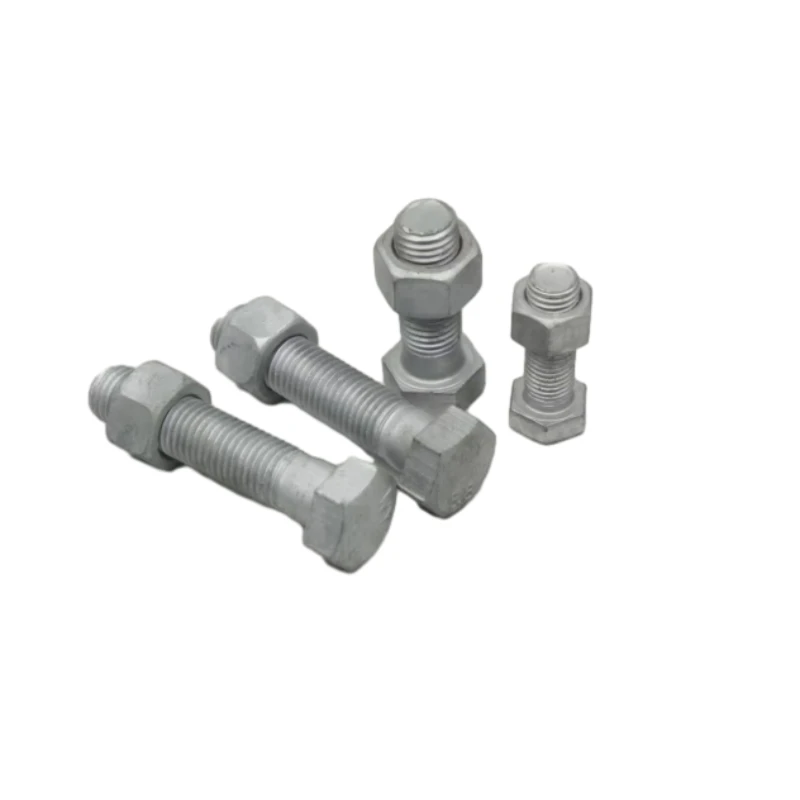
Put simply, a form tie rod is a steel rod used to hold the walls of formwork firmly in place during the concrete pouring process. Think of it as the "muscle" that keeps the formwork together under the intense pressure of wet concrete, preventing bulging or collapse. These rods extend through the form panels and are anchored with special nuts or wedges on either side.
In modern industrial and humanitarian contexts, form tie rods are indispensable. For example, in rapid response shelters or infrastructure rehab after disasters, they offer a dependable method for quickly creating safe, strong concrete walls. The rods must balance strength and reusability — a challenge that ongoing innovations continue to address.
Core Components & Performance Factors of Form Tie Rods
1. Material Strength & Durability
Most form tie rods are made from high-grade carbon steel due to its tensile strength and toughness. The rod needs to withstand substantial pressure without bending or breaking. Some newer variants include galvanized coatings to prevent corrosion, especially for outdoor or humid environments.
2. Size & Load Capacity
The diameter and length of a form tie rod determine how much load it can bear. Roughly, rods range from 10mm to 30mm thick, with lengths customized for specific form thicknesses. Ensuring you pick the right size is critical — undersized rods risk deformation, oversized ones add unnecessary weight and cost.
3. Ease of Installation & Reusability
Efficient form tie rods come with quick-setting nuts and cones to speed up assembly and dismantling. Their reusability affects project cost-efficiency and environmental footprint. High turnover projects benefit from designs optimizing fast removal without damage.
4. Compatibility with Formwork Systems
Compatibility is vital. Formwork suppliers often specify the tie rods that fit their panels to ensure safety and optimal performance. Misfit rods can cause leaks or unsafe formwork geometry.
5. Safety Standards Compliance
Many regions enforce strict safety standards that form tie rods must meet. Look for rods tested according to ISO 9001 or ASTM standards to guarantee quality and performance.
| Specification | Typical Values |
|---|---|
| Material | High-Grade Carbon Steel (Galvanized options) |
| Diameter Range | 10mm - 30mm |
| Length | Customized 0.5m - 3m+ |
| Tensile Strength | 500 - 700 MPa |
| Coating | Plain, Hot Dip Galvanized, Epoxy-coated |
Where in the World Are Form Tie Rods Making a Difference?
They’re everywhere, from bustling Asian megacities erecting skyscrapers to remote African zones building vital water infrastructure. Industries spanning commercial construction, civil projects, and even humanitarian relief all lean on these rods.
- Post-Disaster Reconstruction: In earthquake-hit regions like Nepal or Haiti, rapid rebuilding requires reusable, robust form tie rods to quickly restore homes and facilities.
- Urban High-Rise Construction: Cities like Dubai, Shanghai, and New York depend on precisely engineered form tie rods to maintain safety during complex concrete pours.
- Industrial Facilities: Heavy manufacturing plants in Europe and North America use customized tie rods to handle thick concrete walls and foundations.
- Infrastructure Projects: Bridges, dams, and tunnels around the world incorporate form tie rods tailored to specific environmental stresses and form sizes.
Without form tie rods properly fitting varied global needs, the construction industry’s rapid growth and sustainability objectives would face severe setbacks.
The Advantages & Enduring Value of Choosing Quality Form Tie Rods
Frankly, the tangible benefits of investing in good form tie rods stretch beyond the obvious. First, they cut down sharp unexpected costs by preventing formwork failure. They also help improve worker safety, which — let’s admit it — is priceless.
Sustainability-wise, high-quality rods reduce waste due to their longer lifespan and reusability, contributing to greener construction practices. And from an emotional angle, construction teams and clients gain trust and peace of mind knowing their structures won’t fail during building phases.
Put simply: you’re not just buying steel rods; you’re buying reliability, safety, and often, a small peace of mind chunk for your project management headaches.
Innovations & the Future of Form Tie Rods
Materials science and digital transformation are reshaping form tie rods. For instance, lightweight composites and fiber-reinforced plastics are making rods that claim similar strength but reduced weight — easing handling and cutting transport emissions.
On a tech front, RFID tagging and IoT integration help track rod usage patterns and maintenance schedules — neat for rental companies or large contractors managing fleets of formwork gear.
Green initiatives, too, push for rods made from recycled steel or biodegradable coatings that minimize environmental impact.
Typical Challenges & Ingenious Solutions
Common issues include corrosion, mismatched sizing, and damage during handling. Corrosion especially hampers rod lifespan and safety, prompting the industry towards galvanized or epoxy-coated variants.
Another quirk is that some contractors still rely on outdated rods, slowing projects or risking failure. Education and supplier-standardized kits are key to modernize workflows without breaking the budget.
Vendor Comparison: Form Tie Rod Suppliers
| Supplier | Material Options | Max Length (m) | Price Range (USD) | Special Features |
|---|---|---|---|---|
| WRK Formwork | Galvanized Steel, Carbon Steel | 3.0 | $12 - $25 | Custom Lengths, Quick-Release Nuts, High Corrosion Resistance |
| StrongHold Tools | Carbon Steel Only | 2.5 | $10 - $20 | Economical, Basic Nut Systems |
| BuildMaster Supplies | Galvanized & Epoxy Coated Steel | 3.5 | $15 - $30 | High Durability, Longer Warranty, Premium Packaging |
FAQs About Form Tie Rods
Q: How do I choose the right size of form tie rod for my project?
A: The choice depends on the thickness of your formwork and the pressure expected from fresh concrete. Consult your formwork design specs or supplier guidelines to match diameter and length appropriately. Generally, thicker and taller forms require larger diameter rods.
Q: Can form tie rods be reused multiple times?
A: Yes, with proper handling and maintenance, high-quality form tie rods can be reused many times. Galvanized or coated rods resist corrosion better, extending lifespan. However, inspect them regularly for damage or deformation to ensure safety.
Q: Are there eco-friendly form tie rods available?
A: Indeed, some manufacturers now offer rods made partly from recycled steel or with coatings that reduce environmental impact. These options align well with green building certifications and projects aimed at sustainability.
Q: What is the typical lead time for ordering custom form tie rods?
A: Depending on supplier and specifications, custom rods typically take 1 to 3 weeks for production and delivery. It's wise to plan ahead, especially for large-scale projects or when specialized coatings are required.
Final Thoughts: Why Form Tie Rods Deserve Your Attention
To wrap it up, form tie rods might seem like just steel rods, but in reality, they’re a linchpin in efficient, safe, and sustainable construction across the globe. Their importance is felt in towering skyscrapers and humble disaster relief shelters alike. If you’re involved in construction or formwork, ignoring their specs or quality is risky business.
So next time you're in the midst of planning or sourcing formwork materials, remember the form tie rod. It might just be that small but mighty piece that saves your project.
Visit our website: www.wrkformwork.com to explore a full range of form tie rods and accessories tailored to your needs.
References & Further Reading
Latest News
-
Adjustable U Jack: Essential Guide to Specifications, Applications & VendorsNewsDec.03,2025
-
Adjustable U Head Jack: Essential Guide to Benefits, Specs & Global UseNewsDec.03,2025
-
What Is an Adjustable U Head? Benefits, Uses & Supplier Comparison in ConstructionNewsDec.03,2025
-
Steel Joint Connector Nut: Essential Fastening Solutions for Modern InfrastructureNewsDec.02,2025
-
Nut Connector: Key Roles, Applications & Innovations in Modern IndustryNewsDec.02,2025
-
Nut Adaptor: A Key Component Bridging Industry Standards and Enhancing Assembly EfficiencyNewsDec.02,2025