Nov . 30, 2025 23:05 Back To List
Concrete Ties Formwork – Durable, Scalable Solutions for Modern Construction
Understanding Concrete Ties Formwork: The Backbone of Modern Construction
Concrete ties formwork — sounds like a bit of a mouthful, but it’s one of those technical elements quietly underpinning massive global infrastructure projects. In simple terms, it’s a system designed to hold and support concrete elements during curing, ensuring stability and shape. Why does it matter? Globally, the construction sector accounts for roughly 38% of CO2 emissions (UN Environment Programme), so innovations like these help make projects safer, faster, and greener. Plus, with growing urbanization and post-disaster rebuilds, mastering these tools brings both efficiency and dignity to affected communities.
The Global Importance of Concrete Ties Formwork
Construction isn’t just about buildings; it’s about livelihoods, resilience, and the backbone of every society. The concrete ties formwork market responds directly to that huge global demand. According to the World Bank, by 2050, 68% of the world’s population will live in urban areas, which pushes demand for robust infrastructure like bridges, housing, and transit systems.
Despite this, challenges remain: how do you deliver sturdy, cost-effective concrete structures in areas with limited resources? Enter concrete ties formwork — designed to optimize concrete curing while reducing labor and materials. Oddly enough, many engineers tell me it’s the unsung hero in these massive builds, quietly holding everything together.
What Exactly is Concrete Ties Formwork?
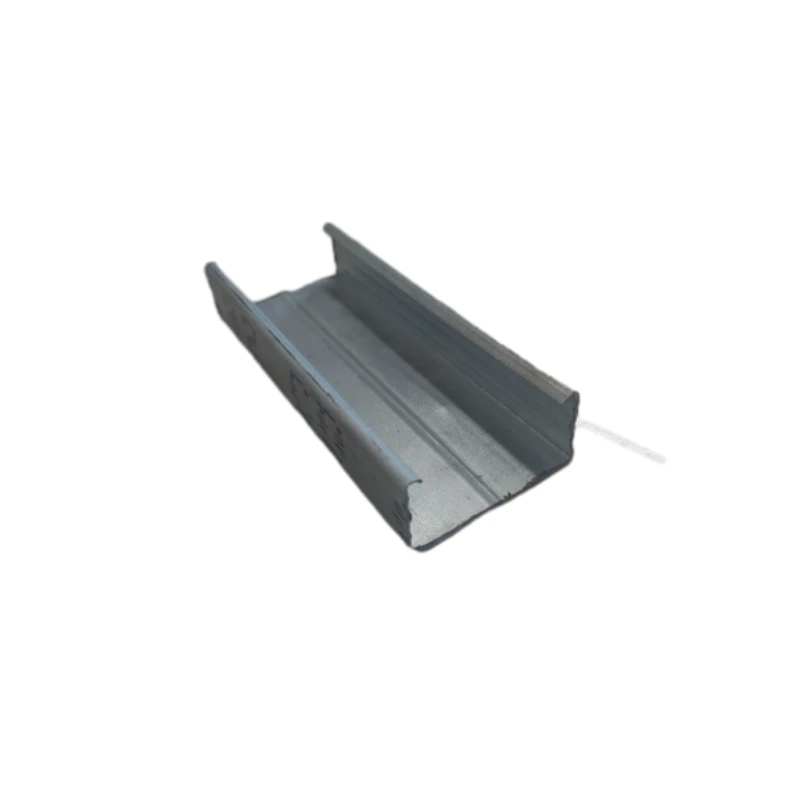
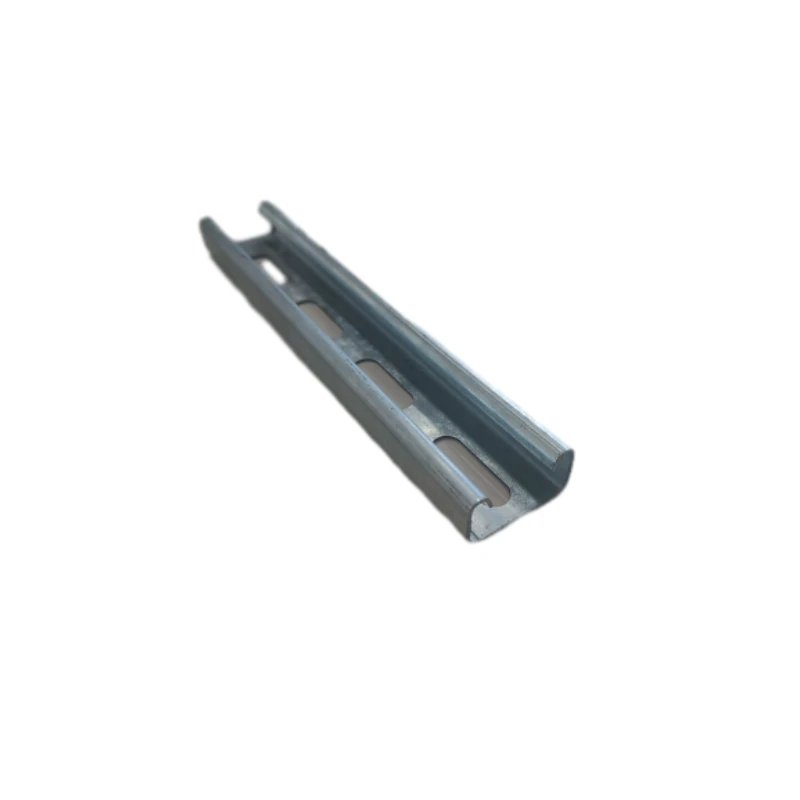
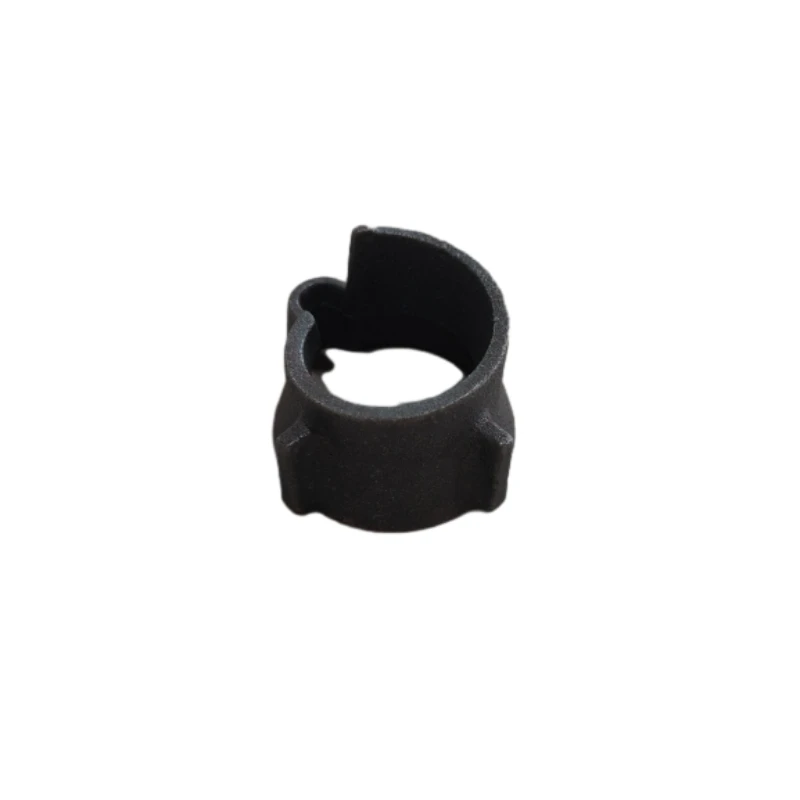
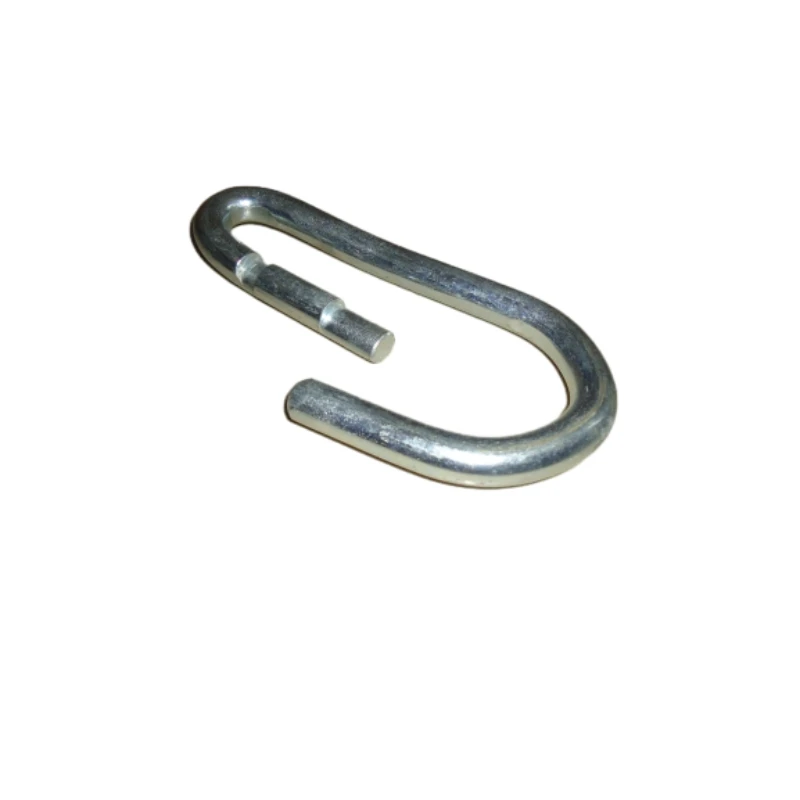
Think of formwork as the temporary mold for concrete; concrete ties formwork specifically refers to the components that hold the mold tightly in place. These ties resist the lateral pressure of freshly poured concrete until it hardens. Without them, the form could bulge, leak, or fail — and that’s the last thing a project can afford.
On a larger scale, this technology connects the dots between industrial efficiency and humanitarian efforts alike. For example, during emergency housing builds, having reliable formwork speeds the entire process while ensuring safety.
Core Components of Concrete Ties Formwork
1. Durability
These ties must endure extreme pressures and sometimes corrosive environments. Materials like galvanized steel or high-strength plastics are common choices, each balancing longevity and cost. In coastal projects, rust resistance becomes critical.
2. Scalability
Whether building a small residential wall or a kilometer-long bridge, the formwork system scales. Modular formwork ties make it easier to adjust the size, saving on both materials and time.
3. Cost Efficiency
Reducing project costs without compromising quality is a constant battle. Formwork ties that are reusable and easy to install save labor and material expenses in the long run — which really adds up when you’re building dozens or hundreds of concrete sections.
4. Ease of Handling & Installation
Some systems come with quick-connect features, reducing installation time drastically — invaluable on tight schedules or in remote zones.
5. Environmental Impact
Sustainable materials, recycled plastics, and innovations in lowering the carbon footprint have become big selling points. For example, some formwork ties are now designed to be fully recyclable or biodegradable.
Mini Takeaway:
Concrete ties formwork blends durability, adaptability, and eco-sense — making it essential to modern builds across the globe.
Global Applications and Real-World Examples
You might be surprised by how widespread concrete ties formwork actually is. In Asia and Africa, fast urban growth and infrastructure development rely heavily on these systems. Post-disaster relief operations — say, after earthquakes or floods — use formwork ties for rapid, sturdy shelter construction.
Remote industrial zones, like mining sites in South America, benefit from prefabricated concrete structures with formwork ties that can be deployed quickly and safely.
Leading organizations, including NGOs and UNDP, incorporate these systems into sustainable housing projects, balancing quick deployment with long-term durability.
Product Specification Table
| Feature | Specification | Benefit |
|---|---|---|
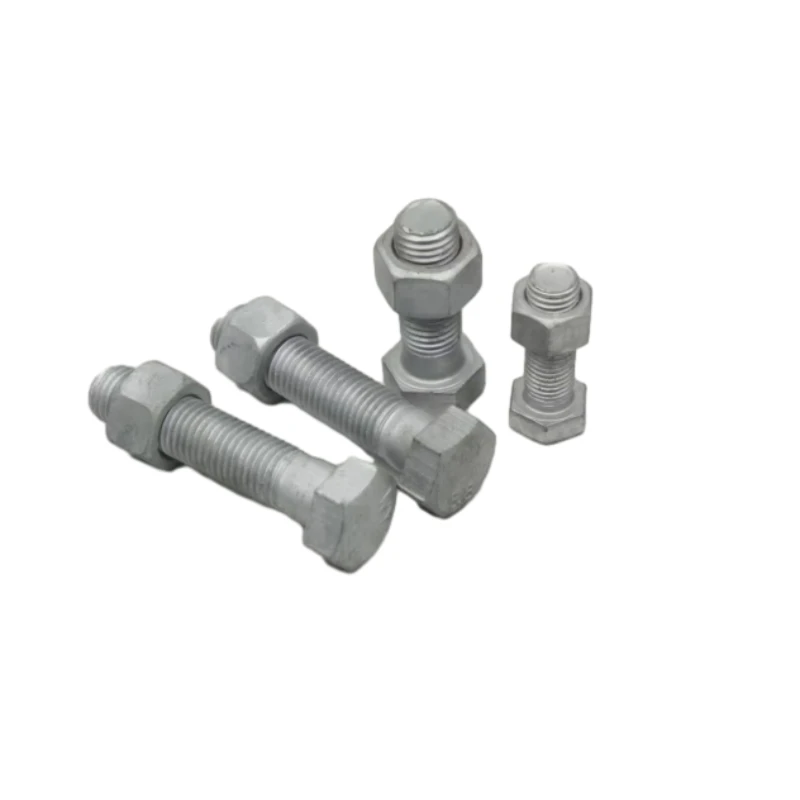
| Material | Galvanized Steel / High-density Plastic | Corrosion resistance & durability |
| Tensile Strength | Up to 60 kN | Supports high concrete pressures |
| Length Variants | 50 cm, 75 cm, 100 cm | Fits diverse formwork sizes |
| Reusable Cycles | Up to 50 reuse cycles | Cost savings over time |
| Installation | Snap-fit connectors | Reduces installation time |
Vendor Comparison: What to Look for in Suppliers
| Vendor | Material Quality | Product Range | Lead Time | Price Competitiveness |
|---|---|---|---|---|
| FormPro Industries | High-grade galvanized steel | Broad (various sizes/types) | 2-3 weeks | Mid-tier |
| EcoForm Solutions | Recycled plastic composites | Specializes in eco-friendly | 4 weeks | Slight premium |
| RapidTie Tech | Mixed steel-plastic hybrid | Focus on quick install systems | 1 week | Competitive |
Advantages and Long-Term Value of Using Concrete Ties Formwork
In practical terms, the benefits stack up nicely: reducing labor hours, minimizing material waste, and enhancing safety. But beyond the numbers, there’s a social angle: formwork that’s reliable means fewer accidents, smoother projects, and ultimately, a better product that lasts decades.
I’ve come to realize that in many projects, trust in the formwork is as important as the concrete mix itself — when workers know their molds won’t fail, morale improves and productivity follows.
Looking Ahead: Innovations Shaping the Future of Concrete Ties Formwork
The future? Green materials, naturally. Some firms are experimenting with bio-based plastics that decompose after use, cutting down landfill burden. Then there’s digital transformation: IoT sensors embedded in formwork ties that monitor pressure and stress in real-time, allowing engineers to fine-tune pours and prevent structural issues.
Automation is also creeping in, with robotic arms assisting in installation – a somewhat sci-fi leap but perfectly in tune with Industry 4.0 trends.
Common Challenges and How Experts Are Overcoming Them
Naturally, issues like corrosion, misalignment, or lack of standardization can plague projects. Some manufacturers tackle this through modular designs that minimize error margins, others by offering tailored solutions to fit unique build parameters.
On-site training and clear installation instructions have turned out to be surprisingly pivotal — the best tools are only as good as the hands that use them.
FAQs About Concrete Ties Formwork
- How do concrete ties formwork improve construction safety?
They maintain the structural integrity of form molds during concrete pouring, preventing spills or collapses that can cause injuries. - Can reusable formwork ties really save costs on large projects?
Absolutely. Though upfront costs may be higher, reusing ties multiple times reduces material purchase frequency and labor expenses substantially over time. - Are all concrete ties formwork suitable for outdoor use?
Not necessarily. For outdoor or marine environments, corrosion-resistant materials like galvanized steel or treated plastics are recommended. - How quickly can formwork ties be installed?
Modern snap-fit connectors can reduce installation times by up to 40%, making projects more agile and reducing labor costs. - Where can I find eco-friendly concrete ties formwork?
Some vendors specialize in recycled or bio-based materials; it’s worth checking sustainability certifications or asking to see lifecycle assessments.
Wrapping It Up
Concrete ties formwork is more than just a technical detail; it’s a vital component driving construction forward in a sustainable, efficient, and safe way. Whether you’re working on a bridge across the Mekong or emergency shelters in an earthquake zone, investing in quality formwork ties pays dividends.
Curious to explore solutions or learn more? Visit our website: concrete ties formwork.
References & Further Reading
Latest News
-
Adjustable U Jack: Essential Guide to Specifications, Applications & VendorsNewsDec.03,2025
-
Adjustable U Head Jack: Essential Guide to Benefits, Specs & Global UseNewsDec.03,2025
-
What Is an Adjustable U Head? Benefits, Uses & Supplier Comparison in ConstructionNewsDec.03,2025
-
Steel Joint Connector Nut: Essential Fastening Solutions for Modern InfrastructureNewsDec.02,2025
-
Nut Connector: Key Roles, Applications & Innovations in Modern IndustryNewsDec.02,2025
-
Nut Adaptor: A Key Component Bridging Industry Standards and Enhancing Assembly EfficiencyNewsDec.02,2025