Dec . 01, 2025 02:30 Back To List
Form Tie Formwork Explained – Key to Safer, Efficient Concrete Projects
Form Tie Formwork: The Unsung Hero of Structural Integrity
When you think about massive concrete projects—bridges, skyscrapers, dams—you probably picture the concrete itself as the heavy lifter. But behind the scenes, there’s a critical supporting system quietly holding everything in place: form tie formwork. Globally, as construction booms in bustling cities and remote development areas alike, understanding this component isn’t just a technical curiosity. It’s about safety, efficiency, and even sustainability.
Put simply, form tie formwork is a system used to hold concrete molds together against immense pressure during pouring and curing, ensuring the shape stays true and the structure holds strong. This means fewer cracks, less waste, and safer builds. If you’re involved in construction, civil engineering, or infrastructure planning, getting familiar with this topic can really change how you approach your projects.
Why Form Tie Formwork Matters on a Global Scale
The global construction industry is exploding, expected to grow at an average annual rate of over 5% through 2028 (World Bank, 2023). As urban populations swell, the pressure to build quickly, safely, and with minimal environmental impact has never been greater. Form tie formwork technology directly addresses these challenges by...
- reducing formwork failures that cause delays or costly repairs,
- optimizing material use to cut down on waste,
- enabling modular, scalable systems suitable for diverse environments—from megacities to remote, disaster-hit areas.
Interestingly, ISO standards for concrete formwork (ISO 9001 for quality management systems) increasingly reference tie systems for ensuring consistent quality and durability (ISO, 2021). When you think about it, the humble form tie is really an enabler of world-class infrastructure and humanitarian projects alike.
Defining Form Tie Formwork in Everyday Terms
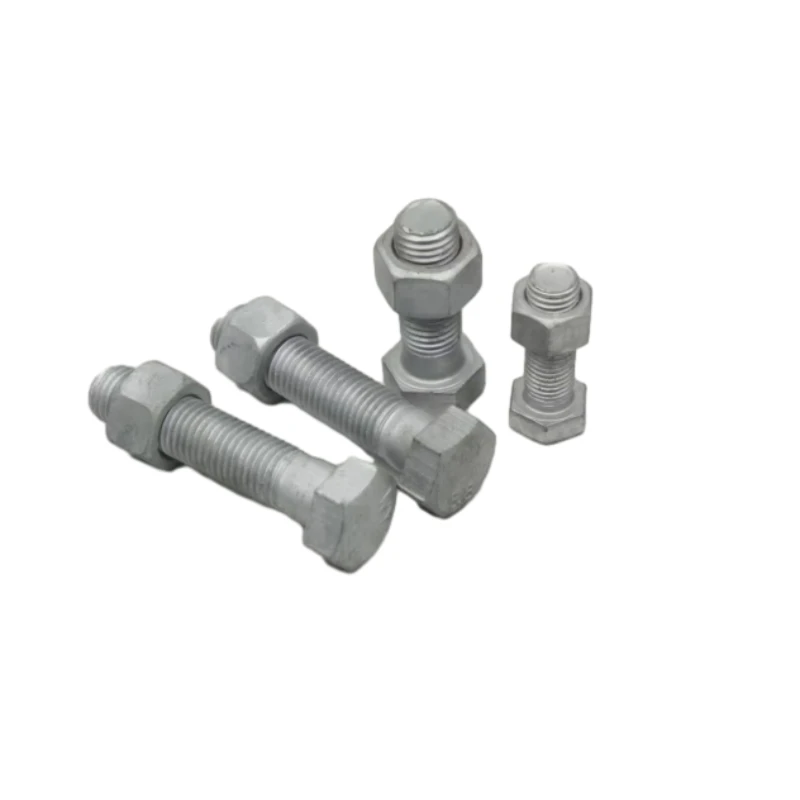
So, what exactly is form tie formwork? At its core, it’s a set of tensioning rods and hardware—form ties and tie rods—used within concrete formwork assemblies to hold opposing form panels in place under the forces exerted by wet concrete. Imagine trying to hold two giant wooden boards together while someone pours cement between them. Without tie rods, those boards would bow out or even burst open.
Modern form tie systems are designed with versatility in mind. Material ranges from galvanized steel to fiberglass composites, balancing strength with corrosion resistance. This makes them perfect for everything from urban skyscrapers to emergency shelters after natural disasters, where rapid deployment and reliability are paramount.
Mini Takeaway:
Form tie formwork might seem mundane, but it’s the backbone of stable concrete construction worldwide. Understanding its function is key to safer, more efficient builds.
Core Components That Make Form Tie Formwork Work
Durability & Material Quality
Good ties must resist bending, corrosion, and environmental wear. Steel ties dominate but are often coated to resist rust. Newer fiberglass ties offer corrosion resistance but cost more—still, the industry is watching closely.
Adjustability and Scalability
Form ties come in different lengths and can be custom cut or adjusted on site—a critical flexibility when working on unique designs or varying wall thicknesses.
Cost Efficiency & Reusability
While form ties are sometimes considered consumables, many enterprises aim to reuse them multiple times—a practice that balances upfront costs against long-term savings and sustainability.
Installation Ease
Well-designed tie systems speed up assembly and reducing labor costs. This matters a lot on tight schedules or in hazardous conditions. form tie formwork providers increasingly focus here.
Compatibility With Various Form Materials
Whether you’re using timber, steel sheeting, or plastic forms, the tie system should integrate seamlessly, minimizing leaks or bulges.
Mini Takeaway:
Picking the right tie system means balancing strength, flexibility, and budget — all practical realities on-site.
Where You’ll Find Form Tie Systems at Work Around the World
Form tie formwork isn’t just an industrial staple; it’s a global enabler of vital projects everywhere.
- Developing Urban Centers: Cities across Asia and Africa use modular form tie formwork in fast-growing construction markets.
- Disaster Relief: After earthquakes or floods, NGOs deploy rapid housing featuring reusable form tie systems for durable concrete shelters—combining speed and safety.
- Infrastructure Upgrades: Modern bridges, tunnels, and highways would be nightmares without reliable tie formwork holding concrete in place during pour and cure phases.
- Remote Industrial Zones: Mining or energy sites in harsh climates depend on corrosion-resistant tie materials to keep formwork consistent over long build cycles.
Mini Takeaway:
From busy cityscapes to rugged relief zones, form tie formwork's versatility and reliability make big projects possible.
Advantages That Outlive the Concrete Cure
Besides the obvious physical support, form tie formwork delivers:
- Cost Savings: Less material waste and overhaul mean lower project budgets.
- Environmental Benefits: Reusable tie systems reduce landfill and embodied carbon footprints.
- Safety & Confidence: Trustworthy tie assemblies reduce formwork failure risks, protecting workers and schedules.
- Social Impact: Faster build cycles enable quicker delivery of schools, hospitals, and emergency shelters—improving lives on a massive scale.
Product Specifications for Typical Form Tie Formwork Systems
| Specification | Standard Steel Tie | Fiberglass Tie |
|---|---|---|
| Material | Galvanized Steel | Glass-Fiber Reinforced Polymer (GFRP) |
| Length Range | 300 mm - 2000 mm | 400 mm - 1500 mm |
| Tensile Strength | 500 MPa | 550 MPa |
| Corrosion Resistance | Moderate (coating required) | High (inherently resistant) |
| Reusable | Yes, 4-6 cycles | Yes, 8-10 cycles |
| Cost per Unit | $1.20 - $2.50 | $3.50 - $5.00 |
Vendor Comparison: Leading Form Tie Formwork Providers
| Vendor | Product Range | Global Reach | Sustainability Focus | Customization Options |
|---|---|---|---|---|
| FormSecure Inc. | Steel & Composite Ties | Worldwide | Recyclable steel, green coatings | On-demand length & coatings |
| ConcreteTite Solutions | High-resistance steel Ties | North America, Europe | Focus on long-lasting coatings | Custom thread sizes |
| EcoTie Systems | Fiberglass & biodegradable options | Asia-Pacific & Africa | Sustainability leaders; low carbon footprint | Material blends & forms customization |
Future Trends & Innovations in Form Tie Formwork
The future for form tie formwork looks both high-tech and green. Automation in formwork installation—think drones or robotic arms positioning ties—is on the rise, especially for high-rise and tunnel projects. Digital sensors embedded into form ties can now monitor stress and pressure in real-time, helping engineers avoid failures before they happen.
Materials science continues to push the envelope, too, with more eco-friendly composites replacing traditional steel to reduce carbon footprints. And with global standards shifting towards sustainability (UNECE standards, 2023), expect tighter regulations encouraging recyclable, reusable tie systems. It’s an exciting mix of old-school strength and new-school innovation.
Challenges and Smart Solutions
Sure, not all is smooth sailing. In salty coastal climates, corrosion can still sneak in despite coatings, gradually weakening ties. Logistics and training gaps in emerging markets sometimes lead to improper tie installation, risking formwork failure. Then there’s the balancing act—higher upfront costs for advanced materials versus the long-term savings.
Experts recommend a three-pronged approach: enhanced worker training, adopting more corrosion-resistant materials (like fiberglass), and integrating IoT for monitoring. These combined help cut failures, optimize lifecycle costs, and keep projects on track.
FAQs About Form Tie Formwork
1. How do form ties affect the overall cost of a concrete project?
While form ties add upfront costs, they prevent costly formwork failures and reduce material waste. Reusable systems further cut expenses over multiple cycles, making their investment practical long-term.
2. Are fiberglass form ties stronger than steel?
Fiberglass ties have excellent tensile strength and superior corrosion resistance compared to steel. However, steel ties typically excel in extreme load conditions. Choice depends on project environment and requirements.
3. Can form tie systems be customized for unusual wall thicknesses?
Absolutely. Many providers offer adjustable or cut-to-length ties compatible with custom form dimensions, addressing complex or bespoke construction needs.
4. How do form tie systems contribute to sustainability?
Reusable ties reduce waste and material consumption. Switching to recyclable or composite materials lowers carbon footprints, aligning with global green construction goals.
5. What safety risks do form ties help mitigate?
They prevent form panels from bulging or breaking under wet concrete pressure, reducing collapse risks that threaten worker safety and structural integrity.
Wrapping It Up: Why Form Tie Formwork Should Be on Your Radar
If you’ve been knee-deep in construction or project planning, you know how small details can create huge headaches or smooth roads. Form tie formwork might seem like a niche topic, but it’s anything but trivial. By ensuring form stability, enhancing safety, and improving efficiency, form ties form a crucial piece of the puzzle for building safer cities, resilient infrastructure, and rapid emergency shelters worldwide.
Ready to explore how modern form tie formwork solutions can elevate your next build or humanitarian venture? Visit our site: https://www.wrkformwork.com for detailed product info, customization options, and expert guidance.
Until next time, keep those forms tight and those projects sturdy.
References
Latest News
-
Adjustable U Jack: Essential Guide to Specifications, Applications & VendorsNewsDec.03,2025
-
Adjustable U Head Jack: Essential Guide to Benefits, Specs & Global UseNewsDec.03,2025
-
What Is an Adjustable U Head? Benefits, Uses & Supplier Comparison in ConstructionNewsDec.03,2025
-
Steel Joint Connector Nut: Essential Fastening Solutions for Modern InfrastructureNewsDec.02,2025
-
Nut Connector: Key Roles, Applications & Innovations in Modern IndustryNewsDec.02,2025
-
Nut Adaptor: A Key Component Bridging Industry Standards and Enhancing Assembly EfficiencyNewsDec.02,2025