Dec . 01, 2025 04:10 Back To List
Form Tie Formwork System – Essential Guide for Safe & Efficient Concrete Construction
Understanding the Form Tie Formwork System: A Key to Structural Integrity Worldwide
In the vast landscape of construction and civil engineering, the form tie formwork system quietly holds a pivotal role. If you’ve ever wondered how towering concrete walls stay intact while they set, or how engineers ensure formwork panels don’t bulge under immense pressure, this is where form ties jump in as unsung heroes. On a global scale, understanding this system is vital—not just for high-rise construction in bustling cities but also in humanitarian efforts where temporary, resilient housing is crucial. The benefits? Enhanced safety, durability, and cost-effectiveness, all rolled into one adaptable solution that has revolutionized concrete construction forever.
Mini takeaway: Grasping the basics of the form tie formwork system unlocks insights into how modern infrastructure stands strong—whether in sky-high towers or disaster relief shelters.
The Global Stage: Why the Form Tie Formwork System Matters More Than Ever
Worldwide, construction is booming. According to UN Habitat, more than 1.6 billion people need adequate housing by 2030, while the ISO standards for concrete construction keep getting stricter. Meanwhile, urban centers in Asia, Africa, and Latin America are rushing upwards, and industrial zones sprawled with huge structural projects demand precision. Here, the form tie formwork system addresses a core challenge: holding formworks firmly stable during concrete curing to prevent costly, even dangerous failures. Failure to control hydrostatic pressure sometimes led to formwork collapse, accidents, or expensive rework. That’s where form ties come in to save the day, ensuring formwork stability without compromising the flow of progress.
Mini takeaway: With global urbanization and humanitarian needs rising, form ties help nail down safety and quality where it counts — right on the construction site.
What Is a Form Tie Formwork System? Breaking It Down
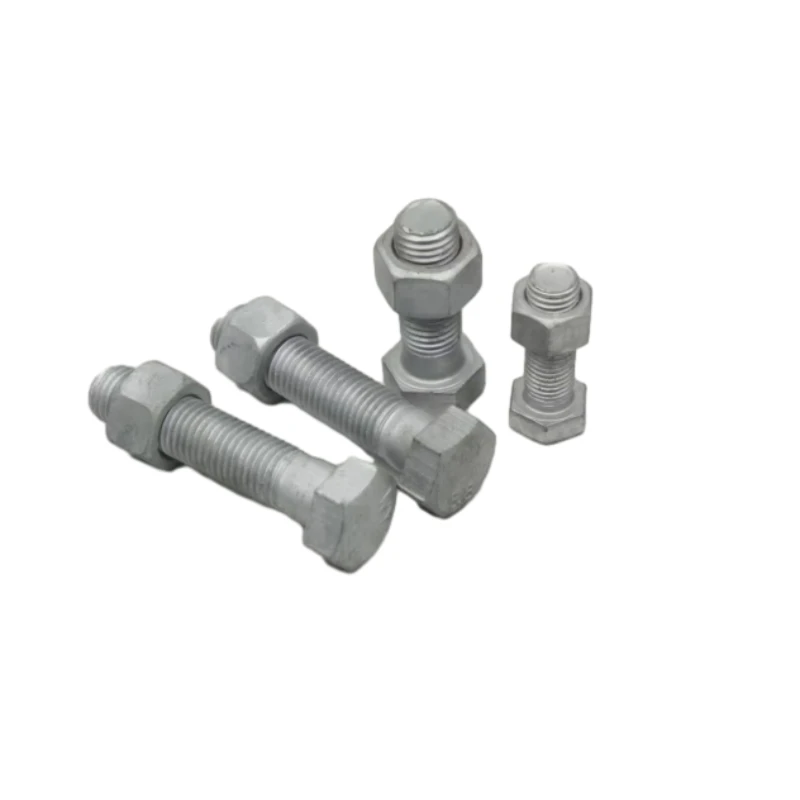
The ideal way to think about the form tie formwork system is to picture it as the skeletal brace inside formwork. Form ties are essentially steel rods or cables that pass through form panels, holding them together against the force of fresh concrete. Think of them like the stitches keeping a fabric taut while the concrete sets into its final shape. This system makes sure that walls and slabs don’t bulge or bow, maintaining precise dimensions and structural strength.
In humanitarian contexts—like building temporary shelters or rapid infrastructure in remote zones—this system supports speedy, stable construction, often using reusable and standardized parts.
Mini takeaway: Form ties are the invisible tension heroes reinforcing concrete forms, critical in both skyscrapers and emergency housing alike.
Core Components of a Form Tie Formwork System
1. Durability
Form ties need to withstand not only the hydrostatic pressure of wet concrete but also diverse weather and job site conditions. Most are made from galvanized steel or coated alloys resisting corrosion – critical for reusability.
2. Scalability & Flexibility
Systems vary from heavy-duty industrial ties for massive infrastructure to lightweight versions for fast deployment shelters—or even modular designs adaptable for varied wall thicknesses.
3. Cost Efficiency
While quality form ties may seem pricier upfront, their reusability and reduction in repair costs pay dividends in large projects. The savings on labor, concrete wastage, and safety incidents make them a smart long-term investment.
4. Safety & Compliance
Meeting global standards such as ISO 12494 or ASTM anchors these products as trustworthy choices for engineers worldwide, reducing risk and ensuring peace of mind.
5. Ease of Installation & Removal
Innovative design improvements have made newer tie systems faster to install and strip, saving important manpower hours and reducing project timelines.
| Specification | Details |
|---|---|
| Material | Galvanized steel, stainless steel, or epoxy-coated alloy |
| Diameter Range | 10 mm – 25 mm (typical) |
| Maximum Load Capacity | Up to 200 kN (varies by model) |
| Reusable Cycles | 50+ (dependent on maintenance) |
| Standards Compliance | ISO 12494, ASTM A123 |
Mini takeaway: Good form ties deliver reliability coupled with adaptability — essential for modern varied construction needs.
Where Form Tie Formwork Systems Shine Globally
This system is everywhere—from soaring skyscrapers in East Asia to modular refugee shelters in conflict zones. Consider these real-world examples:
- Post-Disaster Relief: In areas hit by earthquakes or hurricanes, rapid formwork assembly using sturdy form ties enables quick rebuilding of homes or clinics.
- Urban Infrastructure: High-rise offices in Dubai rely on scalable form tie solutions to keep construction timelines tight and quality uncompromised.
- Remote Industrial Sites: Mining and power plants in sub-Saharan Africa often deploy these systems for durable concrete walls with minimal skilled labor.
Mini takeaway: Wherever strong concrete needs shaping—fast, safe, and reusable—the form tie system is a global staple.
Why Choose a Form Tie Formwork System? Advantages & Lifelong Value
From a contractor’s perspective, the benefits are clear:
- Cost Savings: Reusable ties slash material expenses, while accurate form stability reduces mistakes and waste.
- Environmental Sustainability: Reduced material use and longer service life mean lower carbon footprints versus disposable alternatives.
- Safety Assurance: Prevents formwork blowouts that endanger lives and cause setbacks.
- Innovation & Trust: As one engineer told me recently, “It’s the invisible backbone of every strong wall we cast.”
Mini takeaway: Form ties pay for themselves by marrying practicality with peace of mind on every project.
What’s Next? Future Trends in Form Tie Formwork Systems
Industry insiders are buzzing about digital transformation and green tech reshaping formwork. Imagine automated sensors integrated into form ties monitoring tension in real time, or using recycled carbon fibers to create ultra-lightweight, corrosion-proof ties. Policies encouraging sustainability mean expect companies to innovate fast to meet net-zero goals.
Plus, modular construction techniques rely increasingly on adaptable form tie solutions designed for quick assembly and disassembly, enabling circular use models.
Mini takeaway: The future is bright – form ties evolving with smart tech and eco-friendly materials will redefine concrete construction’s resilience.
Common Challenges and How Experts Tackle Them
Of course, every system has its quirks. Corrosion remains the top issue if ties aren’t properly maintained. Sometimes, improper installation leads to uneven tension and wall imperfections. However, newer coatings and simple onsite inspection protocols go a long way. Plus, engineering teams now treat form tie selection as a core project component, not an afterthought.
Training site workers and integrating form tie formwork system suppliers early helps avoid delays and accidents.
Mini takeaway: Smart maintenance and informed use turn form tie challenges upside down—transforming potential headaches into routine workflow.
FAQ About Form Tie Formwork Systems
- What types of materials are used for form ties?
- Most form ties are made from galvanized steel to balance strength and corrosion resistance. Some use epoxy coatings or stainless steel for special environments. These materials ensure longevity and reuse potential.
- How important is the reusability of form ties in construction?
- Reusability greatly reduces costs and environmental impact, especially on large or repetitive projects. Durable form ties can be reused 50+ times if properly maintained.
- Can form tie systems be customized for specialized projects?
- Absolutely. Many manufacturers offer adjustable or modular tie lengths and tension options, accommodating different wall thicknesses and load requirements.
- Are these systems suitable for emergency or remote locations?
- Yes, because of their easy installation and modularity, form tie formwork systems are ideal for rapid deployment in disaster relief or remote industrial construction.
- What standards ensure the quality of form ties?
- Look for compliance with ISO 12494, ASTM standards like A123, and regional construction codes to ensure reliability and safety.
Summary and Next Steps
To wrap it up, the form tie formwork system is a vital, often overlooked backbone of construction safety, efficiency, and sustainability. Whether you’re building a skyscraper or a shelter, good form ties mean stronger, safer structures with less hassle and expense. As technology and materials evolve, staying informed about the latest systems can really pay off.
Thinking about upgrading your formwork solutions? Visit our website: https://www.wrkformwork.com to explore options and expert advice.
Vendor Comparison Quick Reference
| Vendor | Tie Material | Max Load (kN) | Reusable Cycles | Special Features |
|---|---|---|---|---|
| FormTie Co. | Galvanized Steel | 180 | 60 | Quick-release nuts |
| SteelWorks Ltd. | Epoxy-Coated Alloy | 200 | 50 | Corrosion-resistant |
| ModuTie Corp. | Stainless Steel | 175 | 70 | Modular lengths |
References
Latest News
-
Adjustable U Jack: Essential Guide to Specifications, Applications & VendorsNewsDec.03,2025
-
Adjustable U Head Jack: Essential Guide to Benefits, Specs & Global UseNewsDec.03,2025
-
What Is an Adjustable U Head? Benefits, Uses & Supplier Comparison in ConstructionNewsDec.03,2025
-
Steel Joint Connector Nut: Essential Fastening Solutions for Modern InfrastructureNewsDec.02,2025
-
Nut Connector: Key Roles, Applications & Innovations in Modern IndustryNewsDec.02,2025
-
Nut Adaptor: A Key Component Bridging Industry Standards and Enhancing Assembly EfficiencyNewsDec.02,2025