Dec . 02, 2025 15:18 Back To List
Connector Coupling Nut: Comprehensive Guide to Uses, Benefits & Trends
Understanding the Connector Coupling Nut: Essential Component in Modern Engineering
So, what’s the deal with a connector coupling nut, and why does it matter in the grand scheme of things? At first glance, it might seem like just another small piece of hardware—nothing flashy, right? But frankly, these nuts are crucial connectors in countless industrial and construction applications worldwide. They help hold things together safely and reliably, which, when you think about it, is pretty much the backbone of everything from buildings to machinery.
On a global scale, appreciating how these connector coupling nuts function means better safety standards, more efficient engineering solutions, and ultimately, reduced failures or downtimes in critical infrastructure. Plus, understanding their benefits can lead to innovations in design and materials—helping industries become more sustainable and cost-effective.
Introduction: Why Connector Coupling Nuts are Globally Relevant
Industries everywhere—construction, energy, manufacturing—count on reliable fasteners. According to data from the International Organization for Standardization (ISO), millions of tons of fasteners are produced annually, a significant percentage of which are coupling nuts used in various connector systems. Oddly enough, even in the era of digital transformation, this simple component remains vital.
Challenges like global supply chain disruptions and stringent safety regulations put pressure on manufacturers to meet high standards. The connector coupling nut plays a steady role in solving these, ensuring assemblies stay intact under stress and wear.
What is a Connector Coupling Nut?
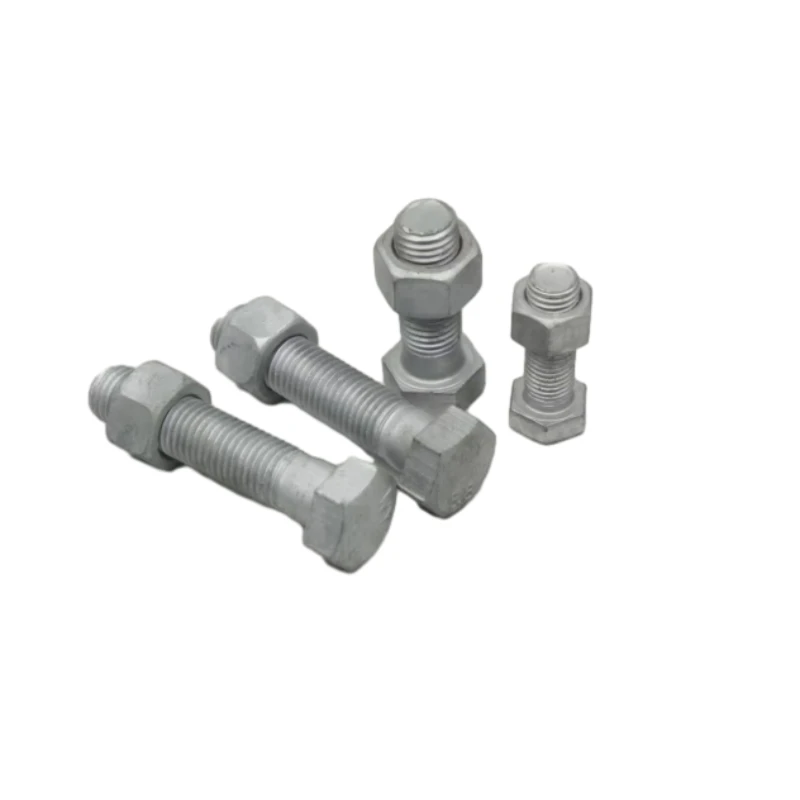
In simple terms, a connector coupling nut is a threaded fastener designed to join two male threads, often rods or pipes, creating an extended or more secure connection. These nuts typically feature internal threads and are larger or longer than standard nuts to accommodate the parts they connect.
Think of them as the humble bridge pieces in machinery and building frameworks. Without these nuts, connecting two parts seamlessly and safely would be way trickier. They are the unsung heroes holding together scaffolding, steel frameworks, and even the piping that supplies our water or energy.
Key Factors Behind Connector Coupling Nuts
- Durability: Made from materials like stainless steel or galvanized alloy, these nuts resist corrosion and mechanical stress, vital for long-term reliability.
- Thread Compatibility: They come in various thread sizes and pitch standards, which ensures they fit with diverse rods and pipes globally.
- Load-Bearing Capacity: Connector coupling nuts are rated for different tensile strengths to match usage—whether light fixtures or heavy industrial building.
- Ease of Installation: Their design allows for quick assembly and disassembly, critical in construction sites or emergency repairs.
- Cost Efficiency: A well-chosen coupling nut reduces maintenance costs and extends overall system lifespan.
Mini Takeaway: The connector coupling nut isn't just a simple piece of metal; it's a carefully engineered component balancing strength, fit, and functionality to meet rigorous industrial demands.
Product Specifications of a Standard Connector Coupling Nut
| Specification | Details |
|---|---|
| Material | Stainless Steel Grade 316 |
| Thread Size (Diameter) | M12, M16, M20 |
| Length | 50 mm to 100 mm variants |
| Tensile Strength | Grade 8.8 (approx. 830 MPa) |
| Surface Finish | Electro-polished or galvanized |
Global Applications & Use Cases of Connector Coupling Nuts
Where do these coupling nuts really shine? Take disaster relief efforts, for example. Quick assembly of temporary shelters or infrastructure depends on fasteners that are easy to handle and reliable under pressure. NGOs and government agencies often specify them in emergency kits because they reduce setup time…and they hold well even in adverse weather.
In remote oil and gas extraction sites, connector coupling nuts are exposed to harsh environmental conditions, including saltwater corrosion and temperature swings. Their robust design ensures pipelines and rigs stay connected securely, safeguarding the environment and workers alike.
In developing regions, where infrastructure development faces resource constraints, these nuts offer a scalable and cost-effective way to improve construction safety without massive overhauls. All these cases prove their vital role.
Vendor Comparison: Prominent Connector Coupling Nut Manufacturers
| Vendor | Material Options | Certifications | Lead Time | Pricing |
|---|---|---|---|---|
| Acme Fasteners | Stainless Steel, Brass, Carbon Steel | ISO 9001, ASTM | 2 weeks | Mid-Range |
| Global Nut Solutions | Stainless Steel, Galvanized Steel | ISO 14001, RoHS | 4 weeks | Premium |
| Local Fasteners Co. | Carbon Steel | ASTM Only | 1 week | Budget |
Advantages & Long-Term Value
Using the right connector coupling nuts translates into several tangible benefits. For one, the improved mechanical reliability means lower maintenance costs and less downtime—huge savings especially in industrial operations. Then there’s the sustainability angle: selecting corrosion-resistant materials reduces replacements and waste.
Beyond the spreadsheets, these nuts contribute deeply to worker safety and confidence. Knowing your infrastructure isn’t just “held up” but firmly secured with trusted components leads to a sense of dignity and trust in engineering. And you can’t really put a price on peace of mind when it comes to structural integrity.
Future Trends & Innovations
Looking ahead, connector coupling nuts are embracing new materials like high-strength composites and coatings that resist even the harshest chemicals. Automation is also coming into play: suppliers are developing nuts optimized for automated assembly lines that reduce human error.
On the sustainability front, companies are experimenting with recycled metals and eco-friendly finishes, trying to lower the environmental footprint without compromising strength. In real terms, it means your basic fastener might one day be as green as solar panels on the roof.
Challenges & Expert Solutions
But it’s not all smooth sailing. One ongoing challenge is balancing affordability with performance, especially in emerging markets where budgets are tight but safety can’t be compromised. Some manufacturers may cut corners on certifications or material quality, which leads to failures.
Experts recommend rigorous third-party testing and adopting international standards to minimize risk. Plus, investing in employee training on the correct installation of coupling nuts significantly improves outcomes in the field. Knowledge is power, after all.
FAQs About Connector Coupling Nuts
- Q: Can connector coupling nuts be reused after disassembly?
Generally, they can be reused if they show no signs of thread damage or corrosion. However, in high-stress applications, replacement is recommended to maintain safety. - Q: What materials are best for outdoor connector coupling nuts?
Stainless steel (especially Grade 316) or galvanized steel are preferred for outdoor use to prevent rust and corrosion over time. - Q: How do I select the right size coupling nut for my project?
Choose a nut that matches the thread diameter and pitch of the rods or pipes you are joining. It’s best to consult with your supplier or engineer to ensure compatibility. - Q: Are connector coupling nuts standardized globally?
Yes, most conform to international thread standards like ISO or ASTM to ensure interchangeability, but always check specifications to avoid mismatches. - Q: Where can I find suppliers for bulk orders of connector coupling nuts?
Many manufacturers provide bulk sales online or via distributors. For quality assurance, choose vendors with proper certifications and positive reviews — or explore options like our connector coupling nut supplier directory.
Conclusion
Summing it all up, the connector coupling nut—small but mighty—is a foundational component in engineering, construction, and beyond. Its role in ensuring safety, durability, and cost-effectiveness is hard to overstate. As industries evolve towards greener and smarter solutions, these nuts will adapt, continuing to connect not just parts but global industries and communities.
If you want to explore trusted options or learn more, check out our collection of connector coupling nut solutions tailored for diverse applications.
In the end, it feels like this tiny yet robust nut quietly powers the reliability we often take for granted in so many aspects of modern life.
Latest News
-
Adjustable U Jack: Essential Guide to Specifications, Applications & VendorsNewsDec.03,2025
-
Adjustable U Head Jack: Essential Guide to Benefits, Specs & Global UseNewsDec.03,2025
-
What Is an Adjustable U Head? Benefits, Uses & Supplier Comparison in ConstructionNewsDec.03,2025
-
Steel Joint Connector Nut: Essential Fastening Solutions for Modern InfrastructureNewsDec.02,2025
-
Nut Connector: Key Roles, Applications & Innovations in Modern IndustryNewsDec.02,2025
-
Nut Adaptor: A Key Component Bridging Industry Standards and Enhancing Assembly EfficiencyNewsDec.02,2025