Dec . 02, 2025 15:32 Back To List
What Is a Connector Nut? Definition, Uses & Global Importance Explained
Understanding Connector Nut: The Small Component with a Big Impact
When you first hear the term connector nut, it might just sound like another tiny piece of hardware, maybe something you'd set aside to get lost in your toolbox. But frankly, this small but essential component is a linchpin in countless industries worldwide — from heavy construction to humanitarian relief projects. Connector nuts ensure structural integrity, safety, and reliability in ways we often overlook.
It’s odd how something so simple can matter so much globally. According to ISO standards on mechanical fasteners (ISO 898-2), the performance of connector nuts directly affects assembly strength and safety in both commercial and critical infrastructure. In a world striving for rapid, scalable solutions — say, in disaster recovery or industrial automation — understanding connector nuts is more than niche knowledge. It’s a doorway to smarter design and safer structures.
Why This Matters Globally
Global infrastructure spending alone hit nearly $3.7 trillion in 2023 (World Bank estimate), with a solid chunk of that reliant on fasteners like connector nuts to keep everything together, literally. Supply chain challenges during the pandemic revealed how dependent industries are on reliable connector components to avoid costly downtime and failures. Their role is subtle but vital.
Moreover, connector nuts feature prominently in the circular economy movement as durable components whose reuse or recycling helps reduce waste. So, yeah, we’ve made the future of sustainable engineering partly revolve around something as humble as a connector nut — I suppose that tells you something about engineering focus these days.
Defining the Connector Nut
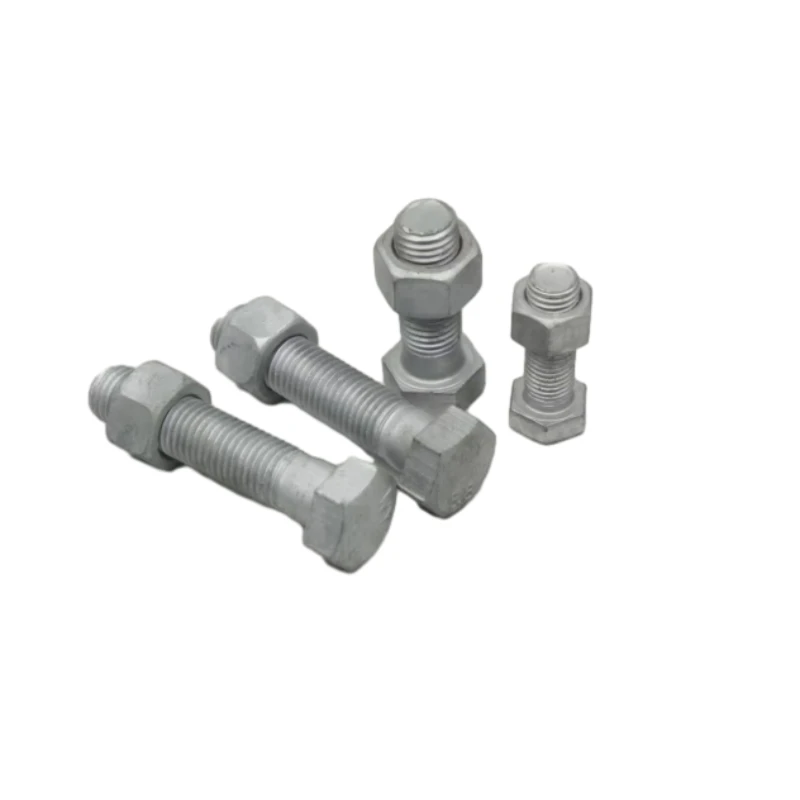
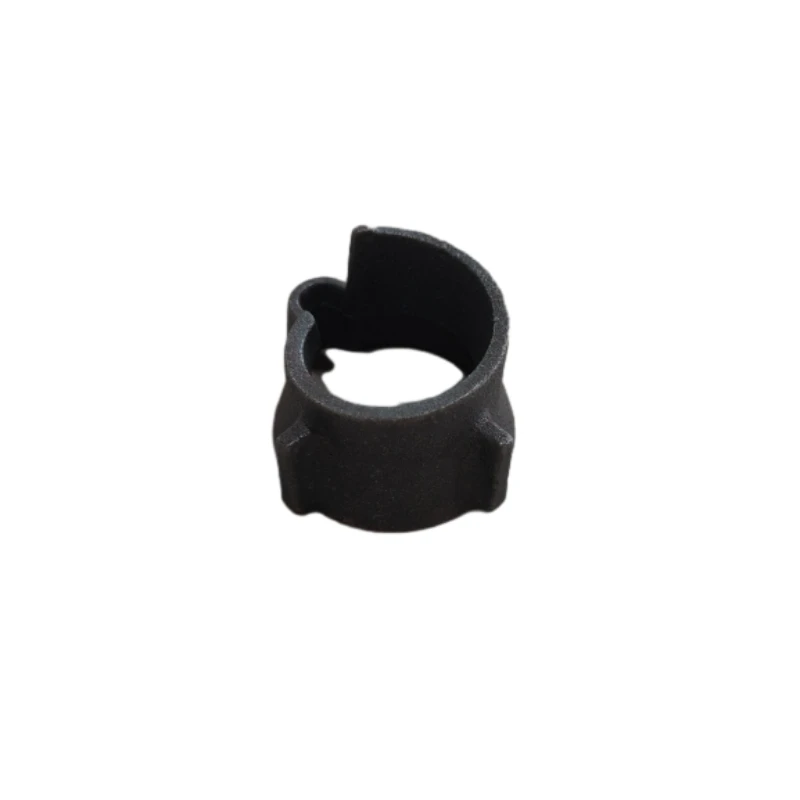
Put simply, a connector nut is a specialized fastener designed to join two or more elements by threading onto a bolt or stud, securing parts firmly together. Unlike ordinary nuts, connector nuts often have specific design characteristics—like internal grooves or locking mechanisms—to enhance grip, resist vibrations, and allow quick assembly or disassembly.
In the modern industrial landscape, connector nuts show up everywhere — from modular housing kits to manufactured goods — ensuring seamless structural connection and often carrying heavy loads or resist dynamic stress.
Core Components & Key Factors of Connector Nuts
1. Durability
Most connector nuts you’ll find on the market are made of steel alloys or stainless steel, chosen for corrosion resistance and longevity. Some even come with coatings like zinc plating or galvanization to resist rust in harsh conditions.
2. Design & Locking Features
Here, we’re talking about self-locking connector nuts, which prevent loosening from vibration and thermal expansion. Nylon inserts, wedge-lock technologies, or deformed threads help keep joints secure.
3. Compatibility & Size Range
Connector nuts come standardized in sizes from M4 to M30 (metric), or equivalent imperial measurements, making them versatile across countless applications.
4. Cost Efficiency
Though connector nuts are relatively low-cost in unit price, their quality directly correlates to long-term savings through reduced maintenance and failure prevention.
5. Ease of Installation
Modern designs facilitate quick installation with standard tools and even power tools for industrial-scale assembly, supporting scalability.
Mini Takeaway:
Connector nuts may be tiny, but durability, locking features, and fit are their pillars — these determine whether a structure holds firm or fails catastrophically.
Global Applications & Real-World Use
Connector nuts find a broad spectrum of uses, which is fascinating. In post-disaster relief efforts, temporary housing kits feature connector nuts for fast, tool-friendly assembly — critical when time and labor are scarce. Humanitarian organizations like the Red Cross often rely on these fasteners to deploy shelters globally.
In industrial zones — say oil rigs or manufacturing plants — connector nuts secure heavy machinery and piping subject to constant vibration and temperature swings, making locking features indispensable.
Also, they feature prominently in automotive and aerospace sectors, where safety tolerances are tight, and connector quality is non-negotiable.
Advantages & Long-Term Value
- Reliability: Reduces risk of loosening in critical assemblies.
- Cost-effectiveness: Quality fasteners minimize costly repairs.
- Sustainability: Durable materials mean longer lifecycle.
- Social impact: Supports safer, faster housing and infrastructure.
On an emotional level, it’s reassuring to think that connector nuts help create safe spaces for families displaced by conflict or disaster. It feels like these small components quietly uphold dignity and safety where we need it most.
Future Trends & Innovations
Green manufacturing trends are pushing connector nuts toward environmentally friendlier materials and finishes. Imagine connector nuts made from recycled metals or designed for easier reuse, complementing circular economy initiatives.
Digital transformation also means smarter fasteners: “smart” connector nuts embedded with tiny sensors can monitor tension, alerting maintenance before joints fail. Automation in installation, like robotic torque tools programmed for optimal fitting, is another leap forward.
Common Challenges & Solutions
Even with all these benefits, problems crop up. For example, incorrect torque during installation can cause premature failure, and supply chain issues may force compromises on quality.
Solutions include increased training for installers, adoption of torque-limiting tools, and working with trusted suppliers who adhere to international standards like ISO 898-2 or ASTM F594.
Product Specification Table: Typical Connector Nut Features
| Feature | Specification | Benefit |
|---|---|---|
| Material | Stainless Steel A2 or A4 | Corrosion resistance & durability |
| Size Range | M6 to M24 | Versatile for various applications |
| Locking Mechanism | Nylon insert or wedge-lock | Prevents loosening under vibration |
| Finish | Zinc plated or galvanized | Extended corrosion protection |
| Standards | ISO 898-2, ASTM F594 | Ensured quality & compatibility |
Vendor Comparison: Connector Nuts from Leading Suppliers
| Supplier | Material Options | Locking Features | Lead Time | Price Range (per 100 pcs) |
|---|---|---|---|---|
| FastenPro | Stainless Steel, Zinc | Nylon Insert | 2 Weeks | $150–$220 |
| AnchorTech | Galvanized Steel | Wedge-lock | 3 Weeks | $180–$240 |
| SecureFast | Stainless Steel A4 | Deformed Thread | 1 Week | $200–$260 |
Frequently Asked Questions About Connector Nuts
Q1: What makes a connector nut different from a standard nut?
A connector nut is designed with specific locking features (like nylon inserts or wedge-locks) that prevent loosening due to vibration or thermal cycling, unlike standard nuts that may loosen under such conditions.
Q2: Can connector nuts be reused after removal?
Some types of connector nuts, especially those with locking inserts, may lose their locking effectiveness after removal. Manufacturer guidelines should be followed; often, replacement is recommended for safety.
Q3: What is the typical lifespan of a connector nut in outdoor use?
When made from corrosion-resistant materials and properly maintained, connector nuts can last 10+ years outdoors. Environmental factors and installation quality affect longevity.
Q4: Are connector nuts suitable for high-vibration environments?
Yes, many connector nuts are specifically engineered to resist loosening in high-vibration settings, making them ideal for automotive, aerospace, and industrial machinery.
Q5: Where can I find more detailed specifications or buy connector nuts?
Trusted suppliers with certified products are available globally. For industrial-grade connector nuts and guidance, visit connector nut specialists online.
Conclusion
Long-term, the connector nut remains a critical, if understated, hero of modern engineering. By combining durability, safety, ease of use, and future-focused innovation, it contributes quietly but profoundly to safer infrastructure and faster recovery worldwide. For anyone sourcing high-quality fasteners, understanding connector nuts is definitely worth the effort.
Interested in learning more? Visit our website: https://www.wrkformwork.com — your gateway to expert solutions.
Takeaway: Connector nuts are small components that hold the world together—literally.
References
Latest News
-
Adjustable U Jack: Essential Guide to Specifications, Applications & VendorsNewsDec.03,2025
-
Adjustable U Head Jack: Essential Guide to Benefits, Specs & Global UseNewsDec.03,2025
-
What Is an Adjustable U Head? Benefits, Uses & Supplier Comparison in ConstructionNewsDec.03,2025
-
Steel Joint Connector Nut: Essential Fastening Solutions for Modern InfrastructureNewsDec.02,2025
-
Nut Connector: Key Roles, Applications & Innovations in Modern IndustryNewsDec.02,2025
-
Nut Adaptor: A Key Component Bridging Industry Standards and Enhancing Assembly EfficiencyNewsDec.02,2025