Dec . 02, 2025 15:46 Back To List
Everything You Need to Know About Cylindrical Connector Nuts for Global Infrastructure
Cylindrical Connector Nuts: Linking Industry with Innovation
In the complex world of engineering and construction, the humble cylindrical connector nut plays an outsized role. Basically, these small but mighty components help join rods, pipes, or frameworks securely and efficiently, especially when accuracy and durability matter most. Nowadays, their impact stretches far beyond simple assembly — touching global infrastructure, disaster relief, and sustainable manufacturing. Understanding these connector nuts isn’t just for engineers; it’s for anyone curious about how the smallest parts can support massive projects worldwide.
Why Cylindrical Connector Nuts Matter Globally
Global urbanization is advancing at an unprecedented pace. According to the United Nations, over 68% of the world population is expected to live in urban areas by 2050. This shift demands reliable, scalable, and safe construction methods — and that’s where cylindrical connector nuts come in. Whether erecting skyscrapers in Asia or setting up rapid-response housing after natural disasters, these connector nuts help streamline both design and deployment phases.
Frankly, without these nuts, many modular and prefabricated structures would lose their structural integrity or require more time-consuming assembly. In industries like oil and gas, telecommunications, and humanitarian relief, the right connector means the difference between speed and costly delays.
What Are Cylindrical Connector Nuts?
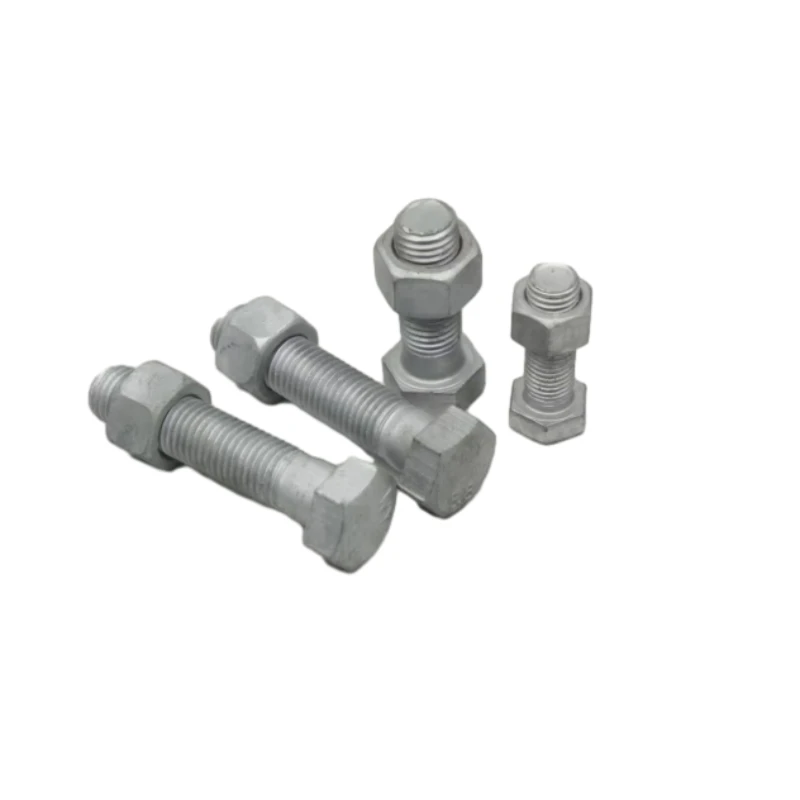
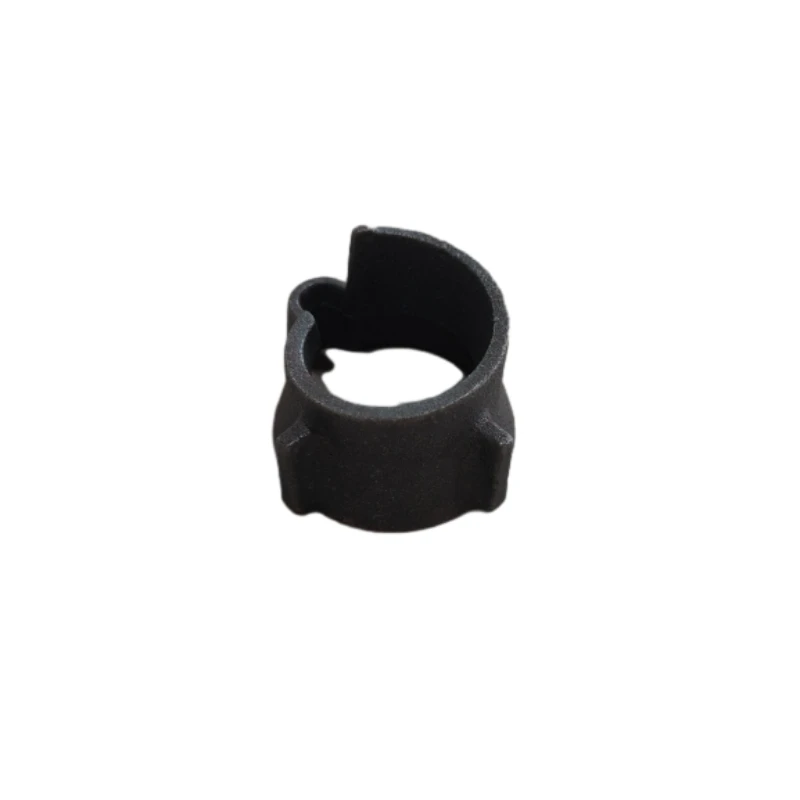
To put it simply, a cylindrical connector nut is a tubular fastener designed to join two threaded rods or components securely end-to-end by threading their ends inside the nut. They’re typically made from steel or alloy metals and can vary widely in size, strength, and finish based on requirements. The cylindrical shape allows for compact, aligned connections — something critical both in tight spaces and heavy-load scenarios.
These nuts are everywhere: in industrial scaffolding, mechanical assemblies, and even in the frameworks for temporary shelters. Oddly enough, they combine simplicity and engineering precision in a way that supports some of the most complex builds.
Key Features of Cylindrical Connector Nuts
1. Durability
Most connector nuts must endure harsh conditions – corrosion, mechanical stress, temperature variations. Hence, materials like galvanized steel or stainless steel are popular for their rust resistance and long-lasting strength.
2. Precision & Fit
Because they must align threaded rods exactly, dimensional accuracy is critical. Poorly fitting connectors can cause weak joints or misalignments that escalate structural risks.
3. Scalability
From small-scale DIY repairs to massive industrial frameworks, connector nuts come in various sizes and strength classes, offering engineers the flexibility to choose according to load and environment.
4. Cost Efficiency
Cylindrical connector nuts are generally inexpensive when compared with custom-fabricated joints and reduce labor costs by simplifying assembly processes.
5. Ease of Installation
Because of their straightforward design, they can be installed with standard tools and don’t require elaborate training, making them popular in remote or emergency conditions.
Product Specifications: A Typical Cylindrical Connector Nut
| Specification | Details |
|---|---|
| Material | Galvanized Steel, Stainless Steel Options |
| Diameter Range | M6 to M30 (Metric Sizes) |
| Length | 30mm – 100mm Typical |
| Thread Type | ISO Metric Coarse/Fine Threads |
| Tensile Strength | Up to 1200 MPa (varies by grade) |
| Finish | Zinc Plated, Polished, Black Oxide |
Comparing Leading Vendors of Cylindrical Connector Nuts
| Vendor | Material Options | Custom Sizes | Global Shipping | Typical Lead Time |
|---|---|---|---|---|
| NutCo Industrial | Carbon Steel, Stainless | Yes | 50+ Countries | 2-4 weeks |
| FastenTech Solutions | Stainless Steel Only | No | Primarily North America | 1-3 weeks |
| Global Connectors Inc. | Carbon Steel, Alloy Steel, Stainless | Yes | Worldwide | 3-5 weeks |
Global Use Cases of Cylindrical Connector Nuts
- Disaster Relief Housing: In the aftermath of floods or earthquakes, rapid assembly of modular shelters using connector nuts speeds up the delivery of safe housing.
- Telecommunications Towers: Especially in remote regions of Africa and Asia, these connectors allow fast erection of antenna masts critical for communications.
- Industrial Frameworks: Oil rigs, mining scaffolding, and factory structures in harsh climates rely heavily on strong, corrosion-resistant connector nuts.
- Renewable Energy Deployments: Wind turbine towers and solar panel mounting systems often use cylindrical nuts for modular, scalable assembly.
In many ways, they’re the silent enablers of global infrastructure resilience and rapid expansion.
Advantages & Long-Term Value
The appeal of cylindrical connector nuts boils down to a few tangible benefits:
- Cost Savings: Less custom machining and straightforward installation reduce both material and labor expenses.
- Sustainability: Durable materials mean fewer replacements and less waste.
- Safety & Reliability: Consistent threaded connections reduce failure risks under load or vibration.
- Enhancing Innovation: Architects and engineers gain modular flexibility, enabling new design possibilities.
Beyond the logical, there’s an emotional dimension, too: workers on-site appreciate the peace of mind that reliable connectors bring — fewer reworks, more trust, and ultimately, safer environments. And frankly, isn’t that what engineering strives for?
Future Trends & Innovations
Looking ahead, several trends could reshape how cylindrical connector nuts are produced and used:
- Advanced Materials: Incorporating composites and lighter alloys to improve strength-to-weight ratios.
- Smart Fasteners: Embedding sensors to monitor tension and stress levels remotely during a structure’s life cycle.
- Automation & Robotics: Automated installation tools that reduce human error and speed assembly.
- Green Manufacturing: Using recycled metals and eco-friendly plating to minimize environmental footprints.
These innovations reflect broader pushes within construction and manufacturing toward more sustainable and intelligent systems.
Challenges & Solutions
Of course, no technology is perfect. Common issues include thread wear from repeated assembly/disassembly, corrosion in extreme environments, and sizing inconsistencies from low-quality manufacturing.
Experts advocate stricter quality controls and industry standards (like ISO 898-2 for mechanical properties of nuts) to ensure reliability. Using coatings such as zinc-nickel or specialized lubricants can boost corrosion resistance and decrease thread galling.
Some manufacturers also offer custom connectors designed for specific tensile loads or environmental challenges — though this raises costs and complexity.
FAQ: Frequently Asked Questions About Cylindrical Connector Nuts
1. What sizes of cylindrical connector nuts are most commonly used?
Typical sizes range from M6 to M30 metric diameters, depending on the application. Smaller nuts serve lightweight frames; larger ones are common in heavy industrial scaffolding and infrastructure projects.
2. How do these nuts improve assembly speed compared to welded joints?
Since cylindrical connector nuts allow threaded rods to be joined with hand or power tools, assembly becomes faster and less dependent on skilled welders. This modular approach also simplifies repairs and disassembly.
3. Are there eco-friendly cylindrical connector nut options?
Yes, many manufacturers now produce nuts with recycled metals and apply non-toxic plating methods to reduce environmental impact without compromising strength.
4. Can NGOs source these connector nuts for international disaster response?
Absolutely. Several vendors specialize in global shipping and custom orders catered to humanitarian operations — though lead times and customs regulations should be planned carefully.
5. What maintenance do these nuts require in harsh environments?
Regular inspections for corrosion or thread damage are advised. Protective coatings, periodic lubrication, and avoiding over-tightening can extend their lifespan significantly.
Conclusion: Modular Strength for a Connected World
Ultimately, cylindrical connector nuts may seem like just small pieces of metal, but they’re fundamental to building safe, scalable, and sustainable structures worldwide. From disaster relief shelters to towering industrial rigs, their versatility and reliability offer clear long-term value—not to mention the engineering peace of mind that professionals everywhere cherish.
Curious to learn more or find the right connector nuts for your project? Visit our website: https://www.wrkformwork.com to explore your options.
Mini takeaway: Cylindrical connector nuts might be underappreciated, but they hold crucial roles linking the present and future of global infrastructure.
References
Latest News
-
Adjustable U Jack: Essential Guide to Specifications, Applications & VendorsNewsDec.03,2025
-
Adjustable U Head Jack: Essential Guide to Benefits, Specs & Global UseNewsDec.03,2025
-
What Is an Adjustable U Head? Benefits, Uses & Supplier Comparison in ConstructionNewsDec.03,2025
-
Steel Joint Connector Nut: Essential Fastening Solutions for Modern InfrastructureNewsDec.02,2025
-
Nut Connector: Key Roles, Applications & Innovations in Modern IndustryNewsDec.02,2025
-
Nut Adaptor: A Key Component Bridging Industry Standards and Enhancing Assembly EfficiencyNewsDec.02,2025