Dec . 02, 2025 16:00 Back To List
What Is a Hex Connector Nut? Essential Guide & Global Applications
Understanding The Hex Connector Nut: A Small Component with Global Impact
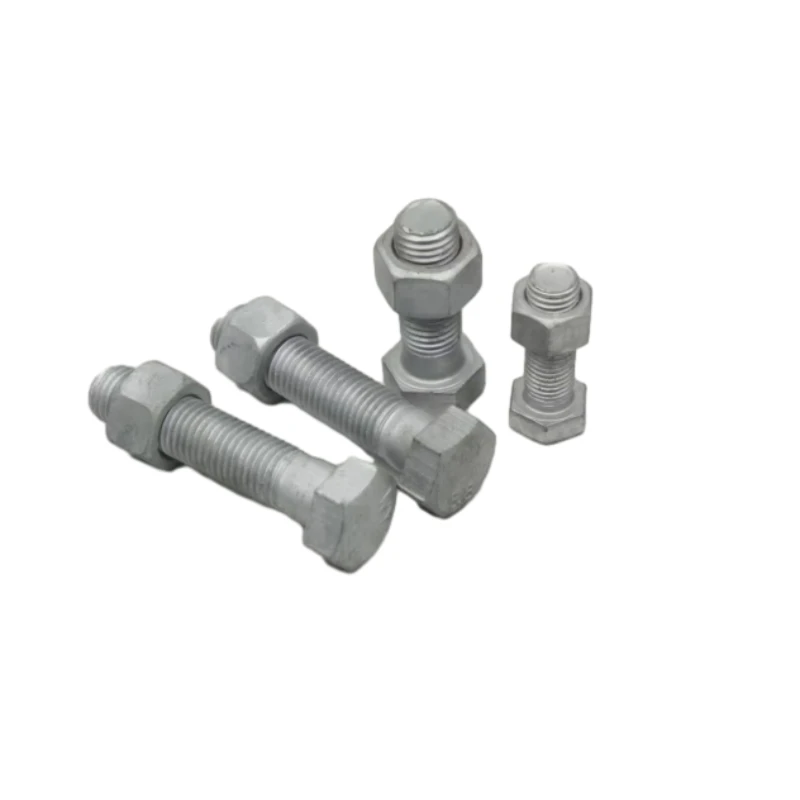
Whether you’re deep in construction, manufacturing, or engineering, you’ve probably come across a hex connector nut at some point. It sounds mundane, I know—a small hardware piece—but its role? Frankly, it’s pretty pivotal worldwide. From securing structural assemblies to enabling rapid construction in disaster zones, hex connector nuts offer reliability and versatility. Understanding this tiny yet mighty component helps industries ensure safety, efficiency, and innovation in their projects. Let’s unpack what makes it essential on a global scale.
Global Context: Why Hex Connector Nuts Matter Today
Across the globe, infrastructure development is accelerating — the World Bank reports billions funneled yearly into construction and manufacturing sectors. With this explosive growth, there’s an upward demand for components that are not just strong but adaptable. Hex connector nuts fit right into this puzzle by providing secure fastenings that hold critical systems together.
Considering the challenges of climate change and urbanization, construction materials and hardware must adhere to rigorous standards (like ISO 898-2 for mechanical properties of fasteners). Hex connector nuts respond to these demands by delivering consistency in performance—a must when disaster relief or rapid modular housing deployments are a priority.
What Is a Hex Connector Nut?
Put simply: a hex connector nut is a six-sided (hexagonal) fastening nut designed to connect threaded bolts or rods securely. Its shape allows easy gripping by wrenches or spanners, giving precise torque control, thus preventing loosening under vibrations or heavy loads. This seemingly simple shape actually helps address complex needs—from aerospace assemblies to humanitarian shelters.
In practical terms, these nuts are essential in modern industrial assemblies because they combine simplicity with robustness, enabling scalability and modular adaptability.
Core Components and Key Factors Influencing Hex Connector Nut Performance
1. Durability
Hex connector nuts are usually crafted from high-strength steel alloys or stainless steel, often treated with coatings like zinc plating or galvanization. These treatments prevent corrosion, allowing usage in harsh environments like coastal regions or chemical plants.
2. Precision and Fit
Tolerance matters here. A loose fit might lead to structural instability; a too-tight fit can cause thread damage. ISO standards regulate thread pitch and nut dimensions to ensure perfect pairing with bolts, minimizing wear and extending lifespan.
3. Scalability and Standardization
Since hex connector nuts follow international standards, they’re interchangeable worldwide. This enhances logistics efficiency in international projects and disaster relief where supply diversity is complex.
4. Cost Efficiency
Producing these nuts at scale benefits from economies that bring down unit costs. Their reusability in certain contexts and long-lasting materials lower replacement expenses over time — a plus for both industrial and humanitarian projects.
5. Installation Ease
Thanks to their hex shape, these nuts simplify the use of power tools and manual wrenches alike. Quick installation reduces labor times especially in fast-paced environments like modular construction sites.
Hex Connector Nut Specification Table
| Specification | Typical Value | Notes |
|---|---|---|
| Material | Carbon Steel / Stainless Steel | Corrosion resistance varies with coating |
| Standard | ISO 4032 / DIN 934 | Ensures interoperability worldwide |
| Thread Size Range | M3 to M48 (metric) | Common sizes for most industrial applications |
| Shape | Hexagonal | Facilitates wrench gripping and torque application |
| Finish | Zinc-Plated, Black Oxide, Galvanized | Protects against rust and wear |
Mini takeaway: The hex connector nut’s design and material composition ensure it performs reliably across many industries and environmental challenges.
Global Applications and Practical Use Cases
Oddly enough, despite being simple, hex connector nuts pop up in critical sectors:
- Construction: Used widely in steel frameworks and bridges, enabling fast and stable assembly.
- Disaster Relief Housing: Quick to install in modular shelters, providing essential stability for emergency structures. NGOs often source standardized nuts to ensure smooth assembly under pressure.
- Automotive Industry: Reliably securing engine components where vibration resistance is required.
- Renewable Energy: Wind turbines and solar panel mounts depend on these nuts for long-term hold despite weather exposure.
Regions like Southeast Asia and Africa, dealing with rapid urbanization and frequent natural disasters, especially benefit from the scalability and ease of application these fasteners support.
Vendor Comparison
| Vendor | Material Options | Standard Compliance | Customization | Lead Time |
|---|---|---|---|---|
| HexFast Inc. | Carbon Steel, Stainless Steel | ISO 4032, ASTM F594 | Available for bulk orders | 2-3 weeks |
| Nutex Global | High Grade Stainless Steel | DIN 934 | Custom threads on request | 4-6 weeks |
| ForgeFasteners | Zinc-Plated Steel | ISO 898-2 | Limited customization | 1-2 weeks |
Advantages and Long-Term Value of Hex Connector Nuts
You might think, “It’s just a nut.” But honestly, the advantages extend way beyond. Consider these points:
- Cost Savings: Durable materials mean fewer replacements, lowering lifecycle expenses.
- Sustainability: Reusable in certain projects, decreases material waste.
- Reliability: Prevents loosening in high-vibration environments, boosting safety.
- Social Impact: Ensures the structural integrity of emergency shelters, preserving dignity and safety.
From the logic of saving money to the emotional certainty of safety for families in crisis housing, these nuts connect much more than bolts—they connect trust.
Emerging Trends and Innovations
Innovation is knocking here, too. New coatings promise even higher corrosion resistance without toxic chemicals. Additive manufacturing (3D printing) for customized fasteners is emerging, allowing bespoke thread patterns for specialized applications.
On a bigger scale, digital inventories linked to blockchain improve supply chain traceability, ensuring authentic hex connector nuts arrive on site, reducing counterfeit risks.
Sustainability drives the search for nuts made from recycled metals or bio-based composites—still early days but promising.
Challenges and Practical Solutions
One issue is ensuring consistent quality across international suppliers — variations can cause mismatches or premature failure. Standards help, but vigilantly testing batches matters a lot.
Another challenge: installation in cramped or awkward locations where tools struggle. Innovations like low-profile hex nuts or combined washer-nut assemblies tackle this, easing logistics.
FAQ: Frequently Asked Questions About Hex Connector Nut
- What materials are commonly used for hex connector nuts in corrosive environments?
- Stainless steel and specially coated carbon steels, such as galvanized or zinc-plated finishes, are typical choices because they resist rust and degradation in harsh conditions.
- Can hex connector nuts be reused after removal?
- Generally, reusable if undamaged and thread integrity is intact; however, industrial standards advise inspecting threads and sometimes replacing nuts in critical assemblies for safety.
- How do standards like ISO 4032 influence the manufacturing of hex connector nuts?
- They define precise dimensions, thread pitch, and mechanical properties, ensuring interoperability, safety, and quality worldwide.
- Are hex connector nuts suitable for modular rapid deployment shelters?
- Absolutely. Their ease of installation, durability, and standardized dimensions make them a preferred choice in modular and emergency housing setups.
- What considerations are there for sourcing hex connector nuts internationally?
- Confirm vendor certifications, compliance with international standards, and shipping timelines. It’s also wise to request material test reports to verify quality in critical projects.
Wrapping Up: Why Hex Connector Nuts Remain Essential
In a way, the humble hex connector nut reminds us that sometimes the smallest parts carry the biggest responsibilities — literally holding together buildings, machines, and hopes. By investing in quality nuts that meet global standards, industries and humanitarian organizations alike ensure structures that stand tall and safe.
Curious to explore your options? For detailed specs and supplier info, visit our website: https://www.wrkformwork.com.
Mini takeaway: Attention to quality and standards in something as unassuming as a hex connector nut pays dividends in safety, cost, and trust.
References
Sometimes it’s the small things, like a hex connector nut, that make the biggest difference.
Latest News
-
Adjustable U Jack: Essential Guide to Specifications, Applications & VendorsNewsDec.03,2025
-
Adjustable U Head Jack: Essential Guide to Benefits, Specs & Global UseNewsDec.03,2025
-
What Is an Adjustable U Head? Benefits, Uses & Supplier Comparison in ConstructionNewsDec.03,2025
-
Steel Joint Connector Nut: Essential Fastening Solutions for Modern InfrastructureNewsDec.02,2025
-
Nut Connector: Key Roles, Applications & Innovations in Modern IndustryNewsDec.02,2025
-
Nut Adaptor: A Key Component Bridging Industry Standards and Enhancing Assembly EfficiencyNewsDec.02,2025