Sep . 10, 2025 10:40 Back To List
Durable Form Tie Rods for Reliable Concrete Forming
The Indispensable Role of Form Tie Rods in Modern Concrete Construction
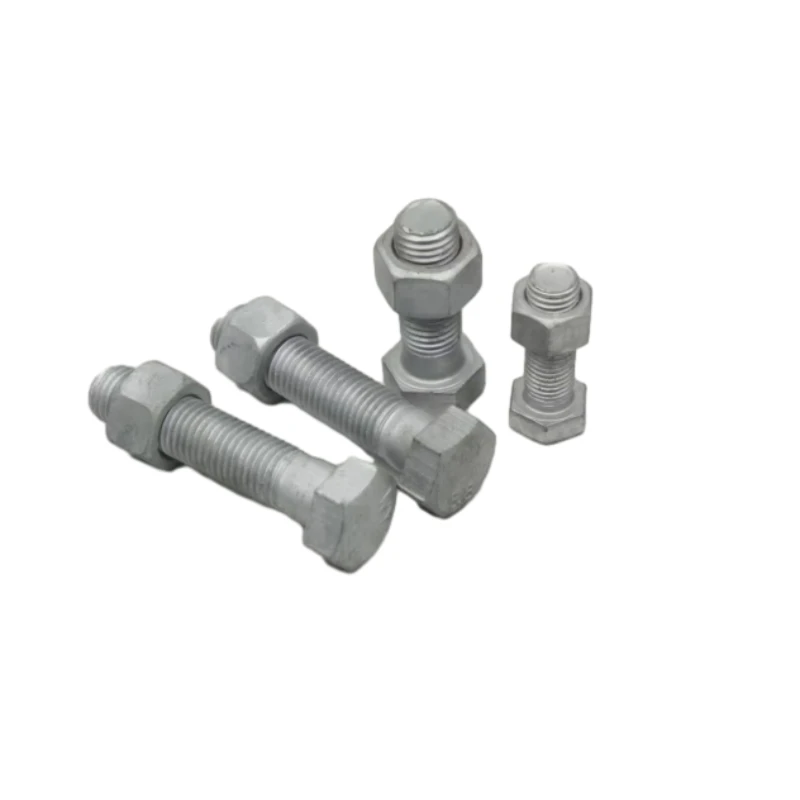
In the demanding landscape of civil engineering and infrastructure development, the integrity and stability of concrete structures are paramount. At the heart of achieving this lies a critical component: the form tie rod. These robust threaded bars, often referred to as formwork threaded tie bars, tie rod shuttering, or coil rod concrete forming, are essential for securely holding formwork panels together during concrete pouring, preventing displacement and ensuring the precise dimensions and strength of the finished structure. Their reliable performance is non-negotiable for projects ranging from high-rise buildings and bridges to intricate water treatment facilities.
This comprehensive guide delves into the technical intricacies, application methodologies, and strategic advantages of advanced form tie rod systems, providing B2B decision-makers and engineering professionals with the knowledge required to select and implement optimal solutions for their construction endeavors.
Industry Trends in Formwork Tie Rod Technology
The construction industry is continuously evolving, driven by demands for increased efficiency, sustainability, and structural longevity. Current trends impacting form tie rod technology include:
- High-Strength Materials: A shift towards higher-grade steels (e.g., 45# carbon steel, Q235) and advanced alloys that offer superior tensile and yield strength, reducing the number of ties required and optimizing material usage.
- Enhanced Corrosion Resistance: Growing adoption of galvanized, zinc-plated, or epoxy-coated tie rods to extend service life, particularly in harsh environments like coastal regions or petrochemical facilities, where resistance to chemical exposure is crucial.
- Modularity and Reusability: Emphasis on modular formwork systems that integrate reusable form tie rod components, reducing waste and contributing to project sustainability. This aligns with circular economy principles in construction.
- Digital Integration: Development of tie rod systems that can be more easily integrated into Building Information Modeling (BIM) workflows, allowing for precise planning, material optimization, and enhanced site logistics.
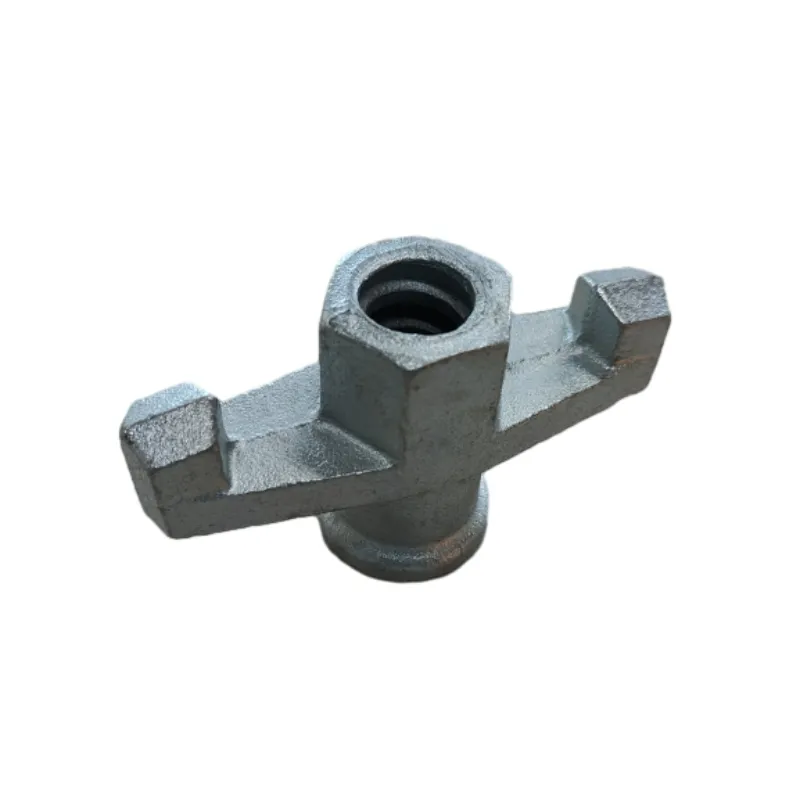
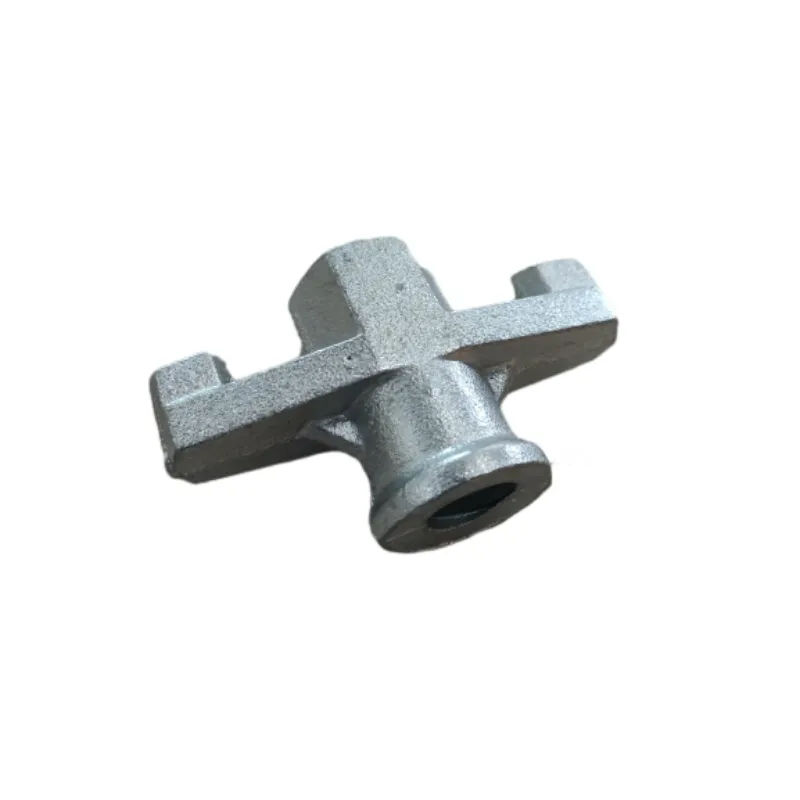
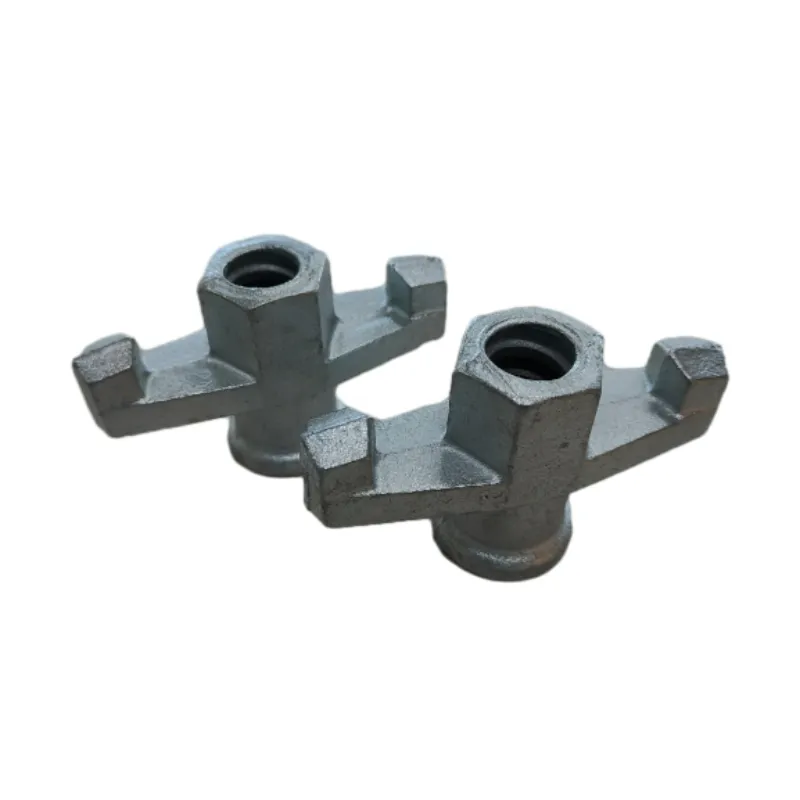
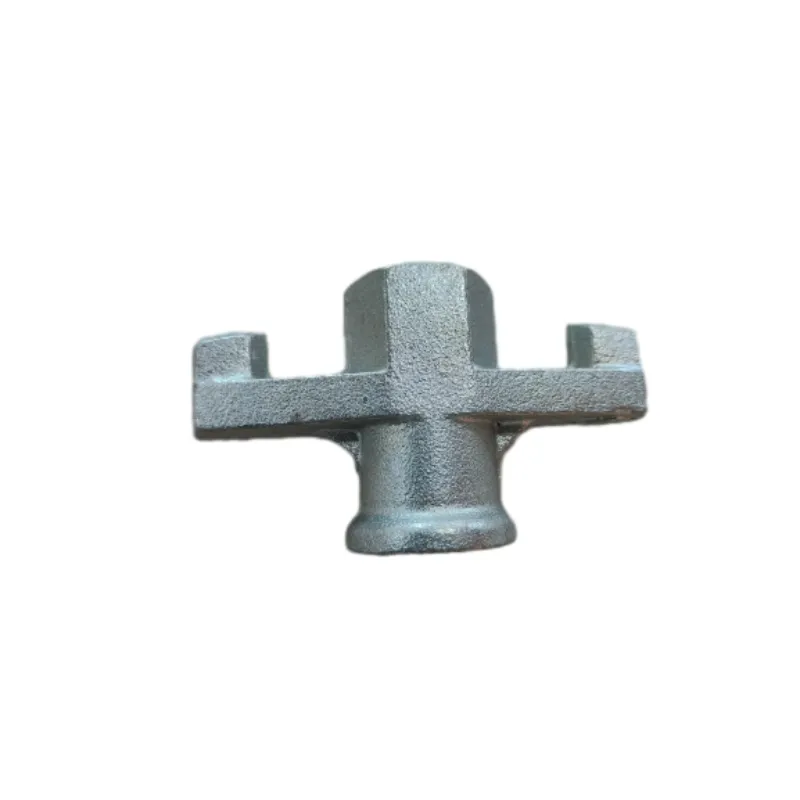
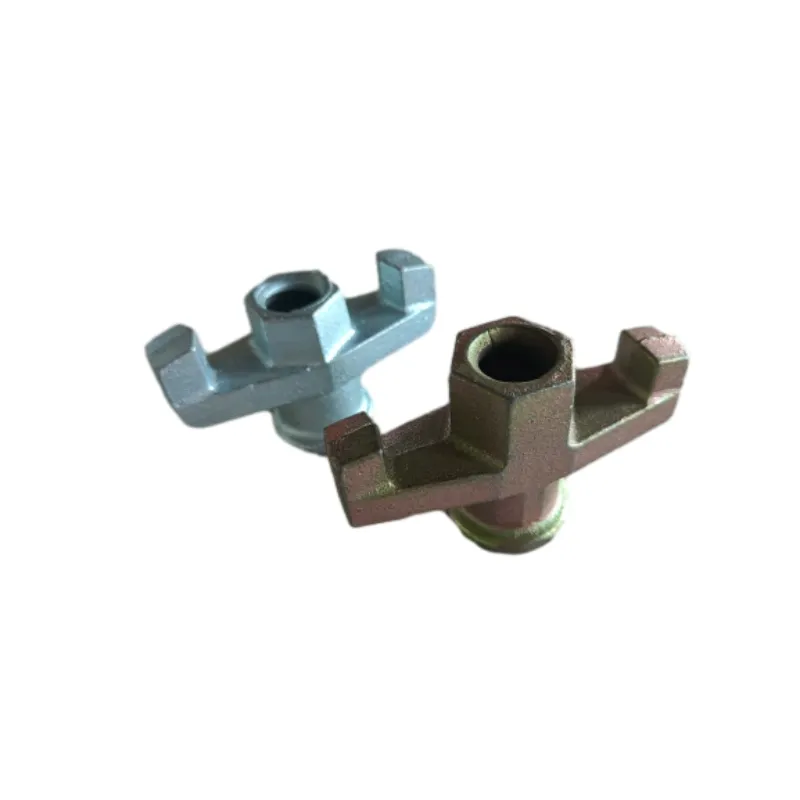
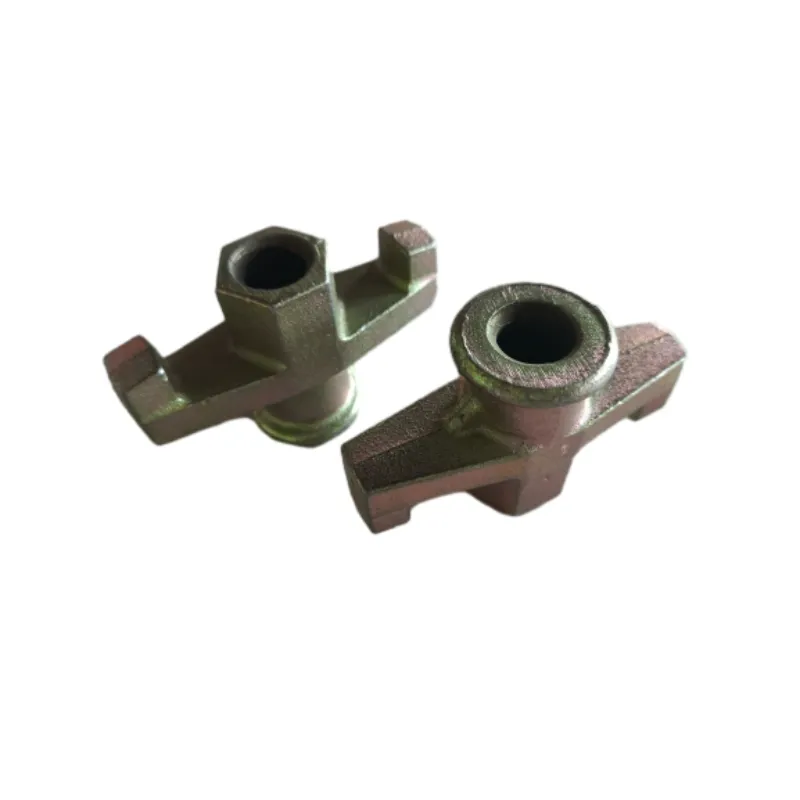
- Safety and Ergonomics: Innovations in tie rod accessories (e.g., wing nuts, anchor nuts, waler plates) designed for quicker, safer installation and removal, minimizing manual labor and associated risks.
Manufacturing Process of Form Tie Rods
The production of a high-quality form tie rod involves a series of meticulously controlled stages, ensuring the final product meets stringent performance and safety standards. The process typically starts with the selection of premium raw materials, usually high-tensile carbon steel (e.g., 45# or Q235 grade, as per ASTM A36/A572 equivalent standards), chosen for its excellent strength-to-weight ratio and durability.
Process Flow:
- Material Selection & Preparation: High-quality steel billets or rods are sourced. Chemical composition analysis ensures compliance with standards like EN 10025 or ASTM.
- Hot Rolling/Cold Drawing: The steel is either hot-rolled to achieve the desired diameter and initial strength or cold-drawn for finer dimensional accuracy and increased tensile strength.
- Threading: Precision threading is crucial. This can be achieved through:
- Roll Threading: A cold-forming process that plastically deforms the material to create threads, enhancing fatigue resistance and strength compared to cut threads. This is common for continuous thread coil rod ties.
- Cut Threading: Material is removed to form threads, typically used for specific applications or material types.
- Forging/CNC Machining: For specialized ends or integrated components, forging or CNC machining may be employed to achieve complex geometries with high precision.
- Heat Treatment (Optional but Recommended): Depending on the required mechanical properties, tie rods may undergo heat treatment processes like quenching and tempering to optimize hardness, strength, and ductility.
- Surface Treatment: To enhance corrosion resistance and prolong service life, common treatments include:
- Galvanization: Hot-dip galvanizing provides a thick, durable zinc coating, ideal for outdoor and corrosive environments (e.g., water supply & drainage projects).
- Electro-Galvanizing (Zinc Plating): A thinner, more aesthetic coating suitable for less severe conditions.
- Black Oxide Coating: Provides a mild corrosion resistance and aesthetic finish.
- Quality Control & Testing: Each batch undergoes rigorous testing to comply with international standards such as ISO 9001 for quality management, ANSI B1.13M for metric screw threads, and specific tensile strength tests (e.g., as per ASTM E8/E8M). This includes visual inspection, dimensional checks, tensile strength testing, yield strength testing, and hardness testing.
Target industries benefiting from these highly engineered products include petrochemical, metallurgy, power generation, and water supply & drainage. The advantages in typical application scenarios are clear: energy saving through optimized material use, significantly enhanced corrosion resistance in aggressive chemical environments, and extended service life contributing to long-term cost-effectiveness.
Technical Specifications and Parameters
The performance of a form tie rod is defined by its precise technical specifications, which dictate its load-bearing capacity, durability, and compatibility with various formwork systems. Understanding these parameters is crucial for engineers to ensure structural safety and project efficiency.
Typical Form Tie Rod Specifications:
| Parameter | Description | Typical Value/Range | Standard |
|---|---|---|---|
| Material Grade | High-tensile carbon steel | Q235, 45#, 40Cr | ASTM A36/A572, EN 10025 |
| Nominal Diameter | Rod diameter | 15mm, 16mm, 17mm, 20mm, 22mm, 24mm | ISO 1461, DIN 488 |
| Thread Pitch | Distance between threads | 5mm, 6mm, 10mm | ANSI B1.13M, DIN 13 |
| Tensile Strength | Maximum stress material can withstand | ≥500 N/mm² (MPa) | ASTM E8/E8M |
| Yield Strength | Stress at which material begins to deform permanently | ≥345 N/mm² (MPa) | ASTM E8/E8M |
| Elongation | Measure of ductility | ≥18% | ASTM E8/E8M |
| Surface Treatment | Corrosion protection | Black, Electro-galvanized, Hot-dip galvanized | ISO 1461, ASTM B633 |
| Length | Customizable for project needs | 0.5m to 6m (or as specified) | Project Specific |
These specifications ensure that the form tie rod can safely withstand the immense hydrostatic pressures exerted by wet concrete, preventing blowouts and maintaining the precise geometry of the cast structure. Adherence to these standards is a hallmark of product quality and reliability.
Application Scenarios and Versatility
The versatility of form tie rod systems makes them indispensable across a wide array of construction projects. Their primary function is to secure formwork panels against the outward pressure of fresh concrete, ensuring that walls, columns, and slabs maintain their intended dimensions and structural integrity during the curing process. Different types, such as formwork threaded tie bars, tie rod shuttering, and coil rod concrete forming, are adapted for specific applications.
- High-Rise Commercial and Residential Buildings: For constructing shear walls, core walls, and columns, where high concrete pressures and stringent dimensional tolerances are required.
- Bridge Construction: Essential for piers, abutments, and deck slab formwork, critical for maintaining alignment and resisting heavy loads.
- Infrastructure Projects: Used in tunnels, dams, reservoirs, retaining walls, and subway systems, where durable and precisely formed concrete is paramount for long-term operational integrity.
- Water Treatment Plants & Drainage Systems: In environments exposed to moisture and chemicals, corrosion-resistant tie rods are critical for the longevity of concrete tanks, channels, and sumps.
- Industrial Facilities (Petrochemical, Metallurgy): For constructing foundations, containment structures, and heavy machinery bases that require exceptional strength and resistance to harsh industrial conditions.
- Precast Concrete Manufacturing: Coil rod ties are frequently used in precast applications for anchoring, lifting, and handling concrete elements, ensuring secure and efficient production.
In each of these scenarios, the reliable performance of form tie rod systems directly translates to increased construction efficiency, enhanced worker safety by preventing formwork failures, and superior quality of the finished concrete structure, ultimately reducing costly reworks and project delays.
Technical Advantages of Advanced Form Tie Rod Systems
Investing in high-quality form tie rod systems yields significant technical and economic advantages for construction projects:
- Superior Load-Bearing Capacity: Manufactured from high-tensile steel with precision threading, these rods offer exceptional strength to withstand extreme concrete pressures without deformation, ensuring structural integrity.
- Enhanced Durability and Reusability: Robust construction and optional surface treatments (e.g., hot-dip galvanization) extend the service life of tie rods, allowing for multiple uses across projects. This significantly reduces material costs and environmental impact.
- Dimensional Accuracy: By securely holding formwork in place, tie rods guarantee that the cast concrete elements precisely match design specifications, minimizing rework and ensuring compliance with architectural and engineering plans.
- Ease of Installation and Stripping: Compatible with various formwork systems and accessories (wing nuts, anchor nuts, waler plates), modern tie rod systems are designed for quick and intuitive assembly and disassembly, improving site productivity.
- Cost-Effectiveness: While initial investment might be higher for premium products, the benefits of reusability, reduced labor, fewer failures, and faster project completion lead to substantial long-term savings.
- Safety Compliance: Reliable tie rod systems prevent catastrophic formwork failures, protecting onsite personnel and preventing costly project delays, contributing to a safer work environment.
Vendor Comparison: Selecting the Right Partner
Choosing a reliable supplier for form tie rod solutions is as critical as the product itself. A careful comparison reveals key differentiators beyond mere price. Factors like manufacturing precision, material traceability, certification, and after-sales support significantly impact project success and long-term cost of ownership.
Form Tie Rod Supplier Comparison Criteria:
| Criterion | Premium Supplier (e.g., WRK) | Standard Supplier |
|---|---|---|
| Material Quality | Certified high-tensile steel (e.g., 45#, 40Cr), fully traceable with mill certificates. | Variable, often Q235 or lower grade, less stringent material verification. |
| Manufacturing Precision | Advanced roll threading, CNC machining, rigorous dimensional control. | Cut threading, less consistent dimensions, potential for thread damage. |
| Corrosion Protection | Hot-dip galvanized, epoxy-coated for extended life in harsh conditions. | Black oxide, light electro-galvanization, minimal protection. |
| Certifications | ISO 9001, CE, ASTM, EN standards for manufacturing and material. | Limited or no verifiable certifications. |
| Customization Options | Extensive, including specific lengths, thread types, and specialized coatings. | Minimal, typically off-the-shelf sizes. |
| Technical Support | Dedicated engineering support, application guidance, site assistance. | Basic product information only. |
| Warranty & After-Sales | Comprehensive warranty, clear return/replacement policy. | Limited or no explicit warranty. |
Partnering with a supplier renowned for quality, like WRK Formwork, ensures that the formwork systems are supported by robust and reliable form tie rod components, leading to safer, more efficient, and ultimately more profitable projects.
Customized Solutions for Unique Project Demands
While standard form tie rod products meet the requirements of many projects, complex or unique construction challenges often necessitate tailored solutions. Leading manufacturers specialize in providing customized formwork threaded tie bars that perfectly align with specific engineering demands.
- Non-Standard Lengths: For exceptionally thick walls or specialized formwork designs, custom tie rod lengths can be manufactured to optimize material use and reduce waste.
- Specific Thread Profiles: Projects requiring compatibility with existing or proprietary formwork systems may need tie rods with unique thread pitches or diameters.
- Advanced Material Compositions: For extreme environments (e.g., highly corrosive industrial settings, high-temperature applications), tie rods can be fabricated from specialized alloys or stainless steel grades (e.g., 304, 316).
- Specialized Coatings: Beyond standard galvanization, custom epoxy, polymer, or anti-abrasion coatings can be applied to meet specific performance criteria or aesthetic requirements.
- Integrated Components: Custom fabrication can include pre-welded components, specialized end fittings, or custom stop devices, simplifying on-site assembly and enhancing system functionality.
Such customization, coupled with expert engineering consultation, ensures that even the most demanding projects can proceed with optimal formwork stability and cost-effectiveness.
Application Case Studies
Real-world application demonstrates the tangible benefits of high-performance form tie rod systems:
Case Study 1: High-Rise Residential Tower, Metropolitan City
Challenge: Constructing 40-story shear walls requiring exceptional vertical alignment and resistance to significant concrete pressures. The project demanded high reusability for faster floor cycles.
Solution: Implementation of 20mm diameter, hot-dip galvanized form tie rod systems with specialized heavy-duty wing nuts. The tie rods were manufactured from 40Cr alloy steel, providing a tensile strength exceeding 650 MPa.
Result: Over 100 concrete pours completed with zero formwork failures. The robust design allowed for an average of 15 reuses per tie rod, significantly reducing material consumption and contributing to a 15% reduction in overall formwork costs. The high precision ensured wall plumbness within 2mm over 3 meters.
Case Study 2: Coastal Wastewater Treatment Facility
Challenge: Constructing large concrete aeration tanks and settling basins in a highly corrosive marine environment. Longevity and chemical resistance were paramount.
Solution: Customized formwork threaded tie bars with thick hot-dip galvanization and an additional epoxy coating were specified. Tie rods were manufactured to ISO 1461 standards for zinc coating thickness.
Result: After 5 years in service, inspections revealed minimal corrosion on the exposed tie rod ends, far exceeding the typical lifespan of standard ties in similar environments. The robust corrosion protection ensured the structural integrity of the concrete tanks against aggressive wastewater chemistries, preventing premature degradation.
Frequently Asked Questions (FAQ)
Q: What is the typical service life of a form tie rod?
A: The service life of a form tie rod depends heavily on material quality, surface treatment, and site usage conditions. High-quality, galvanized tie rods can typically be reused 10-20 times or more under normal conditions. In corrosive environments, specialized coatings are essential to achieve extended reusability.
Q: How do you ensure the quality of your form tie rods?
A: Our products undergo a multi-stage quality control process, including raw material inspection, in-process dimensional checks, heat treatment verification, surface finish assessment, and final mechanical testing (tensile strength, yield strength, elongation) in accordance with ISO 9001 and relevant ASTM/EN standards. Material traceability is maintained for every batch.
Q: What is your standard lead time for large orders?
A: Standard lead times for common form tie rod specifications typically range from 2-4 weeks, depending on order volume and current production schedules. For customized solutions or very large quantities, lead times are determined on a project-specific basis. We maintain strategic inventory levels to support urgent demands.
Q: What warranty and after-sales support do you offer?
A: We stand by the quality of our products with a comprehensive warranty against manufacturing defects. Our dedicated customer support team provides technical assistance, product usage guidance, and responsive after-sales service, including handling any queries regarding product performance or delivery. Our goal is to ensure complete customer satisfaction throughout the project lifecycle.
Citations
- American Society for Testing and Materials (ASTM). ASTM A36/A36M, Standard Specification for Carbon Structural Steel.
- International Organization for Standardization (ISO). ISO 9001, Quality management systems – Requirements.
- European Committee for Standardization (CEN). EN 10025, Hot rolled products of structural steels.
- American National Standards Institute (ANSI). ANSI B1.13M, Metric Screw Threads - M Profile.
- Federal Highway Administration (FHWA). "Formwork for Concrete Structures." Construction Manual, U.S. Department of Transportation.
- Concrete Society. "Formwork: A Guide to Good Practice." Technical Report No. 13.
Latest News
-
Adjustable U Jack: Essential Guide to Specifications, Applications & VendorsNewsDec.03,2025
-
Adjustable U Head Jack: Essential Guide to Benefits, Specs & Global UseNewsDec.03,2025
-
What Is an Adjustable U Head? Benefits, Uses & Supplier Comparison in ConstructionNewsDec.03,2025
-
Steel Joint Connector Nut: Essential Fastening Solutions for Modern InfrastructureNewsDec.02,2025
-
Nut Connector: Key Roles, Applications & Innovations in Modern IndustryNewsDec.02,2025
-
Nut Adaptor: A Key Component Bridging Industry Standards and Enhancing Assembly EfficiencyNewsDec.02,2025