Aug . 28, 2025 04:40 Back To List
Expert Stamping Hardware & Custom Metal Manufacturing
In the demanding landscape of modern manufacturing, precision and durability are paramount. Stamping hardware stands as a cornerstone technology, delivering high-volume, cost-effective components crucial for a vast array of industrial and commercial applications. From intricate electronic connectors to robust structural supports, the versatility of stamped metal components makes them indispensable. This article delves into the technical intricacies, industry trends, and strategic advantages of leveraging advanced stamping solutions, providing a comprehensive guide for B2B decision-makers and engineers.
Industry Trends in Stamping Hardware Manufacturing
The global market for stamping hardware is undergoing significant evolution, driven by several key trends. Automation and intelligent manufacturing are at the forefront, with robotic integration and AI-driven quality control enhancing precision, speed, and efficiency. The shift towards lighter, stronger materials, such as advanced high-strength steels (AHSS), aluminum alloys, and composites, is pushing the boundaries of material science in stamping. This is particularly evident in the automotive sector's pursuit of fuel efficiency and safety.
Furthermore, the demand for highly customized, complex geometries is increasing, necessitating advanced tooling and simulation software. Environmentally conscious manufacturing practices are also gaining traction, with a focus on waste reduction, energy efficiency, and the use of recyclable materials throughout the production cycle. The rise of electric vehicles (EVs) and renewable energy systems presents new growth opportunities for specialized stamping hardware components, including intricate battery enclosures and solar panel mounting systems. Digitalization, including IoT-enabled equipment and predictive maintenance, is optimizing operational uptime and reducing costs across the entire value chain.
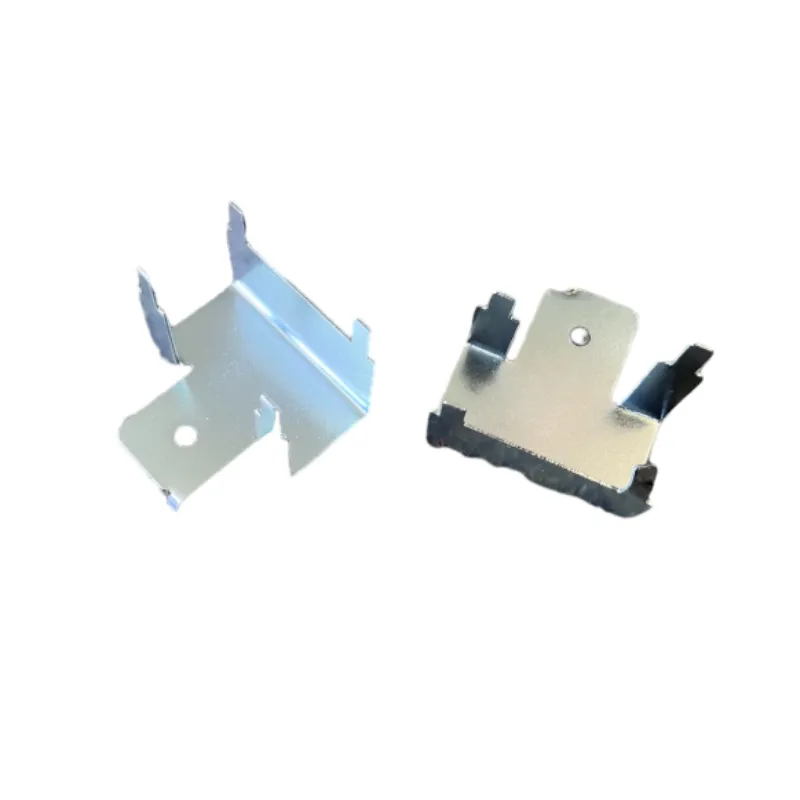
Manufacturing Process and Technical Specifications
The production of high-quality stamping hardware involves a meticulous multi-stage process, ensuring precision, consistency, and structural integrity. Understanding this process is key to appreciating the engineering excellence embedded in each component.
Process Flow: From Raw Material to Finished Product
- Material Selection & Preparation: Begins with selecting appropriate sheet metal (e.g., stainless steel, carbon steel, aluminum, brass, copper). Material properties like tensile strength, yield strength, and formability are critical. Coils are unrolled and often cleaned.
- Tooling Design & Fabrication: Precision dies are designed using CAD/CAM software. These dies, often made from hardened tool steel, define the component's final shape. Types include progressive dies for complex parts, compound dies for simple parts, and transfer dies for larger, multi-stage parts.
-
Stamping Operations:
- Blanking: Cutting a flat piece of material (the "blank") from a larger sheet.
- Piercing/Punching: Creating holes or cutouts within the blank.
- Bending/Forming: Deforming the material along a straight or curved axis to create flanges, channels, or other features.
- Deep Drawing: Forming sheet metal into a hollow, open-ended shape, such as a cup or box, where the depth is greater than the opening diameter.
- Coining: A severe form of cold-forming where the metal is compressed between the die and punch to create precise, often raised or recessed, features with excellent surface finish.
- Progressive Stamping: Multiple operations (blanking, punching, bending) are performed sequentially at different stations within a single die, moving the strip through the press. This is highly efficient for complex components.
- Trimming & Deburring: Excess material is removed, and sharp edges are smoothed to ensure safety and fit.
- Secondary Operations (Optional): May include tapping, reaming, welding, heat treatment (e.g., annealing, hardening), or machining for tighter tolerances on specific features.
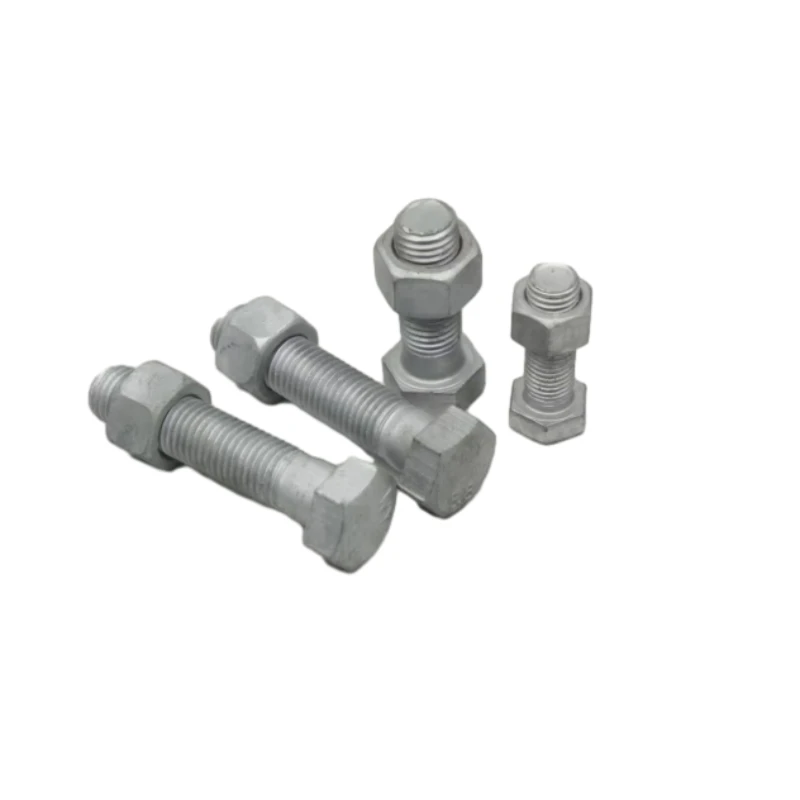
- Surface Finishing: Application of coatings for corrosion resistance, aesthetics, or conductivity (e.g., galvanizing, powder coating, electroplating, anodizing). This is crucial for components like black nuts and bolts hardware which often require enhanced protection.
- Quality Control & Testing: Rigorous inspection at various stages.
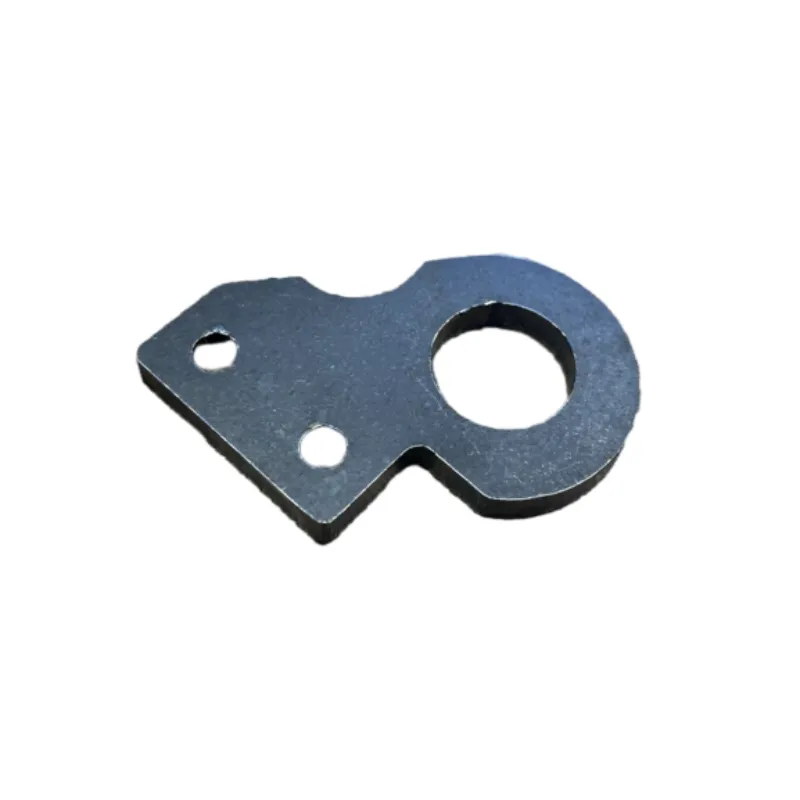
Quality Control and Testing Standards
Adherence to international standards is fundamental for ensuring the reliability and performance of stamped components. Key certifications and testing protocols include:
- ISO 9001: Quality Management Systems, ensuring consistent product quality and customer satisfaction.
- IATF 16949: Specific quality management standard for the automotive industry, demanding stringent process control.
- ANSI (American National Standards Institute): Provides standards for various mechanical components and manufacturing processes.
- ASTM International: Publishes technical standards for materials, products, systems, and services, including material testing methods (e.g., tensile strength, hardness, corrosion resistance).
- Dimensional Accuracy: Measured using CMM (Coordinate Measuring Machine), optical comparators, and precision gauges, ensuring tolerances are met (e.g., ±0.05mm for precision stampings).
- Material Hardness: Rockwell or Vickers hardness tests confirm material integrity after stamping and heat treatment.
- Corrosion Resistance: Salt spray tests (e.g., ASTM B117) assess the efficacy of surface coatings.
Key Technical Parameters for Stamped Components
| Parameter | Description | Typical Range / Standard |
|---|---|---|
| Material Thickness | Range of sheet metal thickness that can be processed. | 0.05 mm to 10 mm (0.002" to 0.4") |
| Tolerance Capability | Precision of the final dimensions. | ±0.02 mm to ±0.2 mm (depending on part complexity) |
| Tensile Strength | Maximum stress a material can withstand before breaking. | 250 MPa (mild steel) to 1500 MPa (AHSS) |
| Surface Finish | Roughness and texture of the stamped surface. | As-stamped, or Ra 0.8 µm - 3.2 µm (after finishing) |
| Tooling Life | Expected lifespan of the stamping dies before maintenance/replacement. | 1 Million to 100 Million+ strokes (depending on material & design) |
Application Scenarios and Target Industries
The versatility of hardware stamping makes it indispensable across a multitude of industries, providing robust, precise, and cost-effective solutions for both high-volume and specialized applications.
- Automotive: Components for chassis, body panels, engine parts, structural elements, brackets, and interior fittings. Focus on lightweighting and safety using AHSS.
- Electronics: Connectors, contacts, shields, enclosures, heat sinks, and battery components for consumer electronics, industrial controls, and telecommunications.
- Aerospace: Lightweight structural components, brackets, and interior parts, often requiring high-strength aluminum or titanium alloys with strict quality controls.
- Medical Devices: Precision components for surgical instruments, diagnostic equipment, and implantable devices, demanding biocompatible materials and extreme precision.
- Petrochemical & Energy: Durable components for valves, pipe hangers, and structural supports in harsh environments, requiring corrosion-resistant materials and robust designs. This includes the black nuts and bolts hardware used in these demanding sectors.
- Metallurgy: Essential for processing equipment, structural components, and parts exposed to high temperatures and abrasive conditions.
- Water Supply & Drainage: Brackets, clamps, and housing components requiring excellent corrosion resistance for long service life.
- Construction: Connectors, brackets, fasteners, and structural elements for residential, commercial, and infrastructure projects, emphasizing strength and longevity.
- HVAC & Appliances: Enclosures, fan blades, brackets, and internal components requiring efficient production and good surface finish.
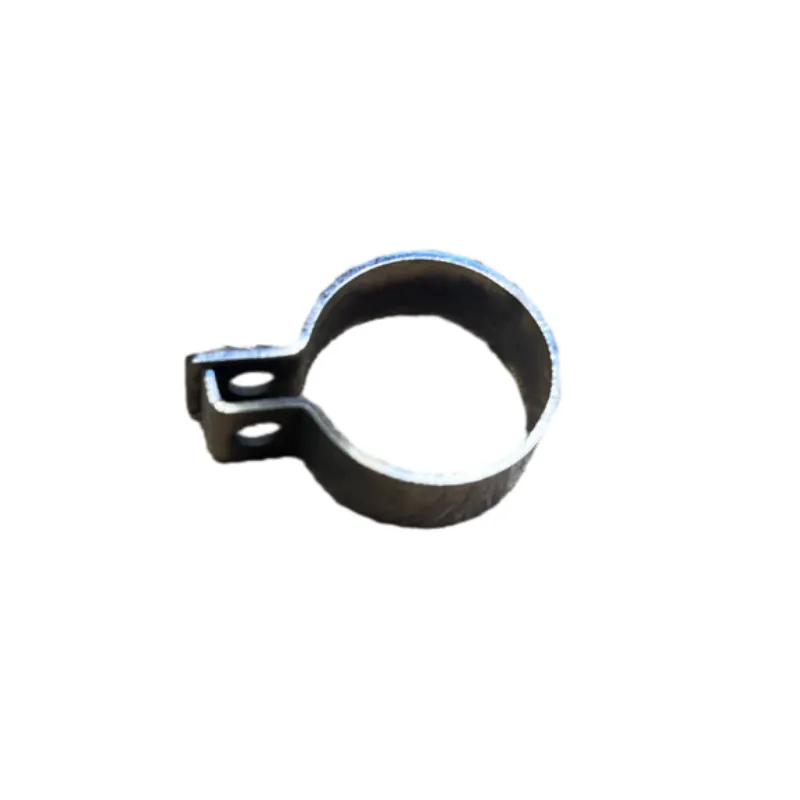
Technical Advantages of Stamping Hardware
Stamping hardware offers a compelling suite of technical and economic advantages over alternative manufacturing methods like casting, forging, or CNC machining, particularly for mass production.
- High Production Volume & Cost Efficiency: Once tooling is established, stamping can produce millions of parts rapidly and at a low unit cost, making it ideal for mass production. This is significantly more efficient than machining for high volumes.
- Precision and Repeatability: Stamping processes consistently produce parts with tight tolerances and excellent repeatability, crucial for assemblies and critical applications. CNC machining offers similar precision but at a higher per-unit cost for high volumes.
- Material Efficiency: Stamping produces minimal material waste compared to subtractive methods like CNC machining. Techniques like nesting and progressive dies optimize material utilization.
- Enhanced Material Strength: Cold working during the stamping process can increase the material's yield strength and hardness, resulting in stronger components compared to casting.
- Versatile Material Compatibility: A wide range of metals and alloys, including stainless steel, carbon steel, aluminum, brass, and copper, can be stamped, offering flexibility in material selection based on application requirements (e.g., corrosion resistance, conductivity).
- Complex Geometries: Advanced stamping techniques, including deep drawing and progressive stamping, enable the creation of intricate three-dimensional shapes and integrated features in a single process.
- Excellent Surface Finish: Stamped parts often require minimal secondary finishing operations, reducing production time and cost. Surface coatings can be easily applied for aesthetics or enhanced properties.
- Energy Saving: While the presses consume energy, the high-speed production, reduced material waste, and minimal post-processing often lead to lower overall energy consumption per part compared to other methods, especially when considering the entire lifecycle.
- Corrosion Resistance: By selecting appropriate base materials (e.g., stainless steel) and applying advanced coatings (e.g., zinc plating, powder coating, galvanizing), stamped components can achieve superior resistance to corrosion, extending service life in harsh environments.
Comparison: Stamping vs. Other Manufacturing Methods
| Feature | Stamping | Casting | Forging | CNC Machining |
|---|---|---|---|---|
| Initial Tooling Cost | Moderate to High | Moderate to High | Moderate to High | Low (for simple fixtures) |
| Unit Cost (High Volume) | Very Low | Low to Moderate | Moderate | High |
| Material Utilization | High | Moderate (runners/risers) | High | Low (chip waste) |
| Strength/Integrity | Excellent (cold worked) | Good (can have porosity) | Superior (grain flow) | Good (depends on material) |
| Geometric Complexity | Moderate to High (2D & 3D forms) | Very High (complex internal features) | Moderate (solid forms) | Very High (any machinable shape) |
| Surface Finish | Good (as-stamped) | Fair (rough, often requires secondary) | Good | Excellent (controlled) |
Vendor Comparison and Selection Criteria
Selecting the right partner for your hardware stamping needs is critical for project success, product quality, and supply chain reliability. A thorough evaluation should go beyond initial cost estimates.
- Technical Expertise & Engineering Capability: Assess their ability to handle complex designs, material selection, tool design, and DFM (Design for Manufacturability) input. Look for strong engineering teams and the use of advanced simulation software.
- Quality Certifications & Control: Verify ISO 9001, IATF 16949 (for automotive), or other relevant industry-specific certifications. Inquire about their QC processes, measurement capabilities (CMM), and statistical process control (SPC).
- Equipment & Capacity: Evaluate their range of stamping presses (tonnage, bed size), secondary operation capabilities (welding, machining, heat treatment), and finishing options. Ensure their capacity aligns with your volume requirements.
- Material Sourcing & Management: A reliable vendor will have established relationships with quality material suppliers and robust inventory management, especially for specialized materials or components like black nuts and bolts hardware.
- Customization & Prototyping Capabilities: For unique requirements, can they offer rapid prototyping and support custom tooling development?
- Lead Times & Logistics: Understand their typical lead times for tooling and production runs, as well as their supply chain management and logistics capabilities.
- Reputation & References: Seek customer testimonials, case studies, and industry references. A long-standing presence and a portfolio of reputable clients are good indicators of reliability.
- Cost-Effectiveness & Value: While price is a factor, consider the total cost of ownership, including quality, reliability, engineering support, and long-term partnership benefits.
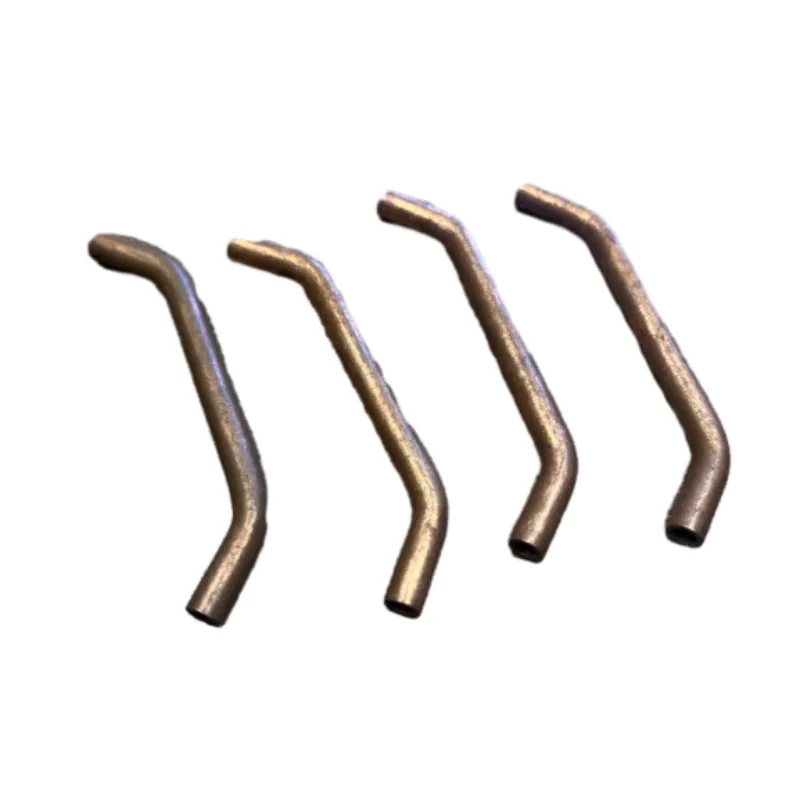
Customized Solutions for OEM Stamped Hardwares
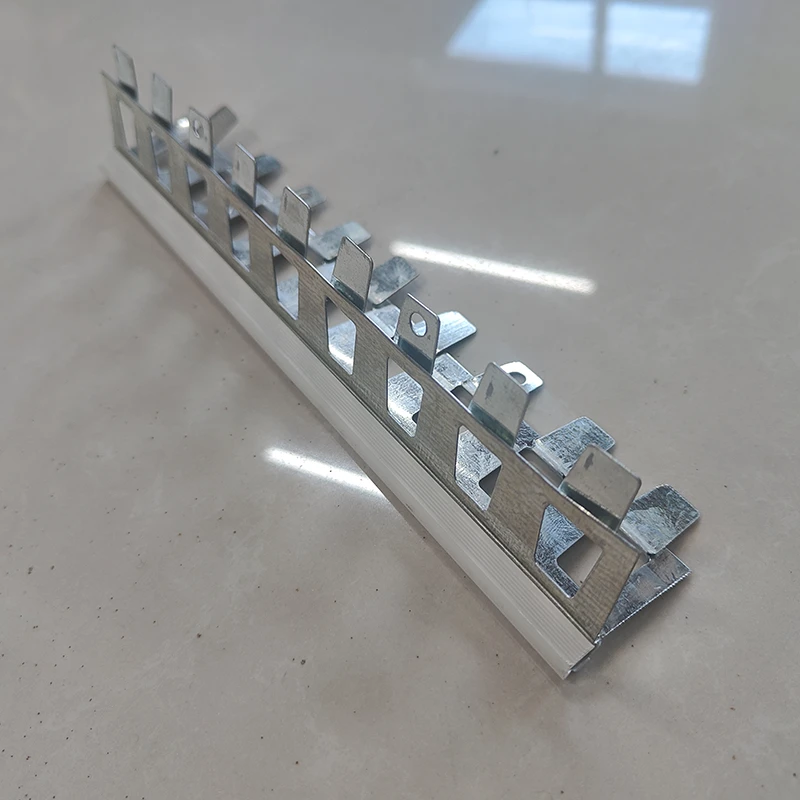
OEM Stamped Hardwares are designed to meet specific client requirements, offering significant advantages in performance, integration, and cost over off-the-shelf components. A robust custom stamping program involves collaborative design, material optimization, and rigorous testing.
- Design for Manufacturability (DFM): Our engineering team works closely with clients to optimize part designs for efficient stamping, reducing material waste, simplifying tooling, and minimizing production costs while maintaining functionality.
- Material Expertise: Guidance on selecting the ideal material (e.g., specific grades of stainless steel for corrosion resistance in chemical processing, high-strength low-alloy steel for automotive safety components, or copper alloys for electrical conductivity).
- Prototyping & Iteration: We provide rapid prototyping services, often using advanced 3D printing for initial concepts or soft tooling for functional testing, allowing for quick design iterations and validation before committing to production tooling.
- Integrated Secondary Operations: Custom solutions often include value-added services like precision tapping, welding, heat treatment, assembly, and custom finishing (e.g., specialized coatings for wear or aesthetic requirements).
- Advanced Tooling Development: Tailored progressive dies and transfer dies are engineered to produce complex parts with high efficiency and precision, specifically for the unique geometry and features of your OEM requirement.
Application Case Studies
Case Study 1: Automotive Structural Bracket
An automotive Tier 1 supplier required a lightweight, high-strength structural bracket for a new EV chassis. Traditional casting methods were too heavy, and CNC machining was cost-prohibitive for the required volumes (500,000 units/year). Our solution involved a progressive stamping process using DP600 dual-phase steel. Through DFM, we optimized the part geometry to minimize material usage and achieve critical weight reduction while meeting stringent crash safety standards. The final stamped part exhibited superior strength-to-weight ratio, a 20% cost reduction per unit, and zero defects over the production run, significantly contributing to the vehicle's energy efficiency and safety.
Case Study 2: Industrial Water Treatment Component
A manufacturer of industrial water filtration systems needed corrosion-resistant housing components for a new product line. The environment demanded high resistance to chlorides and other aggressive chemicals. We developed a deep-drawn stamping solution using 316L stainless steel, followed by passivation to enhance corrosion resistance. The complex geometry, previously cast, was redesigned for stamping, which reduced the component wall thickness, resulting in a 15% material saving and a 30% reduction in unit cost. The stamped parts demonstrated exceptional longevity and resistance to pitting corrosion in accelerated salt spray tests (exceeding 1000 hours, per ASTM B117), affirming their suitability for challenging water supply & drainage applications.
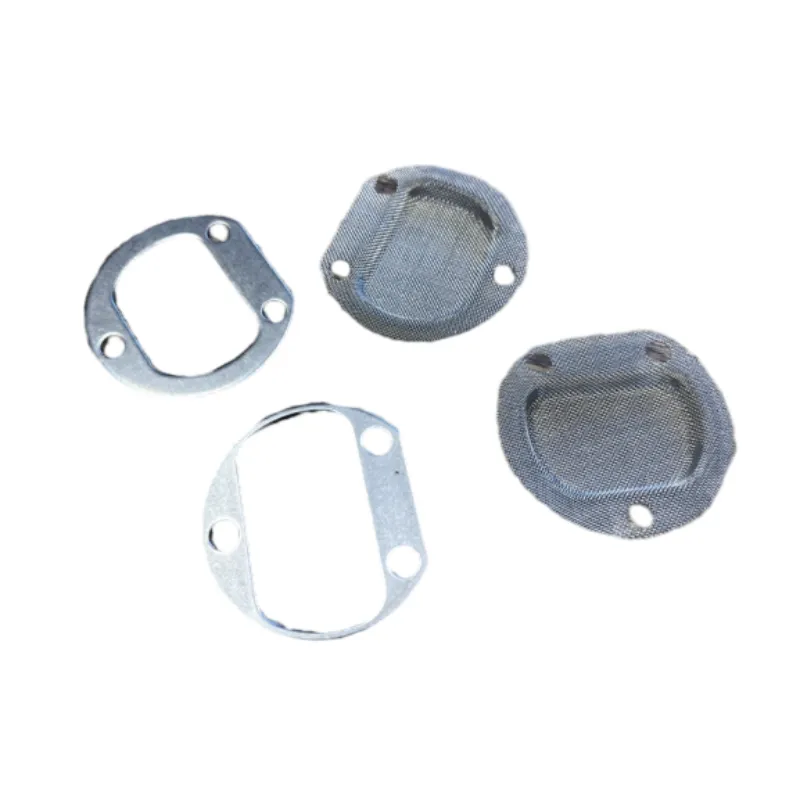
OEM Stamped Hardwares: Product Specifications
Our OEM Stamped Hardwares are engineered for diverse industrial requirements, adhering to stringent quality and performance criteria.
| Specification | Detail |
|---|---|
| Product Name | OEM Stamped Hardwares |
| Manufacturing Process | Progressive Stamping, Deep Drawing, Blanking, Forming, Piercing, Coining |
| Material Options | Stainless Steel (304, 316L, 430), Carbon Steel (CR, HR, Galvanized), Aluminum Alloys (5052, 6061), Brass, Copper, Bronze |
| Material Thickness Range | 0.05 mm - 6.0 mm (0.002" - 0.236") |
| Tolerance Accuracy | ISO 2768-m (fine), often achieving ±0.03 mm on critical features |
| Surface Finishes | Raw, Deburred, Polished, Zinc Plated (clear, yellow, black), Powder Coated, Anodized, E-coated, Electropolished |
| Typical Component Dimensions | Up to 600mm x 400mm (23.6" x 15.7") for individual parts |
| Quality Certifications | ISO 9001:2015, IATF 16949 compliant (upon request) |
| Testing Standards | ASTM, ANSI, DIN, JIS (Material & Performance Testing) |
| Applications | Automotive, Electronics, Medical, Petrochemical, Construction, HVAC, Appliances |
Frequently Asked Questions (FAQ)
Q1: What are the typical lead times for custom stamping hardware projects?
A1: Lead times vary depending on complexity. For tooling, it typically ranges from 4-8 weeks. Once tooling is approved, production runs can commence within 1-2 weeks for standard materials and processes, with high-volume orders often fulfilled on a rolling basis.
Q2: What is the minimum order quantity (MOQ) for OEM Stamped Hardwares?
A2: MOQs depend on the part complexity and material, but generally start from 5,000 units for smaller components and 1,000 units for larger or more complex parts. We encourage discussing specific project needs for tailored solutions.
Q3: Can you work with proprietary materials or specialized alloys?
A3: Yes, our expertise extends to a wide range of standard and specialized materials. We can source or work with customer-supplied proprietary materials, provided they are suitable for stamping processes. Our engineering team can advise on material suitability.
Q4: What warranty do you offer on your stamped hardware products?
A4: We provide a comprehensive warranty against manufacturing defects and non-conformance to agreed-upon specifications for a period of 12 months from delivery. This commitment underscores our confidence in the quality and reliability of our hardware stamping solutions.
Lead Time, Fulfillment & Customer Support
Efficient Lead Times and Fulfillment
We understand the critical importance of timely delivery in B2B supply chains. Our streamlined manufacturing processes, coupled with robust production planning and inventory management, ensure competitive lead times for both tooling and production. Typical lead times for new tooling range from 6 to 10 weeks depending on complexity, while production lead times after tooling approval are generally 2-4 weeks. Expedited options are available for urgent projects. We employ advanced logistics partners to ensure efficient global distribution, meeting your delivery schedules reliably.
Commitment to Quality and Warranty
Every OEM Stamped Hardware component undergoes rigorous quality assurance at each stage of production. We back our products with a comprehensive warranty covering defects in material and workmanship, ensuring that our products meet or exceed the agreed-upon specifications for their intended service life. Our commitment extends to providing detailed material certifications and inspection reports for full traceability.
Dedicated Customer Support
Our dedicated customer support team is available to assist with technical queries, order tracking, and any post-delivery requirements. We offer personalized service, assigning dedicated account managers to ensure seamless communication and support throughout your project lifecycle, from initial concept to final delivery and beyond. Our goal is to build long-term partnerships based on trust, reliability, and unparalleled service in hardware stamping solutions.
Conclusion
The domain of stamping hardware is characterized by continuous innovation, precision engineering, and critical applications across nearly every industrial sector. From optimizing material strength to delivering complex geometries with exacting tolerances, the advantages of modern stamping processes are undeniable. By partnering with a technically proficient and quality-driven OEM supplier, businesses can leverage these benefits to enhance product performance, reduce costs, and ensure supply chain resilience. Our commitment to advanced manufacturing techniques, stringent quality control, and customer-centric solutions positions us as a reliable partner for your most demanding hardware stamping requirements.
References
- ASTM International. "Standards for Metals and Manufacturing Processes." Available at: astm.org
- ISO. "ISO 9001: Quality Management Systems – Requirements." Available at: iso.org
- American National Standards Institute (ANSI). "Standards and Conformity Assessment." Available at: ansi.org
- Metalforming Magazine. "Industry Trends and Technologies." Precision Metalforming Association. Available at: pma.org
- Automotive Industries. "Latest Innovations in Automotive Stamping." Available at: ai-online.com
Latest News
-
Adjustable U Jack: Essential Guide to Specifications, Applications & VendorsNewsDec.03,2025
-
Adjustable U Head Jack: Essential Guide to Benefits, Specs & Global UseNewsDec.03,2025
-
What Is an Adjustable U Head? Benefits, Uses & Supplier Comparison in ConstructionNewsDec.03,2025
-
Steel Joint Connector Nut: Essential Fastening Solutions for Modern InfrastructureNewsDec.02,2025
-
Nut Connector: Key Roles, Applications & Innovations in Modern IndustryNewsDec.02,2025
-
Nut Adaptor: A Key Component Bridging Industry Standards and Enhancing Assembly EfficiencyNewsDec.02,2025