Selecting the right partnership among big formwork companies often determines the structural integrity and timeline of large-scale infrastructure projects. In the high-stakes environment of metal structural manufacturing, the ability to source high-precision accessories and stable systems is not merely a logistical preference but a safety requirement.
Modern construction demands a shift from generic equipment to integrated formwork solutions. Whether it is the deployment of AL-Form Tie Systems or the use of high-pressure die casting parts, the complexity of today's architectural designs requires a supplier that balances mass production capacity with rigorous quality control.
For procurement officers and project managers, understanding the technical nuances of formwork accessories—from adjustable jack bases to specialized waler brackets—is essential for optimizing ROI and minimizing onsite waste. This guide analyzes the critical evaluation metrics for selecting global formwork partners.

The Role of Specialized Accessories in Large-Scale Formwork

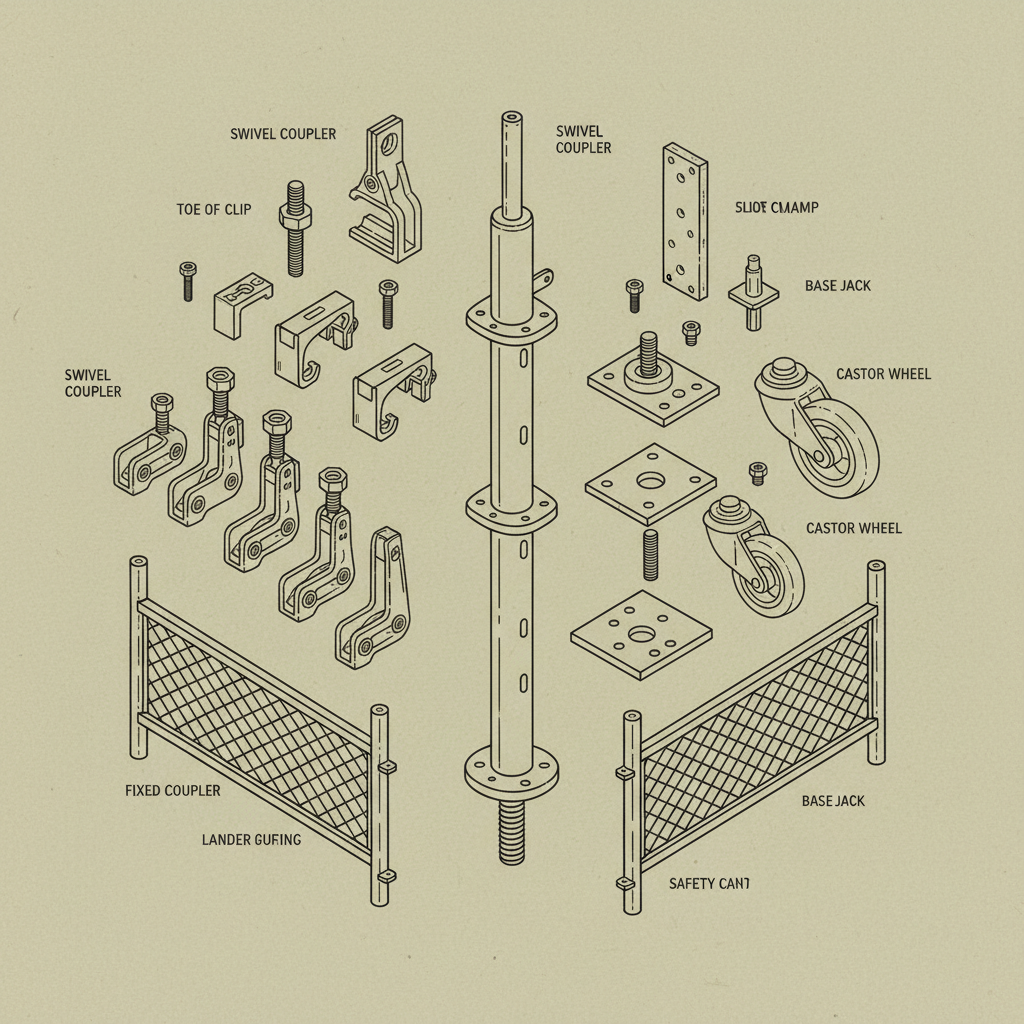
While the primary panels provide the shape, the accessories provide the strength. In the realm of metal structural manufacturing, the "small" components—such as the AL-Formwork Wedge and Pin or the Sepa Tie—are what prevent catastrophic failures during the concrete pouring process.
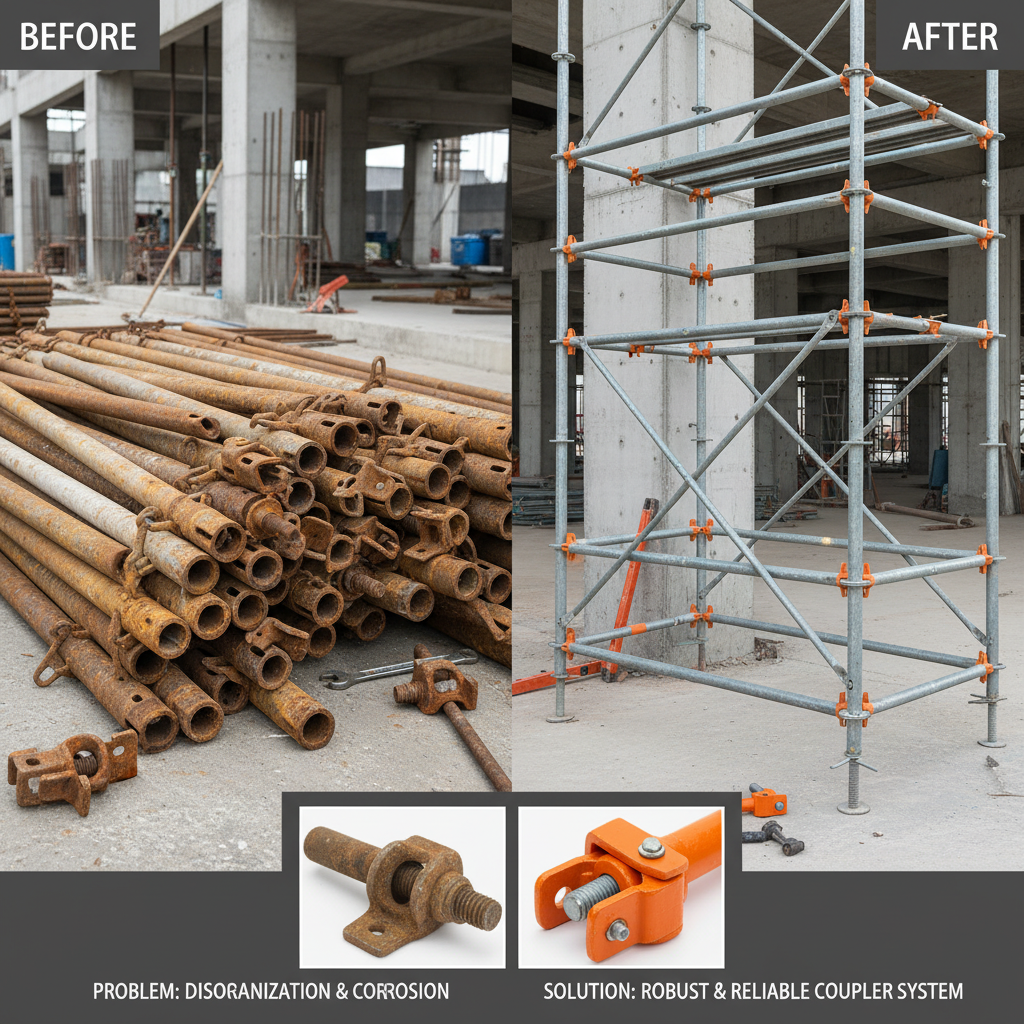
A robust system depends on the seamless interaction between tie rods, anchor nuts, and wing nuts. These components must withstand immense hydrostatic pressure. When working with big formwork companies, the focus should be on the metallurgical consistency of these parts, ensuring that galvanization is uniform to prevent premature corrosion in humid environments.
Precision-engineered accessories like the Adjustable Jack Base U Head allow for the exact leveling required in skyscraper foundations. Without this level of accuracy, the cumulative error across multiple floors can lead to significant structural misalignment, increasing the cost of rectification.
Key Evaluation Metrics for Industrial Formwork Suppliers
Evaluating a supplier goes beyond checking a product catalog; it requires an audit of their manufacturing depth. A truly capable partner should possess integrated casting and stamping facilities to ensure that high-pressure die casting parts meet exact tolerances.
Technical expertise in surface treatment, such as hot-dip galvanization, is a non-negotiable metric. For components like Formwork Tie Rods and Wall Ties, the thickness of the protective layer determines the number of re-use cycles, directly impacting the project's total cost of ownership.
Furthermore, the ability to provide a "one-stop chain" for form tie system accessories—including stub pins, long pins, and wedges—reduces the risk of compatibility issues that often arise when sourcing from multiple small-scale vendors.
Strategic Application Scenarios for Aluminum Formwork Systems
Aluminum formwork has revolutionized high-rise residential construction due to its lightweight nature and rapid cycle times. In these scenarios, the use of specialized brackets for slabs and elevators is critical for maintaining stability during the rapid ascent of the building.
In industrial warehouse construction, where large spans of walls are common, the AL-Formwork Waler Bracket and Formwork Waller Plate become central to the system. These components distribute the load evenly, preventing the bowing of panels under the weight of heavy-duty concrete mixes.
For specialized infrastructure such as bridges or tunnels, high-precision casting iron components and PVC waterstops are integrated into the formwork strategy to ensure water-tightness and long-term durability against environmental erosion.
Comparing Component Precision and Structural Stability
When analyzing the efficiency of different system configurations, the correlation between component tolerance and pouring speed is evident. High-precision parts allow for faster assembly and fewer manual adjustments on site.
The following data represents relative performance improvements when transitioning from generic accessories to precision-engineered systems sourced from established manufacturers.
big formwork companies Performance Metrics
As indicated, the increase in assembly speed and the reduction in material waste are most prominent when using integrated tie systems. The reduction in "leakage" or honeycombing in concrete is directly tied to the tight fit achieved by high-quality wedges and pins.
Procurement Strategies for High-Volume Construction Projects
Procuring for a multi-tower project requires a strategy that prioritizes supply chain reliability over the lowest unit price. A disruption in the supply of a few thousand wing nuts can halt an entire pouring schedule.
Buyers should look for manufacturers with an established global footprint and experience in international logistics. The ability to provide customized OEM stamped hardwares can also allow contractors to adapt generic systems to unique architectural requirements without sacrificing safety.
Implementing a phased delivery schedule, synchronized with the building's vertical progress, ensures that the site is not cluttered with excess material while maintaining a buffer of critical accessories like Formwork Tie Nuts and Hex Nuts.
Technological Evolution in Metal Formwork Manufacturing
The industry is moving toward increased automation in the production of formwork components. Automatic machinery for stamping and machining is reducing human error and ensuring that every single pin and wedge is identical to the last.
Environmental certifications are also becoming a key differentiator. The shift toward more sustainable galvanization processes and the use of recyclable aluminum alloys are likely to be mandated by green building codes in the coming years.
Integration of BIM (Building Information Modeling) with formwork procurement allows companies to calculate the exact quantity of accessories needed, from PVC profiles to steel cones, reducing waste and optimizing the logistics of the supply chain.
Selecting the Optimal Formwork Solution by Project Type
Choosing the right system depends on the balance between architectural complexity, required concrete finish, and the intended speed of construction.
The table below outlines the recommended components and priorities based on typical construction scenarios.
| Project Category | Primary System | Critical Accessory | Key Priority |
|---|---|---|---|
| High-Rise Residential | Aluminum Formwork | Stub Pins & Wedges | Cycle Speed |
| Industrial Warehouses | Heavy Duty Steel | Waler Brackets | Load Distribution |
| Infrastructure/Bridges | Modular Casting | High-Pressure Die Casts | Durability |
| Custom Commercial | Hybrid Systems | OEM Stamped Hardware | Flexibility |
| Foundation/Basement | Traditional Slab | Adjustable Jack Bases | Leveling Precision |
| Water Treatment Plants | Watertight Formwork | PVC Waterstops | Seal Integrity |
Regardless of the project type, the synergy between the main formwork and its accessories is the final determinant of quality. Those evaluating these systems can review the relevant product and company information available through www.wrkformwork.com.
Frequently Asked Questions
Conclusion
The efficiency of a construction project is inextricably linked to the quality of its formwork infrastructure. While the scale of big formwork companies provides the necessary capacity, the true value lies in their ability to maintain microscopic precision across millions of components.
By focusing on the technical specifications of accessories—such as the AL-Formwork Sepa Tie and high-pressure die casting parts—and partnering with manufacturers who control the entire production chain, firms can ensure structural safety and operational efficiency. For more detailed technical specifications and product catalogs, visit www.wrkformwork.com.