Selecting reliable concrete accessories suppliers is a critical decision for structural integrity in the metal products manufacturing sector. In large-scale construction, the precision of formwork accessories directly influences the load-bearing capacity and the final finish of concrete structures, making the choice of a manufacturer a matter of engineering safety.
Procurement managers often struggle with balancing cost-efficiency and material durability. The challenge lies in finding suppliers who can provide consistent tolerances in high-pressure die casting and forging, ensuring that components like tie rods and jack bases do not fail under the extreme pressure of wet concrete.
This analysis provides a professional framework for evaluating suppliers, detailing the technical specifications of essential formwork components and offering a decision matrix to optimize the procurement of high-strength metal construction accessories.

Critical Component Requirements for Formwork

Concrete accessories are not mere add-ons; they are the structural anchors of the casting process. Essential components such as the AL-Form Tie System and Sepa Ties must maintain strict tension limits to prevent formwork blowout. When evaluating concrete accessories suppliers, the ability to produce components like the Formwork Waler Bracket and Wedge and Pin with tight tolerances is the primary indicator of quality.
From a practical engineering perspective, the interaction between the Tie Rod and the Wing Nut determines the efficiency of the stripping process. Suppliers who utilize advanced machining for these hardware pieces ensure that the assembly can be tightened and released quickly without damaging the threads, thereby reducing labor costs on site.
Evaluating Material Selection and Coating Standards
Material integrity determines the lifespan and safety of construction equipment. For instance, screw jacks are available in solid and hollow types, with solid jacks typically made from cast iron or cast steel for medium to heavy load capacities. The choice between drop-forged hollow jacks and cast solid jacks depends entirely on the specific load requirement and the desired weight of the equipment for transport.
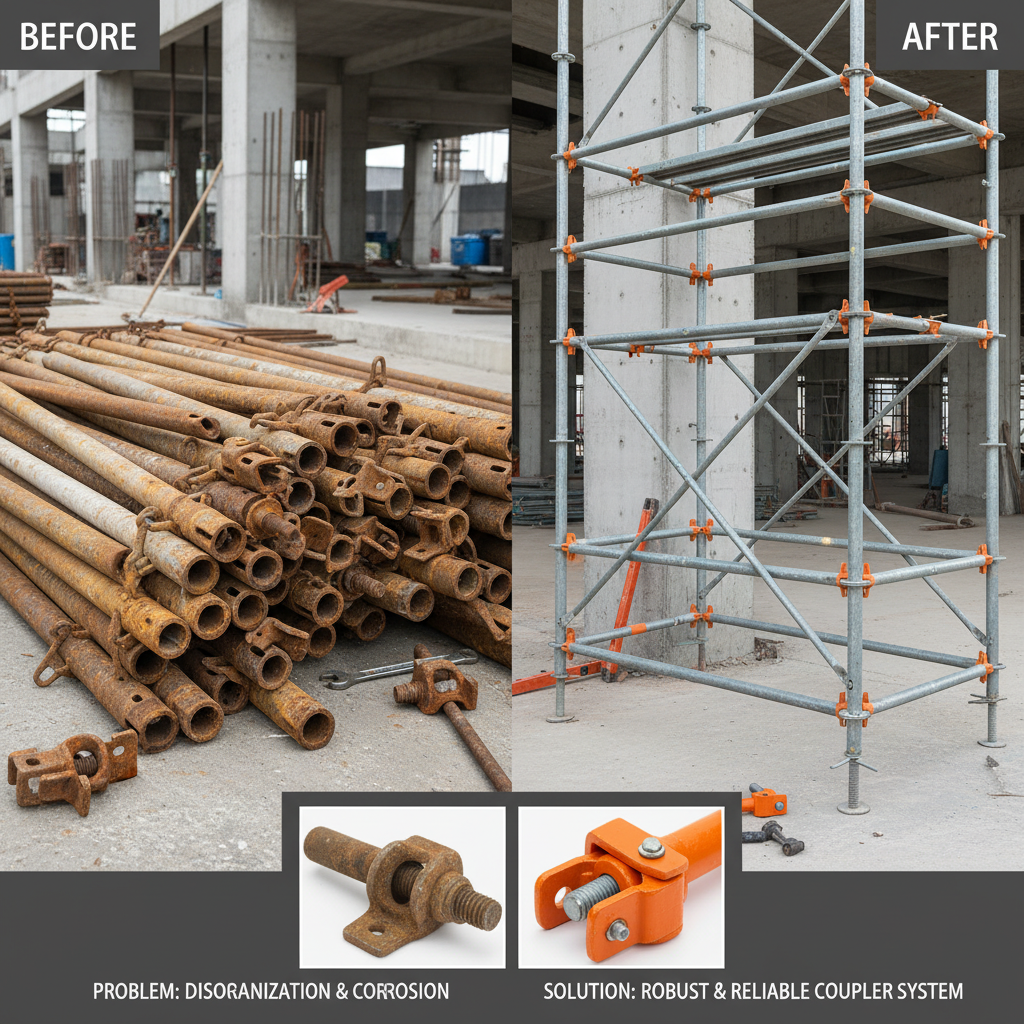
Corrosion resistance is equally vital. High-quality suppliers employ zinc-plating or hot-dip galvanization to protect metal components from the caustic environment of wet concrete. For specialized applications, painted finishes are used for hollow screw jacks, while PVC waterstops provide essential moisture barriers in structural joints, preventing long-term seepage and reinforcement corrosion.
Integrating Scaffolding and Formwork Systems
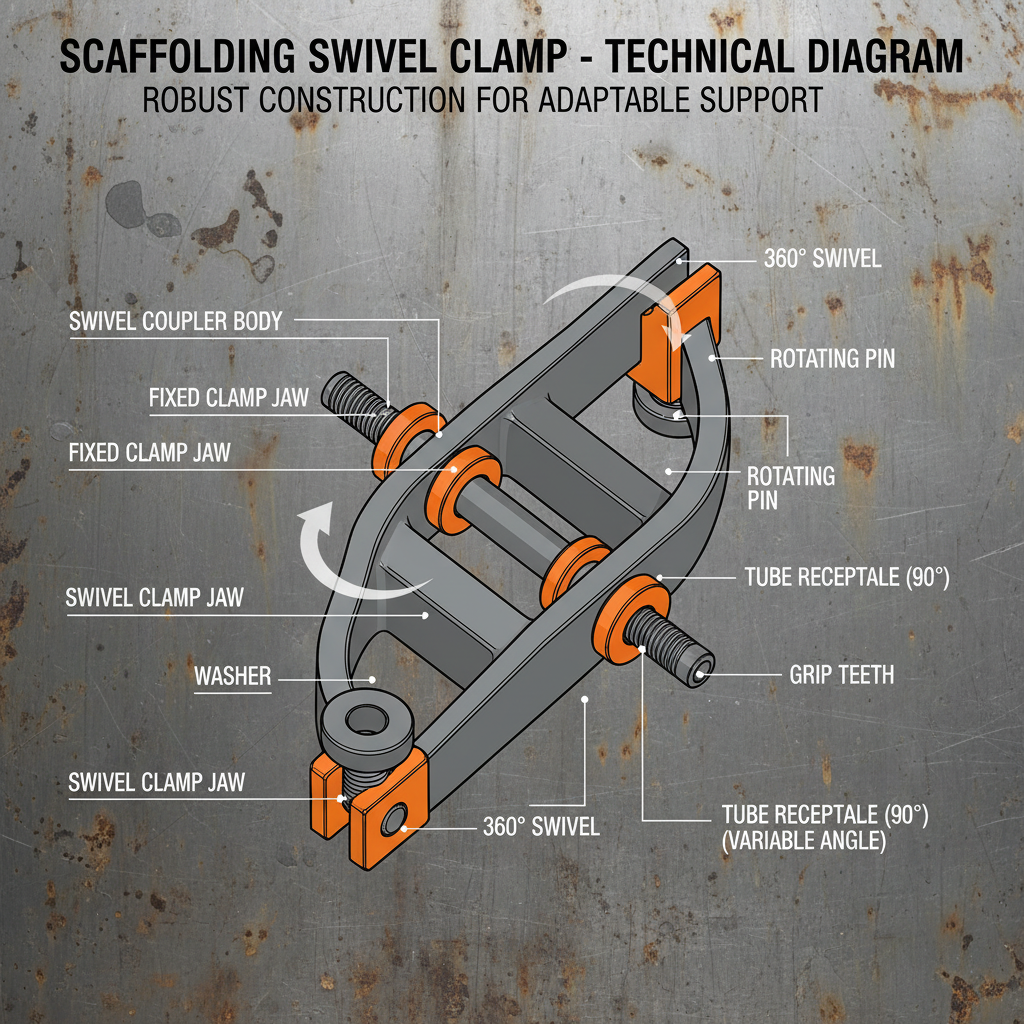
Modern construction requires a seamless interface between scaffolding and formwork. The use of Adjustable Jack Base U-Heads allows for precise vertical leveling, which is essential when supporting heavy concrete slabs. Swivel jacks further enhance this versatility by providing stability on sloped or uneven grounds, ensuring that the entire structure remains plumb during the pour.
Integrating these systems requires a supplier capable of providing a full spectrum of accessories, from Ringlock and Cuplock scaffolding components to specialized formwork clamps. By sourcing these from a single manufacturer with 23 years of expertise, companies can ensure that the tolerances of the scaffolding props match the requirements of the formwork tie system, minimizing onsite adjustments.
Supply Chain Reliability and Production Capacity
The ability of concrete accessories suppliers to scale production without compromising quality is a key competitive advantage. Production capacity is often tied to the sophistication of the molding process. Investment in high-quality mold materials and precision casting machinery allows for the production of complex parts, such as valve castings and high-pressure die casting parts, with consistent results across thousands of units.
The conceptual chart above illustrates the relative impact of different production factors on overall product reliability. While raw material quality is the baseline, precision machining and rigorous quality control checks at every stage of the casting process provide the highest relative contribution to the final reliability of the hardware.
Risk Mitigation in Hardware Procurement
Procurement risks in the metal products industry typically center on material fatigue and shipping damage. To mitigate these, buyers should verify the forging techniques used for heavy-load components. Drop-forged parts generally offer superior grain structure compared to simple cast parts, making them less susceptible to sudden failure under peak loads.
Logistical risks are managed through specialized packaging. For large-scale international orders, using steel pallets and secure wrapping for 20-foot container loading prevents the bending of threaded rods and the denting of jack bases during transit. A supplier's attention to packaging is often a proxy for their attention to detail in the manufacturing process itself.
Operational Impact of Precision Casting
Precision in casting and stamping directly translates to onsite speed. When bolts, nuts, and formwork combin nuts are manufactured to exact specifications, the assembly of the formwork becomes a repetitive, fast process rather than a struggle with ill-fitting parts. This is particularly evident in the use of AL-Formwork Wedge and Pin systems, where a fraction of a millimeter in tolerance can determine whether a panel locks securely or remains loose.
Furthermore, the use of automatic machinery in stamping and machining reduces the variance between batches. For enterprises operating across multiple global sites, this consistency is vital. It ensures that accessories ordered for a project in the USA are identical in performance and fit to those delivered to a project in Southeast Asia, maintaining a global standard of construction quality.
Supplier Evaluation Decision Matrix
When choosing between different concrete accessories suppliers, buyers should move beyond unit price and evaluate the total cost of ownership, including durability and onsite assembly time. The following matrix provides a qualitative comparison of sourcing strategies based on project requirements.
| Sourcing Approach | Key Focus | Best Use Case | Main Risk |
|---|---|---|---|
| Full-System Supplier | Compatibility | Large-scale infrastructure | Single point of failure |
| Component Specialist | Technical Precision | Specialized high-load zones | Integration mismatch |
| Low-Cost Provider | Initial Expenditure | Temporary light structures | Material fatigue |
| Custom OEM Factory | Exact Specifications | Unique architectural forms | Longer lead times |
| Integrated Manufacturer | Quality Control | Multi-regional projects | Higher initial cost |
| Local Distributor | Immediate Delivery | Urgent site replacements | Limited technical support |
The optimal choice depends on the project's risk profile. For critical structural elements, the Integrated Manufacturer approach is recommended as it combines the technical precision of an OEM with the compatibility of a full-system provider, significantly reducing the risk of onsite failure.
Frequently Asked Questions
Solid screw jacks are typically made from cast iron or steel and are designed for medium to heavy loads. Hollow screw jacks are often drop-forged, offering a different strength-to-weight ratio suitable for various load capacities, often starting from 34mm in diameter.
Zinc-plating and hot-dip galvanization create a protective layer that prevents rust and corrosion caused by the alkaline nature of concrete. This significantly extends the reusable life of the accessories across multiple construction cycles.
The AL-Form Tie System, Sepa Ties, and Formwork Tie Rods are the primary components responsible for resisting the lateral pressure of wet concrete. Their tensile strength and the security of the Wing Nut connection are critical.
Look for suppliers who invest in their own mold production and use precision casting and forging machinery. Consistent tolerances and the presence of rigorous quality control checks at each production stage are key indicators.
Swivel jacks are specifically ideal for sloped or uneven grounds where standard vertical jacks cannot provide a stable base. They allow for adjustments that ensure the scaffolding remains perpendicular to the load.
PVC waterstops are installed at construction joints to prevent water from seeping through the concrete. They act as a physical barrier, protecting the internal reinforcement from corrosion and ensuring the waterproof integrity of the structure.
Conclusion
The selection of concrete accessories suppliers transcends simple procurement; it is an engineering decision that impacts the safety, speed, and cost of construction. By focusing on material certifications, precision casting capabilities, and comprehensive system compatibility, buyers can mitigate the risks of structural failure and operational delays.
For those requiring high-precision formwork and scaffolding accessories, detailed technical specifications and product ranges can be reviewed at www.wrkformwork.com to ensure all project requirements are met with industrial-grade standards.