Peru's construction sector is currently characterized by a surge in mining infrastructure and urban expansion in Lima. The geographical diversity—from the humid coast to the high-altitude Andes—places immense stress on metal components. This has led to a critical demand for corrosion-resistant scaffolding coupler systems that can withstand varying atmospheric pressures and humidity levels.
In the mining regions of Cajamarca and Arequipa, the reliance on modular scaffolding is absolute. However, the market is often split between low-cost, substandard imports and high-end European systems. There is a significant gap for industrial-grade fixed scaffolding clamp products that offer the perfect balance of cost-efficiency and rigorous safety compliance (NTP standards).
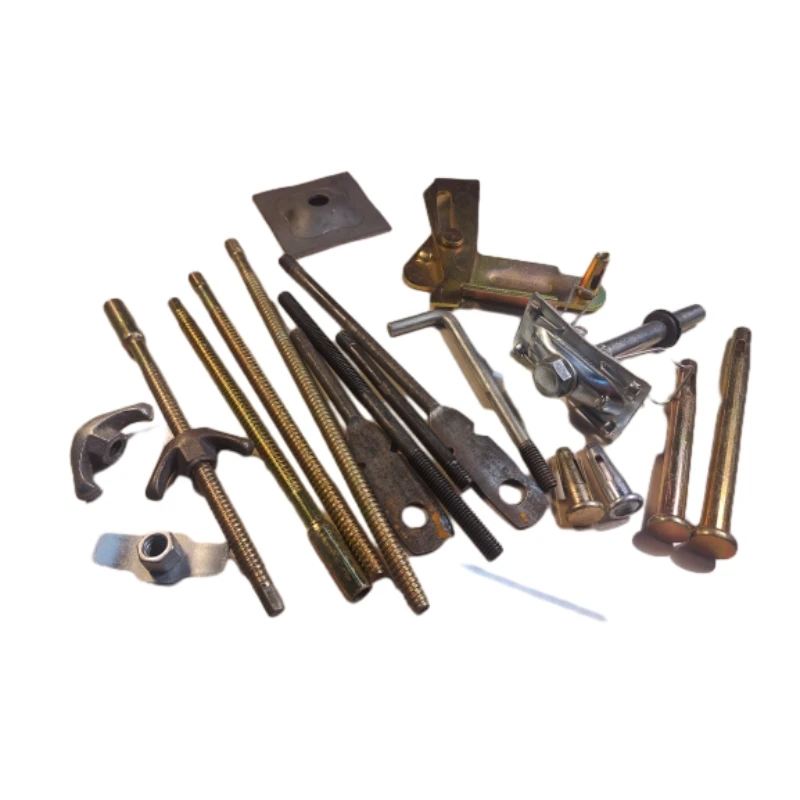
Moreover, the seismic activity prevalent in Peru requires metal structures with higher flexibility and fatigue resistance. The industry is shifting away from rigid, welded joints toward high-tensile bolted connections, making precision-engineered formwork clamps essential for ensuring that concrete molds remain stable during the pouring process in earthquake-prone zones.