Sep . 11, 2025 11:44 Back To List
Innovative Rubber Waterstop Solutions For Aging Infrastructure
Waterstops are critical components in construction projects, particularly for structures requiring waterproofing. They are designed to prevent water from passing through the joints of concrete structures, ensuring the integrity and longevity of the building.
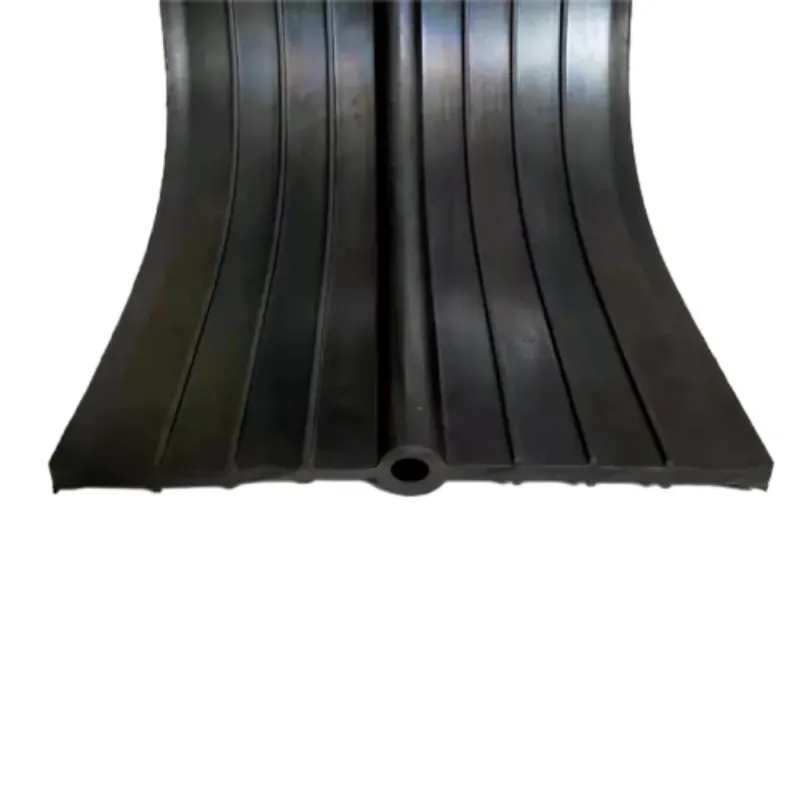
Challenges of Aging Infrastructure in Rubber Waterstops
Old structures often face a myriad of issues related to water seepage and structural integrity. Over time, the original waterproofing measures may degrade, leading to costly repairs and potential structural failures. Retrofitting these structures with modern waterstop solutions is essential to extend their lifespan and ensure safety. Traditional methods of waterproofing may no longer be sufficient, and innovative approaches are needed to address the unique challenges posed by aging infrastructure.
l The Role of Rubber Waterstop in Retrofitting
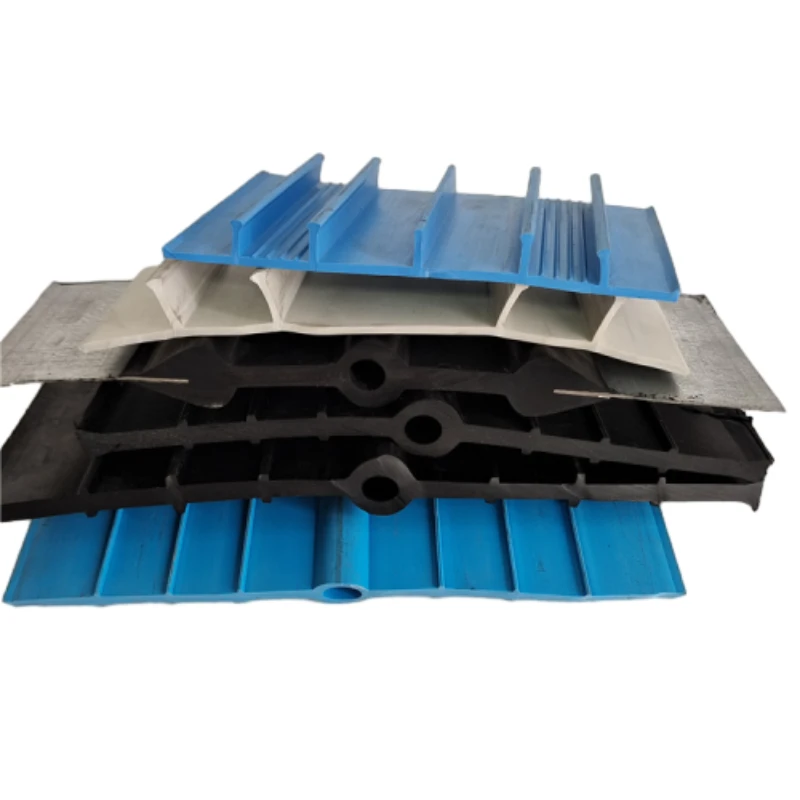
Rubber waterstop is a versatile and durable solution for retrofitting old structures. It can be easily installed into existing joints and seams, effectively blocking water infiltration. Its flexibility allows it to adapt to the movements and stresses of the structure, ensuring a long-lasting seal. Rubber waterstops are available in various sizes and configurations, making them suitable for a wide range of applications, from bridges to underground facilities.
The Advantages of PVC Water Stopper
PVC water stopper offers several benefits for retrofitting projects. It is lightweight and easy to handle, which is particularly advantageous when working in confined spaces or on elevated structures. PVC water stoppers are resistant to corrosion and chemical degradation, making them ideal for environments where they may be exposed to harsh conditions. Additionally, their smooth surface helps to prevent the buildup of debris, which can further enhance the effectiveness of the waterproofing system.
The Innovative Swellable Waterstop
Swellable waterstop represents a cutting-edge solution for addressing water infiltration in old structures. When exposed to moisture, swellable waterstops expand to fill any gaps or voids in the joint, creating a tight seal. This self-activating feature makes it an excellent choice for retrofitting applications where access to the joint may be limited. The ability of swellable waterstops to adapt to changing conditions ensures that they remain effective over time, even as the structure settles or shifts.
Selecting the Right Waterstop Rubber Material
Choosing the appropriate waterstop material is crucial for the success of any retrofitting project. Each type of waterstop has its own unique properties and benefits, and understanding these differences can help in making an informed decision.
Assessing the Structural Needs
Before selecting a waterstop material, it is important to assess the specific needs of the structure. Factors such as the type of construction, the environment in which the structure is located, and the expected lifespan of the retrofit should be considered. For example, a structure in a coastal area may require a waterstop that is resistant to saltwater corrosion, while a structure in an urban environment may need a waterstop that can withstand heavy traffic and vibrations.
Evaluating the Performance of Waterstop Rubber
Waterstop rubber is known for its excellent sealing properties and durability. It can withstand a wide range of temperatures and environmental conditions, making it a reliable choice for many retrofitting projects. Waterstop rubber is also easy to install and maintain, which can help to reduce overall project costs. When evaluating waterstop rubber, it is important to consider factors such as tensile strength, elongation, and resistance to aging.
Comparing Different Waterstop Options
When comparing different waterstop options, it is essential to consider factors such as cost, ease of installation, and long-term performance. While some materials may be less expensive upfront, they may require more frequent maintenance or replacement, leading to higher costs over time. On the other hand, investing in a high-quality waterstop material, such as rubber waterstop or PVC water stopper, can provide long-term savings and ensure the structural integrity of the retrofit.
Best Practices for Installing Waterstop Rubber
Proper installation is key to the effectiveness of any waterstop solution. Following best practices can help to ensure that the waterstop performs as intended and provides long-lasting protection against water infiltration.
Preparing the Surface
Before installing the waterstop, the surface must be thoroughly cleaned and prepared. Any existing debris, rust, or old sealant should be removed to ensure a strong bond between the waterstop and the structure. Proper surface preparation can help to prevent leaks and ensure that the waterstop remains in place over time.
Ensuring Proper Fit and Alignment
When installing the waterstop, it is important to ensure that it fits properly and is aligned correctly. This can help to prevent gaps or voids that may allow water to seep through. For rubber waterstop and PVC water stopper, it is essential to follow the manufacturer's instructions for cutting and fitting the material to ensure a tight seal.
Securing the Waterstop
Once the waterstop is in place, it must be securely fastened to the structure. This can be done using mechanical fasteners, adhesives, or a combination of both. Properly securing the waterstop helps to ensure that it remains in place during the life of the structure and can withstand the stresses and movements associated with retrofitting and ongoing use.
FAQ :About Waterstop Rubber
What are the main benefits of using rubber waterstop in retrofitting projects?
Rubber waterstop offers several key benefits for retrofitting projects. Its flexibility allows it to adapt to the movements and stresses of the structure, ensuring a long-lasting seal. Additionally, rubber waterstops are durable and resistant to aging, providing reliable protection against water infiltration. They are also easy to install and maintain, making them a cost-effective solution for extending the lifespan of old structures.
How does PVC water stopper compare to other waterstop materials?
PVC water stopper is a lightweight and easy-to-handle material, making it ideal for retrofitting projects in confined spaces or on elevated structures. It is resistant to corrosion and chemical degradation, ensuring long-term performance in harsh environments. Compared to other materials, PVC water stopper also offers a smooth surface that prevents debris buildup, further enhancing its effectiveness as a waterproofing solution.
What are the advantages of using swellable waterstop in retrofitting applications?
Swellable waterstop provides a self-activating seal that expands when exposed to moisture, filling gaps and voids in the joint. This feature makes it particularly useful for retrofitting applications where access to the joint may be limited. Swellable waterstops are also highly adaptable, ensuring that they remain effective even as the structure settles or shifts over time. Their ability to provide a tight seal against water infiltration makes them an innovative solution for addressing waterproofing challenges in aging infrastructure.
How can I ensure the proper installation of waterstop rubber?
To ensure the proper installation of waterstop rubber, it is important to follow best practices. This includes thoroughly cleaning and preparing the surface, ensuring proper fit and alignment of the waterstop, and securely fastening it to the structure. Following the manufacturer's instructions for cutting and fitting the material can help to prevent gaps or voids that may allow water to seep through. Additionally, proper surface preparation and securing the waterstop can help to ensure long-term performance and reliability.
Where can I find high-quality waterstop products for my retrofitting project?
Our company offers a wide range of high-quality waterstop products, including rubber waterstop, PVC water stopper, and swellable waterstop. We invite wholesalers to promote our products and encourage everyone to order from us. Our waterstop solutions are designed to meet the unique challenges of retrofitting old structures, providing reliable and long-lasting protection against water infiltration. Contact us today to learn more about our innovative waterstop solutions and how they can benefit your project.
In conclusion, retrofitting old structures with innovative waterstop solutions is essential for extending their lifespan and ensuring their structural integrity. By selecting the right waterstop material.
Latest News
-
Concrete Form Tie - Cangzhou World Cup Trading Co., Ltd. | Durable Construction Solutions&Secure FasteningNewsFeb.27,2026
-
Concrete Form Tie - Cangzhou World Cup Trading Co., Ltd. | Durable Construction Solutions&Secure FasteningNewsFeb.27,2026
-
Concrete Form Tie - Cangzhou World Cup Trading Co., Ltd. | Durable Construction Solutions&Secure FasteningNewsFeb.27,2026
-
Comprehensive Guide to PVC Profile Window Selection and BenefitsNewsFeb.27,2026
-
Comprehensive Guide to PVC Profile Applications Manufacturing and Future TrendsNewsFeb.26,2026
-
Comprehensive Guide to PVC Molding Profiles for International Trade and ManufacturingNewsFeb.25,2026