Sep . 11, 2025 11:42 Back To List
Formwork Tie Rod Wing Nuts: Formwork’s Key Players
Wing nuts may not be the most glamorous components in construction, but their importance in concrete formwork cannot be overstated. These small yet mighty fasteners play a crucial role in ensuring the stability and safety of formwork systems, making them indispensable in modern construction projects.
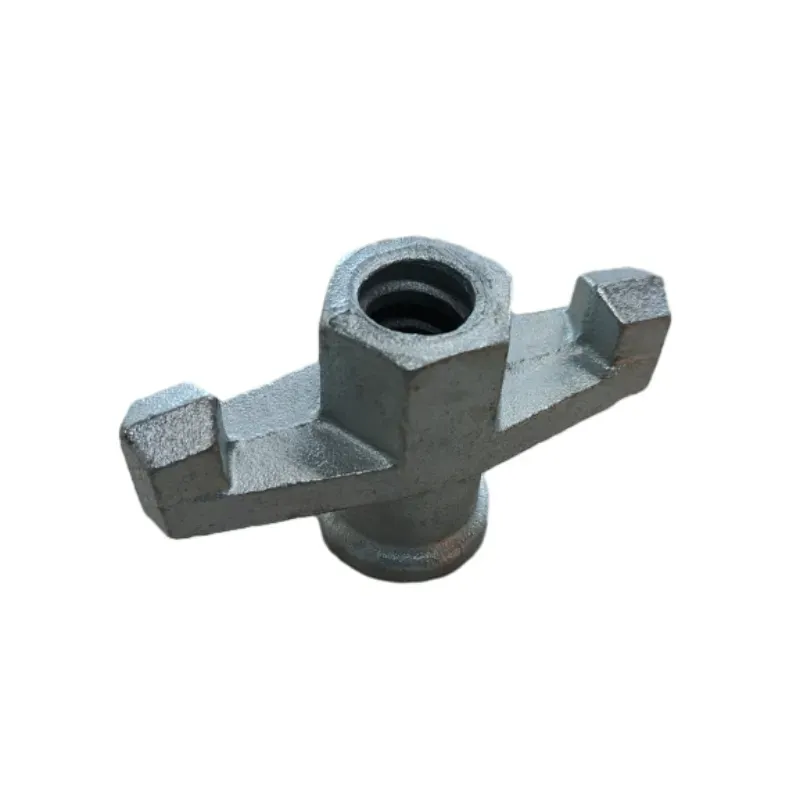
The Key Role of Formwork Tie Rod Wing Nut in Construction
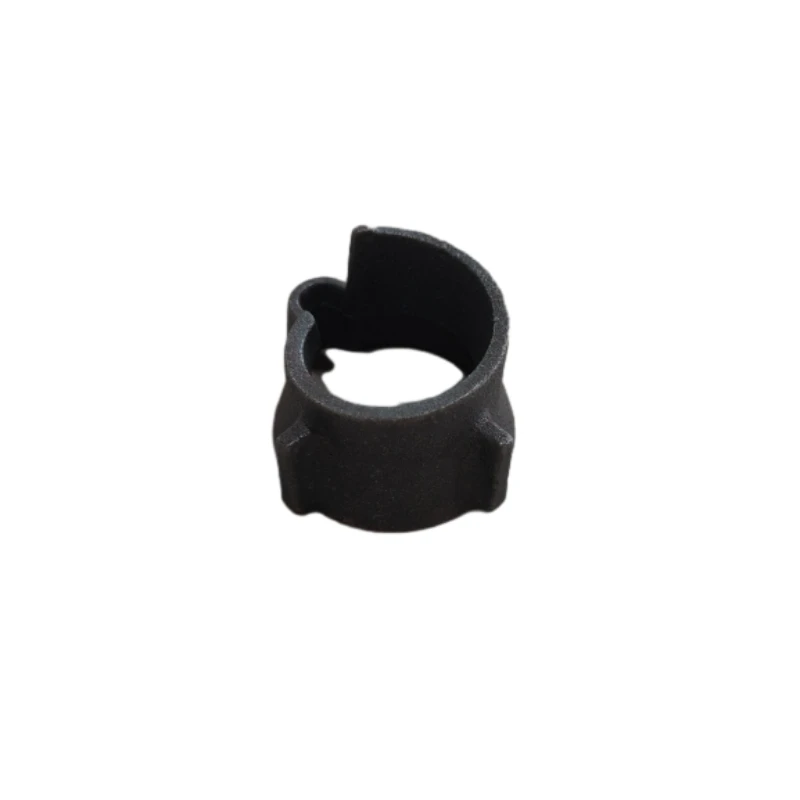
In the realm of concrete formwork, the formwork tie rod wing nut serves as a critical connector. It works in tandem with the formwork tie rod to secure the formwork panels tightly together, preventing any movement or displacement during the concrete pouring process. This ensures that the formwork maintains its shape and structural integrity, ultimately leading to a high-quality concrete structure. The formwork tie rod wing nut is designed to withstand significant loading capacity, often exceeding 180KN, which is essential for supporting the weight of wet concrete and any additional loads.
Simplifying Assembly and Disassembly
One of the key advantages of the formwork wing nut is its ease of use. Unlike other fasteners that may require tools for installation, the formwork wing nut can be tightened and loosened by hand. This feature significantly speeds up the assembly and disassembly of formwork systems, saving time and labor costs on construction sites. The tie bar wing nuts are particularly useful in situations where quick adjustments are needed, allowing workers to make modifications on the fly without the need for additional equipment.
Enhancing Safety and Reliability
The formwork tie rod system, which includes the formwork tie rod wing nut, is engineered to provide maximum safety and reliability. The wing nut's design ensures a secure connection, reducing the risk of formwork collapse or failure. Additionally, the formwork tie rod is made from high-quality materials such as ductile cast iron, which offers excellent durability and resistance to corrosion. The surface treatment options, including galvanizing, further enhance the longevity of the product, making it suitable for use in various environmental conditions.
The Production Process Behind Formwork Tie Rod Wing Nut
The production of formwork tie rod wing nut begins with advanced technical solid models. These models are designed based on customer specifications or samples, ensuring that the final product meets exact requirements. The use of modern melting and casting equipment allows for high-efficiency production, resulting in consistent quality and fast turnaround times. The casting process involves pouring molten metal into molds to create the rough shape of the wing nut, which is then further refined through subsequent steps.
Machining and Quality Control
After casting, the rough formwork tie rod wing nut is machined to achieve precise dimensions and tolerances. CNC equipment and machining centers are used to ensure that each wing nut meets specific customer requirements. This step is crucial in guaranteeing that the formwork tie rod wing nut fits perfectly with the formwork tie rod and other components of the formwork system. Throughout the production process, various quality inspections are conducted, including incoming quality control, in-process quality control, and final quality control. Each wing nut is individually checked for thread accuracy to ensure compatibility with the tie rod.
Surface Treatment and Packaging
The final stages of production involve surface treatment and packaging. The formwork tie rod wing nut may undergo galvanizing or be left with a natural finish to enhance durability and prevent corrosion. Proper surface treatment is essential for extending the lifespan of the product, especially in harsh construction environments. Once the surface treatment is complete, the wing nuts are carefully packed in bags, pallets, wooden cases, or crates, ready for delivery to construction sites around the world.
The Advantages of Using Formwork Tie Rod Wing Nut
Using formwork tie rod wing nut offers significant cost savings for construction projects. The ease of installation and removal means that less labor is required, reducing overall project costs. Additionally, the durability of the product ensures that it can be reused multiple times, further enhancing its cost-effectiveness. The formwork tie rod system is designed to withstand repeated use without compromising on quality, making it a reliable choice for both small and large-scale construction projects.
Versatility and Compatibility
The formwork tie rod wing nut is highly versatile and compatible with a wide range of formwork systems. It can be used in various applications, from simple wall formwork to complex structural formwork. The formwork tie rod is available in different sizes and materials, allowing contractors to choose the most suitable option for their specific project needs. The formwork tie rod wing nut is also compatible with other formwork accessories such as waller plate, steel cone, and hex nut, providing a comprehensive solution for concrete formwork.
Promoting Efficiency and Productivity
The use of formwork tie rod wing nut promotes efficiency and productivity on construction sites. The quick assembly and disassembly of formwork systems mean that construction projects can progress at a faster pace, reducing downtime and delays. The reliability of the formwork tie rod system also minimizes the risk of formwork failure, ensuring that projects are completed on time and within budget. By choosing high-quality formwork tie rod wing nut, contractors can improve their overall construction process and achieve better results.
FAQ:About Formwork Tie Rod
What are the common sizes of formwork tie rod wing nut?
The formwork tie rod wing nut is available in various sizes to meet different construction requirements. One of the most common sizes is OD15/17mm*10mm, which is suitable for standard formwork applications. However, custom sizes can also be produced based on specific project needs. The weight of the wing nut is approximately 300 grams, making it lightweight yet durable.
How are formwork tie rod wing nut packaged for delivery?
The formwork tie rod wing nut is typically packaged in bags, pallets, wooden cases, or crates to ensure safe transportation. These packaging options provide protection against damage during transit and make it easy to handle and store the product on construction sites. Proper packaging also helps to prevent corrosion and maintain the quality of the wing nuts until they are ready for use.
What materials are used to manufacture formwork tie rod wing nut?
The formwork tie rod wing nut is primarily made from ductile cast iron, which offers excellent strength and durability. This material is chosen for its ability to withstand high loading capacities and resist corrosion. Additionally, the wing nut may undergo surface treatments such as galvanizing to further enhance its corrosion resistance and longevity. The choice of material ensures that the formwork tie rod wing nut remains reliable and functional throughout its lifespan.
Can formwork tie rod wing nut be customized?
Yes, the formwork tie rod wing nut can be customized to meet specific customer requirements. Manufacturers can produce wing nuts in different sizes, materials, and surface treatments based on project specifications. Customization allows contractors to choose the most suitable option for their formwork system, ensuring optimal performance and compatibility. By working closely with manufacturers, customers can achieve the desired results for their construction projects.
What is the loading capacity of formwork tie rod wing nut?
The formwork tie rod wing nut has a loading capacity of more than 180KN, making it suitable for heavy-duty formwork applications. This high loading capacity ensures that the wing nut can support the weight of wet concrete and any additional loads during the construction process. The robust design of the formwork tie rod system guarantees stability and safety, even under significant pressure.
In conclusion, the formwork tie rod wing nut is a vital component in concrete formwork, providing structural integrity, ease of use, and reliability. Its production process involves advanced molding, casting, machining, and quality control steps to ensure high-quality products. The advantages of using formwork tie rod wing nut include cost-effectiveness, versatility, and efficiency. We encourage wholesalers to promote this essential product and invite everyone to order from our company. By choosing our high-quality formwork tie rod wing nut, you can enhance the safety and success of your construction projects.
Latest News
-
Concrete Form Tie - Cangzhou World Cup Trading Co., Ltd. | Durable Construction Solutions&Secure FasteningNewsFeb.27,2026
-
Concrete Form Tie - Cangzhou World Cup Trading Co., Ltd. | Durable Construction Solutions&Secure FasteningNewsFeb.27,2026
-
Concrete Form Tie - Cangzhou World Cup Trading Co., Ltd. | Durable Construction Solutions&Secure FasteningNewsFeb.27,2026
-
Comprehensive Guide to PVC Profile Window Selection and BenefitsNewsFeb.27,2026
-
Comprehensive Guide to PVC Profile Applications Manufacturing and Future TrendsNewsFeb.26,2026
-
Comprehensive Guide to PVC Molding Profiles for International Trade and ManufacturingNewsFeb.25,2026