Sep . 11, 2025 11:39 Back To List
Energy-Absorbing Formwork Tie Rods For Seismic Resistance
In the construction industry, ensuring the safety and stability of structures, especially in seismic-prone areas, is of utmost importance. One crucial component that plays a vital role in achieving this goal is the formwork tie rod. These tie rods, along with their associated components like anchor nut for tie rod, are essential in creating robust and resilient formwork systems that can withstand seismic forces.
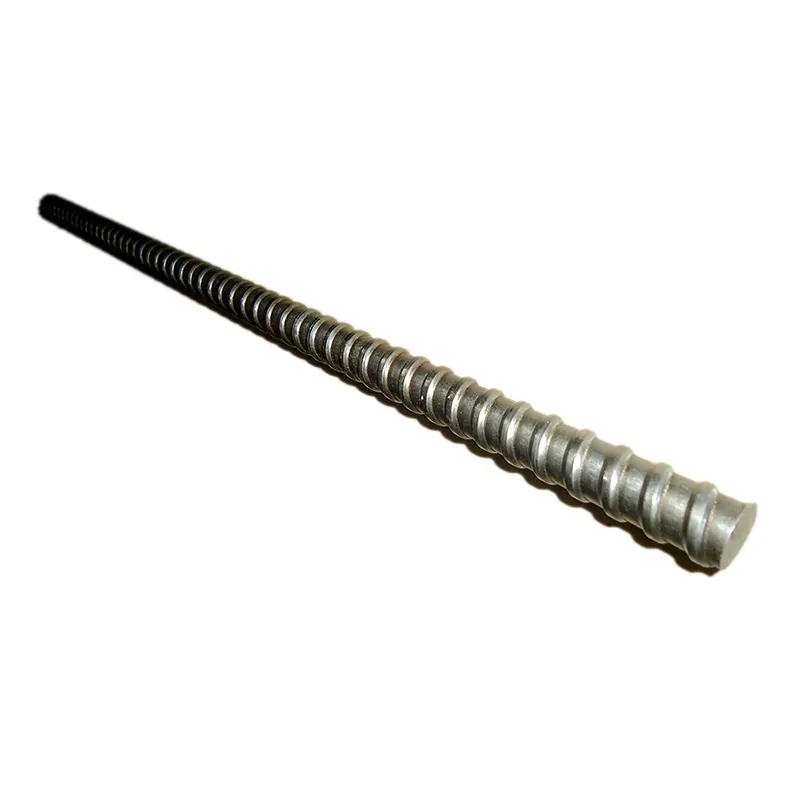
The Role of Formwork Tie Rods in Seismic Resistance
Formwork tie rods are integral to the construction process, particularly when it comes to pouring concrete into forms. Their primary function is to maintain uniform wall thickness and structural stability during the curing process. In seismic-resistant formwork systems, the role of formwork tie rods extends beyond just holding forms together. They must also be capable of absorbing and dissipating energy generated by seismic activities.
High-Quality Materials for Enhanced Performance
The materials used in the production of formwork tie rods are critical to their performance. As mentioned on it formwork tie rods can be made from various steel types, including low carbon steel Q235, high-strength Grade 45 steel, and Grade 830 steel. Each material has different breaking load capacities, ranging from 90KN to 180KN. This variety allows for the selection of the most suitable material based on the specific seismic requirements of the construction project.
Design and Manufacturing Process
The manufacturing process of formwork tie rods involves several key steps. Threading is done on both ends of the tie rod to ensure compatibility with anchor nut for tie rod and washers. Additionally, bending can be performed using hydraulic benders to achieve the desired angles. The finishing process includes galvanization, which enhances corrosion resistance. WRK offers multiple surface treatment options, such as natural, yellow galvanized, and silver galvanized finishes.
Quality Control and Testing
Quality control is a crucial aspect of producing formwork tie rods. Each batch of raw materials is tested for chemical composition and mechanical properties to ensure compliance with standards. Tensile strength tests are conducted on sample tie rods to verify their ability to handle expected loads. This rigorous testing ensures that the formwork tie rods are structurally sound and capable of withstanding seismic forces.
The Formwork Tie Rod System
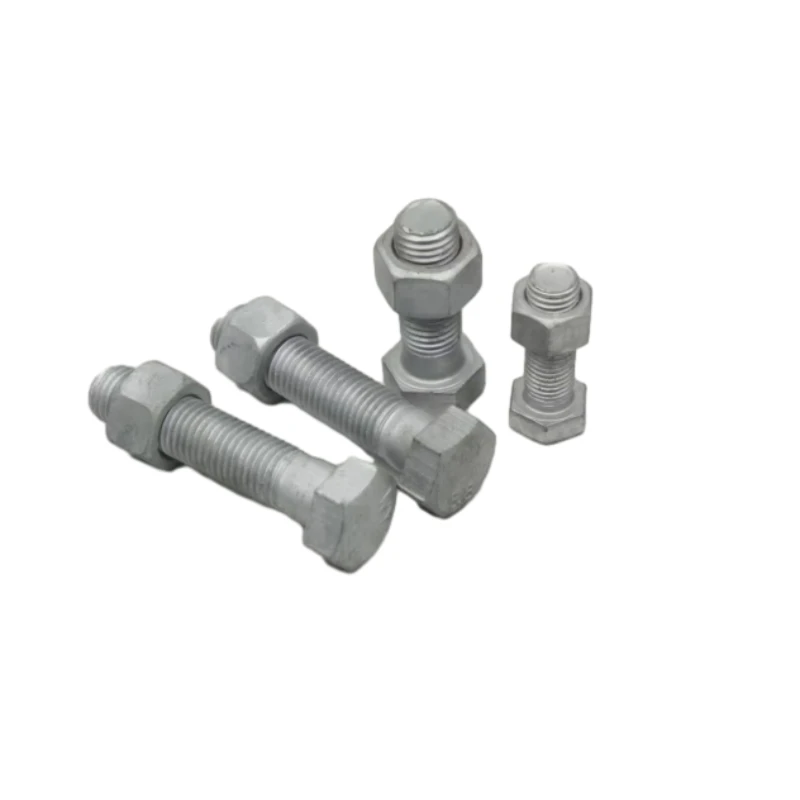
A complete formwork tie rod system consists of various components that work together to provide stability and energy absorption. These components include the formwork tie rod, anchor nut for tie rod, washers, and other accessories. The system is designed to maintain the integrity of the formwork during concrete pouring and curing, even in the event of seismic activity.
l Integration of Components
The formwork tie rod system integrates all necessary components to create a cohesive unit. The formwork tie rod is the central element, with anchor nut for tie rod and washers providing additional support and stability. These components are assembled to ensure that the formwork remains secure and that the concrete is poured evenly and accurately.
Customization for Specific Needs
WRK offers a range of specifications for formwork tie rods, including different diameters, lengths, and materials. This customization allows construction companies to select the most appropriate formwork tie rod system for their specific projects. Whether it is a residential building, commercial structure, or bridge, the right combination of components can significantly enhance seismic resistance.
Packaging and Shipping
Once the formwork tie rod system is assembled and tested, it is packaged carefully to ensure protection during transit. WRK ships the products in bundles or pallets, with a minimum order quantity of 1000 meters. The company also provides documentation detailing the production process, quality checks, and test results, which are essential for compliance with construction standards.
Benefits of Using Energy-Absorbing Formwork Tie Rods-h2
The use of energy-absorbing formwork tie rods in seismic-resistant formwork systems offers several benefits. These tie rods not only maintain the structural integrity of the formwork but also provide enhanced safety and durability in seismic-prone areas.
Enhanced Safety and Durability
Energy-absorbing formwork tie rods are designed to withstand significant forces, making them ideal for use in seismic-resistant formwork systems. Their ability to absorb and dissipate energy ensures that the formwork remains stable during seismic events, reducing the risk of structural failure and enhancing overall safety.
Cost-Effective Solution
Investing in high-quality formwork tie rods and their associated components can be a cost-effective solution in the long run. By ensuring the stability and durability of the formwork, these tie rods help minimize the need for repairs and replacements, saving both time and money.
Compliance with Construction Standards
Using formwork tie rods that meet industry standards is essential for compliance with construction regulations. WRK's rigorous testing and quality control processes ensure that their products meet the required standards, providing peace of mind to construction companies and regulators alike.
FAQ:About Formwork Tie Rods
What materials are used for formwork tie rods?
Formwork tie rods can be made from various materials, including low carbon steel Q235, high-strength Grade 45 steel, and Grade 830 steel. Each material has different breaking load capacities, ranging from 90KN to 180KN, allowing for the selection of the most suitable material based on the specific requirements of the construction project.
How are formwork tie rods tested for quality?
Quality control is a crucial aspect of producing formwork tie rods. Each batch of raw materials is tested for chemical composition and mechanical properties to ensure compliance with standards. Tensile strength tests are conducted on sample tie rods to verify their ability to handle expected loads. This rigorous testing ensures that the formwork tie rods are structurally sound and capable of withstanding seismic forces.
What is the role of anchor nut for tie rod in the formwork tie rods ?
The anchor nut for tie rod plays a vital role in the formwork system by providing additional support and stability. It works in conjunction with the formwork tie rod and washers to ensure that the formwork remains secure during concrete pouring and curing. This component is essential for maintaining the integrity of the formwork, especially in seismic-resistant systems.
What customization options are available for formwork tie rods?
WRK offers a range of customization options for formwork tie rods, including different diameters, lengths, and materials. The company also provides various surface treatments, such as natural, yellow galvanized, and silver galvanized finishes. These customization options allow construction companies to select the most appropriate formwork tie rod system for their specific projects.
How are formwork tie rods packaged and shipped?
Once the formwork tie rods are produced and tested, they are packaged carefully to ensure protection during transit. WRK ships the products in bundles or pallets, with a minimum order quantity of 1000 meters. The company also provides documentation detailing the production process, quality checks, and test results, which are essential for compliance with construction standards.
In conclusion, energy-absorbing formwork tie rods are essential components in seismic-resistant formwork systems. Their ability to maintain structural integrity and absorb seismic forces makes them indispensable in construction projects. We encourage wholesalers to promote these high-quality products and invite everyone to order from our company to ensure the safety and durability of their construction projects.
Latest News
-
Concrete Form Tie - Cangzhou World Cup Trading Co., Ltd. | Durable Construction Solutions&Secure FasteningNewsFeb.27,2026
-
Concrete Form Tie - Cangzhou World Cup Trading Co., Ltd. | Durable Construction Solutions&Secure FasteningNewsFeb.27,2026
-
Concrete Form Tie - Cangzhou World Cup Trading Co., Ltd. | Durable Construction Solutions&Secure FasteningNewsFeb.27,2026
-
Comprehensive Guide to PVC Profile Window Selection and BenefitsNewsFeb.27,2026
-
Comprehensive Guide to PVC Profile Applications Manufacturing and Future TrendsNewsFeb.26,2026
-
Comprehensive Guide to PVC Molding Profiles for International Trade and ManufacturingNewsFeb.25,2026