Oct . 20, 2025 15:00 Back To List
Need a Concrete Form Tie: Strong, Safe, Reusable?
Formwork Tie Nuts and the Realities of Modern Concrete Pouring
If you’ve ever stood next to a vibrating wall pour and wondered what quietly holds the line, you’re thinking of the humble concrete form tie. In my notebook from countless site walks, Formwork Tie Nuts show up again and again—small parts with oversized responsibility.
What it is and why it matters
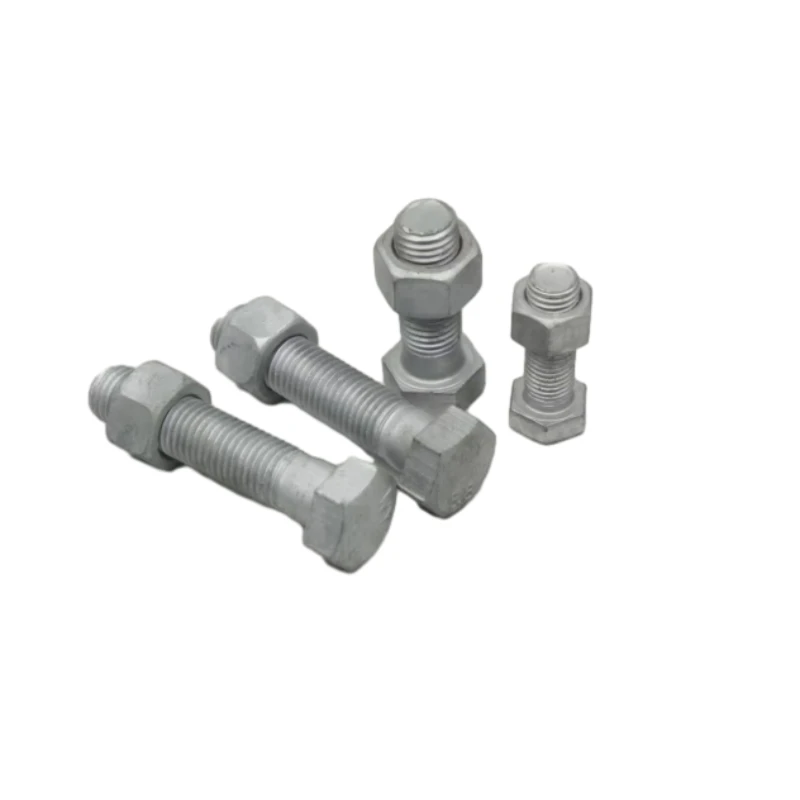
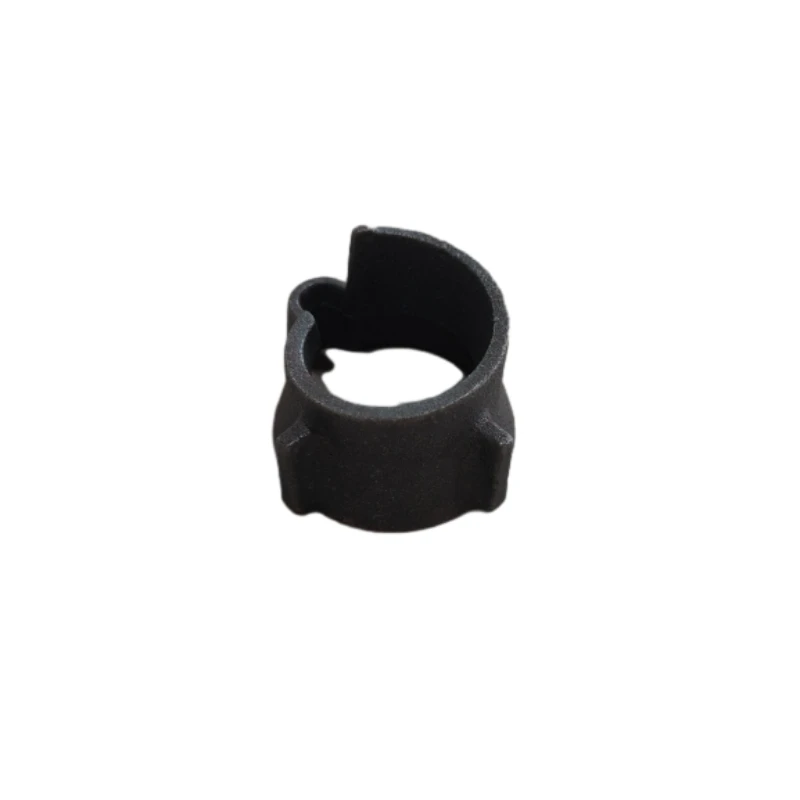
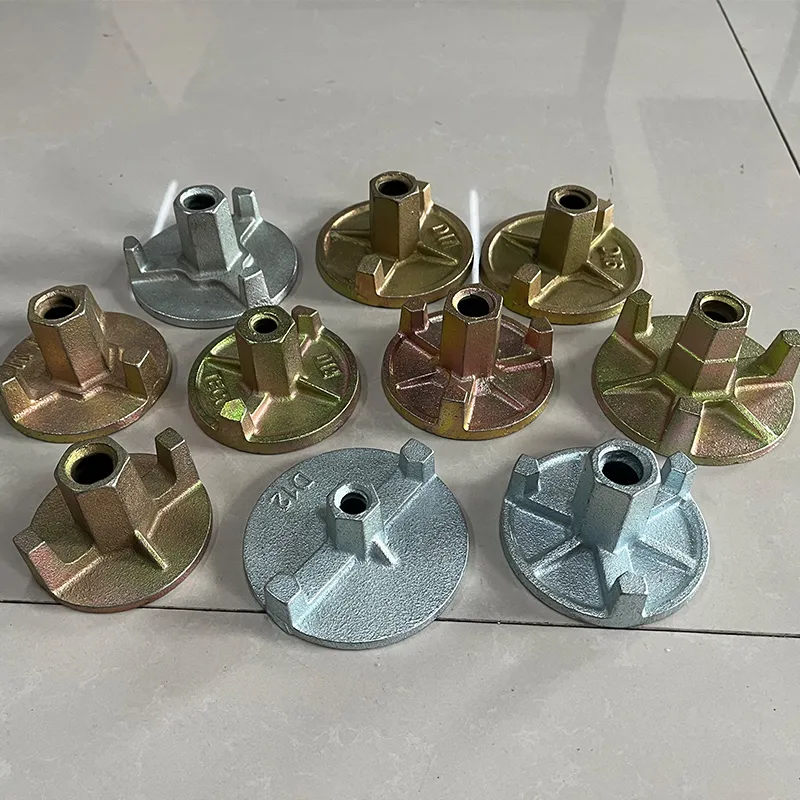
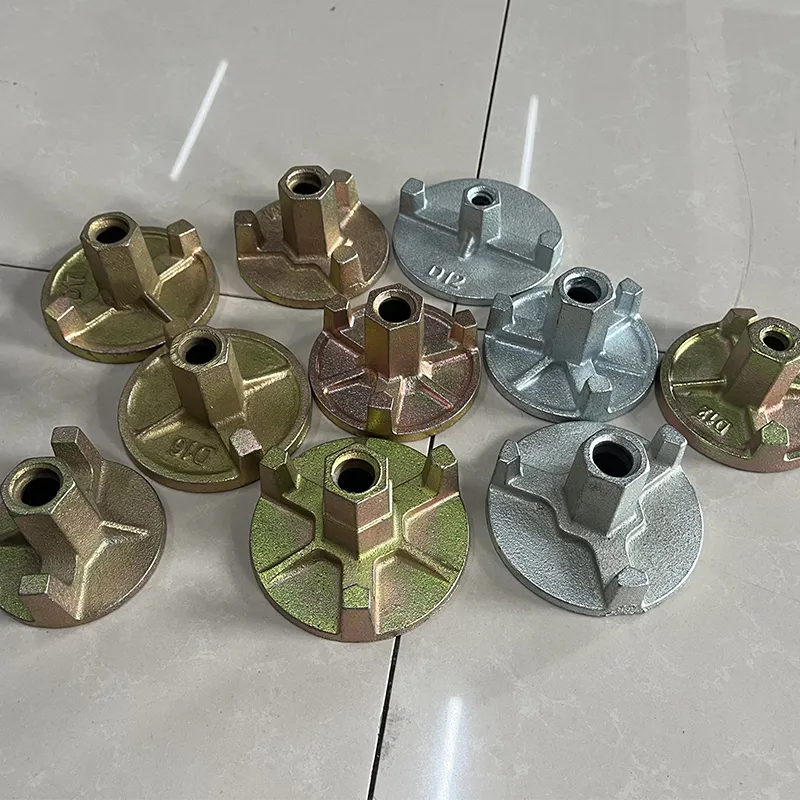
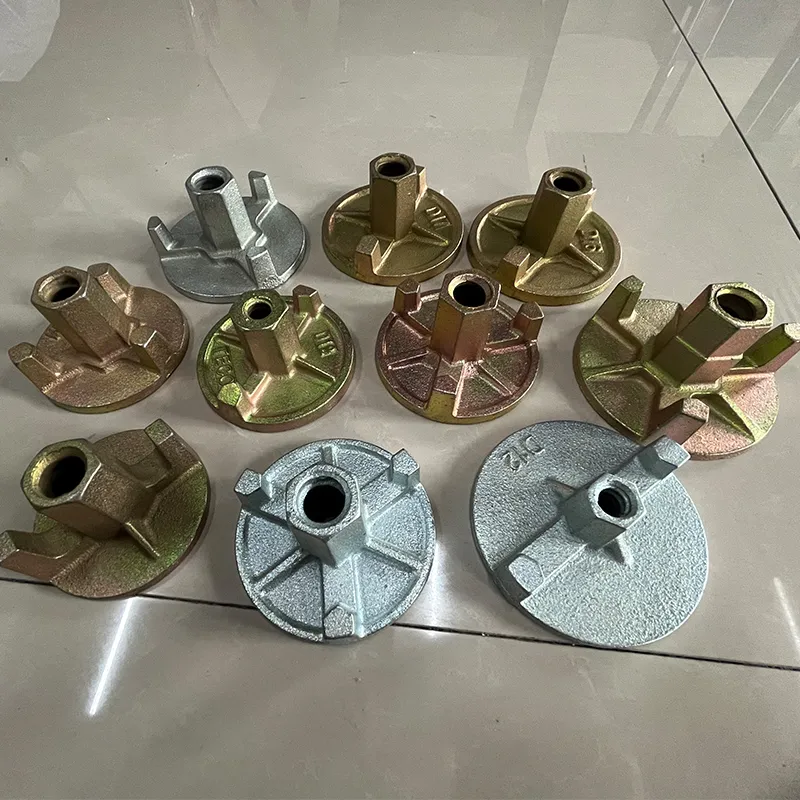
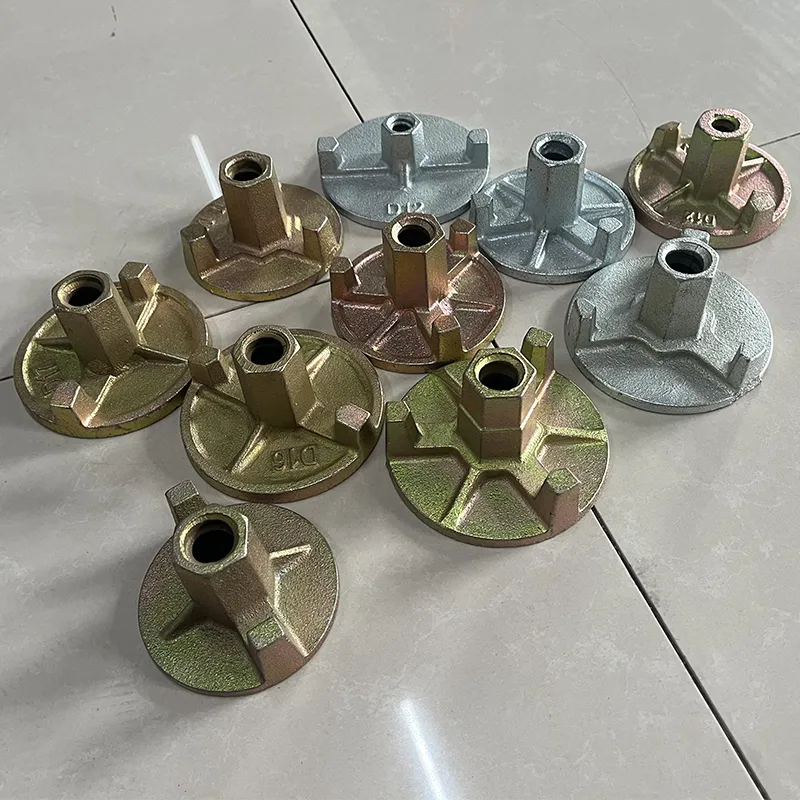
The Formwork Tie Nut—often called a wing nut—mates with a tie rod to clamp panels during pours. Cast iron or ductile iron delivers the compressive bite; threads deliver the torque. WRK’s parts are made in the Development Area of Botou, Cangzhou, Hebei, China—a region that, to be honest, knows its foundries. Many customers say the consistency is the tell: nuts run on clean, clamp straight, and back off without drama after cure.
As formwork systems push faster schedules and greener reusability targets, coatings and metallurgy have quietly improved. Hot‑dip galvanizing and precision tapping mean fewer seized assemblies and more cycles per nut. BIM libraries for hardware are creeping in too—surprisingly useful when you’re coordinating tie patterns around sleeves.
Typical Specifications (real‑world use may vary)
| Material | Cast iron (ASTM A48) or ductile iron ≈ ASTM A536 65‑45‑12 / EN‑GJS‑500‑7 |
| Thread compatibility | 15/17 mm tie rod, M12–M20 common |
| Proof load (single nut) | ≈ 90–120 kN with matching rod; verify per project calc |
| Surface | Self-color, zinc (ASTM B633), or hot-dip galvanized (ISO 1461 / ASTM A153) |
| Service life | ≈ 50–120 reuse cycles with good handling |
| Testing | Tensile/proof, thread gauge, salt spray (ASTM B117) |
How they’re made (shop floor to site)
- Materials: charge selection for gray/ductile iron; melt control, spectrometer verification (EN 10204 3.1 certs on request).
- Methods: sand casting of the wing body; CNC tapping for thread concentricity; deburring.
- Coatings: zinc plating or HDG; thickness checked; adhesion tested.
- Testing: proof load rig to project spec; hardness check; salt spray (often 72–240 h range).
- Standards: ACI 347R guidance for formwork pressures; component materials per ASTM A536/A48; coatings per ISO 1461/ASTM B633.
Quick field note: I’ve seen crews hit 100+ cycles when they avoid over-torquing and rinse after muddy days. Not glamorous, but it works.
Application scenarios
Core walls, shear walls, basement tanks, architectural facades—anywhere panel deflection and blowout risk are non‑negotiable. Pair with washers and cones/spacers to protect faces. And yes, concrete form tie hardware still earns its keep on slipforms and jump‑form cores where schedule pressure is… intense.
Vendor snapshot (indicative)
| Vendor | Material grade | Proof load | Coating | Lead time | Certs |
|---|---|---|---|---|---|
| WRK Formwork (Botou, Hebei) | Ductile iron EN‑GJS‑500‑7 | ≈ 100–120 kN | Self / Zn / HDG | 2–4 weeks typical | ISO 9001; 3.1 |
| EU Brand A | Ductile iron | ≈ 90–110 kN | Zn / HDG | Stock to 3 weeks | ISO 9001 |
| Local Fabricator B | Cast iron | ≈ 80–100 kN | Self / Zn | 1–6 weeks | Varies |
Customization
Thread sizes (M12–M20, 15/17 mm), wing profiles for glove grip, branding emboss, and coatings (clear/black Zn, HDG). For coastal jobs, I’d ask for HDG plus QC photos. It seems minor until the third rainy week.
Two quick case notes
- Parking structure, Midwest USA: 4,500 m² of wall forms; WRK nuts hit 90 cycles; one batch logged 168 h ASTM B117 pre‑ship test. Superintendent called torque “predictable.”
- Desalination tank, MEA region: HDG nuts on 17 mm rods; ACI 350 exposure class; no binding after brine splashdowns, which frankly impressed a jaded QA lead.
Bottom line: choose concrete form tie hardware by verified load, coating durability, and machining quality—not just unit price. Ask for proof‑load data and 3.1 certs. And remind crews: lube sparingly, don’t over‑torque, rinse mud. Little habits, big savings.
References
- ACI 347R-14, Guide to Formwork for Concrete.
- ASTM A536, Standard Specification for Ductile Iron Castings.
- ASTM A48, Standard Specification for Gray Iron Castings.
- ASTM B633, Electrodeposited Coatings of Zinc on Iron and Steel.
- ISO 1461 / ASTM A153, Hot Dip Galvanized Coatings on Iron and Steel Articles.
- ASTM B117, Standard Practice for Salt Spray (Fog) Testing.
Latest News
-
Concrete Form Tie - Cangzhou World Cup Trading Co., Ltd. | Durable Construction Solutions&Secure FasteningNewsFeb.27,2026
-
Concrete Form Tie - Cangzhou World Cup Trading Co., Ltd. | Durable Construction Solutions&Secure FasteningNewsFeb.27,2026
-
Concrete Form Tie - Cangzhou World Cup Trading Co., Ltd. | Durable Construction Solutions&Secure FasteningNewsFeb.27,2026
-
Comprehensive Guide to PVC Profile Window Selection and BenefitsNewsFeb.27,2026
-
Comprehensive Guide to PVC Profile Applications Manufacturing and Future TrendsNewsFeb.26,2026
-
Comprehensive Guide to PVC Molding Profiles for International Trade and ManufacturingNewsFeb.25,2026